U.S. Inflation Outlook 2026: What a Projected 3.5% Rate Means for Your Household Budget
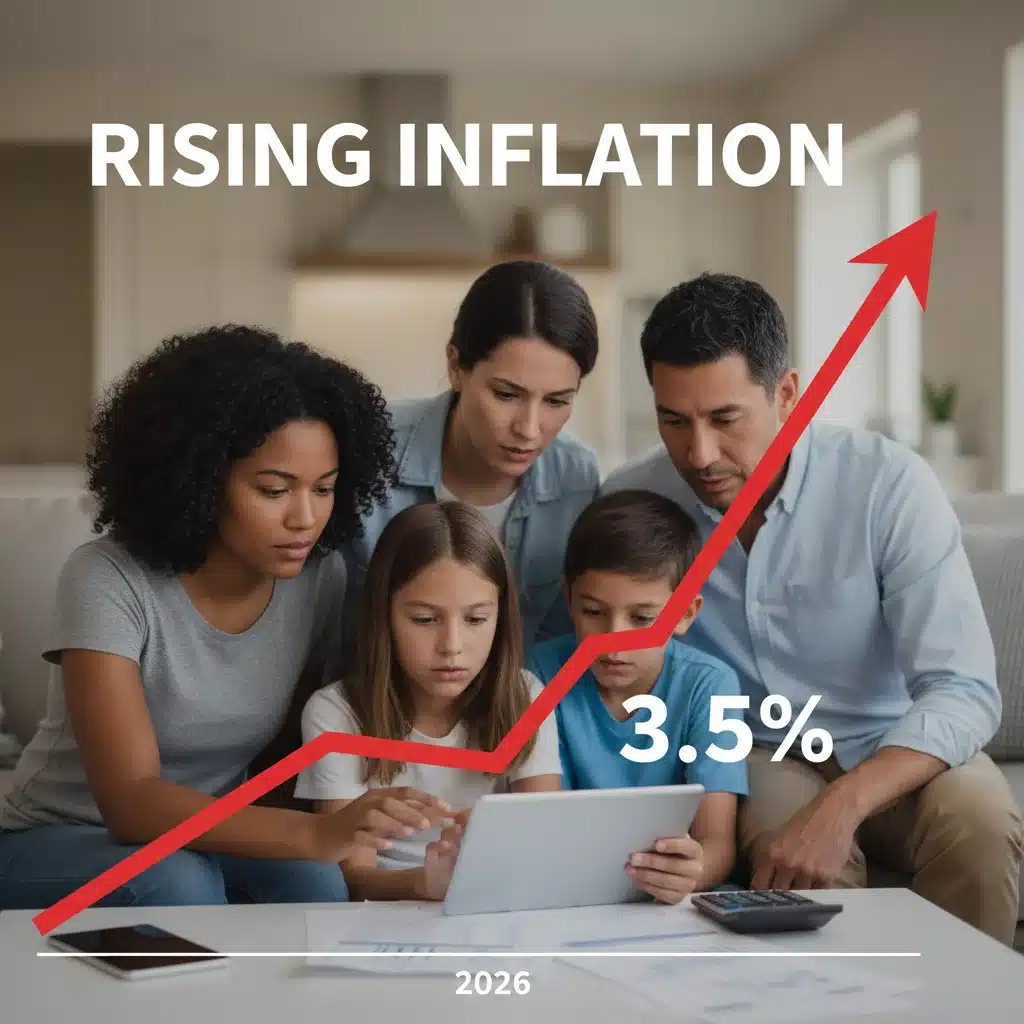
The economic landscape is constantly shifting, and understanding its trajectory is crucial for sound financial planning. As we look towards the middle of the decade, the U.S. inflation outlook for 2026 is a topic of significant interest for policymakers, businesses, and, most importantly, American households. A projected inflation rate of 3.5% might seem like just a number, but its ripple effects can profoundly influence everything from the cost of your morning coffee to the long-term value of your savings and investments. This comprehensive guide will delve into what a 3.5% inflation rate could mean for your household budget, exploring its potential impacts and offering actionable strategies to navigate these economic currents.
Understanding Inflation: Beyond the Headlines
Before we dissect the implications of a 3.5% U.S. inflation outlook, let’s briefly recap what inflation truly means. In simple terms, inflation is the rate at which the general level of prices for goods and services is rising, and consequently, the purchasing power of currency is falling. When inflation is at 3.5%, it means that, on average, the same basket of goods and services that cost $100 today will cost $103.50 a year from now. While this might not sound alarming in isolation, sustained inflation erodes the value of money over time, impacting everyone.
Anúncios
Several factors contribute to inflation, including demand-pull inflation (when demand outstrips supply), cost-push inflation (when the cost of producing goods and services rises), and built-in inflation (when people expect prices to rise and demand higher wages, leading to a self-fulfilling prophecy). The Federal Reserve typically targets a 2% inflation rate as healthy for economic growth, aiming for a balance between price stability and employment. A 3.5% projection, while not catastrophic, suggests a slightly hotter economy than the Fed’s ideal, potentially indicating persistent supply chain issues, strong consumer demand, or other macroeconomic pressures that are keeping prices elevated.
For individuals, understanding the nuances of inflation is the first step toward building financial resilience. It’s not just about rising prices, but about how those rising prices interact with your income, savings, and debt. The U.S. inflation outlook for 2026 at 3.5% is a signal to review and adjust your financial strategies proactively.
Direct Impact on Your Household Budget
A 3.5% inflation rate directly translates to a higher cost of living. This means that if your income doesn’t grow at least at the same rate, your purchasing power will diminish. Let’s break down the specific areas where your household budget will feel the pinch.
Anúncios
Groceries and Everyday Essentials
Food prices are often among the first to react to inflationary pressures. A 3.5% increase across the board means your weekly grocery bill will steadily climb. Items like fresh produce, meats, dairy, and pantry staples will become more expensive. For a household spending $600 a month on groceries, a 3.5% increase means an additional $21 per month, or $252 per year. While this might seem small, it adds up quickly, especially when combined with other rising costs.
Beyond groceries, everyday essentials such as toiletries, cleaning supplies, and over-the-counter medications will also see price hikes. Smart shopping, meal planning, and looking for discounts will become even more critical strategies to manage these rising costs.
Housing Costs: Rent, Mortgages, and Utilities
Housing is typically the largest expense for most households. For renters, landlords may increase rents to cover their own rising costs, including property taxes, maintenance, and insurance. While rent increases are often tied to local market dynamics, a general inflationary environment can provide a justification for steeper hikes. If you’re looking to buy a home, a 3.5% U.S. inflation outlook could influence mortgage rates. While inflation doesn’t directly dictate mortgage rates, it often prompts central banks to raise interest rates to cool the economy, which in turn can lead to higher borrowing costs for consumers.
Utility bills, including electricity, gas, and water, are also susceptible to inflationary pressures. Energy prices, in particular, can be volatile and are often influenced by global events and supply chain disruptions. Households should prepare for potentially higher utility expenses by focusing on energy efficiency and conservation.

Transportation Expenses
The cost of getting around is another significant budget item. Gasoline prices are notoriously sensitive to global economic conditions and inflation. A 3.5% inflation rate could mean higher prices at the pump, impacting commuters and families who rely on their vehicles. Beyond fuel, vehicle maintenance costs, insurance premiums, and even the price of new and used cars can be affected by inflation in the manufacturing and service sectors. Exploring public transportation, carpooling, or considering more fuel-efficient vehicles could become more financially appealing.
Healthcare and Education
Healthcare costs have consistently outpaced general inflation for years, and a 3.5% U.S. inflation outlook is unlikely to reverse this trend. Prescription drugs, medical procedures, and health insurance premiums may continue their upward climb. Similarly, the cost of education, from K-12 supplies to college tuition, is also prone to inflationary pressures. Families planning for these expenses will need to factor in these increases and consider strategies like Health Savings Accounts (HSAs) or 529 college savings plans to mitigate the impact.
Inflation’s Erosion of Savings and Investments
While the immediate impact on your daily spending is noticeable, the silent erosion of your savings and investments is equally, if not more, critical. A 3.5% inflation rate means that money sitting in a low-interest savings account is effectively losing purchasing power. If your savings account yields 1% interest, your real return after inflation is -2.5% (1% – 3.5%).
Savings Accounts and CDs
Traditional savings accounts, money market accounts, and Certificates of Deposit (CDs) often offer interest rates that struggle to keep pace with inflation. While these accounts are essential for emergency funds and short-term goals due to their liquidity and safety, relying solely on them for long-term wealth building in an inflationary environment is a losing proposition. It’s crucial to seek out high-yield savings accounts or explore other low-risk options that offer better returns, though still unlikely to fully beat a 3.5% inflation rate.
Investments and Portfolio Adjustments
Inflation can significantly impact investment returns. Fixed-income investments like bonds, especially those with lower yields, can see their real returns diminished. Growth stocks, particularly those of companies with strong pricing power and low debt, tend to perform better during inflationary periods. Real estate can also be a hedge against inflation, as property values and rental income often rise with prices. However, rising interest rates, a common response to inflation, can make real estate less affordable.
For investors, a 3.5% U.S. inflation outlook necessitates a review of their portfolio. Diversification across different asset classes, including commodities, inflation-protected securities (TIPS), and dividend-paying stocks, can help mitigate the risks. Consulting with a financial advisor to tailor your investment strategy to the current economic climate is highly recommended.
Strategies for Navigating a 3.5% Inflation Rate
While the prospect of sustained inflation might seem daunting, there are proactive steps you can take to protect and even grow your financial well-being. The key is to be informed, adaptable, and disciplined.
1. Budgeting and Expense Tracking
The foundation of financial resilience is a solid budget. In an inflationary environment, it’s even more critical to meticulously track your income and expenses. Identify areas where you can cut back or find more cost-effective alternatives. Revisit your budget regularly, perhaps monthly or quarterly, to account for rising prices in specific categories. Tools like budgeting apps or spreadsheets can be invaluable in this process.
2. Increase Your Income
One of the most effective ways to combat inflation is to increase your income. This could involve negotiating a raise at your current job, taking on a side hustle, or investing in skills that lead to higher-paying opportunities. If your income keeps pace with or exceeds the 3.5% inflation rate, your purchasing power will remain stable or even improve.
3. Strategic Debt Management
Not all debt is created equal in an inflationary environment. Fixed-rate debt, such as a traditional mortgage, becomes less burdensome over time as the value of money decreases. However, variable-rate debt, like credit card balances or adjustable-rate mortgages, can become more expensive if interest rates rise in response to inflation. Prioritize paying down high-interest, variable-rate debt to minimize its impact.
4. Invest Wisely
As discussed, investing is crucial to outpace inflation. Consider a diversified portfolio that includes assets historically known to perform well during inflationary periods. This might involve:
- Stocks: Focus on companies with strong balance sheets, pricing power, and consistent dividend growth.
- Real Estate: Can serve as a hedge, but consider the impact of rising interest rates on affordability.
- Commodities: Gold, silver, and other raw materials often appreciate during inflation.
- Treasury Inflation-Protected Securities (TIPS): These government bonds are designed to protect against inflation by adjusting their principal value based on the Consumer Price Index (CPI).
Regularly rebalance your portfolio to ensure it aligns with your risk tolerance and financial goals, especially with the U.S. inflation outlook in mind.

5. Build and Maintain an Emergency Fund
An emergency fund is always important, but even more so during periods of economic uncertainty and rising prices. Aim for at least 3-6 months’ worth of living expenses in an easily accessible, high-yield savings account. This fund provides a critical buffer against unexpected costs and allows you to avoid taking on high-interest debt when prices are elevated.
6. Optimize Your Spending Habits
Beyond strict budgeting, look for ways to optimize your spending. This could involve:
- Comparison Shopping: Always compare prices for major purchases and even everyday items.
- Bulk Buying: For non-perishable goods, buying in bulk can often lead to savings.
- Reducing Discretionary Spending: Evaluate subscriptions, dining out, and entertainment expenses.
- Energy Efficiency: Invest in energy-efficient appliances, seal drafts, and manage your thermostat to lower utility bills.
The Broader Economic Context of the U.S. Inflation Outlook 2026
Understanding the U.S. inflation outlook for 2026 also requires a glance at the broader economic forces at play. Several factors could contribute to or mitigate a 3.5% inflation rate:
Supply Chain Resilience
Ongoing efforts to strengthen global supply chains and reduce reliance on single sources could help alleviate cost-push inflationary pressures. However, geopolitical events and natural disasters can still disrupt these efforts, leading to price spikes.
Labor Market Dynamics
A tight labor market, where demand for workers outstrips supply, can lead to wage inflation. While higher wages can boost consumer spending, they can also contribute to a cycle of rising prices if businesses pass on increased labor costs to consumers. Monitoring unemployment rates and wage growth will be key.
Federal Reserve Policy
The Federal Reserve’s monetary policy will be a critical determinant of actual inflation. If inflation appears to be stubbornly high, the Fed might continue or resume interest rate hikes to cool the economy. Conversely, if economic growth slows too much, the Fed might pivot to more accommodative policies. Their dual mandate of maximum employment and price stability means they will be walking a tightrope.
Government Fiscal Policy
Government spending and taxation policies also play a role. Large fiscal stimulus packages, while beneficial for economic growth, can sometimes add to inflationary pressures if not carefully managed. The national debt and government borrowing can also influence long-term inflation expectations.
Technological Advancements
Technological innovation often acts as a deflationary force, driving down the cost of production and increasing efficiency. Breakthroughs in automation, artificial intelligence, and manufacturing processes could help offset some inflationary pressures by making goods and services cheaper to produce.
Conclusion: Preparing for the Future
The U.S. inflation outlook for 2026, with a projected rate of 3.5%, signals a need for vigilance and proactive financial planning. While it’s impossible to predict the future with absolute certainty, understanding the potential impacts on your household budget, savings, and investments empowers you to make informed decisions.
By implementing a robust budget, seeking opportunities to increase income, managing debt strategically, and diversifying your investments, you can build a strong financial foundation that can withstand inflationary pressures. Regular review and adjustment of your financial plan will be essential as the economic landscape evolves.
Remember, inflation is a continuous process, not a one-time event. Staying informed about economic trends, understanding how they affect your personal finances, and taking decisive action will be your best defense against the erosion of your purchasing power. Prepare today for the economic realities of tomorrow, and secure your financial future against the projected 3.5% inflation rate.