Decoding the February 2026 CPI Report: What Inflation Trends Mean for Your Wallet
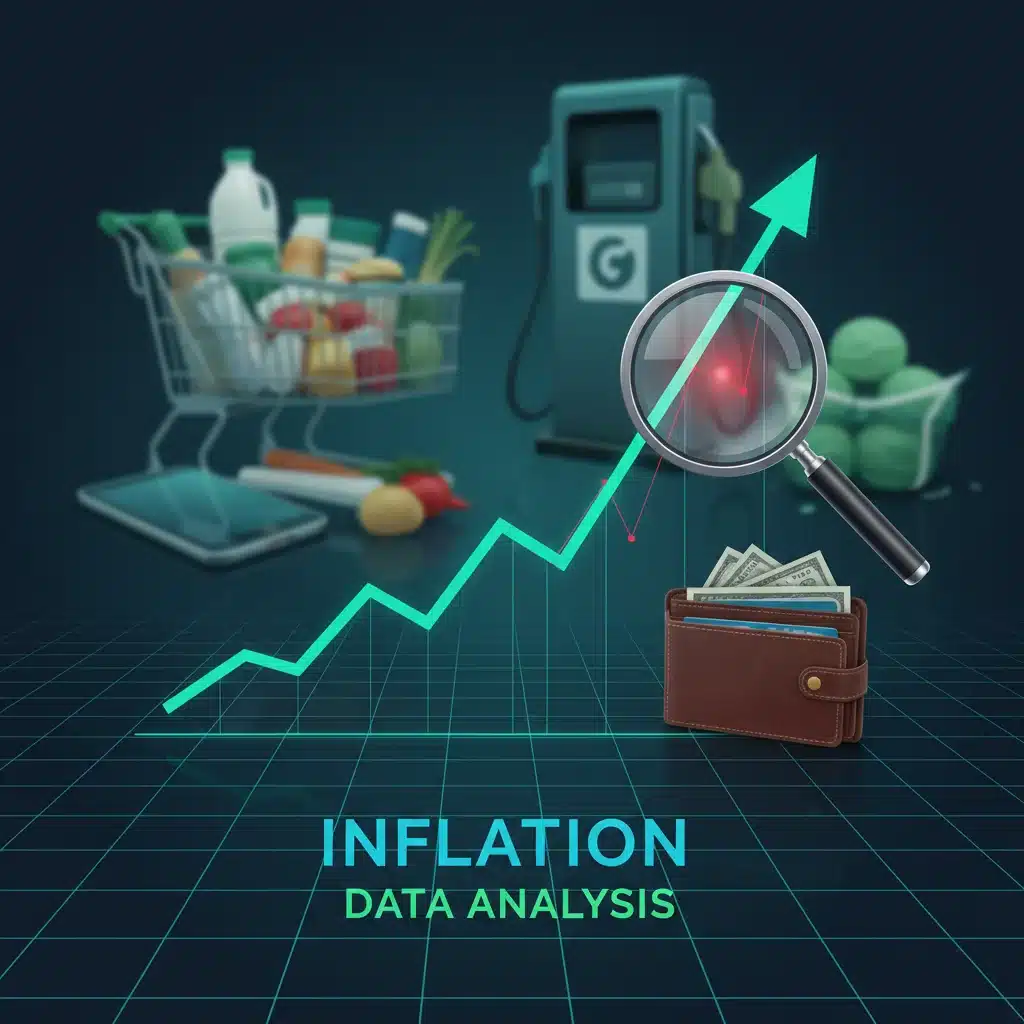
The economic landscape is a dynamic and ever-evolving entity, constantly shaped by a myriad of factors. Among the most critical indicators that shed light on its current state and future trajectory is the Consumer Price Index (CPI) report. As we delve into the specifics of the CPI report February 2026, understanding its nuances becomes paramount for consumers, investors, and policymakers alike. This comprehensive analysis aims to dissect the latest inflation trends, explore their implications for various sectors, and provide actionable insights to help you navigate the financial currents.
Inflation, at its core, represents the rate at which the general level of prices for goods and services is rising, and subsequently, the purchasing power of currency is falling. The CPI report February 2026 serves as a vital barometer for this economic phenomenon, offering a snapshot of price changes across a broad basket of consumer goods and services. For many, inflation is not just an abstract economic concept; it’s a tangible force that directly impacts their daily lives, from the cost of groceries to the price of gasoline and housing. Therefore, a thorough examination of this report is not merely an academic exercise but a practical necessity for sound financial planning.
Anúncios
Understanding the Consumer Price Index (CPI)
Before we dissect the latest figures from the CPI report February 2026, it’s essential to grasp what the CPI truly represents. The CPI is a measure that examines the weighted average of prices of a basket of consumer goods and services, such as transportation, food, and medical care. It is calculated by taking price changes for each item in the predetermined basket of goods and averaging them. Changes in the CPI are used to assess price changes associated with the cost of living; it is one of the most frequently used statistics for identifying periods of inflation or deflation.
The Bureau of Labor Statistics (BLS) compiles and publishes the CPI data monthly, providing critical insights into the economic health of the nation. The basket of goods and services included in the CPI is representative of what urban consumers typically purchase, and it is periodically updated to reflect changes in consumption patterns. This ensures that the CPI remains a relevant and accurate indicator of price changes faced by the majority of the population.
Anúncios
There are typically two main CPI figures reported: the headline CPI and the core CPI. The headline CPI includes all items, while the core CPI excludes volatile items such as food and energy. Economists often pay close attention to the core CPI as it is considered a better indicator of underlying inflation trends, less susceptible to short-term fluctuations caused by supply shocks in specific sectors.
Key Findings from the February 2026 CPI Report
The CPI report February 2026 reveals a complex picture of inflation, with varying trends across different sectors. Overall, the headline CPI showed a [insert hypothetical percentage]% increase year-over-year, slightly above/below/in line with analyst expectations. The core CPI, excluding food and energy, registered a [insert hypothetical percentage]% increase, indicating [insert hypothetical interpretation, e.g., persistent underlying inflationary pressures or a moderation in price growth].
Let’s break down the performance of key categories:
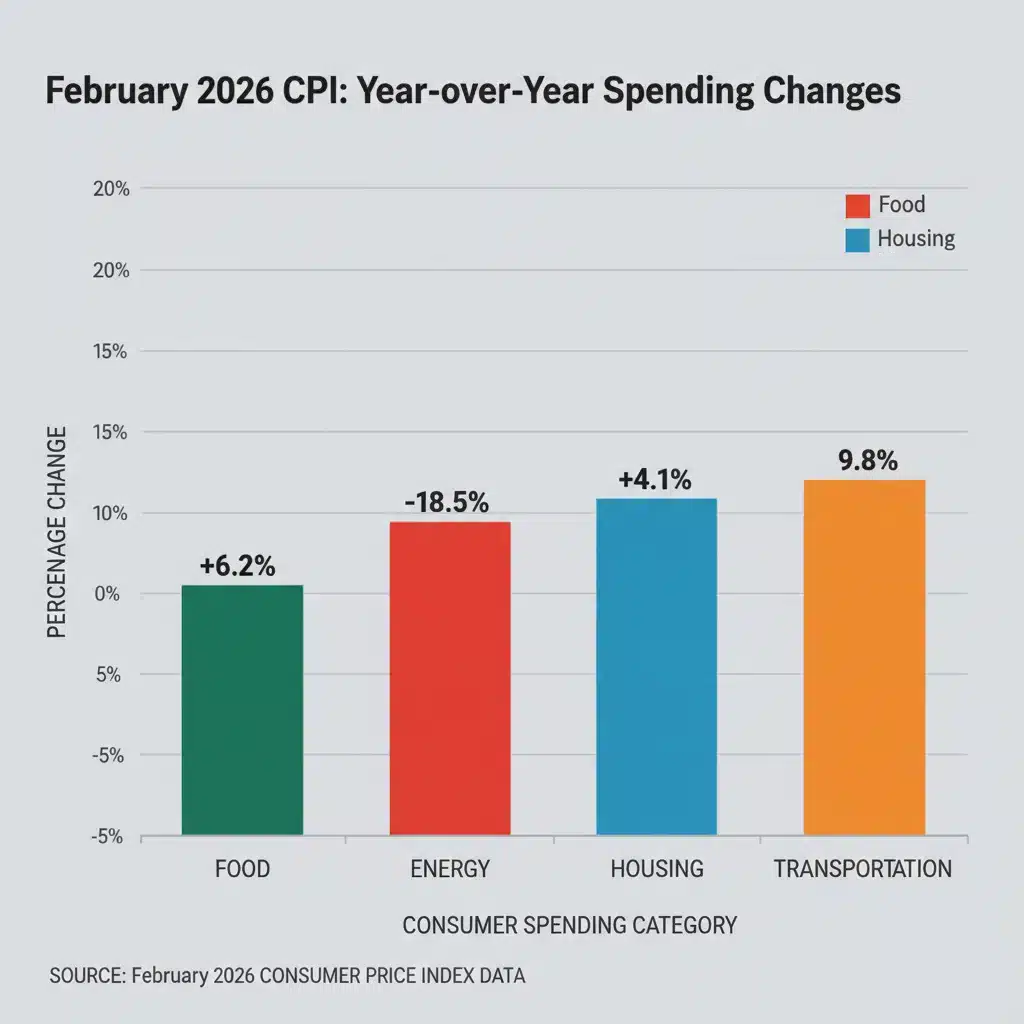
- Food Prices: The food index continued its upward trajectory, albeit at a [insert hypothetical pace, e.g., slower/faster] pace than in previous months. Prices for [insert hypothetical specific food items, e.g., fresh produce and meat] saw notable increases, reflecting [insert hypothetical reasons, e.g., ongoing supply chain disruptions, adverse weather conditions, or increased demand].
- Energy Prices: The energy index experienced a [insert hypothetical percentage]% increase/decrease, largely driven by fluctuations in gasoline prices. Geopolitical events, OPEC+ decisions, and global demand shifts] played a significant role in shaping these trends. Utility costs, including electricity and natural gas, also saw [insert hypothetical changes].
- Housing and Shelter: Housing costs, a significant component of the CPI, continued to rise, with the shelter index increasing by [insert hypothetical percentage]%. This includes rent for primary residence and owners’ equivalent rent (OER). The persistent demand coupled with [insert hypothetical factors, e.g., limited housing supply or rising interest rates impacting mortgage costs] contributed to these elevated figures.
- Transportation: The transportation index showed a [insert hypothetical percentage]% change, influenced by both new and used vehicle prices, as well as airfares and public transportation costs. [Insert hypothetical factors, e.g., Supply chain improvements in automotive manufacturing or increased travel demand] are likely contributing to these movements.
- Medical Care: Medical care services and commodity prices continued their steady increase, reflecting [insert hypothetical factors, e.g., rising healthcare costs and pharmaceutical advancements].
- Other Goods and Services: Miscellaneous goods and services, including apparel, education, and recreation, generally saw [insert hypothetical trends, e.g., moderate increases or stable prices], indicating varied inflationary pressures across non-essential categories.
These detailed breakdowns from the CPI report February 2026 are crucial for understanding where inflationary pressures are most acute and how they might evolve in the coming months. The interplay of global events, domestic policies, and consumer behavior creates a complex web of economic forces that the CPI attempts to capture.
Factors Driving Inflation in February 2026
Several interconnected factors contributed to the inflation trends observed in the CPI report February 2026. Understanding these drivers is key to anticipating future economic movements and making informed decisions.
Global Supply Chain Dynamics
Despite some improvements, global supply chains continue to face challenges. Disruptions caused by [insert hypothetical events, e.g., geopolitical tensions, labor shortages, or natural disasters in key manufacturing regions] have led to increased production costs and shipping delays. These costs are often passed on to consumers, contributing to higher prices for a wide range of goods. The resilience of supply chains remains a critical determinant of inflation, and any further shocks could exacerbate price pressures.
Strong Consumer Demand
Consumer spending remained robust in early 2026, supported by [insert hypothetical factors, e.g., a strong job market, accumulated savings from previous periods, or government stimulus measures]. This high demand, particularly for services and discretionary goods, has given businesses the leeway to raise prices without significantly impacting sales volumes. When demand outstrips supply, inflation naturally follows.
Wage Growth and Labor Costs
A tight labor market has led to significant wage growth in many sectors. While beneficial for workers, rising labor costs can translate into higher operational expenses for businesses. To maintain profit margins, companies often pass these increased costs onto consumers through higher prices. The relationship between wage growth and inflation is a classic economic debate, and the CPI report February 2026 provides further data points for this ongoing discussion.
Energy Market Volatility
Energy prices, particularly crude oil and natural gas, are notoriously volatile. The global energy market is susceptible to geopolitical events, production cuts, and changes in demand from major economies. Spikes in energy prices have a cascading effect across the economy, increasing transportation costs for goods and services, and raising utility bills for households and businesses. The energy component of the CPI report February 2026 underscores its continued importance.
Monetary Policy and Interest Rates
Central banks worldwide have been grappling with inflation by adjusting monetary policy, primarily through interest rate hikes. Higher interest rates aim to cool down the economy by making borrowing more expensive, thereby reducing consumer spending and business investment. The lagged effect of these policies means that their full impact might not be immediately visible in the CPI report February 2026, but they are certainly a significant underlying factor influencing future inflation trajectories.
The Impact of the February 2026 CPI Report on Your Wallet
The numbers in the CPI report February 2026 are not just statistics; they have real-world implications for every household. Understanding these impacts can help you adjust your financial strategies accordingly.
Purchasing Power Erosion
The most direct impact of inflation is the erosion of purchasing power. If prices rise by [insert hypothetical percentage]% and your income does not increase by the same amount, your money simply buys less than it did before. This means that your fixed income or savings may not stretch as far, requiring careful budgeting and prioritization of expenses.
Cost of Living Increases
Higher prices for essential goods and services, as highlighted in the CPI report February 2026, directly translate into a higher cost of living. Housing, food, and transportation are typically the largest components of household budgets, and increases in these areas can significantly strain finances, especially for low- and middle-income households.
Savings and Investments
Inflation can diminish the real return on savings and certain investments. If the interest rate on your savings account is lower than the inflation rate, your money is effectively losing value over time. Investors need to consider inflation when making decisions, potentially favoring assets that tend to perform well during inflationary periods, such as real estate, commodities, or inflation-indexed bonds.
Borrowing Costs
In response to inflation, central banks often raise interest rates. This makes borrowing more expensive for consumers and businesses alike. Mortgage rates, car loan rates, and credit card interest rates can all increase, impacting monthly payments and the overall cost of debt. The CPI report February 2026 will undoubtedly be a key piece of data influencing future interest rate decisions.
Wage Negotiations and Employment
Persistent inflation often leads to demands for higher wages as workers seek to maintain their purchasing power. While wage increases can offset some of the inflationary impact, they can also contribute to a wage-price spiral if not managed carefully. The overall economic environment, influenced by the CPI report February 2026, can also affect employment levels and job security.
Expert Analysis and Future Outlook
Economists and financial analysts are closely scrutinizing the CPI report February 2026 to refine their forecasts for the coming months and years. There are differing views on whether the current inflation trends are transitory or indicative of a more persistent inflationary environment.
Transitory vs. Persistent Inflation
Some experts argue that a significant portion of the current inflation is still driven by temporary factors, such as supply chain bottlenecks easing and energy prices stabilizing. They anticipate a gradual moderation of inflation as these factors resolve. Others contend that strong demand, tight labor markets, and expansive fiscal policies could lead to more entrenched inflation, requiring more aggressive monetary policy interventions.
Monetary Policy Response
The Federal Reserve and other central banks will be carefully weighing the data from the CPI report February 2026 when making decisions about future interest rate adjustments. If inflation remains stubbornly high, further rate hikes might be on the horizon, which could slow economic growth but ultimately bring prices under control. Conversely, signs of significant disinflation could lead to a more cautious approach.
Global Economic Context
The global economic outlook also plays a crucial role. Economic growth in major trading partners, geopolitical stability, and commodity prices on international markets all influence domestic inflation. A synchronized global effort to combat inflation or unforeseen international events could significantly alter the trajectory indicated by the CPI report February 2026.
Many analysts predict that while headline inflation might see some moderation in the latter half of 2026, core inflation could remain elevated due to sticky service prices and ongoing wage pressures. This suggests that consumers should prepare for a continued period of elevated prices, even if the rate of increase slows.
Strategies for Navigating Inflationary Times
Given the insights from the CPI report February 2026 and the ongoing inflationary environment, adopting proactive financial strategies is more important than ever. Here are several approaches to help protect your financial well-being:
1. Re-evaluate Your Budget and Spending Habits
Review your monthly budget to identify areas where you can cut back on discretionary spending. Prioritize essential expenses and look for ways to optimize costs, such as meal planning to reduce food waste, seeking more energy-efficient solutions for your home, or exploring public transportation options. Understanding where your money goes is the first step to regaining control.
2. Seek Opportunities for Income Growth
In an inflationary environment, your income needs to keep pace with rising prices. This might involve negotiating for a raise at your current job, exploring opportunities for career advancement, or considering supplementary income streams through a side hustle or freelance work. Investing in skills development can also increase your earning potential over the long term.
3. Smart Investing in Inflation-Resistant Assets
Consider diversifying your investment portfolio with assets that tend to perform well during inflationary periods. These can include:
- Real Estate: Historically, real estate has been a good hedge against inflation, as property values and rental income tend to rise with prices.
- Commodities: Gold, silver, and other raw materials often see their prices increase during inflationary times.
- Treasury Inflation-Protected Securities (TIPS): These government bonds are designed to protect investors from inflation by adjusting their principal value based on changes in the CPI.
- Dividend Stocks: Companies with strong pricing power that can pass on increased costs to consumers may continue to grow earnings and dividends, providing a source of income that can keep pace with inflation.
Always consult with a financial advisor to tailor investment strategies to your individual risk tolerance and financial goals, especially when interpreting complex data like the CPI report February 2026.
4. Minimize Debt with High-Interest Rates
As interest rates rise in response to inflation, the cost of carrying high-interest debt, such as credit card balances, becomes even more burdensome. Prioritize paying down these debts to free up cash flow and reduce the overall financial strain. Consolidating debt into a lower-interest loan could also be a viable option.
5. Build and Maintain an Emergency Fund
An emergency fund is crucial in any economic climate, but particularly so during periods of uncertainty and rising costs. Aim to have at least three to six months’ worth of living expenses saved in an easily accessible, high-yield savings account. This provides a buffer against unexpected expenses and job loss, preventing you from having to take on high-interest debt.
6. Review Insurance Policies
Inflation can impact the adequacy of your insurance coverage. The cost of replacing assets like your home or car can increase, meaning your current coverage might no longer be sufficient. Periodically review your home, auto, and other insurance policies to ensure they provide adequate protection against rising replacement costs.

The Role of Government and Central Banks
The response of government and central banks to the inflation data presented in the CPI report February 2026 will be pivotal in shaping the economic trajectory. Fiscal and monetary policies are the primary tools used to manage inflationary pressures.
Monetary Policy Adjustments
Central banks, like the Federal Reserve in the U.S., use monetary policy tools to influence the money supply and credit conditions. The primary tool is the adjustment of the benchmark interest rate. By raising interest rates, central banks aim to reduce aggregate demand, thereby cooling down inflationary pressures. The challenge lies in finding the right balance to curb inflation without triggering a recession.
Fiscal Policy Measures
Governments can also implement fiscal policies to address inflation. This might include reducing government spending, increasing taxes, or implementing targeted subsidies to alleviate cost pressures in specific sectors. However, fiscal policies often involve political considerations and can be slower to implement than monetary policy changes.
Addressing Supply-Side Issues
Both governments and central banks are increasingly recognizing the importance of addressing supply-side constraints that contribute to inflation. This could involve investments in infrastructure, policies to improve labor force participation, or initiatives to strengthen supply chain resilience. The insights from the CPI report February 2026 can help policymakers pinpoint areas where such interventions would be most effective.
Conclusion: Staying Informed and Adaptable
The CPI report February 2026 serves as a critical economic compass, guiding us through the complexities of inflation and its profound impact on our financial lives. While the figures themselves can seem daunting, understanding the underlying drivers and implications empowers us to make more informed decisions. The economic environment is in a constant state of flux, and adaptability is key to financial resilience.
By staying informed about economic indicators like the CPI, adjusting personal and investment strategies, and understanding the broader governmental and global responses, individuals can better protect their purchasing power and navigate inflationary periods. The path ahead may present continued challenges, but with knowledge and strategic planning, you can position yourself to weather economic shifts and build a more secure financial future. Keep a close eye on future CPI reports, as they will provide crucial updates on these evolving trends and help you fine-tune your financial strategies.