Housing Market Trends 2026: Navigating the Projected 5% Price Shift
Anúncios
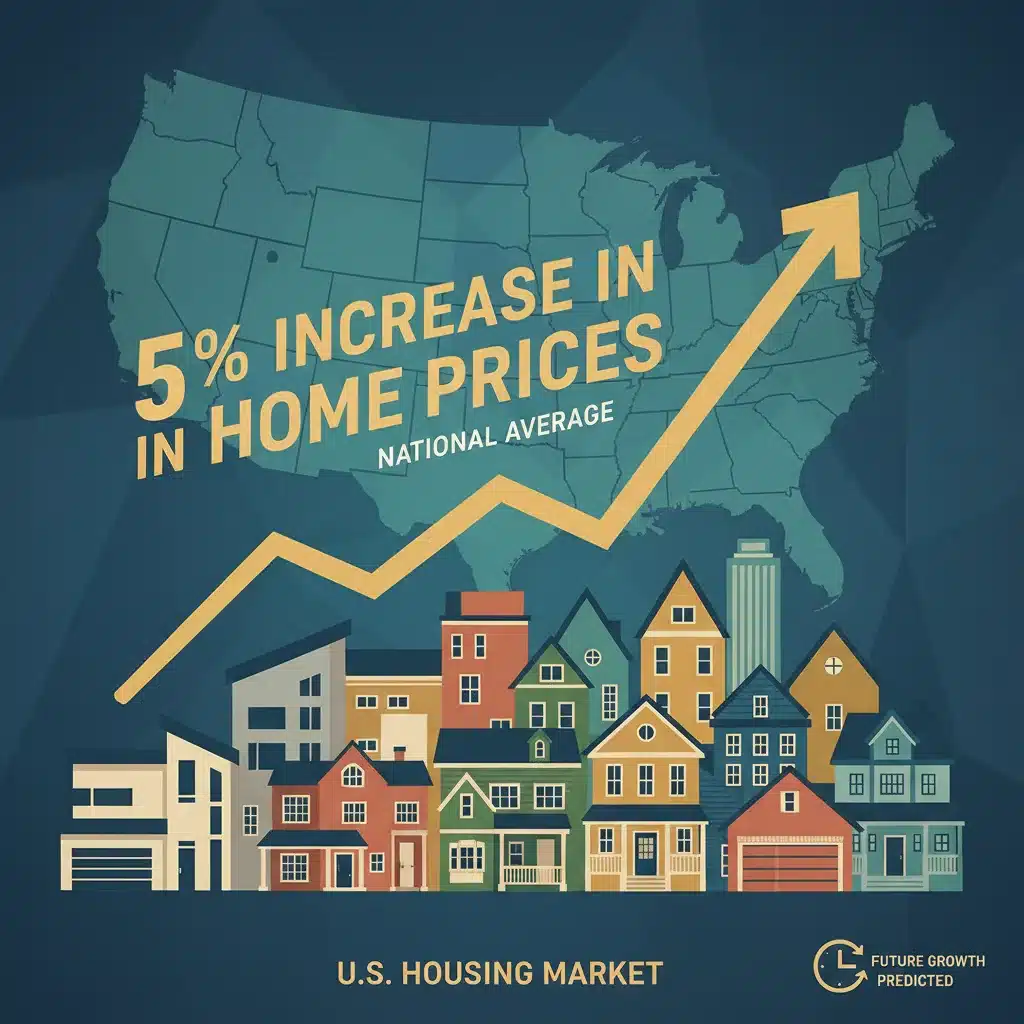
The landscape of homeownership in the United States is perpetually evolving, shaped by a confluence of economic, social, and demographic factors. As we cast our gaze towards 2026, a significant shift is on the horizon for the U.S. housing market: a projected 5% price change. This forecast, while seemingly a simple number, carries profound implications for millions of Americans, from first-time homebuyers to seasoned investors and current homeowners. Understanding the intricacies of this projection is crucial for making informed decisions in the coming years. This comprehensive article will delve deep into the factors driving this expected shift, explore its potential impacts across different regions, and provide actionable strategies for navigating what promises to be a dynamic period in real estate.
Anúncios
The housing market 2026 outlook is not a standalone event but rather a continuation of trends that have been building over the past few years. The pandemic era, characterized by historically low interest rates and a sudden surge in demand for larger living spaces, led to unprecedented price appreciation. Following this boom, the market began to normalize, with rising interest rates cooling demand and moderating price growth. The projected 5% shift for 2026 suggests a new phase, potentially indicating a more stable, albeit still upward-trending, market environment. This isn’t just about a national average; the nuances lie in how this shift will manifest in different metropolitan areas and housing segments.
Understanding the Driving Forces Behind the Housing Market 2026 Projection
Several key macroeconomic and demographic factors are expected to converge to create the projected 5% price movement in the housing market 2026. Analyzing these elements is essential for grasping the full picture.
Interest Rates and Mortgage Trends
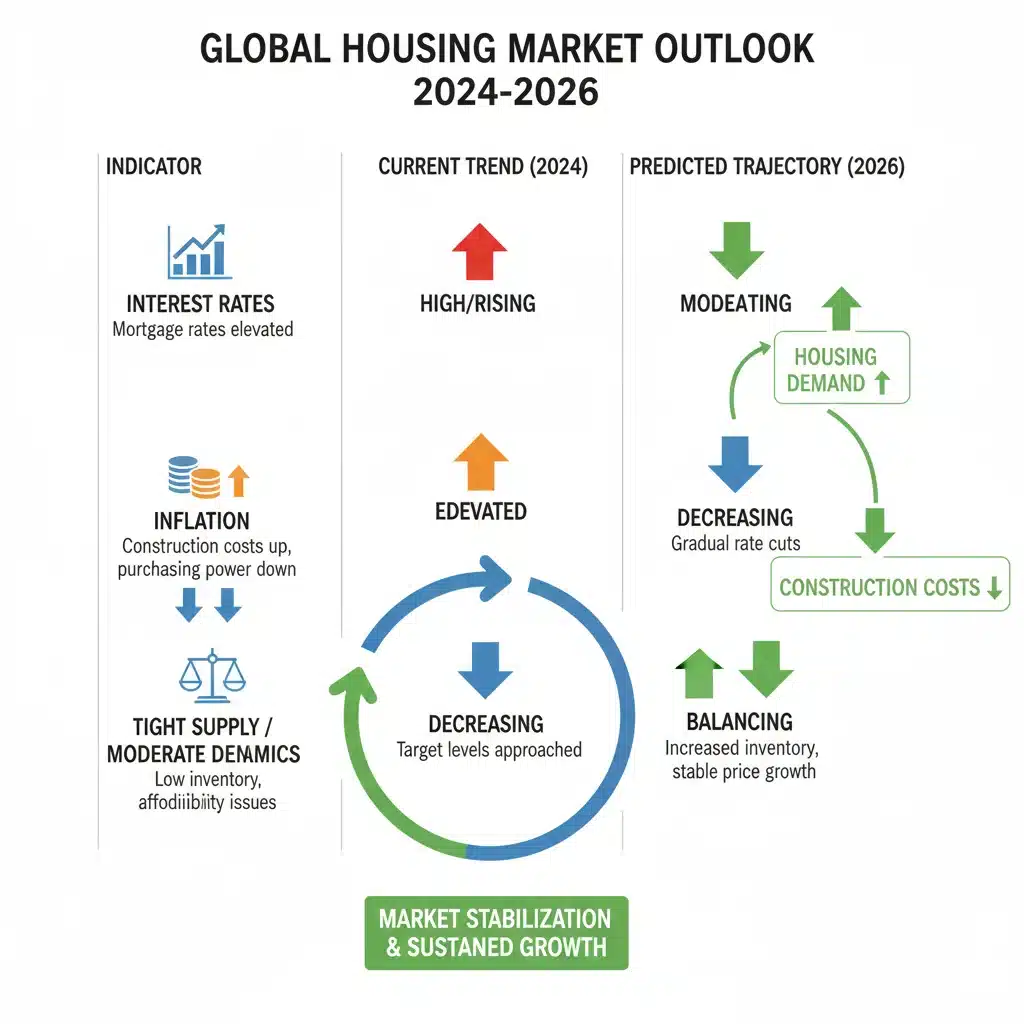
One of the most powerful levers in the housing market is interest rates. The Federal Reserve’s monetary policy decisions directly influence the cost of borrowing for mortgages. While interest rates have fluctuated, the general consensus is that they will likely stabilize or see modest adjustments, rather than the dramatic swings of recent years. Stable, albeit potentially higher than pre-pandemic, rates could provide a sense of predictability for buyers and sellers, encouraging more transactions. A 5% price increase in a stable interest rate environment suggests that demand remains robust enough to absorb these costs.
Anúncios
Supply and Demand Dynamics
The fundamental economic principles of supply and demand are always at play. For the housing market 2026, a persistent housing supply shortage in many desirable areas continues to exert upward pressure on prices. While new construction has picked up, it has not fully caught up with decades of underbuilding and growing household formation. This imbalance means that even with higher prices, there are still more buyers than available homes in many regions, fueling the projected price increase. Demographic shifts, such as millennials entering their prime homebuying years, further contribute to this sustained demand.
Economic Growth and Inflation
A healthy economy generally supports a strong housing market. Factors like job growth, wage increases, and consumer confidence contribute to individuals’ ability and willingness to purchase homes. If the U.S. economy continues its growth trajectory, even at a moderate pace, it will provide a solid foundation for housing demand. Inflation, on the other hand, can be a double-edged sword. While it can erode purchasing power, it also makes real estate an attractive hedge for investors, further contributing to demand and potentially pushing prices up. The projected 5% shift likely anticipates a scenario where economic growth outweighs the negative impacts of inflation on affordability.
Demographic Shifts and Migration Patterns
The U.S. population is not static. Demographic trends, including household formation rates, migration patterns (both domestic and international), and the aging population, all play a role. The ongoing trend of people moving to more affordable or amenity-rich areas, often in the Sun Belt states, continues to create localized booms. This internal migration can drive significant price appreciation in destination cities, even as other regions experience more modest growth. Understanding these micro-trends is vital for predicting regional variations in the housing market 2026.
Regional Nuances: Where Will the 5% Shift Be Felt Most?
While a national 5% price shift provides a general understanding, the reality on the ground will vary significantly by region. Some areas may see much higher appreciation, while others might experience more modest gains or even slight declines.
Hot Markets vs. Cooling Markets
Expect to see continued strength in markets with strong job growth, limited land availability, and high quality of life. Tech hubs, burgeoning manufacturing centers, and areas attracting remote workers are likely candidates for above-average appreciation. Conversely, regions with declining populations, struggling economies, or an oversupply of housing might see prices stabilize or even dip slightly. The housing market 2026 will be a patchwork of these diverse local conditions.
Coastal vs. Inland Dynamics
Historically, coastal markets (e.g., California, Northeast) have been characterized by high prices and limited inventory. While they may continue to see appreciation, the sheer cost of entry could temper growth compared to more affordable inland markets. Many buyers, priced out of coastal cities, are continuing to look inland, driving demand and price growth in states like Texas, Florida, and parts of the Mountain West. This trend is a crucial aspect of the housing market 2026 forecast.
Urban, Suburban, and Rural Trends
The pandemic reignited interest in suburban and rural living, offering more space and perceived affordability. While urban cores are seeing a resurgence, the demand for suburban homes, especially those with good schools and amenities, remains strong. Rural areas, particularly those within commuting distance of major employment centers or with desirable natural attractions, are also experiencing increased interest. The 5% projected shift will likely be an aggregate of varied performances across these different geographical segments.
Implications for Homebuyers in the Housing Market 2026
For those looking to purchase a home, a projected 5% price increase in the housing market 2026 presents both challenges and opportunities.
The Challenge of Affordability
Rising home prices inevitably exacerbate affordability concerns, particularly for first-time buyers. A 5% increase means a higher down payment, larger loan amount, and consequently, higher monthly mortgage payments. This challenge is compounded by the fact that wage growth, while present, may not always keep pace with housing appreciation. Buyers will need to be strategic and financially prepared.
Strategies for Prospective Buyers
- Start Saving Early and Aggressively: A larger down payment can significantly reduce your monthly mortgage burden.
- Get Pre-Approved: Understanding your borrowing capacity is the first step. It also makes you a more attractive buyer.
- Be Flexible with Location: Consider expanding your search to include slightly less competitive neighborhoods or even nearby towns that offer better value.
- Explore First-Time Buyer Programs: Many state and local programs offer assistance with down payments or closing costs.
- Consider Different Home Types: Townhouses or condos might be more affordable entry points than single-family detached homes.
- Work with a Savvy Real Estate Agent: An agent with local expertise can help you identify opportunities and navigate competitive bidding situations.

Implications for Homeowners and Sellers in the Housing Market 2026
Existing homeowners and those considering selling will also be significantly impacted by the projected 5% shift in the housing market 2026.
Increased Home Equity
For current homeowners, a 5% increase in home value translates directly into increased home equity. This can be a valuable asset, providing opportunities for refinancing, home equity loans (HELOCs), or a larger profit margin when selling. It also offers a greater sense of financial security.
Strategic Selling in a Rising Market
If you’re planning to sell, a rising market generally favors sellers. However, being strategic is still paramount.
- Time Your Sale: While the overall trend is upward, local market conditions can fluctuate. Work with an agent to determine the optimal time to list your property.
- Invest in Key Upgrades: Even minor renovations can yield significant returns in a competitive market. Focus on areas like kitchens, bathrooms, and curb appeal.
- Price Competitively: While you want to maximize your profit, overpricing can deter buyers. A well-researched, competitive price is key to attracting offers.
- Understand Your Next Move: If you’re selling to buy another home, factor in the rising prices of your next purchase as well. This might involve contingency planning or temporary housing solutions.
Refinancing Opportunities and Wealth Building
Homeowners may find opportunities to refinance their mortgages to secure better rates or tap into their equity for other investments or debt consolidation. The increased equity also contributes to overall household wealth, reinforcing real estate’s role as a significant long-term investment. Staying informed about the housing market 2026 trends can help homeowners make these critical financial decisions.
The Role of Technology and Innovation in the Housing Market 2026
Technology continues to reshape the real estate industry, and its influence will only grow as we approach and move through 2026. From AI-powered analytics to virtual reality tours, innovation is making the market more transparent and efficient.
Data Analytics and Predictive Models
Advanced data analytics and machine learning are becoming increasingly sophisticated, allowing for more accurate predictions of market trends, including specific neighborhood forecasts. This technology helps both buyers and sellers make more informed decisions, potentially mitigating some of the risks associated with market fluctuations. Understanding these tools will be crucial for navigating the housing market 2026.
Virtual Showings and Digital Transactions
The adoption of virtual tours, 3D floor plans, and digital closing processes accelerated during the pandemic and is now standard practice. These technologies streamline the homebuying and selling process, making it more accessible and efficient, particularly for out-of-state buyers or those with busy schedules. This efficiency can contribute to a faster-moving market, even with a 5% price increase.
PropTech and Smart Homes
Property technology (PropTech) encompasses a range of innovations, from smart home devices that enhance a property’s value to platforms that simplify property management. As homes become more connected, features like energy efficiency and smart security systems will play a greater role in buyer preferences and property valuations, influencing the trajectory of the housing market 2026.
Potential Risks and Uncertainties for the Housing Market 2026
While a 5% price shift suggests continued growth, no forecast is without its risks and uncertainties. It’s important to consider potential headwinds that could alter the trajectory of the housing market 2026.
Economic Downturns
A significant economic recession, unforeseen geopolitical events, or a major financial crisis could dampen consumer confidence, reduce job growth, and impact affordability, potentially slowing or reversing the projected price increase. While not currently the baseline forecast, such possibilities always loom.
Interest Rate Volatility
While stabilization is expected, any unexpected aggressive hikes in interest rates by the Federal Reserve could quickly cool demand and make housing less affordable, impacting the 5% projection. Conversely, a sharp decrease could ignite another surge in demand and prices.
Supply Chain Issues and Construction Costs
Lingering supply chain disruptions or unexpected increases in the cost of building materials and labor could hinder new construction, exacerbating the supply shortage and potentially pushing prices even higher than the 5% forecast, or conversely, making new homes too expensive to build profitably, thus restricting supply further.
Regulatory Changes
Government policies related to zoning, affordable housing initiatives, or mortgage lending standards could also influence the market. Changes that restrict supply or make lending more difficult could impact the overall dynamic of the housing market 2026.
Preparing for the Housing Market 2026: A Holistic Approach
Whether you’re buying, selling, or simply observing, preparing for the housing market 2026 requires a holistic and informed approach. This isn’t just about reacting to numbers; it’s about understanding the underlying forces and positioning yourself advantageously.
For Prospective Buyers: Patience and Preparation
Patience will be a virtue. The market may remain competitive, and finding the right home at the right price might take time. Focus on strengthening your financial position, understanding your non-negotiables, and being ready to act decisively when the right opportunity arises. Don’t let the 5% projected increase deter you; instead, let it motivate you to plan even more rigorously.
For Current Homeowners: Leverage and Long-Term Vision
For homeowners, the projected 5% increase offers a chance to build significant equity. Consider how this increased value aligns with your long-term financial goals, whether it’s through strategic refinancing, utilizing equity for investments, or planning for a future sale. Regular home maintenance and thoughtful upgrades will ensure your property retains and enhances its value in a growing market.
For Investors: Strategic Regional Focus
Real estate investors should conduct thorough regional analyses. The 5% national average masks significant local variations. Identifying emerging markets with strong growth potential, favorable rental yields, and robust economic fundamentals will be key to successful investment strategies in the housing market 2026.
Conclusion: Navigating a Dynamic Housing Market
The U.S. housing market 2026, with its projected 5% price shift, promises to be a period of continued growth and dynamic change. While the overarching trend points towards appreciation, the experience will be highly localized and influenced by a complex interplay of economic indicators, demographic shifts, and technological advancements. For homebuyers, strategic planning, financial readiness, and flexibility will be paramount. For sellers and existing homeowners, the increase in home equity presents opportunities for wealth building and strategic moves. By staying informed, consulting with real estate professionals, and adopting a forward-thinking mindset, individuals can successfully navigate the evolving real estate landscape and make the most of the opportunities that 2026 will bring.
The journey through the next few years in real estate will require adaptability and a keen understanding of both national trends and local market nuances. As the housing market 2026 unfolds, those who are best prepared will be best positioned to achieve their housing goals.
Author