2026 Energy Market Forecast: Prices Expected to Shift by 15% This Year
Anúncios
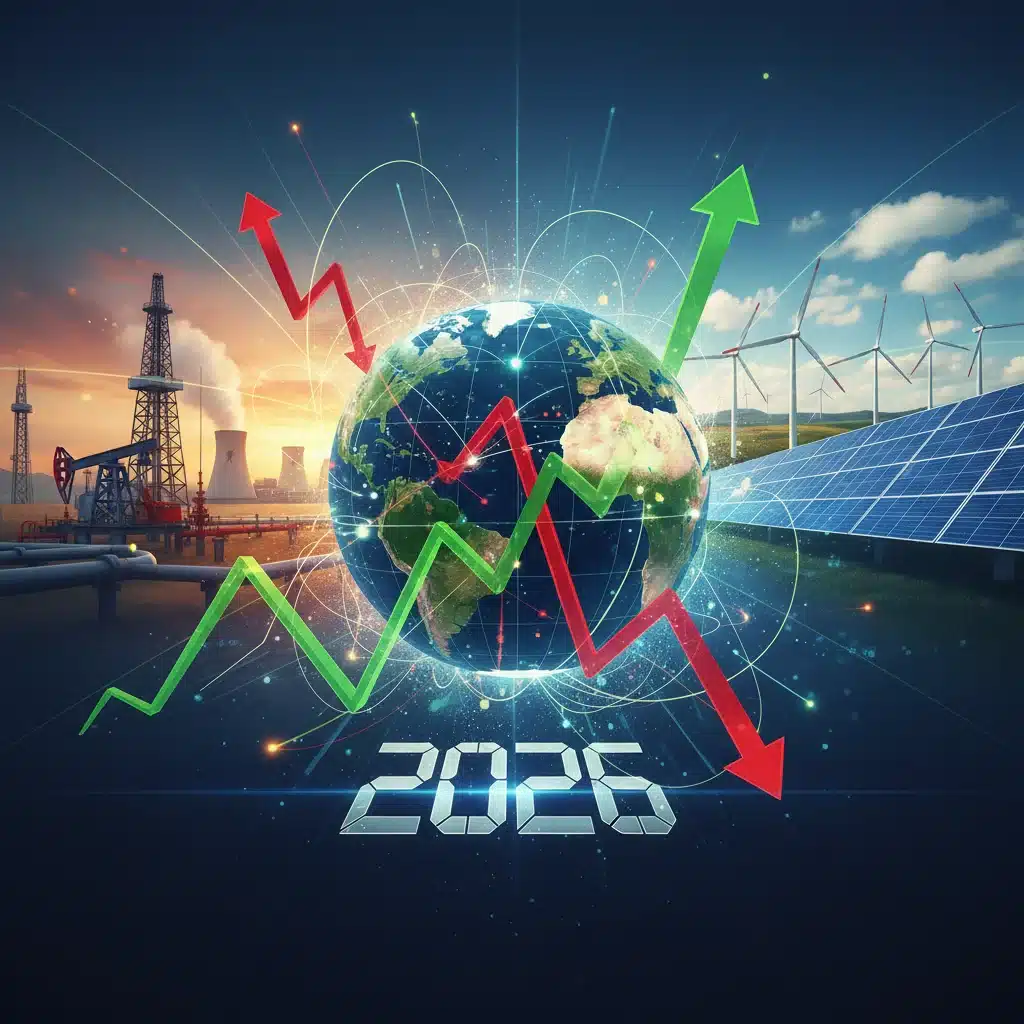
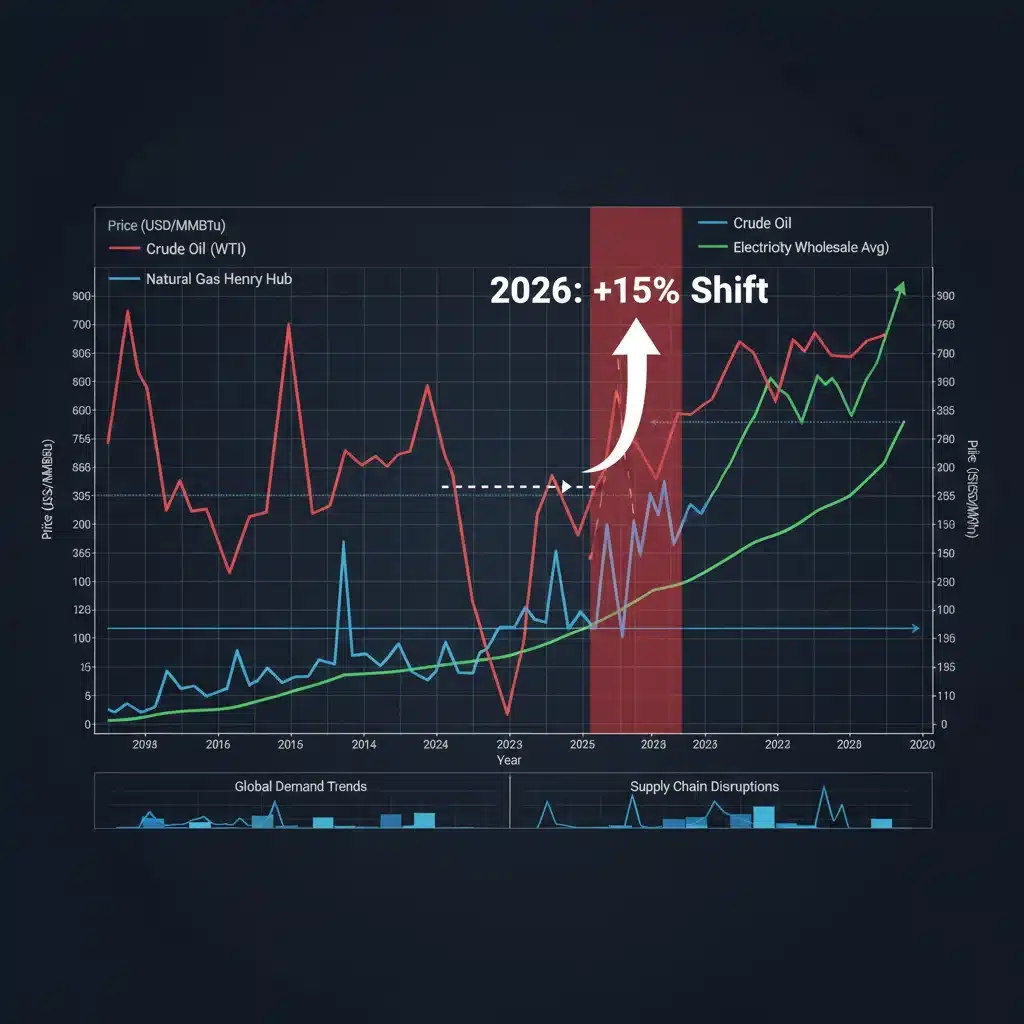
The global energy landscape is perpetually in motion, a complex interplay of geopolitical forces, technological advancements, environmental imperatives, and economic shifts. As we gaze forward to 2026, the indicators are clear: a significant transformation is on the horizon for energy markets. Experts are forecasting a substantial 15% shift in energy prices this year, a development that promises to reshape everything from household budgets to industrial strategies. Understanding the intricacies of this 2026 energy market forecast is not merely an academic exercise; it’s a critical necessity for businesses, policymakers, and individual consumers alike.
This comprehensive analysis delves deep into the factors driving this anticipated volatility, examining the supply and demand dynamics, geopolitical tensions, the accelerating pace of renewable energy adoption, and the evolving regulatory environment. We will explore how these interconnected elements converge to create a market ripe for change, and what the implications of a 15% price shift could mean across various sectors. Prepare to navigate the complexities of the future energy landscape with a clearer understanding of the forces at play and strategies to mitigate potential risks and capitalize on emerging opportunities.
Anúncios
Decoding the 2026 Energy Market Forecast: The 15% Price Shift Explained
The prediction of a 15% shift in energy prices for 2026 is a headline-grabbing figure, but what exactly does it signify? This forecast doesn’t necessarily imply a uniform increase or decrease across all energy types. Instead, it suggests a significant overall movement in the average cost of energy, likely driven by a combination of upward pressure on some commodities and downward pressure on others. This anticipated volatility is a hallmark of modern energy markets, which are increasingly susceptible to rapid changes due to a confluence of global events.
Key Drivers Behind the Projected 15% Shift
Several fundamental factors are converging to create this anticipated shift in the 2026 energy market forecast. Each plays a crucial role in shaping the supply-demand balance and, consequently, the price of energy:
- Geopolitical Instability: Conflicts, sanctions, and political tensions in major energy-producing regions can severely disrupt supply chains, leading to immediate price hikes. The past few years have demonstrated the profound impact of such events on global oil and gas markets, and this remains a potent variable for 2026.
- Supply-Demand Dynamics: Global economic growth, or contraction, directly influences energy demand. A robust global economy typically leads to higher demand for oil, gas, and electricity, pushing prices up. Conversely, an economic slowdown can reduce demand and exert downward pressure. Supply-side factors, including OPEC+ decisions on oil production, natural gas extraction rates, and the operational status of nuclear power plants, are equally critical.
- Renewable Energy Penetration: The accelerating adoption of solar, wind, and other renewable energy sources is fundamentally altering the energy mix. While renewables offer long-term price stability and reduce reliance on fossil fuels, their intermittent nature can create short-term grid instability and influence wholesale electricity prices. The cost of renewable technologies continues to fall, making them increasingly competitive and impacting traditional energy sources.
- Regulatory and Policy Changes: Government policies, including carbon taxes, subsidies for renewable energy, emissions standards, and international climate agreements, play a significant role in shaping investment decisions and operational costs for energy producers. These policies can either incentivize or disincentivize certain energy sources, thereby influencing their market price.
- Technological Advancements: Innovations in energy storage, grid management, and energy efficiency are continually evolving. Breakthroughs in battery technology, for example, could significantly enhance the reliability of renewable energy, while advancements in carbon capture could extend the viability of fossil fuels under stricter environmental regulations.
Understanding the interplay of these drivers is paramount to grasping the full scope of the 2026 energy market forecast. The 15% shift is not a random number; it’s a calculated projection based on a sophisticated analysis of these complex and often unpredictable variables.
Anúncios
The Impact of Geopolitical Events on Energy Prices
History has repeatedly shown that geopolitical events are potent catalysts for volatility in energy markets. The 2026 energy market forecast is no exception, with ongoing and potential future conflicts, trade disputes, and political realignments posing significant risks and opportunities. Regions like the Middle East, Eastern Europe, and key shipping lanes remain focal points for potential disruptions that can send ripples across the global energy supply chain.
Regional Hotspots and Their Energy Implications
- Middle East: As a major oil and gas producer, any instability in this region, whether due to internal conflicts, regional power struggles, or attacks on energy infrastructure, can immediately impact crude oil prices. Blockades of critical chokepoints, such as the Strait of Hormuz, could have catastrophic effects on global oil supply.
- Eastern Europe: The ongoing situation in Eastern Europe continues to redefine natural gas flows and pricing, particularly for European markets. Diversification efforts are underway, but the transition is neither swift nor without cost, influencing global LNG demand and pricing.
- Venezuela and Other Sanctioned Nations: Changes in international sanctions against countries with significant oil reserves, such as Venezuela, could either unleash new supply onto the market or restrict existing flows, affecting global crude balances.
Beyond direct supply disruptions, geopolitical tensions can also influence investment decisions. Companies may hesitate to invest in exploration or infrastructure in politically unstable regions, potentially leading to future supply shortages. Furthermore, the politicization of energy resources can lead to strategic stockpiling or deliberate reductions in output, further distorting market prices. The 2026 energy market forecast must therefore factor in a high degree of geopolitical uncertainty, making risk management and diversified energy strategies more crucial than ever.
Supply and Demand Dynamics: A Delicate Balance
At the heart of any price forecast lies the fundamental economic principle of supply and demand. For the 2026 energy market forecast, understanding this delicate balance is key to anticipating the 15% price shift. Global economic health, population growth, and industrial activity are primary drivers of demand, while production capacity, technological extraction methods, and resource availability dictate supply.
Global Economic Outlook and Energy Demand
Economic projections for 2026 suggest a mixed global picture. While some major economies are expected to see moderate growth, others may face headwinds. This uneven growth trajectory will create varied demand patterns:
- Emerging Markets: Rapid industrialization and urbanization in emerging economies, particularly in Asia, will continue to fuel robust demand for all forms of energy, especially electricity and transportation fuels.
- Developed Economies: Demand growth in developed nations may be more subdued, influenced by energy efficiency measures, aging infrastructure, and a faster transition towards electrification and renewable sources.
On the supply side, the decisions of major producers hold immense sway. OPEC+ production quotas, the pace of shale oil and gas extraction in the United States, and investment levels in new conventional oil and gas fields will directly impact global availability. Any significant underinvestment in new production, coupled with steady demand, could easily lead to supply deficits and upward price pressure, contributing to the predicted 15% shift.
The Accelerating Role of Renewable Energy
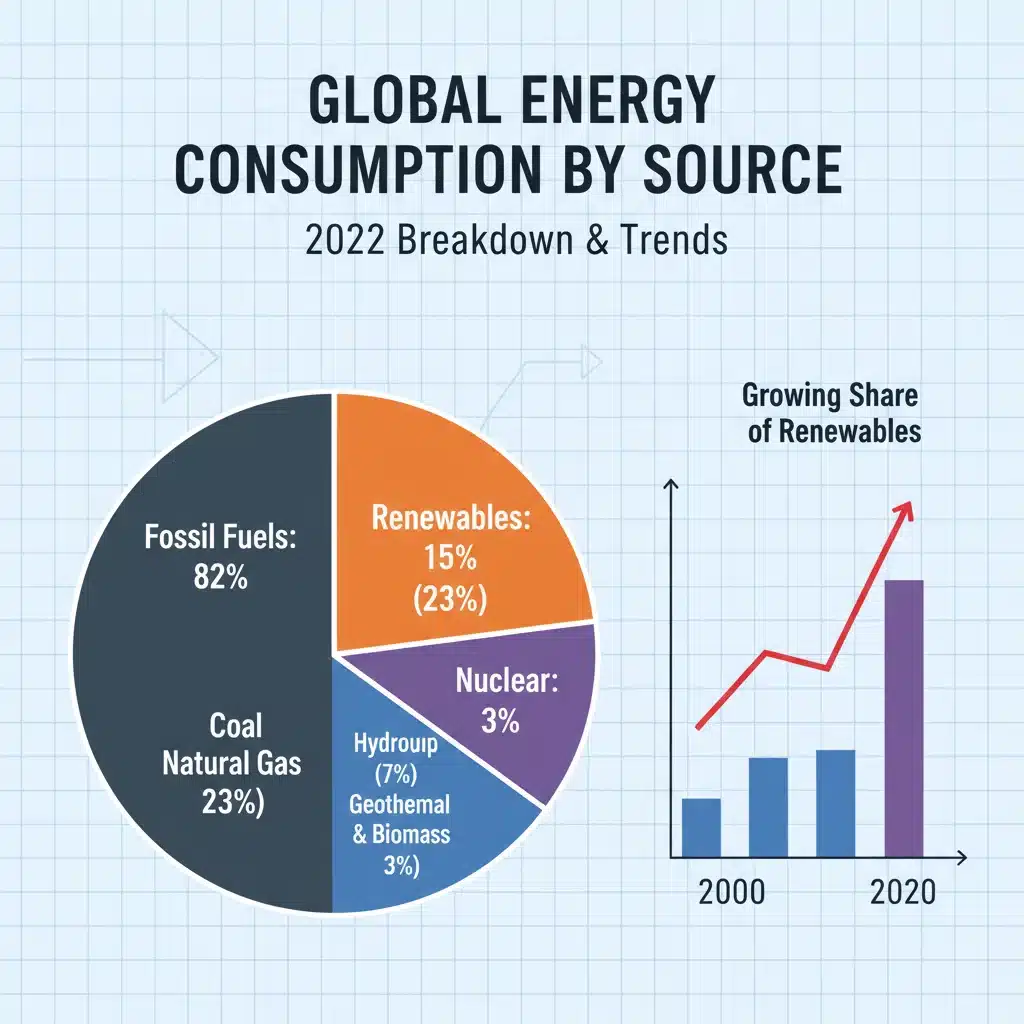
The transition to renewable energy sources is not just an environmental imperative; it’s a powerful economic force fundamentally reshaping the 2026 energy market forecast. Solar, wind, hydropower, and geothermal energy are becoming increasingly cost-competitive, challenging the dominance of fossil fuels and influencing overall energy prices. The 15% price shift cannot be fully comprehended without analyzing the profound impact of this green revolution.
Renewables: Disruptors and Stabilizers
- Cost Reductions: The levelized cost of electricity (LCOE) for solar and wind power has fallen dramatically over the past decade, making them the cheapest forms of new electricity generation in many regions. This downward pressure on electricity generation costs can, in turn, influence wholesale electricity prices.
- Grid Integration Challenges: While renewables offer long-term price stability by reducing fuel costs, their intermittent nature (e.g., solar only works when the sun shines, wind when the wind blows) poses challenges for grid stability. Significant investments in grid modernization, energy storage solutions (like batteries), and smart grid technologies are necessary to manage this variability, and these costs can be passed on to consumers.
- Displacing Fossil Fuels: As renewable capacity grows, it displaces a certain amount of fossil fuel-based generation, potentially reducing demand for natural gas and coal. This dynamic can exert downward pressure on the prices of these traditional fuels, especially in regions with high renewable penetration.
- Investment Trends: Global investment in renewable energy continues to outpace that in fossil fuels. This sustained investment signals a long-term shift, but also means that the build-out phase for new renewable infrastructure will continue to be a significant economic activity.
The 2026 energy market forecast must account for the dual role of renewables: they are both a source of potential price stabilization (due to lower operating costs) and a source of market disruption (due to grid integration complexities and their impact on traditional energy demand). The balance struck between these forces will be crucial in determining the ultimate direction and magnitude of the 15% price shift.
Regulatory Frameworks and Policy Directives
Government policies and regulatory frameworks are not passive observers in the energy market; they are active shapers, capable of significantly influencing supply, demand, and prices. For the 2026 energy market forecast, anticipated shifts in legislation, environmental mandates, and international agreements will play a pivotal role in the predicted 15% price movement.
Key Policy Areas to Watch
- Carbon Pricing Mechanisms: The expansion or tightening of carbon taxes, emissions trading schemes (ETS), and other carbon pricing mechanisms will directly increase the operating costs for fossil fuel-based power generation and industrial processes. This cost will likely be passed on to consumers, contributing to higher overall energy prices for certain sectors.
- Renewable Energy Incentives: Continued or new subsidies, tax credits, and mandates for renewable energy deployment will accelerate the transition away from fossil fuels. While these incentives aim to make green energy more accessible, the funding mechanisms for these programs can indirectly affect energy costs.
- Energy Efficiency Standards: Stricter building codes, appliance efficiency standards, and industrial energy use regulations can reduce overall energy demand. Over time, this reduction in demand can exert downward pressure on prices, though the initial investment costs for efficiency upgrades might be significant.
- International Climate Agreements: Commitments made under international accords like the Paris Agreement drive national policies. As countries strive to meet their Nationally Determined Contributions (NDCs), the regulatory landscape for energy production and consumption will continue to evolve, with potentially significant impacts on the 2026 energy market forecast.
The interplay of these policies can create a complex web of incentives and disincentives that ultimately affect energy investment, production costs, and consumer prices. A sudden shift in policy direction in a major economy could easily alter the trajectory of the 15% price shift, emphasizing the need for businesses to remain agile and adaptable.
Technological Innovations and Their Market Influence
Beyond policy and geopolitics, the relentless march of technological innovation is a powerful, albeit sometimes less predictable, force shaping the 2026 energy market forecast. Breakthroughs in energy production, storage, transmission, and consumption can fundamentally alter cost structures and market dynamics, contributing to the anticipated 15% price shift.
Game-Changing Technologies
- Advanced Energy Storage: Improvements in battery technology (e.g., lithium-ion, solid-state, flow batteries) are crucial for integrating intermittent renewables. As storage costs fall and capacities increase, grids become more stable, and the value of stored energy can influence peak electricity prices. Beyond batteries, advancements in hydrogen production and storage also hold immense potential.
- Smart Grids and Digitization: The deployment of smart grids, enabled by AI, IoT, and advanced analytics, allows for more efficient management of energy supply and demand. This optimization can reduce waste, improve reliability, and potentially lower overall system costs, impacting the 2026 energy market forecast.
- Carbon Capture, Utilization, and Storage (CCUS): For industries reliant on fossil fuels, CCUS technologies offer a pathway to reduce emissions. While still costly, advancements could make them more economically viable, potentially extending the lifespan of certain fossil fuel assets under stricter environmental regulations.
- Modular Nuclear Reactors (SMRs): Small Modular Reactors (SMRs) offer a potentially safer, more flexible, and quicker-to-deploy alternative to traditional large-scale nuclear power plants. If SMRs gain traction, they could provide a stable, low-carbon baseload power source, influencing electricity prices and the overall energy mix.
These technological advancements don’t just happen in a vacuum; they interact with policies and market forces. Government funding for R&D, venture capital investment, and regulatory approval processes all play a role in how quickly these innovations move from the lab to commercial deployment. Their impact on the 2026 energy market forecast will depend on the pace of adoption and their ability to scale efficiently.
Regional Variations in Energy Price Shifts
While a global 15% shift is projected for the 2026 energy market forecast, it’s crucial to recognize that energy markets are inherently regional. Local supply-demand dynamics, infrastructure, regulatory environments, and proximity to major energy sources mean that the impact of this shift will vary significantly from one part of the world to another.
How Different Regions Will Be Affected
- Europe: Still heavily influenced by natural gas prices and the ongoing energy transition, Europe is likely to see continued volatility. Increased renewable capacity might temper some increases, but reliance on imported LNG and carbon pricing mechanisms will keep prices sensitive.
- North America: With abundant shale oil and gas resources, North America often experiences more stable, and generally lower, energy prices compared to other regions. However, increasing demand for electricity due to electrification and extreme weather events can still lead to localized price spikes.
- Asia-Pacific: As the engine of global economic growth, this region’s demand for energy is immense. Countries heavily reliant on energy imports will be particularly sensitive to global price movements, while those investing heavily in renewables may see more stable long-term prices, albeit with initial infrastructure costs.
- Africa and South America: These continents present a diverse energy landscape. Resource-rich nations might benefit from higher commodity prices, while others grappling with energy poverty could face significant challenges if prices rise. Investment in renewable energy infrastructure is growing but faces unique financing and logistical hurdles.
Businesses operating across multiple geographies must therefore adopt a nuanced approach, understanding that a global 15% shift translates into distinct regional impacts. Hedging strategies, localized energy procurement, and diversified energy portfolios will be essential for managing risk and optimizing costs in the varied 2026 energy market forecast.
Strategies for Businesses and Consumers to Adapt
The anticipated 15% shift in the 2026 energy market forecast presents both challenges and opportunities. Proactive planning and strategic adjustments will be crucial for businesses to maintain profitability and for consumers to manage household budgets effectively. Complacency in the face of such significant market changes is not an option.
For Businesses:
- Energy Efficiency Investments: Investing in energy-efficient equipment, processes, and building management systems can significantly reduce operational costs, insulating businesses from price volatility. This is a no-regrets strategy regardless of the direction of the 2026 energy market forecast.
- Diversify Energy Sources: Explore options for on-site renewable energy generation (solar panels), power purchase agreements (PPAs) for renewable electricity, or switching to alternative fuels where feasible. Diversification reduces reliance on a single, potentially volatile, energy source.
- Hedging Strategies: Larger energy consumers can consider financial hedging instruments to lock in energy prices for future periods, providing certainty against upward price movements.
- Supply Chain Resilience: Assess the energy intensity of your supply chain and work with suppliers to identify and mitigate energy-related risks.
- Data Analytics: Utilize energy monitoring and data analytics to identify consumption patterns, optimize usage, and predict future energy needs more accurately.
For Consumers:
- Home Energy Audits: Identify areas of energy waste in your home and implement improvements like better insulation, weather-stripping, and efficient windows.
- Appliance Upgrades: Replace old, inefficient appliances with ENERGY STAR certified models. While an upfront cost, the long-term savings can be substantial.
- Smart Home Technology: Install smart thermostats and lighting systems to optimize energy use and reduce consumption when not needed.
- Consider Renewable Options: Explore rooftop solar panels or community solar programs if available in your area.
- Budgeting and Awareness: Monitor your energy consumption and adjust habits. Understanding your energy bill and the factors that influence it can help in budgeting for the 2026 energy market forecast.
By adopting these proactive strategies, both businesses and consumers can navigate the complexities of the 2026 energy market forecast more effectively, turning potential challenges into opportunities for greater efficiency and resilience.
The Future Outlook: Beyond 2026
While our immediate focus is on the 2026 energy market forecast and its projected 15% price shift, it’s vital to consider the longer-term trajectory of global energy. The forces at play today are not isolated events but rather part of a continuous evolution that will define the energy landscape for decades to come. Looking beyond 2026, several mega-trends are expected to solidify and further transform how we produce, consume, and value energy.
Long-Term Energy Trends
- Deep Decarbonization: The global push towards net-zero emissions will intensify, leading to more aggressive policies and greater investment in renewable energy, carbon capture technologies, and electrification of transport and industry. This will likely reduce reliance on fossil fuels further, though the transition pace will vary by region.
- Electrification of Everything: As electricity becomes cleaner and more affordable, there will be a continued trend towards electrifying sectors traditionally reliant on fossil fuels, such as transportation (EVs), heating (heat pumps), and industrial processes. This will put increasing pressure on electricity grids and require substantial infrastructure upgrades.
- Hydrogen Economy: Green hydrogen, produced from renewable energy, is emerging as a critical vector for decarbonizing hard-to-abate sectors like heavy industry, long-haul transport, and aviation. Significant investments in hydrogen production, distribution, and storage are anticipated post-2026.
- Energy Security Redefined: As the energy mix diversifies, energy security will shift from primarily ensuring fossil fuel supply to securing critical minerals for batteries and renewables, protecting digital energy infrastructure from cyber threats, and ensuring grid resilience against extreme weather.
- Decentralization and Digitization: The trend towards more localized energy generation (e.g., rooftop solar, microgrids) combined with advanced digital technologies (AI, blockchain) will create a more distributed, intelligent, and responsive energy system. This could empower consumers and communities with greater control over their energy use and costs.
The 2026 energy market forecast is a critical waypoint in this larger journey. The 15% price shift serves as a potent reminder that the energy transition is not linear but dynamic and subject to numerous influences. Businesses and governments that anticipate these long-term trends and integrate them into their strategic planning will be best positioned to thrive in the evolving energy paradigm.
Conclusion: Navigating the Evolving Energy Landscape
The 2026 energy market forecast, with its projected 15% price shift, underscores a period of significant transition and heightened volatility. We’ve explored the multifaceted drivers behind this prediction, from geopolitical tensions and supply-demand imbalances to the transformative power of renewable energy and technological innovation. Each factor plays a crucial role in shaping the complex tapestry of global energy markets.
For businesses, this forecast demands agility, strategic investment in energy efficiency, and diversification of energy sources. For consumers, it highlights the importance of informed decision-making, energy conservation, and exploring renewable options. The regional variations in impact mean that a one-size-fits-all approach is insufficient; tailored strategies will be essential for effective navigation.
Looking beyond 2026, the trajectory towards deep decarbonization, electrification, and a more decentralized, digitized energy system is clear. The challenges are substantial, but so too are the opportunities for innovation, efficiency, and sustainability. By understanding the forces at play and adapting proactively, we can collectively build a more resilient, affordable, and environmentally responsible energy future.
The 2026 energy market forecast is not just a prediction of price movements; it’s a call to action for everyone involved in the energy ecosystem to prepare for an era of dynamic change and seize the opportunities that arise from this pivotal shift.
Author