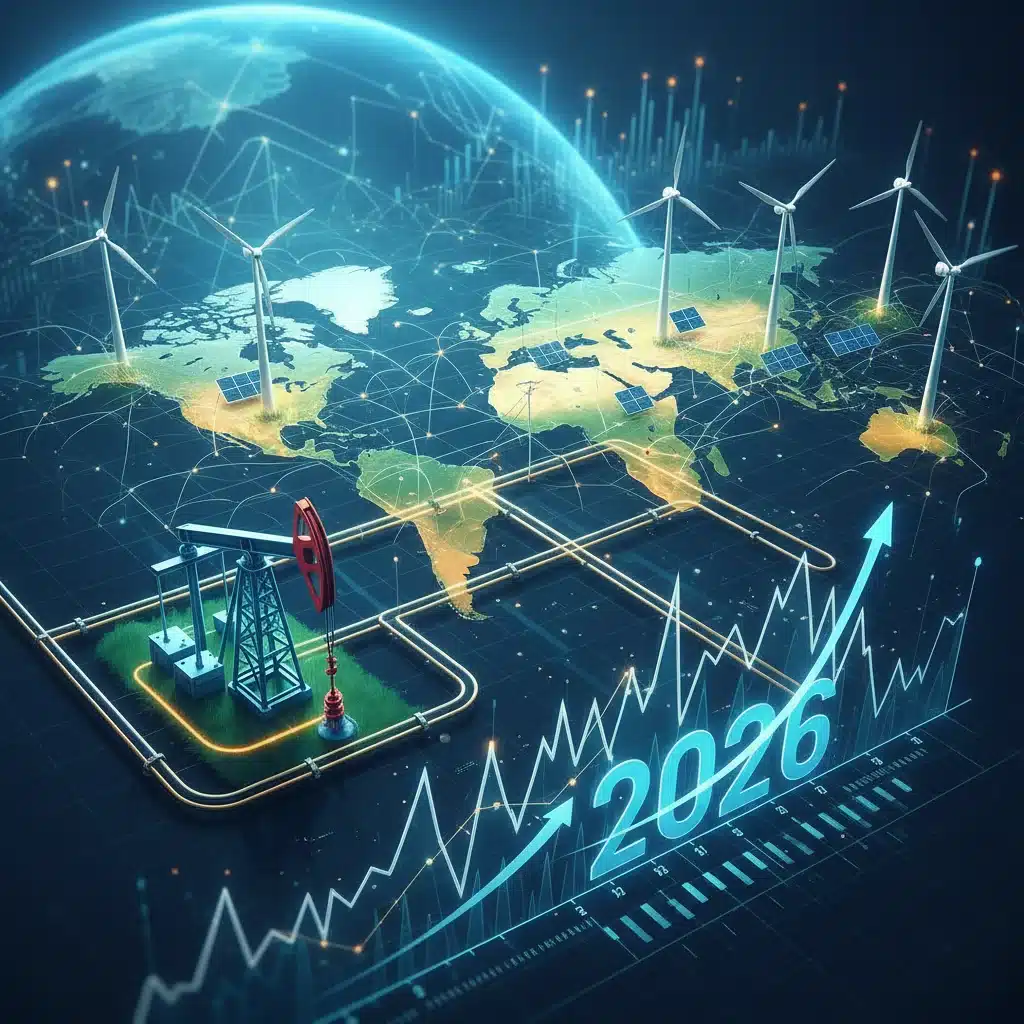
The global energy landscape is a dynamic and often unpredictable arena, constantly shaped by a confluence of economic, political, and environmental forces. As we look ahead to 2026, the prospect of significant volatility in energy prices looms large, with forecasts suggesting a potential 10% fluctuation that could send ripples throughout the global economy. Understanding the drivers behind this anticipated instability and its far-reaching consequences is paramount for policymakers, businesses, and consumers alike.
This comprehensive analysis will delve into the multifaceted factors contributing to the projected energy prices 2026 volatility, explore the potential economic impacts across various sectors, and outline strategic responses to mitigate risks and capitalize on emerging opportunities. From geopolitical tensions and supply-demand imbalances to the accelerating energy transition and technological advancements, each element plays a critical role in shaping the future of energy markets.
Anúncios
The Shifting Sands of Supply and Demand in 2026
The fundamental principles of supply and demand remain the bedrock of energy price determination. However, in 2026, these forces are expected to be particularly turbulent. On the supply side, several factors will be at play. Traditional fossil fuel producers, particularly OPEC+ nations, will continue to wield significant influence over global oil output. Their decisions regarding production cuts or increases, often driven by internal economic needs or geopolitical strategies, can swiftly alter market dynamics. Similarly, the pace of shale oil production in the United States will remain a critical variable. Technological advancements and drilling efficiency can lead to rapid supply responses, but these are also subject to capital availability and environmental regulations.
Natural gas markets are also facing their own set of supply challenges. The ongoing conflict in Eastern Europe has fundamentally reshaped global gas flows, with Europe increasingly relying on liquefied natural gas (LNG) imports. This shift has created a more interconnected but also more vulnerable global gas market, where disruptions in one region can have cascading effects worldwide. New LNG export terminals coming online by 2026 will add capacity, but their impact on price stability will depend on the consistency of supply and the absence of unforeseen outages.
On the demand side, the global economic outlook will be a primary determinant. A robust global economic recovery would naturally drive higher energy consumption across industrial, commercial, and transportation sectors. Conversely, an economic slowdown or recession could depress demand, leading to downward pressure on energy prices 2026. The pace of urbanization and industrialization in developing economies, particularly in Asia, will also contribute significantly to overall energy demand growth.
Anúncios
Furthermore, the increasing adoption of electric vehicles (EVs) and energy-efficient technologies will begin to have a more noticeable, albeit gradual, impact on demand for traditional fuels. While unlikely to dramatically alter the overall picture by 2026, the trajectory of this transition will be a key indicator for future energy market trends. The interplay of these complex supply and demand factors creates an environment ripe for the predicted 10% volatility.
Geopolitical Undercurrents and Energy Market Instability
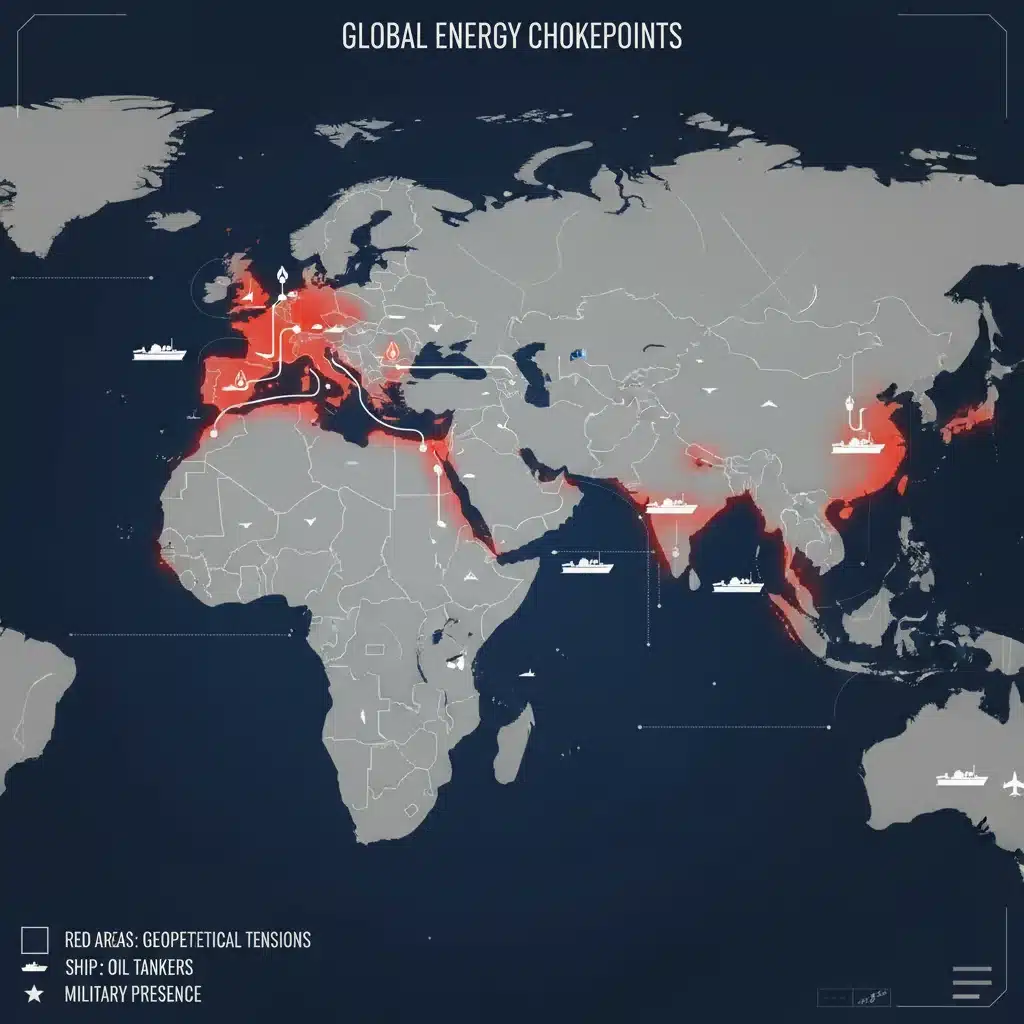
Geopolitics has historically been a significant catalyst for energy price fluctuations, and 2026 is unlikely to be an exception. The intricate web of international relations, conflicts, and alliances directly impacts the stability of energy supply routes and the willingness of nations to trade. Ongoing tensions in key oil-producing regions, such as the Middle East, or disruptions to critical shipping lanes, like the Strait of Hormuz or the Suez Canal, can lead to immediate and dramatic price spikes. The potential for such events adds a layer of unpredictable risk to the geopolitical developments 2026 forecast.
Moreover, the strategic competition between major global powers can manifest in energy-related policies, including sanctions, trade restrictions, and energy infrastructure investments. For instance, policies aimed at diversifying energy sources away from politically sensitive regions, while beneficial for long-term security, can create short-term market imbalances. The weaponization of energy, as witnessed in recent years, underscores the vulnerability of global markets to political maneuvering.
Cybersecurity threats to energy infrastructure also represent an emerging geopolitical risk. Attacks on pipelines, power grids, or oil refineries could cause significant supply disruptions and fuel price spikes. As nations become increasingly reliant on digital systems for managing their energy networks, the potential for state-sponsored or criminal cyberattacks to impact energy prices 2026 cannot be underestimated.
The Accelerating Energy Transition and Its Market Impact
The global push towards decarbonization and the transition to cleaner energy sources are fundamental forces reshaping energy markets. While the long-term goal is to reduce reliance on fossil fuels, the transition itself introduces considerable short-term volatility. Investments in renewable energy technologies, such as solar and wind, are surging, but their intermittent nature requires robust grid infrastructure and energy storage solutions, which are still developing.
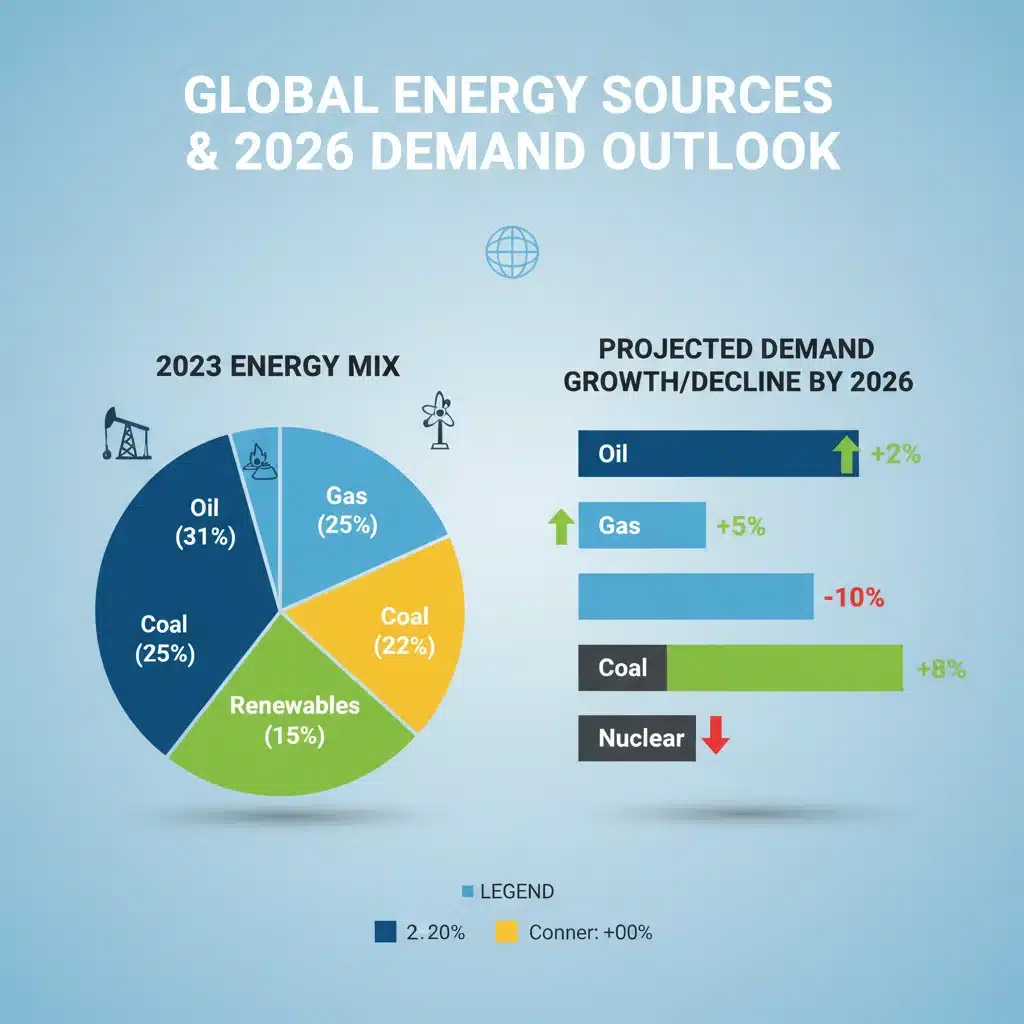
Government policies, including carbon pricing, subsidies for renewables, and regulations on emissions, will play a crucial role in directing investment and influencing the energy mix. Divergent policies across different countries can create market inefficiencies and price disparities. For example, countries with aggressive decarbonization targets might see higher electricity prices due to increased renewable integration costs, while those lagging might face international pressure or carbon border adjustments.
The role of natural gas as a ‘transition fuel’ is also a point of contention and market uncertainty. While cleaner than coal, its future is debated, impacting investment decisions in new gas infrastructure. The pace at which battery storage technology improves and becomes more cost-effective will also be a critical factor, as it directly impacts the reliability and dispatchability of renewable energy, thereby influencing the overall energy prices 2026.
Economic Consequences of 10% Energy Price Volatility
A 10% volatility in energy prices 2026, whether upward or downward, carries significant economic ramifications for businesses, governments, and households worldwide. Such fluctuations can disrupt supply chains, alter consumer spending patterns, and impact inflationary pressures.
Impact on Businesses:
- Manufacturing and Transportation: Energy-intensive industries, such as manufacturing, chemicals, and transportation, are particularly vulnerable. Higher energy costs directly translate to increased operational expenses, potentially squeezing profit margins or forcing companies to pass costs onto consumers, which can dampen demand. Volatility makes long-term planning and budgeting exceptionally difficult.
- Commodity Markets: Energy is a key input for many other commodities. Fluctuations can have a ripple effect on agricultural products (due to fertilizer and transportation costs), metals (due to smelting processes), and plastics.
- Investment Decisions: Uncertainty in energy prices can deter investment in new projects, especially those with long lead times and high capital requirements, whether in traditional energy production or renewable infrastructure.
Impact on Governments:
- Fiscal Stability: Energy-importing nations can see their trade balances worsen and their national currencies weaken during periods of high prices. Energy-exporting nations, conversely, might experience revenue windfalls, but also face the challenge of managing volatile income streams.
- Inflation: Energy price spikes are a significant driver of inflation, necessitating central bank interventions through interest rate adjustments, which can slow economic growth. Sustained volatility makes inflation targeting more challenging.
- Social Unrest: High energy prices, particularly for household electricity and fuel, can lead to increased living costs and potential social unrest, putting pressure on governments to implement subsidies or price caps.
Impact on Households:
- Cost of Living: Consumers directly feel the impact through higher utility bills, increased gasoline prices, and more expensive goods and services as businesses pass on their elevated energy costs. This reduces disposable income and can lead to a decline in overall economic activity.
- Energy Poverty: For lower-income households, volatile and rising energy prices can exacerbate energy poverty, forcing difficult choices between heating, food, and other necessities.
Forecasting Methodologies and Their Limitations
Forecasting energy prices 2026 involves complex models that integrate a vast array of variables. These methodologies typically combine econometric models, which analyze historical data and relationships, with fundamental analysis, which assesses supply, demand, and geopolitical factors. Scenario planning is also crucial, where different assumptions about economic growth, policy changes, and geopolitical events are used to develop a range of potential outcomes.
However, all forecasts come with inherent limitations. The ‘unknown unknowns’ – unforeseen events like new conflicts, technological breakthroughs, or natural disasters – can rapidly invalidate even the most sophisticated models. The increasing interconnectedness of global energy markets also means that local disruptions can quickly become global crises. Furthermore, the psychological element of market sentiment, often driven by news cycles and speculation, can amplify price movements beyond what fundamentals alone would suggest.
The 10% volatility forecast for energy prices 2026 should therefore be viewed not as a definitive prediction, but as a strong indicator of the significant uncertainties and potential for rapid shifts that lie ahead. It underscores the need for robust risk management and agile strategic planning.
Strategic Responses to Energy Price Volatility
Navigating the anticipated volatility in energy prices 2026 requires a multi-pronged strategic approach from all stakeholders.
For Businesses:
- Hedging Strategies: Utilizing financial instruments like futures and options contracts can help companies lock in future energy prices, providing a degree of certainty against upward spikes.
- Energy Efficiency Investments: Investing in energy-efficient machinery, processes, and building management systems can reduce overall energy consumption, making businesses less vulnerable to price fluctuations.
- Diversification of Energy Sources: Exploring options for on-site renewable generation (solar panels), power purchase agreements (PPAs) with renewable energy providers, or switching to alternative fuels can enhance resilience.
- Supply Chain Optimization: Building more resilient and geographically diversified supply chains can mitigate risks associated with regional energy disruptions.
For Governments:
- Strategic Reserves: Maintaining strategic petroleum reserves and other energy stockpiles can provide a buffer against sudden supply shocks.
- Diversification of Energy Mix: Policies promoting a diverse energy mix, including renewables, nuclear, and various fossil fuels, can enhance national energy security and reduce reliance on any single source.
- International Cooperation: Engaging in diplomatic efforts to stabilize geopolitical hotspots and fostering international agreements on energy trade and climate action can contribute to overall market stability.
- Support for Energy Transition: Investing in research and development for renewable technologies, grid modernization, and energy storage is crucial for long-term price stability and environmental goals.
- Social Safety Nets: Implementing programs to support vulnerable households during periods of high energy costs, such as energy assistance programs or targeted subsidies, can mitigate social impacts.
For Consumers:
- Energy-Efficient Homes and Appliances: Investing in insulation, smart thermostats, and energy-efficient appliances can significantly reduce household energy consumption and bills.
- Renewable Energy Adoption: Where feasible, installing rooftop solar panels or participating in community solar programs can reduce reliance on grid electricity and provide long-term cost savings.
- Mindful Consumption: Simple behavioral changes, such as turning off lights, unplugging unused electronics, and optimizing heating/cooling, can collectively make a difference.
The Role of Technology and Innovation
Technological advancements are not only driving the energy transition but also offering solutions to mitigate the impact of price volatility. Innovations in energy storage, such as advanced battery technologies and hydrogen, are crucial for integrating intermittent renewable energy sources into the grid more effectively, thereby enhancing grid stability and potentially reducing price swings. Smart grid technologies, enabled by AI and IoT, can optimize energy distribution and consumption, leading to greater efficiency and responsiveness to market signals.
Furthermore, advancements in carbon capture, utilization, and storage (CCUS) technologies could play a role in allowing for continued, albeit cleaner, use of fossil fuels during the transition period, thereby potentially smoothing out supply-side shocks. Digitalization across the energy value chain, from exploration and production to distribution and consumption, provides better data and analytics, enabling more informed decision-making and potentially reducing operational costs.
The development of new energy sources, such as advanced modular reactors (SMRs) for nuclear power or geothermal energy, could also contribute to a more diversified and stable energy supply in the longer term, moving beyond the immediate energy prices 2026 horizon but influencing future market expectations.
Conclusion: Preparing for a Volatile Energy Future
The forecast of 10% volatility in energy prices 2026 serves as a stark reminder of the complex and interconnected challenges facing the global energy system. From the delicate balance of supply and demand to the unpredictable nature of geopolitics and the transformative pressures of the energy transition, numerous factors are conspiring to create an environment of heightened uncertainty.
The economic consequences of such volatility are far-reaching, impacting everything from corporate balance sheets and government budgets to household incomes and global inflationary trends. However, by understanding these drivers and implementing proactive, strategic responses, stakeholders can not only mitigate risks but also position themselves to thrive in a rapidly evolving energy landscape.
For businesses, this means prioritizing energy efficiency, diversifying energy sources, and employing robust hedging strategies. For governments, it entails fostering energy security through a diversified mix, investing in resilience, and engaging in international cooperation. For consumers, it involves embracing energy-saving practices and considering renewable energy options. The journey to a stable and sustainable energy future is fraught with challenges, but with foresight, innovation, and collaborative action, the anticipated volatility of energy prices 2026 can be navigated successfully, paving the way for a more resilient global economy.