Navigating 2026 Supply Chain Disruptions: Business & Consumer Strategies
Anúncios
Navigating Supply Chain Disruptions in 2026: Economic Strategies for Businesses and Consumers
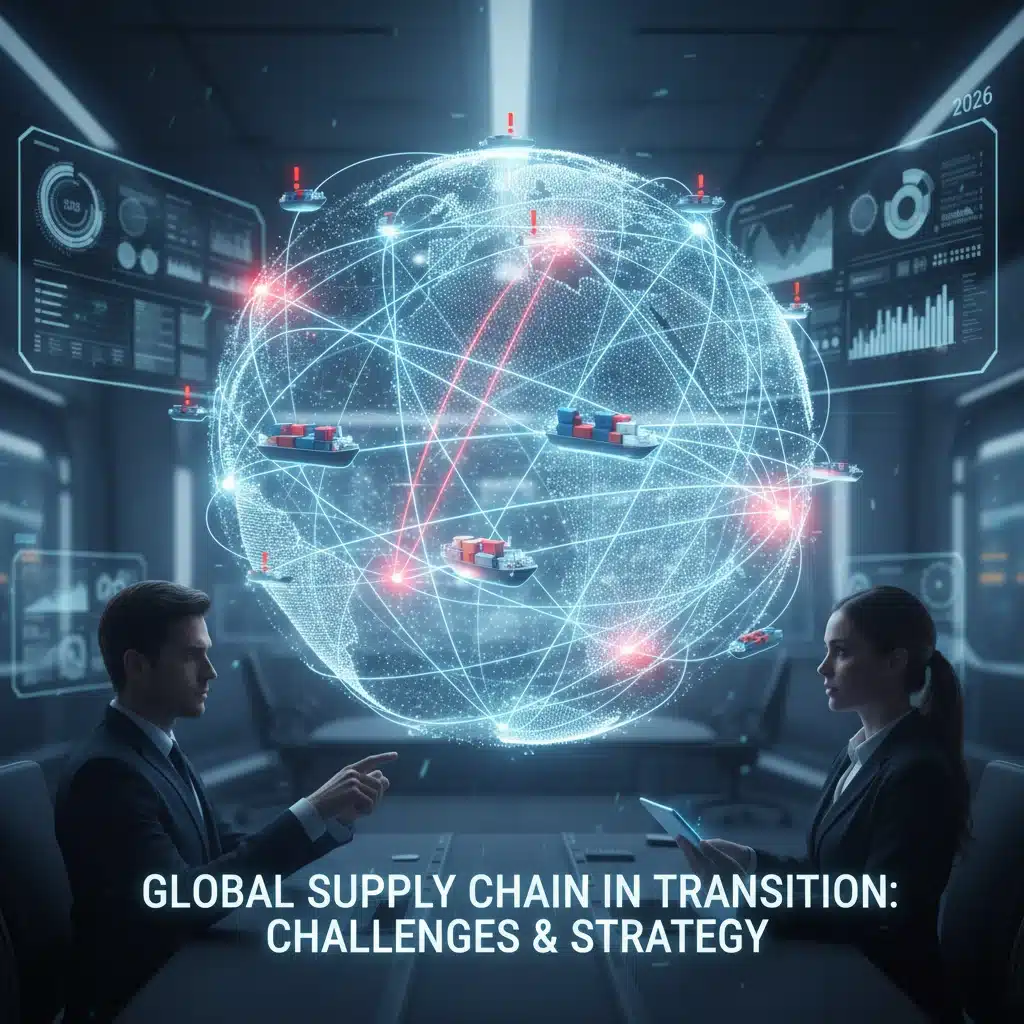
The global economic landscape is in a perpetual state of flux, and the year 2026 is poised to present a unique set of challenges and opportunities, particularly concerning the intricate web of global supply chains. From geopolitical tensions and climate-related events to technological advancements and evolving consumer demands, the factors influencing the flow of goods and services are more dynamic than ever. Understanding and proactively addressing these potential disruptions is not merely an option but a critical imperative for both businesses striving for continuity and consumers seeking stability.
Anúncios
The past few years have served as a stark reminder of how interconnected and fragile our global supply systems can be. What once seemed like isolated incidents can quickly ripple across continents, affecting everything from raw material procurement to the availability of finished products on store shelves. As we look towards 2026, the lessons learned from recent disruptions must inform our strategies. This comprehensive guide delves into the anticipated landscape of supply chain 2026, offering actionable insights and robust strategies for businesses to build resilience and for consumers to navigate potential economic turbulence effectively.
We will explore the multifaceted nature of these disruptions, examining the macro and micro economic forces at play. For businesses, the focus will be on developing agile, adaptable, and robust supply chain models. For consumers, the emphasis will be on informed decision-making, financial preparedness, and understanding market dynamics. By fostering a proactive approach, both businesses and individuals can transform potential crises into opportunities for growth and stability in the face of ongoing global uncertainty.
Understanding the Landscape of Supply Chain Disruptions in 2026
As we project into 2026, several key drivers are likely to shape the nature and frequency of supply chain disruptions. Geopolitical instability remains a significant concern, with ongoing conflicts and trade disputes having the potential to reroute shipping lanes, impose tariffs, and restrict access to critical resources. These events can create bottlenecks and increase costs, directly impacting the availability and pricing of goods. Businesses must closely monitor international relations and develop contingency plans for alternative sourcing and logistics routes to mitigate these risks in the supply chain 2026 environment.
Anúncios
Climate change continues to be a formidable force, manifesting in more frequent and severe weather events. Floods, droughts, hurricanes, and wildfires can devastate production facilities, disrupt transportation infrastructure, and affect agricultural yields, leading to shortages and price volatility. Companies need to integrate climate risk assessments into their supply chain planning, considering geographical diversification of suppliers and adopting sustainable practices to build greater resilience against environmental impacts.
Technological advancements, while offering solutions, also introduce new vulnerabilities. Cyberattacks on critical infrastructure, including logistics networks and data systems, pose a growing threat. A successful cyberattack can cripple operations, halt shipments, and compromise sensitive information. Businesses must invest in robust cybersecurity measures and develop incident response plans to protect their digital supply chain assets. Furthermore, the rapid pace of technological innovation means that companies must continually adapt their processes and infrastructure to remain competitive and secure.
Economic shifts, such as inflation, interest rate fluctuations, and changes in consumer spending patterns, will also play a crucial role. High inflation can increase operational costs for businesses and reduce purchasing power for consumers, affecting demand and profitability. Businesses need to implement dynamic pricing strategies, explore cost-saving measures, and maintain healthy inventory levels without incurring excessive holding costs. For consumers, understanding these economic indicators will be key to managing personal finances and making informed purchasing decisions.
Finally, labor shortages and evolving workforce dynamics will continue to impact the efficiency of supply chains. The availability of skilled labor for manufacturing, logistics, and transportation remains a challenge in many regions. Companies must invest in workforce development, automation where appropriate, and flexible labor models to ensure consistent operational capacity. Addressing these complex and interconnected factors will be paramount for successfully navigating the supply chain 2026 landscape.
Strategies for Businesses: Building Resilience in Supply Chain 2026
For businesses, the overarching goal in 2026 must be to build resilience and agility into their supply chain operations. This involves a multi-pronged approach that moves beyond traditional just-in-time models towards more robust and adaptive systems. The first critical step is enhancing supply chain visibility and transparency. Businesses need real-time data on inventory levels, shipment locations, supplier performance, and potential disruptions. Implementing advanced analytics, AI, and IoT technologies can provide this crucial insight, enabling proactive decision-making rather than reactive responses. Knowing exactly where goods are at any given moment and anticipating potential delays can significantly reduce the impact of unforeseen events.
Diversification of suppliers and geographical sourcing is another cornerstone of resilience. Relying on a single supplier or a single region for critical components or raw materials exposes businesses to immense risk. By establishing relationships with multiple suppliers across different geographical locations, companies can mitigate the impact of localized disruptions, whether they are caused by natural disasters, geopolitical issues, or labor strikes. This might involve higher initial costs but provides invaluable security and continuity in the long run. Exploring nearshoring or reshoring options can also reduce lead times and transportation costs, while simultaneously strengthening regional economies.
Investing in localized production and warehousing facilities can further enhance resilience. By bringing manufacturing or assembly closer to key markets, businesses can reduce reliance on long-distance shipping, shorten delivery times, and respond more quickly to changes in demand. Distributed warehousing networks can also ensure that products are available even if one facility is impacted by a disruption. This strategy not only improves responsiveness but also reduces the carbon footprint associated with global logistics, aligning with growing sustainability goals.
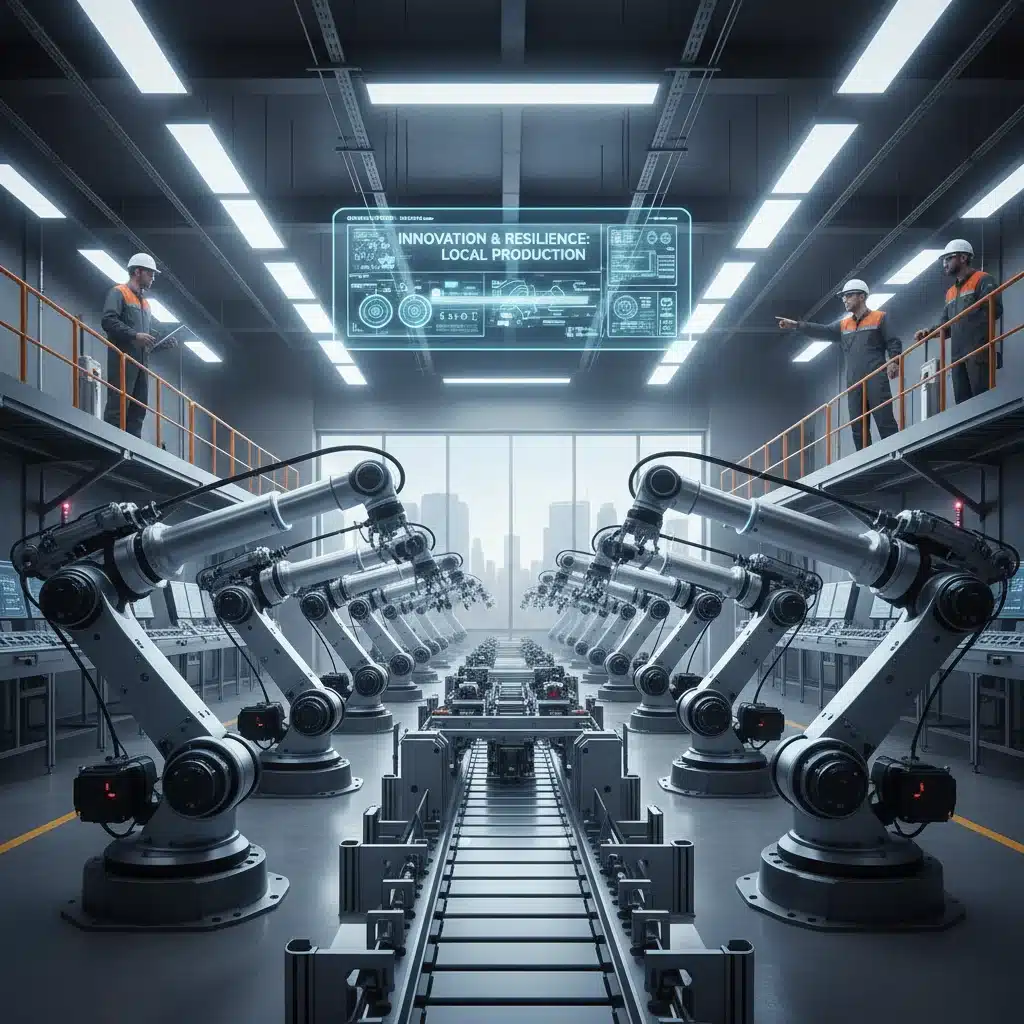
Embracing digital transformation and automation is no longer optional but essential. Automation in warehouses, factories, and logistics operations can increase efficiency, reduce labor dependency, and improve accuracy. Predictive analytics can forecast demand more accurately, optimize inventory levels, and identify potential bottlenecks before they occur. Blockchain technology can enhance traceability and security within the supply chain, providing an immutable record of transactions and product movements. These technologies are vital for creating a smart, responsive, and resilient supply chain 2026.
Developing robust risk management and contingency planning frameworks is also paramount. This involves identifying potential risks, assessing their likelihood and impact, and developing clear protocols for how to respond. Scenario planning, where businesses simulate various disruption scenarios, can help identify weaknesses and refine response strategies. This includes having backup transportation options, alternative manufacturing sites, and clear communication plans for all stakeholders, from suppliers to customers. Regular reviews and updates of these plans are crucial to ensure their continued relevance and effectiveness.
Finally, fostering strong relationships with suppliers and logistics partners is key. Collaborative relationships built on trust and mutual understanding can lead to greater flexibility and support during times of crisis. Sharing information, collaborating on innovation, and establishing clear communication channels can transform a transactional relationship into a strategic partnership, making the entire supply chain more robust. These strategies, when implemented comprehensively, will enable businesses to not only survive but thrive in the dynamic supply chain 2026 environment.
Consumer Preparedness: Navigating Economic Impacts in 2026
Just as businesses must adapt, consumers also need to be prepared for potential economic impacts stemming from supply chain 2026 disruptions. Proactive planning and informed decision-making can significantly mitigate the effects of price volatility, product shortages, and economic uncertainty. The first step is to practice smart budgeting and build an emergency fund. Having a financial cushion can provide stability during periods of inflation or unexpected expenses due to higher prices for essential goods. This fund should ideally cover several months of living expenses, offering peace of mind and flexibility.
Diversifying income streams and skills is another wise strategy. In an unpredictable economic climate, relying on a single source of income can be risky. Exploring side hustles, investing in new skills, or seeking opportunities for professional development can create additional financial security and adaptability. This not only enhances personal resilience but also contributes to a more dynamic and adaptable workforce overall.
Adopting conscious consumption habits is increasingly important. This involves making informed purchasing decisions, prioritizing needs over wants, and seeking out sustainable and locally sourced products. Buying local can reduce reliance on global supply chains, support local economies, and often provide fresher, higher-quality goods. Understanding where products come from and the environmental and social impact of their production can guide consumers towards more responsible choices, which in turn can foster more resilient local supply networks.
Building a household emergency supply is a practical measure against short-term disruptions. This includes non-perishable food, water, essential medications, and other necessities. While not intended for long-term survival, a well-stocked pantry can buffer against temporary shortages caused by localized disruptions, such as extreme weather events or transportation issues. This proactive approach ensures immediate needs are met without contributing to panic buying during a crisis.
Staying informed about economic trends and geopolitical developments is crucial for making timely decisions. Following reputable news sources, understanding inflation rates, interest rate changes, and global events can help consumers anticipate potential impacts on prices and availability. This knowledge empowers individuals to adjust their spending, saving, and investment strategies accordingly. For example, understanding that certain commodities are facing global shortages might prompt earlier purchases of necessary items.
Finally, fostering community resilience is a powerful, yet often overlooked, strategy. Building strong local networks, participating in community gardens, and supporting local businesses can create a robust support system. In times of widespread disruption, community cooperation can be invaluable, whether it’s sharing resources, exchanging skills, or collectively advocating for local solutions. These consumer-focused strategies, when combined, create a robust framework for personal and household preparedness in the face of anticipated supply chain 2026 challenges.
The Role of Technology and Innovation in Supply Chain 2026
Technology and innovation are not just enablers but fundamental drivers of resilience and efficiency in the supply chain 2026 landscape. The adoption of advanced digital tools will differentiate leading businesses from those that struggle to adapt. Artificial Intelligence (AI) and Machine Learning (ML) are revolutionizing demand forecasting, inventory management, and route optimization. AI algorithms can analyze vast datasets to predict consumer behavior, identify potential disruptions, and recommend optimal inventory levels, reducing waste and improving responsiveness. ML can continuously learn from past events, making supply chains smarter and more adaptive over time.
The Internet of Things (IoT) provides unprecedented visibility into the physical flow of goods. Sensors embedded in products, containers, and vehicles can track location, temperature, humidity, and other critical parameters in real-time. This data allows businesses to monitor conditions, detect deviations, and intervene proactively. For instance, temperature-sensitive goods can be monitored throughout their journey, ensuring quality and compliance, and alerting operators to potential spoilage before it becomes a major issue. This real-time monitoring is vital for maintaining product integrity and preventing losses.
Blockchain technology offers a secure and transparent way to manage supply chain data. By creating an immutable, distributed ledger of transactions, blockchain can enhance traceability, verify authenticity, and streamline processes. This is particularly valuable in industries where provenance and ethical sourcing are critical, such as food, pharmaceuticals, and luxury goods. It can also simplify compliance and reduce fraud, building greater trust among supply chain partners.

Automation and robotics are transforming warehouses and manufacturing facilities. Automated guided vehicles (AGVs), robotic arms, and automated storage and retrieval systems (AS/RS) can increase throughput, reduce labor costs, and operate around the clock. This not only improves efficiency but also enhances safety and reduces the impact of labor shortages. Drones are also finding applications in inventory management and last-mile delivery, offering faster and more efficient solutions in certain contexts.
Cloud computing provides the scalable infrastructure needed to support these advanced technologies. It enables businesses to store and process large volumes of data, access powerful applications from anywhere, and collaborate seamlessly across global teams. The flexibility and cost-effectiveness of cloud solutions make them indispensable for modern supply chain management, allowing companies to scale operations up or down as needed without significant upfront investment.
Finally, predictive analytics and digital twins are emerging as powerful tools. Digital twins, virtual replicas of physical supply chain assets or entire networks, allow businesses to simulate various scenarios, test different strategies, and optimize operations in a risk-free environment. Predictive analytics, driven by AI and ML, can forecast demand, identify potential risks, and recommend optimal actions before issues escalate. By leveraging these innovations, businesses can create highly intelligent, resilient, and responsive supply chains ready for the challenges of supply chain 2026.
Government and Policy Interventions for Supply Chain Stability
While businesses and consumers play crucial roles in navigating supply chain 2026 disruptions, government and policy interventions are equally vital for fostering a stable and resilient global trade environment. Governments can implement policies that encourage diversification of sourcing, such as providing incentives for companies to nearshore or reshore production of critical goods. Tax breaks, subsidies, or grants can help offset the initial costs associated with building new domestic manufacturing capabilities or establishing new supplier relationships in different regions.
Investing in critical infrastructure is another key area. This includes upgrading ports, roads, railways, and digital networks to improve the efficiency and reliability of logistics. Bottlenecks in transportation infrastructure can significantly impede the flow of goods, so strategic investments in these areas can have a cascading positive effect throughout the supply chain. Furthermore, ensuring robust cybersecurity infrastructure at a national level protects against large-scale attacks that could cripple essential services and trade.
International cooperation and trade agreements are essential for maintaining open and fair trade routes. Governments can work together to streamline customs procedures, reduce trade barriers, and establish common standards, which can significantly reduce friction and delays in cross-border trade. Multilateral agreements that address issues like intellectual property protection, labor standards, and environmental regulations also contribute to a more predictable and equitable global trading system, which is critical for long-term supply chain stability.
Policy measures to support workforce development and address labor shortages are also crucial. This includes funding for vocational training programs, promoting STEM education, and implementing immigration policies that attract skilled labor where needed. A well-trained and available workforce is fundamental to the smooth operation of manufacturing, logistics, and transportation sectors, all of which are integral to the supply chain. Governments can also facilitate partnerships between educational institutions and industries to ensure that training programs are aligned with current and future labor demands.
Establishing strategic national reserves for critical goods and raw materials can provide a buffer against severe shortages. This might include stockpiles of essential medicines, rare earth minerals, or crucial components for key industries. Such reserves can prevent immediate crises and provide time for supply chains to adapt and recover from major disruptions, ensuring national security and public well-being. This acts as a safety net when commercial supply chains are overwhelmed or compromised.
Finally, regulatory frameworks that promote transparency and accountability within supply chains can help identify and address unethical practices or vulnerabilities. This could involve mandating disclosures regarding sourcing, labor conditions, and environmental impact. Such regulations not only promote responsible business practices but also provide consumers and businesses with better information, enabling more informed decisions and fostering a more ethical and resilient global supply chain. These governmental and policy efforts, combined with private sector initiatives, form a holistic approach to securing the supply chain 2026.
Case Studies and Future Outlook for Supply Chain 2026
Examining past and current events provides valuable lessons for navigating the supply chain 2026 landscape. The semiconductor shortage, for instance, highlighted the extreme vulnerability of industries reliant on highly specialized components from a concentrated geographical area. Companies like major automotive manufacturers learned the hard way about the need for greater diversification and long-term supply agreements. Many are now investing directly in chip manufacturing or forming strategic alliances to secure future supply, demonstrating a shift towards more active supply chain management.
The COVID-19 pandemic underscored the fragility of global logistics and the importance of localized production for essential goods. The scramble for PPE and medical supplies led many nations to re-evaluate their reliance on foreign manufacturing and spurred investments in domestic production capabilities. This trend of nearshoring or reshoring, particularly for critical items, is expected to continue and even accelerate into 2026, driven by both economic and national security considerations.
The Suez Canal blockage by the Ever Given container ship illustrated the immense impact of single-point-of-failure risks in global shipping. This event forced businesses to re-evaluate their reliance on specific choke points and consider alternative shipping routes, even if they are longer or more expensive. It also emphasized the need for real-time tracking and agile rerouting capabilities, highlighting the importance of digital tools in mitigating such disruptions.
Looking ahead to supply chain 2026, several trends are likely to intensify. The push for sustainability will become even more pronounced, with consumers and regulators demanding eco-friendly practices. This will necessitate changes in sourcing, manufacturing processes, and logistics, favoring suppliers with strong environmental credentials. The circular economy, where products and materials are kept in use for as long as possible, will gain traction, requiring businesses to rethink their entire product lifecycle management.
The increasing sophistication of cyber threats means that cybersecurity will be an ongoing and escalating challenge. Supply chains will become prime targets, and businesses will need to continuously invest in robust defenses and rapid response mechanisms. The integration of AI and blockchain will deepen, moving beyond pilot projects to become standard operating procedures for many large enterprises, enhancing efficiency, transparency, and security.
Finally, the human element in the supply chain will remain critical. While automation will reduce manual labor in some areas, the demand for skilled professionals in data analytics, AI management, robotics maintenance, and strategic planning will grow. Businesses that invest in upskilling their workforce and fostering a culture of continuous learning will be better positioned to adapt to the evolving demands of the supply chain 2026. The future supply chain will be characterized by its intelligence, resilience, and adaptability, built on a foundation of technology, strategic planning, and collaborative partnerships.
Conclusion: Embracing a Resilient Future for Supply Chain 2026
The journey towards 2026 presents a complex yet navigable landscape for global supply chains. The persistent threat of geopolitical instability, climate change, technological vulnerabilities, and economic fluctuations necessitates a paradigm shift in how businesses operate and how consumers prepare. The era of lean, just-in-time supply chains, while efficient in stable times, has proven to be brittle in the face of widespread disruption. The future, particularly for supply chain 2026, demands a focus on resilience, adaptability, and proactive risk management.
For businesses, this means embracing comprehensive strategies such as enhanced visibility through digital tools, diversifying supplier networks, investing in localized production, and leveraging cutting-edge technologies like AI, IoT, and blockchain. It requires a commitment to continuous innovation, robust risk assessment, and the cultivation of strong, collaborative relationships across the entire value chain. The goal is not merely to react to disruptions but to anticipate them, build in redundancies, and create systems that can flex and recover quickly. Companies that prioritize these elements will not only mitigate risks but also gain a significant competitive advantage in a volatile market.
Consumers, too, have a vital role to play in fostering economic stability and personal preparedness. By adopting smart budgeting practices, building emergency funds, diversifying income streams, and making conscious consumption choices, individuals can buffer themselves against the economic impacts of supply chain disruptions. Staying informed about global trends and actively participating in community resilience efforts will further empower consumers to navigate potential challenges effectively. Collective preparedness, from individual households to local communities, strengthens the overall economic fabric.
Government and policy interventions are the bedrock upon which a stable and resilient global supply chain can be built. Investments in infrastructure, supportive trade policies, international cooperation, and initiatives for workforce development are crucial. Strategic national reserves and regulatory frameworks that promote transparency and ethical practices further reinforce the system, creating an environment where both businesses and consumers can thrive.
Ultimately, navigating supply chain 2026 disruptions is a shared responsibility. It calls for a collaborative effort among all stakeholders – businesses, consumers, and governments – to build a future that is not just efficient but inherently resilient. By learning from the past, embracing technological advancements, and adopting forward-thinking strategies, we can transform the challenges of 2026 into opportunities for greater stability, sustainability, and prosperity for everyone.
Author