Latest on Supply Chain Disruptions: 3 Key Sectors Facing Challenges in Mid-2026
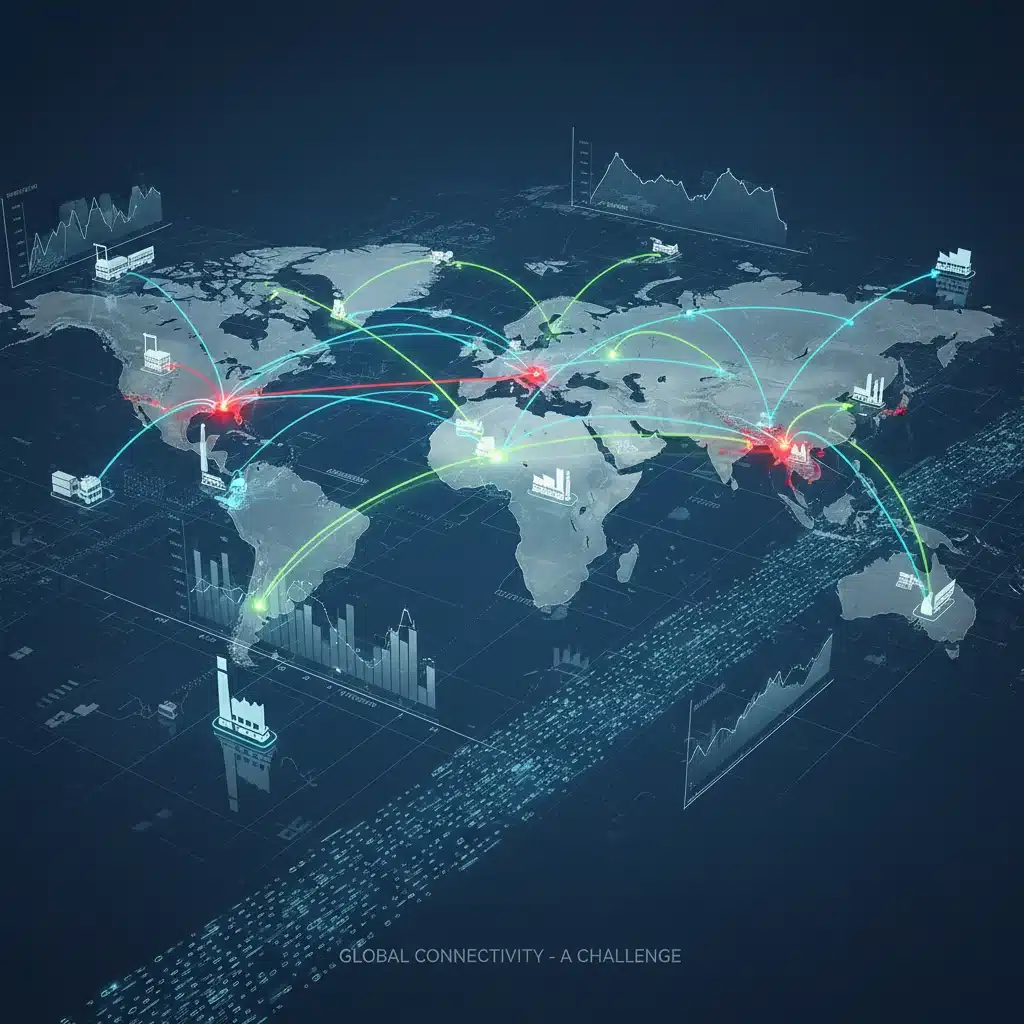
The global economy, ever-dynamic and increasingly interconnected, continues to grapple with persistent and evolving supply chain disruptions. As we navigate mid-2026, it’s clear that the landscape of international trade and logistics remains a complex web of vulnerabilities and opportunities. While some sectors have shown remarkable resilience and adaptability, others are still contending with significant headwinds, impacting production, delivery, and ultimately, consumer prices. Understanding these challenges is paramount for businesses, policymakers, and consumers alike to anticipate and mitigate potential fallout.
The concept of supply chain disruptions has moved from a niche business concern to a mainstream topic, reflecting its profound impact on everyday life. From the availability of the latest gadgets to the cost of groceries and essential medicines, the efficiency and stability of supply chains directly influence our quality of life. This article delves into the specific challenges faced by three pivotal sectors in mid-2026: Technology and Semiconductors, Automotive, and Healthcare and Pharmaceuticals. We will explore the root causes of these disruptions, their far-reaching consequences, and the innovative strategies being employed to build more robust and resilient supply chains for the future.
The world is in a constant state of flux, and supply chains are the arteries through which global commerce flows. When these arteries are blocked or narrowed, the entire system feels the strain. Geopolitical tensions, climate change impacts, labor shortages, and rapid technological advancements all contribute to an environment where predictability is a luxury and adaptability is a necessity. Businesses that fail to recognize these evolving risks and adapt their strategies are likely to find themselves at a significant disadvantage. Therefore, a deep dive into the current state of supply chain disruptions is not just an academic exercise but a critical necessity for strategic planning.
Anúncios
Understanding the Evolving Landscape of Supply Chain Disruptions in Mid-2026
The mid-2020s have proven to be a defining period for global supply chains. The initial shockwaves from the early 2020s have morphed into a more chronic condition, characterized by a series of interconnected challenges. These aren’t just isolated incidents but rather systemic issues that demand a holistic approach. Key factors contributing to ongoing supply chain disruptions include:
- Geopolitical Volatility: Shifting alliances, trade disputes, and regional conflicts continue to introduce uncertainty, leading to tariffs, sanctions, and rerouting of vital trade lanes.
- Climate Change Impacts: Extreme weather events, from droughts affecting agricultural output to severe storms disrupting shipping ports and transportation networks, are becoming more frequent and intense.
- Labor Shortages: A persistent shortage of skilled labor, particularly in logistics, manufacturing, and transportation, continues to strain operational capacity and inflate costs.
- Cybersecurity Threats: Increasingly sophisticated cyberattacks targeting critical infrastructure and logistics systems can bring operations to a standstill, causing widespread delays and financial losses.
- Inflationary Pressures: Rising energy costs, raw material prices, and transportation expenses contribute to higher operational costs, which are often passed on to consumers.
- Technological Advancements and Dependencies: While technology offers solutions, an over-reliance on highly specialized components, like advanced semiconductors, creates single points of failure that can exacerbate disruptions.
These interwoven factors create a volatile environment where companies must constantly monitor, adapt, and innovate to maintain operational continuity. The traditional ‘just-in-time’ inventory models, once lauded for their efficiency, are increasingly being re-evaluated in favor of ‘just-in-case’ strategies that prioritize resilience over lean operations, though finding the right balance remains a critical challenge. The discussion around supply chain disruptions is no longer just about preventing them, but about building systems that can absorb and recover from them quickly.
Anúncios
Sector 1: Technology and Semiconductors – The Heartbeat of Modern Industry
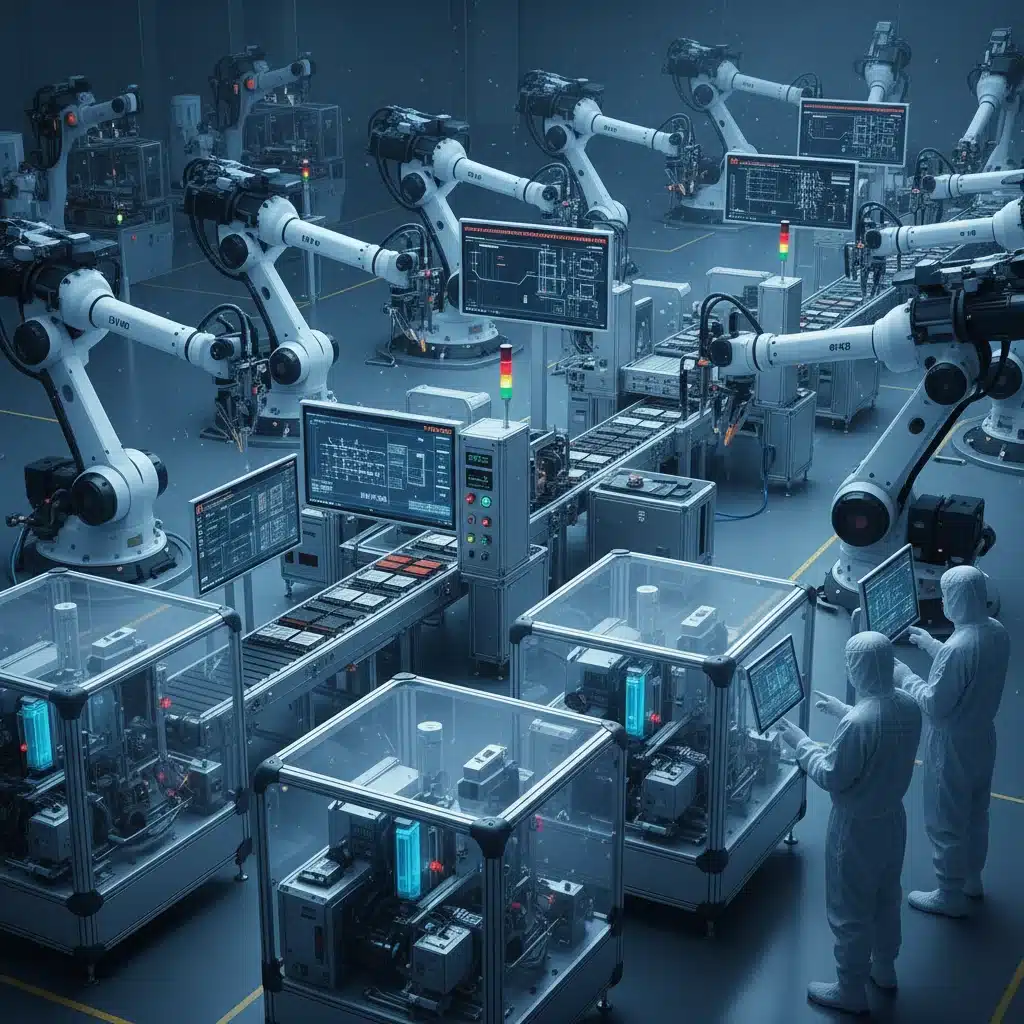
The technology sector, particularly the semiconductor industry, remains at the epicenter of global supply chain disruptions. Semiconductors are the foundational components for virtually every modern electronic device, from smartphones and laptops to automobiles and medical equipment. The intricate manufacturing process, requiring highly specialized equipment, rare earth materials, and a concentrated global production base, makes this sector uniquely vulnerable.
Persistent Chip Shortages and Their Ripple Effects
While some relief was seen in certain segments, the overall chip shortage persists for specific high-demand, high-performance chips, particularly those used in advanced AI, data centers, and sophisticated automotive systems. This isn’t merely a production capacity issue; it’s also about:
- Geopolitical Competition: The race for technological supremacy between major global powers has intensified, leading to export controls, restrictions on technology transfer, and efforts to onshore semiconductor manufacturing, which are costly and time-consuming.
- Raw Material Scarcity: Access to critical rare earth elements and other specialized materials required for chip fabrication can be volatile, subject to mining disruptions, geopolitical maneuvering, and environmental regulations.
- Specialized Equipment Dependencies: The manufacturing of advanced semiconductors relies on a handful of highly specialized equipment suppliers, creating bottlenecks if any part of this ecosystem faces delays or disruptions.
- Talent Gap: A global shortage of skilled engineers and technicians capable of designing, manufacturing, and maintaining advanced semiconductor facilities further exacerbates production challenges.
These factors collectively mean that lead times for certain chips can extend well into 2027, impacting the production schedules of countless industries. The inability to secure a steady supply of crucial components leads to production halts, delayed product launches, and ultimately, lost revenue for companies across the tech ecosystem. Consumers, in turn, face higher prices and limited availability of desired products.
Strategies for Resilience in Tech
To combat these supply chain disruptions, tech companies are employing multi-pronged strategies:
- Diversification of Suppliers: Moving away from single-source reliance to cultivate relationships with multiple suppliers across different geographical regions.
- Regionalization of Manufacturing: Investing in domestic or nearshore manufacturing capabilities to reduce reliance on distant, potentially volatile, supply chains.
- Increased Inventory Buffers: Shifting from ‘just-in-time’ to ‘just-in-case’ strategies by holding larger stockpiles of critical components, albeit at a higher carrying cost.
- Advanced Analytics and AI: Utilizing predictive analytics and AI to forecast demand, identify potential bottlenecks, and optimize inventory management.
- Circular Economy Principles: Exploring recycling and reuse of components to reduce reliance on virgin raw materials and create more sustainable supply loops.
The future of the tech sector hinges on its ability to build more resilient and adaptable supply chains, transforming vulnerabilities into strategic advantages. The lessons learned from recent supply chain disruptions are driving a fundamental rethinking of how these critical components are sourced and produced.
Sector 2: Automotive – Navigating the Road Ahead with Bumps
The automotive industry has been one of the hardest-hit sectors by supply chain disruptions, particularly due to its heavy reliance on semiconductors and complex global manufacturing networks. While initial chip shortages primarily impacted traditional internal combustion engine vehicles, the shift towards electric vehicles (EVs) introduces new vulnerabilities related to battery materials and charging infrastructure.
Interconnected Challenges for Automotive Supply Chains
Mid-2026 sees the automotive sector grappling with a confluence of challenges:
- Continued Semiconductor Scarcity: Even as overall chip supply stabilizes, high-performance chips crucial for advanced driver-assistance systems (ADAS), infotainment, and EV battery management remain constrained, limiting production of higher-margin vehicles.
- Raw Material Volatility for Batteries: The escalating demand for EVs has driven up prices and created fierce competition for critical battery materials such as lithium, cobalt, and nickel. Geopolitical factors and ethical sourcing concerns add layers of complexity.
- Logistical Bottlenecks: Shipping delays, port congestion, and a shortage of specialized vehicle transporters continue to impede the timely delivery of finished vehicles and components.
- Labor Disputes and Shortages: Union negotiations, skilled labor gaps in manufacturing, and a lack of truck drivers impact production lines and distribution networks.
- Regulatory Shifts: Evolving environmental regulations and trade policies, particularly concerning EV production and emissions standards, necessitate rapid adjustments in manufacturing processes and supply chain configurations.
These factors contribute to higher production costs, extended delivery times for consumers, and fluctuating profit margins for automakers. The transition to EVs, while environmentally crucial, is proving to be a massive undertaking for supply chains, requiring entirely new sourcing strategies and manufacturing capabilities. The impact of these supply chain disruptions is felt globally, from assembly lines in Detroit to showrooms in Tokyo.
Building Resilient Automotive Supply Chains
Automakers are proactively addressing these supply chain disruptions through several key initiatives:
- Vertical Integration and Partnerships: Investing directly in battery material mining and processing, or forming strategic partnerships with raw material suppliers to secure long-term access.
- Modular Design and Platform Sharing: Designing vehicles with more interchangeable components and sharing platforms across different models to reduce complexity and dependency on unique parts.
- Localization of Production: Establishing manufacturing facilities closer to key markets to reduce transportation costs and lead times, and to mitigate geopolitical risks.
- Enhanced Visibility with Digital Twins: Implementing digital twin technology to create virtual models of the entire supply chain, allowing for real-time monitoring, predictive analysis of disruptions, and scenario planning.
- Sustainable Sourcing Practices: Prioritizing suppliers with strong environmental, social, and governance (ESG) credentials to ensure ethical sourcing and reduce reputational risks, especially for battery materials.
The automotive industry’s ability to navigate these challenges will determine its success in the EV era. Companies that can effectively manage the intricate web of material sourcing, manufacturing, and distribution will emerge as leaders, demonstrating a robust response to prevalent supply chain disruptions.
Sector 3: Healthcare and Pharmaceuticals – The Critical Lifeline
The healthcare and pharmaceutical sectors have always faced unique supply chain challenges due to strict regulatory requirements, the critical nature of their products, and often complex cold chain logistics. In mid-2026, these sectors continue to battle supply chain disruptions exacerbated by persistent global health concerns, an aging population, and the increasing demand for specialized treatments.
Unique Vulnerabilities in Healthcare Supply Chains
The sensitivity and vital importance of healthcare products mean that even minor disruptions can have severe consequences. Key factors contributing to ongoing challenges include:
- Raw Material and API Dependencies: A significant portion of active pharmaceutical ingredients (APIs) and critical raw materials are sourced from a limited number of countries, creating single points of failure.
- Regulatory Hurdles: Stringent regulations, while necessary for patient safety, can slow down the approval and distribution of new drugs and medical devices, especially when supply chains need to be reconfigured.
- Cold Chain Logistics: Many vaccines, biologics, and specialized medicines require precise temperature control throughout their journey, making them highly susceptible to disruptions in transportation and storage infrastructure.
- Demand Volatility: Public health crises, seasonal outbreaks, and the rapid emergence of new diseases can lead to sudden, unpredictable surges in demand for specific medications or medical supplies, overwhelming existing supply chains.
- Cybersecurity Risks: Healthcare organizations are prime targets for cyberattacks, which can compromise patient data, disrupt medical device functionality, and halt the distribution of essential supplies.
- Aging Infrastructure: In many regions, outdated logistics infrastructure and storage facilities struggle to meet the demands of modern, high-volume pharmaceutical distribution.
These vulnerabilities mean that ensuring a steady and reliable supply of life-saving medicines and medical devices is a constant battle against various forms of supply chain disruptions. The ethical imperative to provide care adds another layer of complexity to an already intricate system.

Innovations for a Resilient Healthcare Supply Chain
To safeguard public health and ensure access to critical treatments, the healthcare and pharmaceutical sectors are implementing robust strategies:
- Regional Manufacturing and Dual Sourcing: Diversifying manufacturing bases and actively seeking multiple suppliers for critical APIs and raw materials to reduce reliance on any single region or vendor.
- Advanced Inventory Management: Utilizing AI and machine learning to forecast demand more accurately, optimize inventory levels, and prevent stockouts of essential medicines.
- Enhanced Cold Chain Monitoring: Implementing real-time IoT sensors and blockchain technology to track temperature, humidity, and location of sensitive products throughout the entire cold chain, ensuring product integrity.
- Strategic Stockpiling: Government and private entities are creating strategic reserves of essential medicines, vaccines, and medical equipment to prepare for future health emergencies and mitigate immediate supply chain disruptions.
- Collaboration and Information Sharing: Increased collaboration between pharmaceutical companies, healthcare providers, and government agencies to share critical information, pool resources, and coordinate responses during crises.
- Drone and Autonomous Delivery: Piloting and deploying drone and autonomous vehicle solutions for last-mile delivery, especially in remote or difficult-to-access areas, improving speed and efficiency.
The ability of the healthcare and pharmaceutical sectors to adapt to and overcome these supply chain disruptions is crucial for global health security. Continuous innovation and investment in resilient infrastructure are non-negotiable for a sector that directly impacts human well-being.
Cross-Cutting Solutions for Navigating Supply Chain Disruptions
While each sector faces unique challenges, several overarching strategies are proving effective in building resilience across all industries grappling with supply chain disruptions:
Digital Transformation and Data Analytics
Leveraging advanced digital tools is no longer optional but essential. This includes:
- End-to-End Visibility: Implementing technologies like blockchain, IoT, and cloud-based platforms to gain real-time visibility into every stage of the supply chain, from raw material sourcing to final delivery. This allows for proactive identification of potential disruptions.
- Predictive Analytics: Using AI and machine learning to analyze vast datasets, identify patterns, and forecast future demand and potential risks, enabling businesses to make more informed decisions.
- Digital Twin Technology: Creating virtual models of physical supply chains to simulate different scenarios, test new strategies, and optimize operations without disrupting actual processes.
Diversification and Redundancy
Moving away from single points of failure is a cornerstone of resilience:
- Multi-Sourcing: Cultivating relationships with multiple suppliers for critical components and materials, spread across different geographies.
- Regionalization/Nearshoring: Shifting production closer to end markets to reduce lead times, transportation costs, and exposure to geopolitical risks.
- Buffer Stocking: Strategically holding extra inventory of critical items, balancing the cost of carrying inventory against the risk of stockouts.
Talent Development and Workforce Resilience
The human element remains critical:
- Skilled Workforce Development: Investing in training and upskilling programs for logistics, manufacturing, and data analytics professionals to address labor shortages.
- Automation and Robotics: Implementing automation in repetitive and labor-intensive tasks to improve efficiency, reduce reliance on manual labor, and mitigate the impact of labor shortages.
- Employee Well-being: Prioritizing employee health and safety to ensure a stable and productive workforce, especially in critical logistics and manufacturing roles.
Collaboration and Ecosystem Building
No single entity can solve these complex problems alone:
- Supplier Collaboration: Building stronger, more transparent relationships with suppliers, sharing data, and co-developing solutions to mutual challenges.
- Industry Partnerships: Forming alliances within industries to share best practices, pool resources, and advocate for supportive policies.
- Public-Private Partnerships: Collaborating with governments on infrastructure development, regulatory frameworks, and strategic stockpiling initiatives.
The Path Forward: Building Resilient Supply Chains Beyond 2026
The lessons learned from the ongoing supply chain disruptions are clear: resilience, adaptability, and foresight are paramount. The challenges of mid-2026 are not merely temporary setbacks but indicators of a fundamentally altered global operating environment. Businesses and nations that embrace these changes and proactively invest in robust supply chain strategies will be better positioned for long-term success.
The future of supply chains will be characterized by greater transparency, enhanced digital integration, and a more diversified, regionalized approach to sourcing and manufacturing. The emphasis will shift from pure cost optimization to a balanced approach that prioritizes resilience, sustainability, and ethical considerations. The conversation around supply chain disruptions will evolve from reactive problem-solving to proactive risk management and strategic advantage creation.
Ultimately, overcoming these disruptions requires a collective effort. Governments, industries, and individual companies must work in concert to foster an environment where supply chains are not just efficient but also capable of withstanding unforeseen shocks. By adopting innovative technologies, fostering strong partnerships, and prioritizing strategic investments, we can build a future where global commerce flows more smoothly, reliably, and sustainably, ensuring that the essential goods and services we rely on are always available.