2026 U.S. GDP Growth: A Deep Dive into the 2.8% Projection and its Economic Impact
Anúncios
Understanding the 2026 GDP Growth Projection: How a 2.8% Increase Will Reshape the U.S. Economy
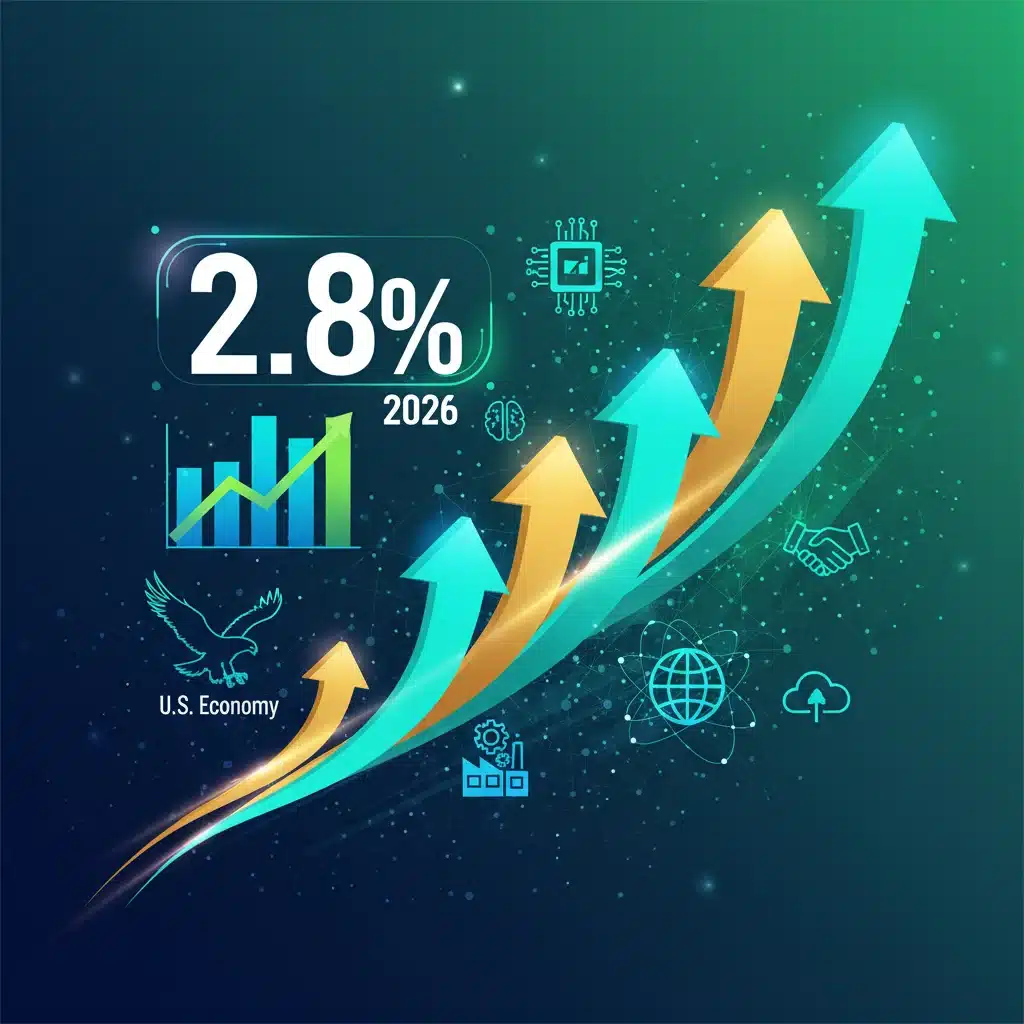
The economic landscape is constantly evolving, with forecasters and analysts meticulously scrutinizing every data point to predict future trends. Among the most anticipated figures is the Gross Domestic Product (GDP) growth rate, a crucial indicator of a nation’s economic health. As we look towards the middle of the decade, a projected 2026 GDP growth of 2.8% for the U.S. economy stands out as a significant benchmark. This seemingly modest figure, if realized, carries profound implications, promising to reshape various sectors, influence policy decisions, and impact the daily lives of millions of Americans. But what exactly does a 2.8% 2026 GDP growth entail, and what are the underlying factors driving this optimistic outlook?
This comprehensive article will delve into the intricacies of this projection, exploring the key drivers, potential challenges, and the transformative effects it could have on industries, employment, inflation, and global trade. We will analyze the methodologies behind such forecasts, examine historical precedents, and consider the policy responses necessary to capitalize on this anticipated expansion. Understanding the nuances of the 2026 GDP growth is not just for economists; it’s essential for businesses planning their future, investors making strategic decisions, and individuals navigating their financial well-being.
Anúncios
Deconstructing the 2.8% 2026 GDP Growth Projection
To fully appreciate the significance of a 2.8% 2026 GDP growth, it’s crucial to understand what GDP represents. GDP measures the total monetary or market value of all the finished goods and services produced within a country’s borders in a specific time period. It serves as a comprehensive scorecard of a given country’s economic health. A 2.8% growth rate, while not a boom, signifies a healthy, sustainable expansion, suggesting that the economy is generating more goods and services, leading to increased income and employment opportunities.
The Pillars of Economic Expansion: Key Drivers for 2026
Several factors are expected to converge to support this projected 2026 GDP growth. These drivers often interact in complex ways, creating a dynamic economic environment:
Anúncios
- Consumer Spending: As the largest component of U.S. GDP, robust consumer spending is paramount. Factors such as stable employment, rising wages, and potentially declining inflation could boost consumer confidence and discretionary spending. The resilience of the American consumer, even in the face of economic headwinds, has historically been a significant propellant for growth. For 2026, a sustained increase in real disposable income, potentially fueled by a more stable inflationary environment and continued wage growth, is anticipated to underpin strong consumer demand. Furthermore, demographic shifts, including a growing working-age population and evolving consumption patterns, will play a role. The shift towards experiences and digitally-enabled services, for instance, could continue to drive specific sectors.
- Business Investment: Companies investing in new equipment, technology, and infrastructure are a strong indicator of future growth. This includes capital expenditures in manufacturing, research and development, and the expansion of service-oriented businesses. The drive towards automation, artificial intelligence, and green technologies is expected to spur significant corporate investment. Businesses are constantly seeking efficiencies and competitive advantages, and a stable economic outlook encourages them to commit capital to long-term projects. This investment not only directly contributes to GDP but also enhances productivity and creates new jobs, setting the stage for further economic expansion. Policy incentives, such as tax credits for certain types of investment or infrastructure spending, could further amplify this trend.
- Government Spending: Public sector expenditures on infrastructure projects, defense, healthcare, and education contribute directly to GDP. While debates around fiscal policy are ongoing, targeted government investments in areas like renewable energy, broadband expansion, and transportation infrastructure could provide a significant boost to economic activity. The impact of government spending is often felt across multiple sectors, creating ripple effects throughout the economy. For instance, infrastructure projects not only create construction jobs but also stimulate demand for materials, machinery, and related services.
- Net Exports: While often a smaller component, the balance between exports and imports can influence GDP. A stronger global economy and competitive U.S. industries could lead to increased exports, contributing positively to the 2026 GDP growth. International trade agreements, global supply chain stability, and the relative strength of the U.S. dollar will all play a role in this dynamic. The geopolitical landscape and trade relationships with key partners will also be critical in determining the extent to which net exports contribute to overall economic expansion.
- Technological Innovation: The rapid pace of technological advancement, particularly in areas like AI, biotechnology, and renewable energy, is a powerful engine for economic growth. These innovations create new industries, improve productivity, and drive demand for new products and services. The digital transformation across various sectors continues to unlock new efficiencies and opportunities, fostering an environment ripe for sustained economic expansion. The adoption of new technologies by businesses, from small startups to large corporations, leads to enhanced output and often, higher-value-added products and services.
Sector-Specific Impacts of 2.8% 2026 GDP Growth
A 2.8% 2026 GDP growth rate will not impact all sectors equally. Some industries are poised to benefit more significantly, while others may face specific challenges or require adaptation.
Manufacturing and Industrial Output
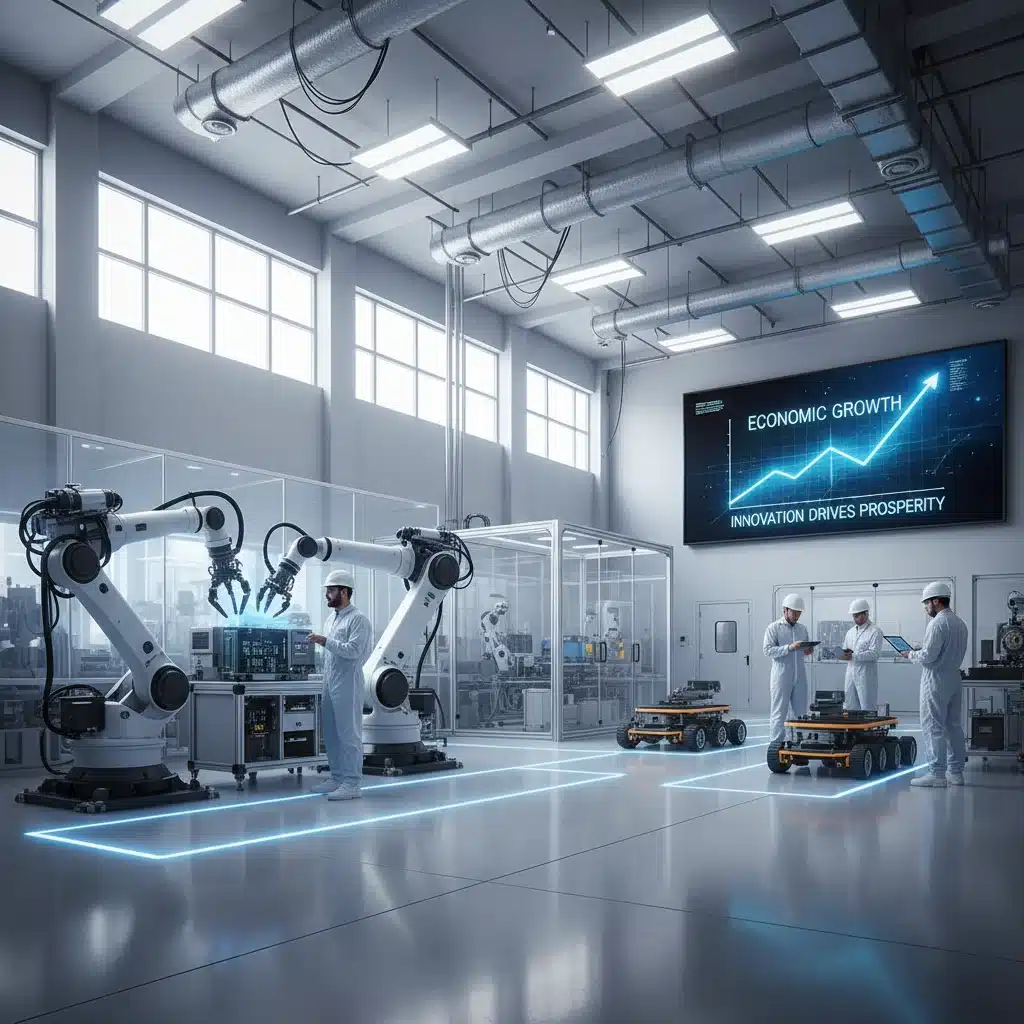
The manufacturing sector, often seen as a bellwether for economic health, is expected to see renewed vigor. Increased consumer demand and business investment will drive production across various industries, from automotive to electronics. Advanced manufacturing, incorporating automation and smart factory technologies, will likely be at the forefront of this expansion. The push for reshoring and strengthening domestic supply chains could further bolster U.S. manufacturing, contributing positively to the overall 2026 GDP growth. Furthermore, the demand for sustainable products and processes will likely drive innovation and investment in green manufacturing techniques, creating new market opportunities.
Technology and Innovation
The technology sector is a perpetual growth engine. With continued advancements in artificial intelligence, cloud computing, cybersecurity, and quantum computing, this sector will remain a significant contributor to 2026 GDP growth. Investment in research and development, coupled with the widespread adoption of new technologies across other industries, will fuel its expansion. The demand for skilled tech professionals will likely remain high, driving wage growth and further innovation within the sector. The proliferation of digital services and platforms will also continue its upward trajectory, transforming how businesses operate and consumers interact.
Services Sector: From Healthcare to Hospitality
The diverse services sector, encompassing everything from healthcare and education to retail and hospitality, constitutes the largest portion of the U.S. economy. A healthy 2026 GDP growth will translate into increased demand for these services. As disposable incomes rise and employment remains strong, consumers are likely to spend more on dining out, travel, entertainment, and personal services. The healthcare industry, driven by an aging population and advancements in medical technology, will continue its robust growth. Education and professional services will also see increased demand as businesses and individuals seek to upskill and innovate. The gig economy, while evolving, will also continue to play a role in providing flexible labor and services.
Real Estate and Construction
A growing economy typically stimulates the real estate and construction sectors. Increased demand for housing, commercial spaces, and infrastructure projects will drive activity. While interest rates will play a role, a strong employment market and consumer confidence can offset some of these pressures. Urban development, sustainable building practices, and renovations are expected to contribute significantly. The need for new housing, particularly in growing metropolitan areas, will keep residential construction active, while commercial development will respond to the needs of expanding businesses. Public infrastructure projects, supported by government spending, will also provide a steady stream of work for the construction industry.
Potential Challenges and Headwinds to 2026 GDP Growth
While the 2.8% 2026 GDP growth projection is optimistic, it’s crucial to acknowledge potential challenges that could temper this outlook or even derail it. Economic forecasts are inherently uncertain, and various factors can influence the actual outcome.
Inflationary Pressures
One of the most persistent concerns is inflation. While central banks aim for price stability, unforeseen supply chain disruptions, geopolitical events, or excessive demand could reignite inflationary pressures. High inflation erodes purchasing power, reduces consumer confidence, and can lead to tighter monetary policies, which in turn can slow economic growth. Managing inflation while fostering growth will be a delicate balancing act for policymakers leading up to and during 2026. The interplay between wage growth, energy prices, and global commodity markets will be key determinants of inflationary trends.
Geopolitical Instability
Global events have a significant impact on the U.S. economy. Conflicts, trade disputes, and political instability in key regions can disrupt supply chains, increase commodity prices, and dampen investor confidence. These external shocks are difficult to predict but can quickly alter the economic trajectory. The interconnectedness of the global economy means that events far from U.S. borders can have immediate and substantial effects on domestic economic activity and the prospects for 2026 GDP growth. Businesses will need to build resilience into their supply chains and diversify their market access.
Labor Market Dynamics and Skill Gaps
While a strong labor market is generally positive, persistent labor shortages in critical sectors or significant skill gaps can constrain growth. If businesses struggle to find qualified workers, it can limit their ability to expand and innovate. Addressing these challenges through education, vocational training, and immigration policies will be crucial for sustaining the projected 2026 GDP growth. The evolving nature of work, driven by automation and AI, means that continuous upskilling and reskilling of the workforce will be essential to meet future demands. Policies that encourage workforce development and adaptability will be vital.
Interest Rate Environment
The trajectory of interest rates will continue to be a significant factor. While a stable rate environment can support investment, unexpectedly high or rapidly rising rates could dampen borrowing, investment, and consumer spending, potentially slowing economic momentum. The Federal Reserve’s decisions will be closely watched, as they aim to balance inflation control with economic growth objectives. Businesses with significant debt or those reliant on financing for expansion will be particularly sensitive to changes in interest rates, impacting their investment decisions and ultimately, their contribution to 2026 GDP growth.
Implications for Businesses and Consumers
A 2.8% 2026 GDP growth projection signals a generally favorable environment, but it comes with specific implications for both businesses and consumers.
For Businesses: Opportunities and Strategic Planning
Businesses can anticipate increased demand for their products and services, leading to opportunities for expansion, innovation, and job creation. Companies should focus on:
- Investment in Technology: To enhance productivity and efficiency, leveraging AI, automation, and data analytics will be crucial.
- Talent Acquisition and Development: Attracting and retaining skilled labor will be a top priority, requiring competitive wages, benefits, and professional development opportunities.
- Supply Chain Resilience: Diversifying supply chains and building redundancies to mitigate future disruptions will remain important.
- Market Expansion: Exploring new domestic and international markets, capitalizing on increased consumer purchasing power and global trade opportunities.
- Sustainability Initiatives: Integrating environmentally friendly practices and products to meet growing consumer demand and regulatory requirements, which can also open new market segments.
Strategic planning around these areas can help businesses not only thrive in a growing economy but also build resilience against potential downturns. The competitive landscape will likely intensify, requiring businesses to be agile and innovative to maintain their market position and contribute to the overall 2026 GDP growth.

For Consumers: Employment, Wages, and Purchasing Power
For consumers, a 2.8% 2026 GDP growth typically translates into a robust job market, with lower unemployment rates and potentially higher wage growth. This can lead to increased purchasing power and an improved standard of living. However, consumers will also need to be mindful of:
- Inflation Management: While wages may rise, keeping an eye on inflation to ensure real purchasing power is not eroded will be essential.
- Savings and Investment: A growing economy often presents opportunities for wealth creation through investments in stocks, real estate, and other assets.
- Debt Management: While confidence may be high, maintaining responsible debt levels remains crucial to financial stability.
- Skill Development: Adapting to evolving job market demands by acquiring new skills and knowledge to remain competitive.
The overall outlook for consumers under a 2.8% 2026 GDP growth scenario is generally positive, offering more opportunities for economic advancement and financial security, provided they make informed decisions and adapt to changing economic realities.
Policy Responses to Maximize 2026 GDP Growth
To ensure the U.S. economy achieves and sustains the projected 2.8% 2026 GDP growth, effective policy responses will be critical. These policies need to address both opportunities and potential challenges.
Fiscal Policy: Targeted Investments and Prudent Spending
Government fiscal policy can play a significant role. Targeted investments in infrastructure, clean energy, and research and development can stimulate economic activity, create jobs, and enhance long-term productivity. However, policymakers will need to balance spending with fiscal responsibility to avoid exacerbating inflation or increasing national debt to unsustainable levels. Strategic allocation of funds to areas that yield high economic returns will be paramount. For instance, investments in digital infrastructure can unlock new economic potential in underserved areas, contributing broadly to 2026 GDP growth.
Monetary Policy: Balancing Growth and Stability
The Federal Reserve’s monetary policy will continue to be a crucial determinant. Its primary objective is to maintain price stability while maximizing employment. This involves carefully managing interest rates and the money supply. The Fed will need to navigate the delicate balance of stimulating growth without triggering excessive inflation. Clear communication and data-driven decisions will be essential to maintain market confidence and support a stable environment for the projected 2026 GDP growth. Any deviation from this balance could have significant repercussions on borrowing costs, investment, and consumer behavior.
Regulatory Environment: Fostering Innovation and Competition
A predictable and supportive regulatory environment is vital for business confidence and investment. Policies that encourage innovation, reduce unnecessary bureaucratic burdens, and promote fair competition can unlock new economic potential. At the same time, regulations are necessary to protect consumers, workers, and the environment. Striking the right balance will be key to fostering a dynamic economy that supports sustained 2026 GDP growth while ensuring equitable outcomes. Policies that streamline permitting processes for new businesses and infrastructure projects, for example, can significantly accelerate economic activity.
Trade Policy: Expanding Global Opportunities
Engaging in constructive international trade policies can expand market access for U.S. goods and services, contributing to net exports and overall GDP. This includes negotiating favorable trade agreements, addressing trade imbalances, and ensuring fair competition on the global stage. A stable and open global trading system benefits American businesses and consumers alike, providing access to diverse markets and goods. Strengthening alliances and collaborating on global economic challenges will also be important for maintaining a stable international environment conducive to U.S. economic expansion and achieving the 2026 GDP growth target.
Conclusion: Navigating the Path to 2.8% 2026 GDP Growth
The projected 2.8% 2026 GDP growth for the U.S. economy represents a significant opportunity for sustained prosperity. It reflects a confluence of factors, including resilient consumer spending, strategic business investment, government initiatives, and continuous technological innovation. While this outlook is largely positive, it is not without its challenges. Inflationary pressures, geopolitical uncertainties, labor market dynamics, and the interest rate environment all pose potential headwinds that require careful monitoring and proactive policy responses.
For businesses, this forecast signals a period of expansion and calls for strategic investments in technology, talent, and supply chain resilience. For consumers, it promises a strong job market and increased purchasing power, albeit with the need for prudent financial management. Policymakers, in turn, face the critical task of implementing fiscal and monetary strategies that foster growth while maintaining stability, alongside a regulatory environment that encourages innovation and fair competition.
Achieving and sustaining a 2.8% 2026 GDP growth will require a concerted effort from all stakeholders. By understanding the underlying drivers, anticipating potential challenges, and implementing forward-looking strategies, the U.S. economy can harness this projected growth to build a more robust, innovative, and equitable future. The journey to 2026 will undoubtedly present its share of twists and turns, but with informed decisions and adaptive strategies, the prospects for a healthy economic expansion remain strong.
Author