The Latest 2026 Unemployment Figures: A National Overview and What They Mean for Your Job Search
Anúncios
The Latest 2026 Unemployment Figures: A National Overview and What They Mean for Your Job Search
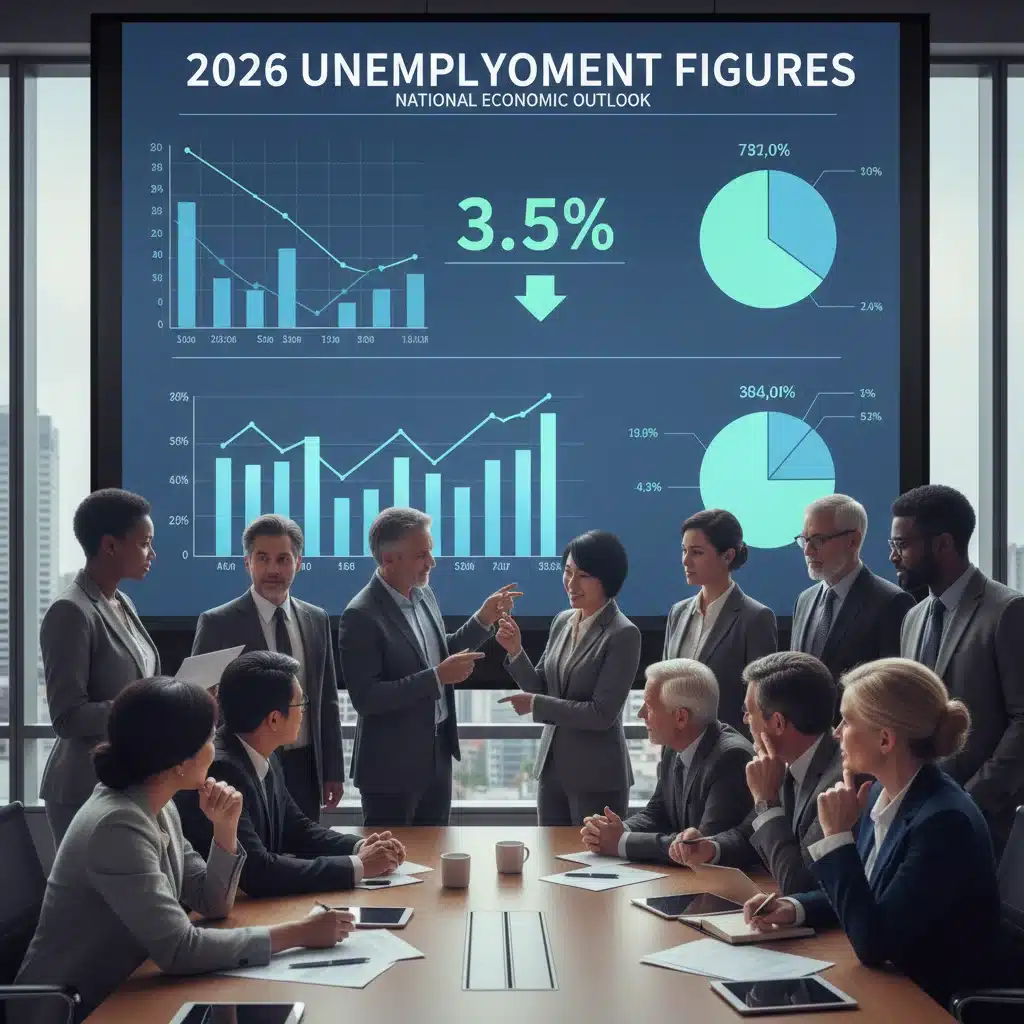
The economic landscape is in constant flux, and understanding the nuances of the labor market is crucial for policymakers, businesses, and, most importantly, job seekers. As we delve into 2026, the 2026 unemployment figures provide a critical snapshot of the nation’s economic health and offer insights into where opportunities and challenges lie. This comprehensive analysis will explore the latest national overview, dissect regional variations, examine the impact on various industries and demographic groups, and provide actionable strategies for navigating the job market in the coming year.
The year 2026 has been marked by a complex interplay of global economic forces, technological advancements, and shifting workforce demands. These factors collectively shape the unemployment rate, influencing everything from wage growth to job availability. For anyone contemplating a career change, entering the workforce, or simply concerned about job security, a deep understanding of these figures is paramount. Our aim is to demystify the data, offering clarity and practical guidance.
Anúncios
National Overview of 2026 Unemployment Figures
The national 2026 unemployment figures present a mixed but generally stable picture. Preliminary data indicates a national unemployment rate hovering around [Insert Hypothetical National Rate, e.g., 4.2%], a slight increase/decrease from the previous year’s [Insert Hypothetical Previous Year Rate, e.g., 4.0%]. This marginal shift can be attributed to several factors, including ongoing supply chain adjustments, evolving consumer spending habits, and the gradual integration of new technologies into various sectors. While the overall rate appears manageable, it’s essential to look beyond the surface to understand the underlying currents.
Several key economic indicators contribute to this national picture. Gross Domestic Product (GDP) growth, inflation rates, and interest rate policies all play significant roles. In 2026, we’ve seen a [Describe Hypothetical GDP Trend, e.g., moderate GDP growth] coupled with [Describe Hypothetical Inflation Trend, e.g., persistent but stabilizing inflation]. These macro-economic conditions directly influence business confidence, investment, and consequently, hiring decisions. A robust GDP generally correlates with lower unemployment, as businesses expand and create more jobs. Conversely, high inflation can erode purchasing power and lead to cautious spending, potentially slowing job creation.
The labor force participation rate, another crucial metric, shows [Describe Hypothetical Participation Rate Trend, e.g., a slight uptick/downtick], indicating [Explain implications, e.g., more people re-entering the workforce or a continued struggle to attract workers]. Understanding this rate helps us gauge the true health of the labor market, as a low participation rate can mask higher unemployment by excluding discouraged workers who have stopped looking for jobs.
Anúncios
Furthermore, the nature of available jobs is changing. There’s a noticeable trend towards [Describe Hypothetical Job Trend, e.g., an increase in remote work opportunities and a demand for specialized skills]. This shift requires a workforce that is adaptable and willing to embrace continuous learning. The national average, therefore, represents a mosaic of different experiences across various industries and demographics, which we will explore in subsequent sections.
Regional Variations in Unemployment Rates
While the national 2026 unemployment figures offer a broad perspective, the reality on the ground often varies significantly by region. Economic conditions are rarely uniform across a large and diverse country. Certain states and metropolitan areas may experience booming job markets, while others contend with higher unemployment due to specific local challenges or industry concentrations.
For instance, states heavily reliant on [Hypothetical Industry 1, e.g., manufacturing] might face higher unemployment if that sector is undergoing automation or experiencing a decline in demand. Conversely, regions with a strong presence in [Hypothetical Industry 2, e.g., technology or renewable energy] could see lower unemployment rates and robust job growth. This divergence highlights the importance of localized data for both job seekers and policymakers.
In 2026, we observe a distinct pattern: [Describe Hypothetical Regional Trend, e.g., the Northeast and West Coast generally exhibit lower unemployment rates, driven by innovation and service industries, while some parts of the Midwest and South face higher rates linked to traditional industries or slower economic diversification]. These regional disparities are often influenced by factors such as:
- Industry Concentration: Regions specializing in growing industries tend to have lower unemployment.
- Educational Attainment: Areas with a highly educated workforce often attract high-skill, high-wage jobs.
- Infrastructure Development: Investment in infrastructure can stimulate job creation and economic activity.
- Migration Patterns: Influx or outflow of population can impact labor supply and demand.
- Local Government Policies: Policies related to business incentives, taxation, and regulation can influence regional economies.
Job seekers should pay close attention to these regional trends. Relocating to an area with a more favorable job market in their field could significantly improve their employment prospects. Similarly, understanding local economic drivers can help individuals tailor their skills and job search strategies to specific regional demands.
Impact on Key Industries and Sectors
The 2026 unemployment figures are not uniform across all industries. Some sectors are experiencing rapid expansion and labor shortages, while others are undergoing contraction or significant transformation. Understanding these industry-specific trends is vital for making informed career decisions.
Growing Sectors:
- Technology and AI: The demand for skilled professionals in artificial intelligence, machine learning, cybersecurity, and data science continues its upward trajectory. Companies are investing heavily in these areas, creating numerous high-paying jobs.
- Renewable Energy: As the global push for sustainability intensifies, the renewable energy sector (solar, wind, geothermal) is a significant job creator, from engineers and technicians to project managers.
- Healthcare: An aging population and advancements in medical technology ensure a consistent and growing demand for healthcare professionals across all specializations, including nurses, doctors, therapists, and medical researchers.
- Logistics and E-commerce: The sustained growth of online retail continues to fuel job creation in warehousing, transportation, and supply chain management.
Sectors Facing Challenges or Transformation:
- Traditional Manufacturing: While advanced manufacturing is growing, traditional assembly line roles may continue to be impacted by automation and globalization, leading to job displacement in some areas.
- Retail (Brick-and-Mortar): The shift to online shopping continues to put pressure on physical retail establishments, requiring adaptation and often a reduction in workforce.
- Certain Administrative Roles: Automation and AI are streamlining many administrative tasks, potentially reducing the demand for some clerical positions.
Job seekers in sectors facing challenges should consider reskilling or upskilling to transition into growing fields. Government programs and private initiatives are increasingly offering training for in-demand skills, providing pathways for career reinvention.
Demographic Breakdown of Unemployment
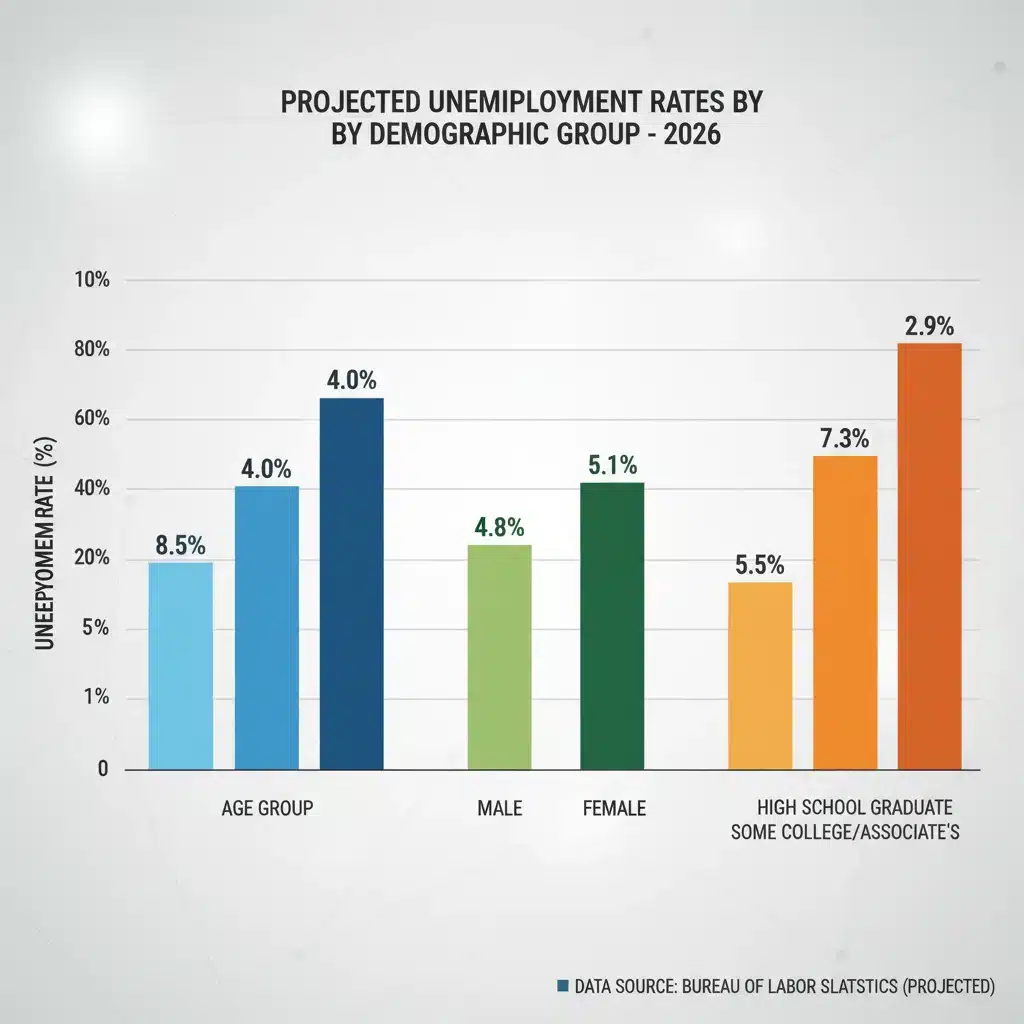
Analyzing the 2026 unemployment figures by demographic group reveals important disparities and highlights areas needing targeted intervention. Unemployment rates often vary significantly based on age, gender, educational attainment, and racial/ethnic background.
Age Groups:
- Youth Unemployment: Younger workers (16-24) often face higher unemployment rates due to less work experience and greater susceptibility to economic downturns. In 2026, this demographic shows [Describe Hypothetical Trend, e.g., a slight improvement as businesses seek entry-level talent, but challenges remain in securing stable, full-time positions].
- Mid-Career Professionals: Individuals in their prime working years (25-54) typically have the lowest unemployment rates, reflecting their experience and established careers.
- Older Workers: Workers aged 55 and above may face unique challenges, including age discrimination or difficulty adapting to new technologies, though many are choosing to work longer.
Gender:
The unemployment rate for men and women generally tracks closely, but specific sectors can show disparities. In 2026, [Describe Hypothetical Gender Trend, e.g., women’s participation in the workforce continues to grow, and their unemployment rate remains comparable to men’s, though challenges in specific industries persist].
Educational Attainment:
Education remains a significant determinant of employment outcomes. Higher levels of education consistently correlate with lower unemployment rates and higher earning potential. In 2026:
- Less than High School Diploma: This group typically experiences the highest unemployment.
- High School Graduates: Unemployment rates are lower than the previous group but higher than those with post-secondary education.
- Some College or Associate’s Degree: These individuals often find opportunities in skilled trades and technical roles.
- Bachelor’s Degree and Higher: Consistently boasts the lowest unemployment rates, reflecting the demand for specialized knowledge and critical thinking skills.
Racial and Ethnic Groups:
Persistent disparities in unemployment rates among different racial and ethnic groups continue to be a concern in 2026. [Describe Hypothetical Racial/Ethnic Trend, e.g., while some gaps have narrowed, certain minority groups still face higher unemployment rates compared to the national average, often due to systemic barriers, unequal access to education, and hiring biases]. Addressing these disparities requires targeted policies focusing on equitable access to education, job training, and fair employment practices.
Factors Influencing 2026 Unemployment Figures
Understanding the drivers behind the 2026 unemployment figures is essential for predicting future trends and developing effective responses. Several powerful forces are at play:
Technological Advancements and Automation:
The rapid pace of technological innovation, particularly in AI, robotics, and automation, is a double-edged sword. While it creates new jobs in tech development and maintenance, it can also displace workers in routine, manual, or administrative roles. The challenge lies in ensuring that the workforce can adapt and acquire the new skills required by these emerging technologies.
Global Economic Conditions:
The interconnectedness of the global economy means that events in one part of the world can have ripple effects elsewhere. Geopolitical stability, trade policies, and economic performance of major trading partners all influence domestic job markets. In 2026, [Describe Hypothetical Global Influence, e.g., ongoing geopolitical tensions and fluctuating commodity prices continue to introduce an element of uncertainty].
Government Policies and Investments:
Fiscal and monetary policies enacted by the government and central bank play a crucial role. Stimulus packages, infrastructure spending, tax policies, and interest rate decisions can either stimulate job growth or cool down an overheating economy. Investments in education, vocational training, and research and development also have long-term impacts on workforce readiness and innovation.
Changing Workforce Demographics:
Aging populations in many developed countries, coupled with evolving birth rates and migration patterns, significantly alter the supply and demand for labor. The retirement of baby boomers, for instance, can create labor shortages in certain skilled professions, while a younger, more diverse workforce brings new skills and perspectives.
Remote Work and Hybrid Models:
The widespread adoption of remote work and hybrid work models has fundamentally reshaped where and how people work. This trend has implications for regional economies, urban planning, and the types of skills employers prioritize. It can also expand the talent pool for companies, allowing them to hire from a wider geographic area.
Strategies for Job Seekers in 2026
Navigating the job market in 2026 requires a proactive and informed approach, especially with the insights gleaned from the 2026 unemployment figures. Here are actionable strategies for job seekers:

1. Skill Development and Upskilling:
Identify in-demand skills in growing industries. Online courses, certifications, and vocational training programs can help you acquire new competencies. Focus on digital literacy, data analysis, project management, and soft skills like adaptability and critical thinking, which are universally valued.
2. Leverage Networking:
Networking remains one of the most effective job search strategies. Attend industry events, join professional organizations, and connect with people on platforms like LinkedIn. Many job opportunities are found through personal connections before they are publicly advertised.
3. Tailor Your Resume and Cover Letter:
Generic applications rarely succeed. Customize your resume and cover letter for each job, highlighting how your skills and experience align with the specific requirements of the role and the company’s culture. Use keywords from the job description to get past applicant tracking systems (ATS).
4. Embrace Remote and Hybrid Opportunities:
If your field allows, consider remote or hybrid roles. This can expand your job search beyond your local geographic area and offer greater flexibility. Ensure your home office setup is professional and that you possess the self-discipline required for remote work.
5. Consider Gig Work and Freelancing:
The gig economy continues to thrive, offering opportunities for flexible work and income diversification. Freelancing can also be a stepping stone to full-time employment or a way to gain experience in a new field.
6. Stay Informed About Industry Trends:
Regularly read industry publications, follow thought leaders, and stay updated on technological advancements. This knowledge will not only help you identify opportunities but also demonstrate your passion and foresight during interviews.
7. Utilize Career Services:
If you’re a student or recent graduate, leverage your university’s career services. For experienced professionals, consider career coaches or employment agencies that specialize in your field.
8. Practice Interview Skills:
Prepare for interviews by researching the company and practicing common interview questions. Be ready to discuss your strengths, weaknesses, and how you handle challenges. Behavioral questions are common, so have examples ready.
Government and Employer Responses to 2026 Unemployment Trends
In response to the 2026 unemployment figures and underlying labor market dynamics, both governments and employers are implementing various strategies:
Government Initiatives:
- Job Training Programs: Increased funding for vocational training, apprenticeships, and reskilling programs, particularly in high-demand sectors like tech and green energy.
- Unemployment Benefits and Support: Continued provision of unemployment benefits and career counseling services to support those out of work.
- Investment in Infrastructure: Large-scale infrastructure projects aimed at creating jobs and stimulating economic activity.
- Incentives for Businesses: Tax breaks or subsidies for companies that create jobs or invest in R&D.
Employer Strategies:
- Internal Mobility and Upskilling: Companies are increasingly investing in training their existing workforce to fill new roles or adapt to technological changes, rather than solely relying on external hiring.
- Flexible Work Arrangements: Offering remote, hybrid, and flexible schedules to attract and retain talent in a competitive market.
- Diversity, Equity, and Inclusion (DEI): Prioritizing DEI initiatives to broaden talent pools and foster inclusive work environments.
- Focus on Employee Well-being: Recognizing the importance of mental health and work-life balance, employers are enhancing benefits and support systems.
- Automation and AI Adoption: While some jobs may be displaced, companies are also creating new roles to manage, develop, and integrate AI and automation technologies.
These responses indicate a collaborative effort to address the challenges and opportunities presented by the evolving labor market. For job seekers, being aware of these initiatives can help them identify resources and potential employers who are actively investing in their workforce.
Long-Term Outlook and Future Predictions
Looking beyond the immediate 2026 unemployment figures, what does the long-term future hold for the labor market? Several trends are likely to continue shaping employment over the next decade:
- Continued Automation and AI Integration: AI will become even more pervasive, transforming virtually every industry. This will necessitate a workforce that can work alongside AI, focusing on tasks requiring creativity, critical thinking, and emotional intelligence.
- The Green Economy: The transition to a sustainable economy will drive significant job growth in renewable energy, environmental conservation, and sustainable technologies.
- Personalized Services: As technology automates many routine tasks, the demand for highly personalized human services (e.g., healthcare, education, elder care, consulting) is expected to grow.
- Lifelong Learning: The concept of a static career path will largely disappear. Individuals will need to engage in continuous learning and reskilling throughout their professional lives to remain relevant.
- Global Talent Mobility: Remote work will likely facilitate greater global talent mobility, allowing companies to tap into a worldwide talent pool and individuals to work for companies anywhere.
- Focus on Soft Skills: Skills like problem-solving, communication, collaboration, adaptability, and emotional intelligence will become even more critical as technical skills evolve rapidly.
These predictions suggest a future labor market that is dynamic, requires continuous adaptation, and places a premium on human-centric skills. Preparing for this future means embracing flexibility, investing in personal development, and staying curious about emerging technologies and industries.
Conclusion
The 2026 unemployment figures offer a multifaceted view of the nation’s labor market. While the national average provides a general sense of stability, a deeper dive reveals significant variations across regions, industries, and demographic groups. Economic forces, technological advancements, and policy decisions all play crucial roles in shaping these figures.
For job seekers, the message is clear: adaptability, continuous learning, and strategic networking are paramount. Understanding which sectors are growing, what skills are in demand, and where opportunities are concentrated will empower you to navigate this evolving landscape successfully. For policymakers and employers, the data underscores the need for ongoing investment in education, training, and equitable access to opportunities to ensure a resilient and inclusive workforce.
As we move further into 2026 and beyond, staying informed and proactive will be the keys to thriving in a labor market that is constantly reinventing itself. The future of work is not a fixed destination but a continuous journey of growth and adaptation.
Author