2026 Census Data: Redefining National Priorities and Population Shifts
Anúncios
The 2026 Census Data Release: How Population Shifts are Redefining National Priorities
The release of the 2026 census data is not just another statistical update; it represents a critical juncture for national planning and policy-making. Every five or ten years, depending on the nation’s cycle, the census provides an invaluable snapshot of a country’s population, its composition, distribution, and evolving characteristics. This comprehensive dataset serves as the backbone for understanding who we are as a nation, where we live, and how our needs are changing. The upcoming 2026 census data will be particularly significant, as it is expected to illuminate profound population shifts that will inevitably redefine national priorities across a myriad of sectors.
Anúncios
From healthcare and education to infrastructure and economic development, the insights gleaned from the 2026 census data will dictate resource allocation, inform legislative decisions, and shape the strategic direction of governments at all levels. Ignoring these shifts would be akin to navigating a ship without a compass, risking misallocation of resources, exacerbating existing inequalities, and failing to capitalize on emerging opportunities. This article delves into the anticipated impacts of the 2026 census data, exploring how demographic changes, internal migration, and evolving household structures will compel a re-evaluation of current national priorities and pave the way for a more responsive and resilient future.
Understanding the Significance of Census Data
Before we delve into the specifics of the 2026 census data, it’s crucial to grasp why census information is so vital. A census is more than just a headcount; it’s a comprehensive survey designed to collect demographic, social, and economic data about all residents in a country. This information is fundamental for:
- Policy Formulation: Governments use census data to create evidence-based policies that address the specific needs of their populations.
- Resource Allocation: Funding for schools, hospitals, roads, and other essential services is often distributed based on population figures and demographic profiles.
- Electoral Representation: Census data is used to adjust electoral boundaries, ensuring fair representation in legislative bodies.
- Economic Planning: Businesses and industries rely on this data to understand consumer markets, workforce availability, and investment opportunities.
- Social Research: Academics and researchers utilize census data to study societal trends, identify challenges, and propose solutions.
The forthcoming 2026 census data will therefore provide an updated foundation for all these critical functions, offering a fresh perspective on the national landscape. Anticipated trends include an aging population, increasing urbanization, shifts in ethnic diversity, and evolving household sizes, each carrying significant implications for how we plan for the future. The accuracy and completeness of this data are paramount, as even minor discrepancies can lead to significant misjudgments in long-term planning.
Anúncios
Key Population Shifts Expected in the 2026 Census Data
While the exact figures remain to be seen, several overarching trends are widely anticipated to be highlighted by the 2026 census data. These shifts are not sudden occurrences but rather continuations and accelerations of patterns observed in previous censuses and interim demographic surveys. Understanding these major shifts is the first step in preparing for their impact on national priorities.
Aging Population and its Ramifications
One of the most consistent and impactful demographic trends across many developed nations is the aging of the population. The 2026 census data is expected to confirm a further increase in the proportion of older adults, driven by higher life expectancies and lower birth rates. This shift has profound implications for:
- Healthcare Systems: Increased demand for geriatric care, chronic disease management, and specialized medical services. This will necessitate significant investments in healthcare infrastructure, workforce training, and research into age-related conditions.
- Pension and Social Security: Greater pressure on public pension systems and social security funds, potentially requiring reforms to ensure long-term sustainability. Discussions around retirement age and contribution rates are likely to intensify.
- Labor Market: A shrinking working-age population relative to retirees, potentially leading to labor shortages in various sectors and a need for greater automation or immigration to fill gaps.
- Housing: A demand for age-friendly housing, assisted living facilities, and communities designed to support an older demographic.
The 2026 census data will provide the precise figures needed to quantify these challenges and opportunities, allowing governments to plan more effectively for a future where a significant portion of the population is over 65.
Urbanization and Rural Exodus
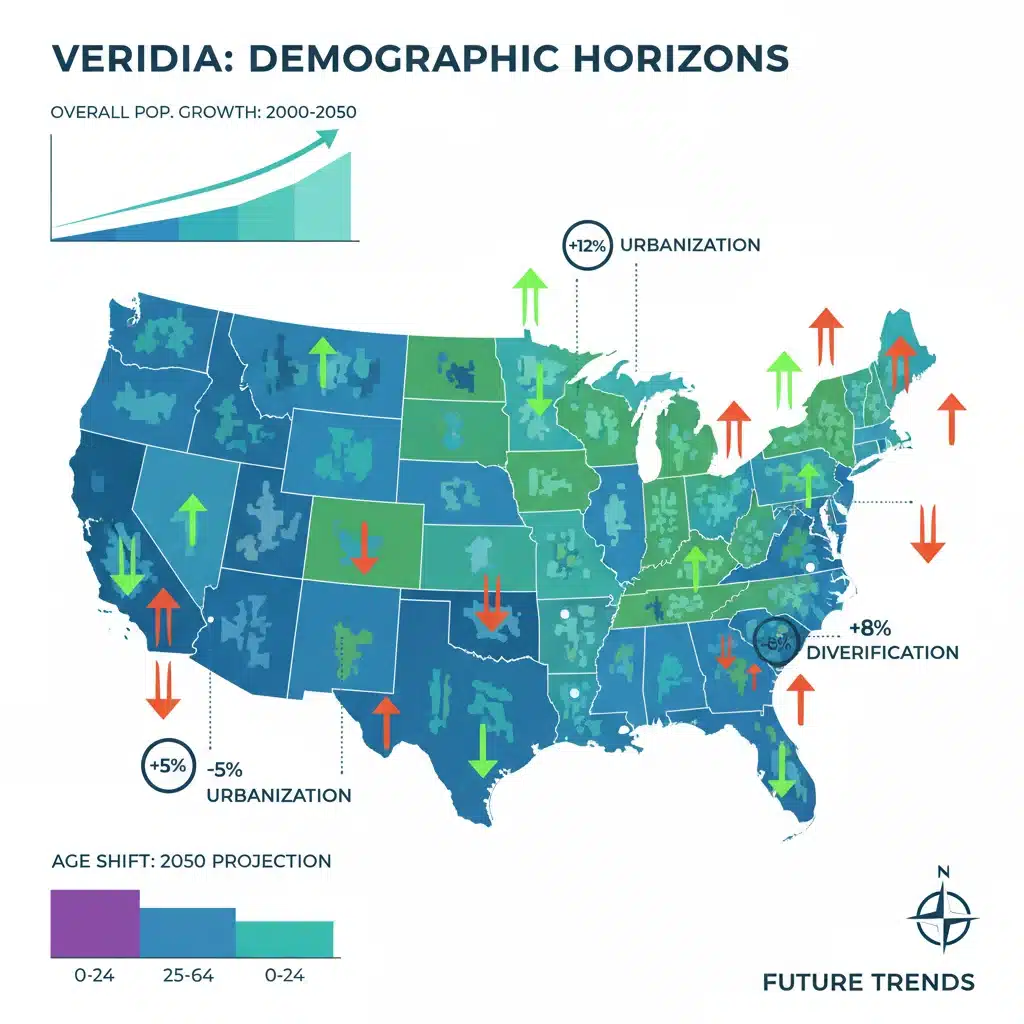
The magnetic pull of urban centers continues to be a dominant force shaping population distribution. The 2026 census data will likely show a further concentration of people in metropolitan areas, while many rural regions continue to experience population decline. This trend creates a dichotomy of challenges and opportunities:
- Urban Challenges: Increased strain on urban infrastructure (transportation, housing, utilities), rising living costs, and environmental pressures. Urban planning will need to prioritize sustainable development, affordable housing, and efficient public services.
- Rural Challenges: Depopulation can lead to a decline in essential services, economic stagnation, and a loss of community vitality. Policies will need to focus on attracting and retaining residents, supporting rural industries, and ensuring access to broadband and healthcare.
- Regional Disparities: The growing gap between booming urban economies and struggling rural areas can lead to social and economic inequalities that need to be addressed through targeted regional development strategies.
The detailed geographic breakdown within the 2026 census data will be crucial for understanding the nuances of these migration patterns and for developing localized solutions.

Increasing Diversity and Shifting Ethnic Composition
Many nations are becoming increasingly diverse, driven by immigration and varying birth rates among different ethnic groups. The 2026 census data is expected to reflect a more multicultural society, which brings both enrichment and new considerations for national priorities:
- Social Cohesion: Policies promoting integration, multicultural understanding, and combating discrimination will become even more critical.
- Education System: Schools will need to adapt to a more diverse student body, offering language support and culturally sensitive curricula.
- Public Services: Healthcare providers, law enforcement, and other public services will need to become more culturally competent and accessible to diverse populations.
- Economic Benefits: Diversity often brings new ideas, skills, and entrepreneurial spirit, contributing to economic growth and innovation.
The 2026 census data will provide a clearer picture of these demographic shifts, enabling governments to develop policies that harness the benefits of diversity while addressing potential challenges.
Evolving Household Structures
Traditional family structures are becoming less common, with an increase in single-person households, single-parent families, and multi-generational living arrangements. The 2026 census data will shed light on the prevalence of these evolving structures, influencing policies related to:
- Housing: A greater demand for diverse housing options, from smaller apartments for single individuals to larger homes for multi-generational families.
- Social Support Systems: The need for flexible childcare options, elder care services, and community support networks that cater to a variety of household needs.
- Taxation and Benefits: Reviewing existing tax codes and social benefits to ensure they are equitable and responsive to modern household realities.
Understanding these granular details from the 2026 census data is essential for designing social safety nets and urban planning that truly reflect the way people live today.
Redefining National Priorities: Policy Implications of the 2026 Census Data
The anticipated population shifts revealed by the 2026 census data will necessitate a fundamental re-evaluation of national priorities. Governments, businesses, and civil society organizations will need to adapt their strategies to remain relevant and effective in a changing landscape.
Healthcare and Social Services
The aging population, coupled with evolving health needs, will place immense pressure on healthcare systems. National priorities will shift towards:
- Preventive Care and Wellness: Investing in programs that promote healthy aging and prevent chronic diseases, reducing the burden on acute care services.
- Long-Term Care Solutions: Expanding home care, assisted living facilities, and palliative care options to meet the growing demand from an older demographic.
- Healthcare Workforce Development: Training and recruiting more healthcare professionals, especially in specialized areas like geriatrics and mental health.
- Digital Health Integration: Utilizing telemedicine and health technology to improve access and efficiency, particularly for remote populations.
The 2026 census data will provide the demographic distribution of these needs, allowing for targeted interventions and resource allocation.
Education and Workforce Development
The changing age structure and increasing diversity will reshape educational and workforce priorities:
- Lifelong Learning: Promoting continuous education and reskilling programs to ensure the workforce remains adaptable and competitive, especially for older workers.
- Early Childhood Education: Investing in high-quality early learning programs to support diverse families and prepare children for a changing world.
- Skills Gap Addressal: Aligning educational curricula with the demands of emerging industries and addressing specific skills shortages identified by economic trends.
- Inclusive Education: Developing policies and resources that support students from diverse backgrounds, including those with special needs or language barriers.
The 2026 census data will be instrumental in identifying where these educational and workforce development interventions are most needed.
Infrastructure and Urban Planning
The ongoing urbanization and regional migration patterns will demand significant adjustments in infrastructure and urban planning priorities:
- Sustainable Urban Development: Investing in green infrastructure, efficient public transportation, and smart city technologies to manage urban growth sustainably.
- Affordable Housing: Developing policies and incentives to increase the supply of affordable housing in high-demand urban areas.
- Rural Connectivity: Expanding broadband internet access and improving transportation links to support rural communities and bridge the urban-rural divide.
- Climate Resilience: Designing infrastructure that is resilient to the impacts of climate change, which disproportionately affects certain geographic areas.
The granular data from the 2026 census data will guide these investments, ensuring they are strategically placed to maximize impact.

Economic Development and Innovation
Population shifts directly influence consumer markets, labor pools, and entrepreneurial activity. The 2026 census data will inform economic priorities by highlighting:
- Emerging Markets: Identifying new consumer segments and opportunities driven by demographic changes, such as the ‘silver economy’ for older adults.
- Workforce Adaptation: Developing strategies to attract, retain, and upskill talent in regions experiencing labor shortages, including leveraging immigration.
- Regional Economic Strategies: Tailoring economic development plans to the unique strengths and challenges of different regions, as revealed by localized population data.
- Support for Entrepreneurship: Fostering an environment that encourages innovation and new business creation, especially among diverse and younger populations.
The ability to interpret and react to the economic implications of the 2026 census data will be crucial for maintaining national competitiveness and prosperity.
Leveraging the 2026 Census Data for a Resilient Future
The true value of the 2026 census data lies not just in its collection, but in its effective utilization. Governments, businesses, and communities must actively engage with this data to build a more resilient, equitable, and prosperous future. This involves a multi-faceted approach:
Data-Driven Policy Making
The 2026 census data provides an unparalleled opportunity to move beyond anecdotal evidence and implement truly data-driven policies. This means:
- Inter-departmental Collaboration: Encouraging different government departments (e.g., health, education, transport) to share and integrate census data for holistic planning.
- Long-Term Strategic Planning: Using the data to develop long-range plans that anticipate future demographic shifts rather than reacting to current crises.
- Performance Monitoring: Establishing clear metrics and regularly evaluating the effectiveness of policies against census-derived benchmarks.
Community Engagement and Empowerment
The impact of population shifts is felt most acutely at the local level. Therefore, engaging communities in the interpretation and application of the 2026 census data is vital:
- Local Data Access: Ensuring that local governments and community organizations have easy access to and training on how to use relevant census data for their own planning.
- Participatory Planning: Involving residents in discussions about how census data informs local development, ensuring that solutions are tailored to specific community needs.
- Addressing Disparities: Using the data to identify and address inequalities within communities, ensuring that vulnerable populations are not left behind.
Technological Integration and Predictive Analytics
Modern technology can amplify the utility of the 2026 census data. Integrating this data with other datasets and employing predictive analytics can offer deeper insights:
- Geospatial Analysis: Mapping census data to identify spatial patterns in population distribution, service gaps, and resource needs.
- Predictive Modeling: Using historical census data and current trends to forecast future population scenarios, allowing for proactive planning.
- Open Data Initiatives: Making anonymized census data publicly available in user-friendly formats to foster innovation and research outside of government.
Challenges in Utilizing the 2026 Census Data
While the 2026 census data offers immense potential, its effective utilization is not without challenges. These include:
- Data Literacy: Ensuring that decision-makers and the public have the necessary skills to understand and interpret complex statistical information.
- Data Privacy and Security: Balancing the need for detailed data with the imperative to protect individual privacy and maintain public trust.
- Political Will: Overcoming short-term political cycles and fostering the long-term commitment required to implement policies based on census data.
- Resource Constraints: Ensuring adequate funding and human resources are available for data analysis, policy development, and program implementation.
- Timeliness: The census is a snapshot, and while invaluable, demographic realities can shift rapidly. Integrating the 2026 census data with more frequent, smaller-scale surveys can provide a more dynamic picture.
Addressing these challenges proactively will be crucial to maximize the impact of the 2026 census data on national priorities.
Conclusion: The Imperative of Responding to the 2026 Census Data
The release of the 2026 census data will serve as a stark reminder of the dynamic nature of our society. The population shifts it reveals will not merely be statistics; they will represent real people, with real needs, living in evolving communities. From an aging populace requiring expanded healthcare to diversifying urban centers demanding new infrastructure and social services, the data will present a clear mandate for change.
Redefining national priorities in response to the 2026 census data is not an option but an imperative. It requires foresight, collaboration, and a willingness to adapt established frameworks. By embracing data-driven decision-making, fostering community engagement, and leveraging technological advancements, nations can effectively navigate the challenges and capitalize on the opportunities presented by these profound demographic transformations. The proactive and thoughtful utilization of the 2026 census data will be the cornerstone of building a resilient, inclusive, and prosperous future for all its citizens.
The journey from data collection to impactful policy is complex, but the insights from the 2026 census data offer a robust map. It is now up to leaders, policymakers, and communities to chart a course that reflects the evolving reality of the nation, ensuring that the critical resources and strategic initiatives are aligned with where people are, who they are, and what they need. This comprehensive understanding, rooted in the forthcoming census information, will be the bedrock upon which the next era of national development is built.
Author