U.S. Housing Market Forecast: 4.5% Price Hike Expected by Mid-2026
Anúncios
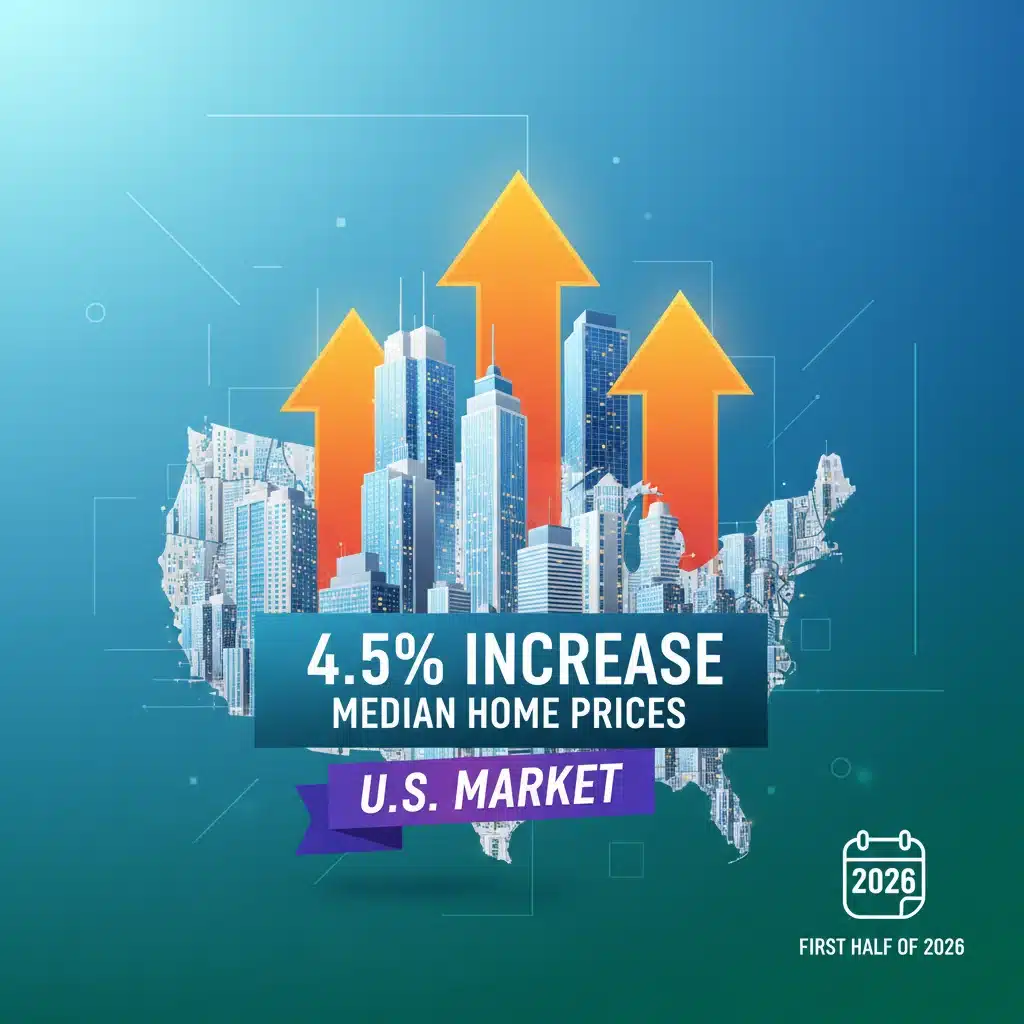
U.S. Housing Market Forecast: Median Home Prices Expected to Rise by 4.5% Across U.S. in First Half of 2026
The landscape of the American dream, often encapsulated by homeownership, is perpetually shifting. For prospective buyers, current homeowners, and real estate investors alike, understanding these shifts is paramount. A comprehensive new report indicates a significant upward trend for the housing market forecast, projecting that median home prices across the United States are set to increase by a notable 4.5% in the first half of 2026. This forecast, based on an intricate analysis of economic indicators, demographic shifts, and supply-demand dynamics, paints a clear picture of what lies ahead for the real estate sector.
This anticipated rise in median home prices is not an isolated event but rather the culmination of several interconnected forces. From persistent inflation and evolving interest rate policies to a continuous imbalance between housing supply and robust demand, these factors are converging to shape a dynamic market environment. This article delves deep into the nuances of this housing market forecast, exploring the underlying drivers, regional variations, and offering strategic insights for navigating what promises to be an intriguing period for U.S. real estate.
Anúncios
Understanding the Core Drivers Behind the Housing Market Forecast
To truly grasp the implications of the projected 4.5% increase in median home prices, it’s essential to dissect the primary factors fueling this housing market forecast. These drivers are multifaceted, ranging from macroeconomic forces to localized market conditions.
Economic Resilience and Inflationary Pressures
Despite periods of economic uncertainty, the U.S. economy has demonstrated remarkable resilience. A strong labor market, characterized by low unemployment rates and steady wage growth, continues to bolster consumer confidence and purchasing power. This economic stability forms a foundational pillar for sustained housing demand. However, persistent inflationary pressures play a dual role. While inflation can erode purchasing power, it also makes real estate an attractive hedge against rising costs, encouraging investment and driving up asset values. The Federal Reserve’s ongoing efforts to manage inflation through monetary policy, particularly interest rate adjustments, will continue to influence affordability and buyer sentiment, directly impacting the housing market forecast.
Anúncios
Supply-Demand Imbalance: A Persistent Challenge
One of the most enduring challenges in the U.S. housing market is the chronic imbalance between supply and demand. For years, new home construction has lagged behind the pace of household formation, leading to a significant housing deficit. This shortage is exacerbated by several factors:
- Construction Costs: Rising costs of materials, labor shortages, and regulatory hurdles continue to make new construction expensive and time-consuming.
- Existing Home Inventory: Many homeowners, locked into historically low mortgage rates, are hesitant to sell, further constraining the supply of available homes. This ‘rate lock-in effect’ is a critical component influencing the current housing market forecast.
- Demographic Shifts: The large millennial generation is increasingly entering their prime home-buying years, contributing to robust demand, particularly for starter homes and suburban properties.
This persistent supply-demand gap inherently places upward pressure on home prices, making the 4.5% increase by mid-2026 a plausible outcome.
Mortgage Interest Rates and Affordability
Mortgage interest rates are a critical determinant of housing affordability. While rates have fluctuated, the general trend has been towards stabilization, albeit at higher levels than the pandemic-era lows. The current housing market forecast acknowledges that while higher rates can temper demand by increasing monthly payments, a stable rate environment allows buyers to adjust their expectations and financial planning. Furthermore, innovative financing options and government programs can help mitigate the impact of higher rates for eligible buyers. The interplay between interest rates, wage growth, and home prices will dictate the true cost of homeownership and influence market dynamics.
Regional Variations: A Closer Look at the Housing Market Forecast Across the U.S.
While the national housing market forecast predicts a 4.5% rise, it’s crucial to understand that real estate is inherently local. Price appreciation will vary significantly from one region to another, influenced by local economic conditions, job growth, migration patterns, and specific housing policies.
The Sun Belt Continues to Shine
Regions within the Sun Belt, particularly in states like Florida, Texas, Arizona, and parts of the Carolinas, are expected to continue experiencing robust growth. These areas benefit from strong in-migration, lower cost of living compared to coastal metros, and expanding job markets in technology, manufacturing, and healthcare. The demand for homes in these areas often outstrips supply, leading to higher-than-average price appreciation. Investors and buyers looking for strong long-term gains might find these regions particularly attractive within the broader housing market forecast.
Coastal Metros: Stability and Selective Growth
Traditionally expensive coastal markets such as California, the Northeast, and parts of the Pacific Northwest may see more moderate, yet stable, growth. While these areas continue to attract high-income earners and offer diverse job opportunities, affordability constraints often limit the pace of price increases. However, specific sub-markets within these regions, particularly those with strong amenities, good schools, and limited inventory, could still outperform the national average. The luxury segment in these areas often operates on different dynamics, less sensitive to interest rate fluctuations, and contributes to the overall median price movement.
Midwest and Mountain States: Emerging Opportunities
The Midwest and Mountain States are increasingly becoming attractive alternatives for buyers seeking better affordability and quality of life. Cities in states like Colorado, Utah, Idaho, and parts of the Midwest are experiencing renewed interest, driven by remote work flexibility and a desire for more space. These regions often offer a compelling balance of affordability and economic opportunity, potentially leading to solid price appreciation as demand shifts from more expensive areas. The housing market forecast for these areas suggests they will continue to see steady, if not accelerating, growth.
Implications for Buyers, Sellers, and Investors
A 4.5% rise in median home prices by mid-2026 has distinct implications for different market participants. Understanding these can help in making informed decisions.
For Prospective Homebuyers: Act Strategically
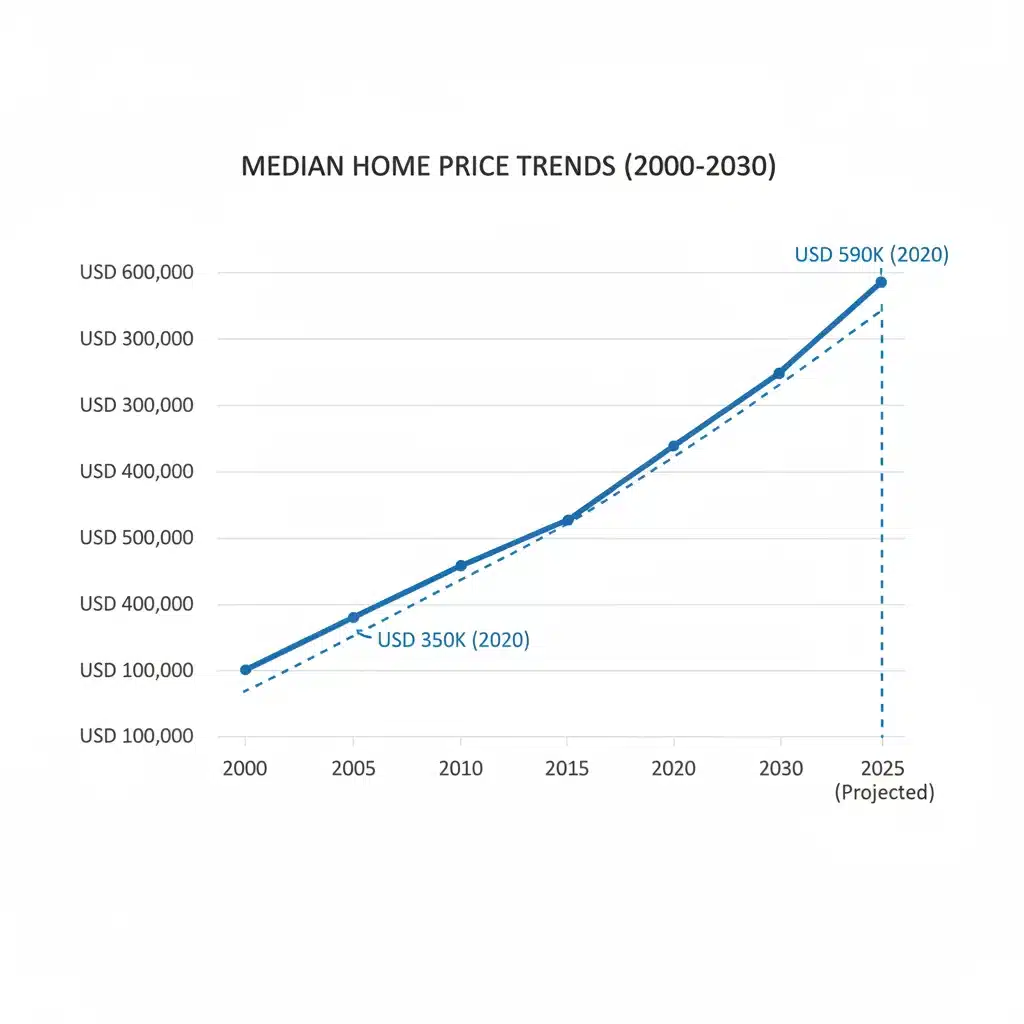
For individuals looking to purchase a home, the housing market forecast suggests that waiting too long could mean facing higher prices. While a 4.5% increase might seem modest over an 18-month period, it translates to significant additional costs on a large asset. Buyers should focus on:
- Getting Pre-Approved: Understanding your budget and securing pre-approval strengthens your negotiating position.
- Exploring All Options: Consider different neighborhoods, property types (condos, townhouses), and even slightly older homes that might offer better value.
- Working with an Experienced Agent: A knowledgeable real estate agent can provide crucial local insights and help navigate a competitive market.
- Considering Adjustable-Rate Mortgages (ARMs): While fixed rates offer stability, ARMs might offer lower initial payments, which can be advantageous for buyers planning to move or refinance within a few years.
The key is strategic action and realistic expectations, acknowledging that the market is likely to continue appreciating.
For Home Sellers: Capitalize on Demand
Current homeowners considering selling are in a favorable position, according to the housing market forecast. The sustained demand and limited inventory mean that well-maintained and appropriately priced homes are likely to sell quickly and for good value. Sellers should:
- Prepare Their Home: Minor upgrades, decluttering, and professional staging can significantly enhance appeal and sale price.
- Price Competitively: While demand is strong, overpricing can deter potential buyers. Work with an agent to set a realistic, attractive price.
- Understand Market Timing: While the overall trend is upward, local market conditions can fluctuate. Your agent can advise on the best time to list.
- Plan for Your Next Move: If you’re also buying, strategize your selling and buying timelines carefully to avoid being without a home or carrying two mortgages.
The 4.5% increase provides a strong incentive for sellers to enter the market and achieve favorable outcomes.
For Real Estate Investors: Identify Growth Markets
Investors can leverage the housing market forecast to identify areas with strong appreciation potential and rental demand. The projected price increase suggests that real estate remains a solid long-term investment. Key strategies include:
- Focusing on Growth Regions: Target Sun Belt states and emerging Midwest/Mountain markets with strong job growth and population influx.
- Evaluating Rental Yields: In addition to appreciation, consider areas with strong rental demand to ensure a steady income stream.
- Diversifying Portfolios: Explore different property types, from single-family homes to multi-family units, depending on investment goals and risk tolerance.
- Monitoring Economic Indicators: Keep a close eye on local economic health, interest rates, and employment figures, as these directly impact investment performance.
The market’s upward trajectory offers opportunities for both passive appreciation and active rental income generation.
Potential Headwinds and Mitigating Factors for the Housing Market Forecast
While the housing market forecast is largely positive, it’s important to acknowledge potential headwinds that could influence the market’s trajectory. These factors, while not currently projected to derail the overall upward trend, warrant careful monitoring.
Economic Slowdown or Recession
A significant economic slowdown or a deeper-than-expected recession could dampen consumer confidence, lead to job losses, and reduce purchasing power. This would inevitably impact housing demand and potentially temper price appreciation. However, the U.S. economy has shown resilience, and many economists predict a ‘soft landing’ rather than a severe downturn.
Sudden Spikes in Interest Rates
While the Federal Reserve aims for stability, unforeseen economic events could lead to more aggressive interest rate hikes. Sharp increases in mortgage rates could significantly reduce affordability, pushing some buyers out of the market and slowing the pace of sales. The housing market forecast assumes a more gradual and predictable interest rate environment.
Increased Housing Supply
A substantial increase in new home construction, while beneficial for affordability in the long run, could temper price growth if supply begins to outpace demand significantly. However, given the persistent challenges in construction (costs, labor, regulations), a rapid surge in supply is unlikely in the short to medium term.

Geopolitical Events
Global geopolitical instability can have ripple effects on financial markets and consumer sentiment, indirectly influencing the housing market. While difficult to predict, such events introduce an element of uncertainty that could affect the stability of the housing market forecast.
Conclusion: Navigating the Evolving Housing Market
The U.S. housing market forecast for the first half of 2026 points to continued strength, with a projected 4.5% increase in median home prices. This outlook is supported by a resilient economy, persistent supply shortages, and ongoing demographic shifts. While regional variations will be significant, the overall trend indicates a robust market for sellers and a challenging but navigable one for buyers.
Whether you are looking to buy your first home, upgrade, downsize, or invest, staying informed and adopting a strategic approach is key. The real estate market is dynamic, and while forecasts provide valuable guidance, individual circumstances and local market conditions will always play a crucial role in decision-making. By understanding the drivers, implications, and potential headwinds, stakeholders can better position themselves to thrive in the evolving American housing landscape.
As we move towards mid-2026, the housing market will undoubtedly continue to be a focal point of economic discussion. The projected appreciation underscores the enduring value and appeal of real estate as both an asset and a fundamental aspect of the American dream. Prepare now, stay informed, and make strategic choices to capitalize on this exciting period in the housing market forecast.
Author