2026 Agricultural Report: Food Production, Prices & US Consumer Impact
Anúncios
The 2026 Agricultural Report: Key Trends in Food Production and Prices for U.S. Consumers
The global food system is a complex, interconnected web, constantly influenced by myriad factors ranging from climate patterns and geopolitical shifts to technological advancements and consumer preferences. As we look ahead to the 2026 agricultural report, it becomes increasingly crucial for U.S. consumers, policymakers, and industry stakeholders to understand the evolving landscape of food production and its direct impact on prices. This comprehensive analysis delves into the anticipated trends, challenges, and opportunities that will define the agricultural sector in the coming years, ultimately shaping the contents of the 2026 agricultural report and the dinner tables across America.
Anúncios
Understanding the Global Context for the 2026 Agricultural Report
Before we pinpoint the specific impacts on U.S. consumers, it’s essential to establish the broader global agricultural context. The 2026 agricultural report will undoubtedly highlight several overarching themes:
- Population Growth and Demand: The world population continues to grow, albeit at varying rates across regions. This sustained growth translates to an ever-increasing demand for food, feed, fiber, and fuel, putting pressure on existing agricultural systems. The report will likely project how this demand will be met, or if shortages in specific commodities are anticipated.
- Climate Change Impacts: Climate change remains one of the most significant disruptors to agricultural stability. Extreme weather events – prolonged droughts, unprecedented floods, and unpredictable temperature swings – are becoming more frequent and intense. These events directly affect crop yields, livestock health, and agricultural infrastructure. The 2026 agricultural report will likely feature detailed analyses of regional climate impacts and adaptation strategies being implemented or urgently needed.
- Geopolitical Volatility: International relations, trade policies, and regional conflicts can have immediate and far-reaching effects on food supply chains. Disruptions to trade routes, export bans, or sanctions can lead to price spikes and localized shortages. The report will need to consider potential geopolitical scenarios and their implications for global food security.
- Technological Advancements: Innovation in agriculture is accelerating. From precision farming and biotechnology to vertical farming and alternative proteins, new technologies offer both solutions to existing problems and new avenues for production. The 2026 agricultural report will likely showcase the adoption rates and potential impacts of these technologies on efficiency, sustainability, and output.
- Resource Scarcity: Water, arable land, and nutrient availability are finite resources critical for agriculture. Increasing pressure on these resources due to population growth, urbanization, and climate change necessitates more efficient and sustainable management practices. The report will address resource management strategies and their effectiveness.
Key Trends in U.S. Food Production for the 2026 Agricultural Report
Focusing on the United States, the 2026 agricultural report will likely detail several key trends shaping domestic food production:
1. Continued Adoption of Precision Agriculture
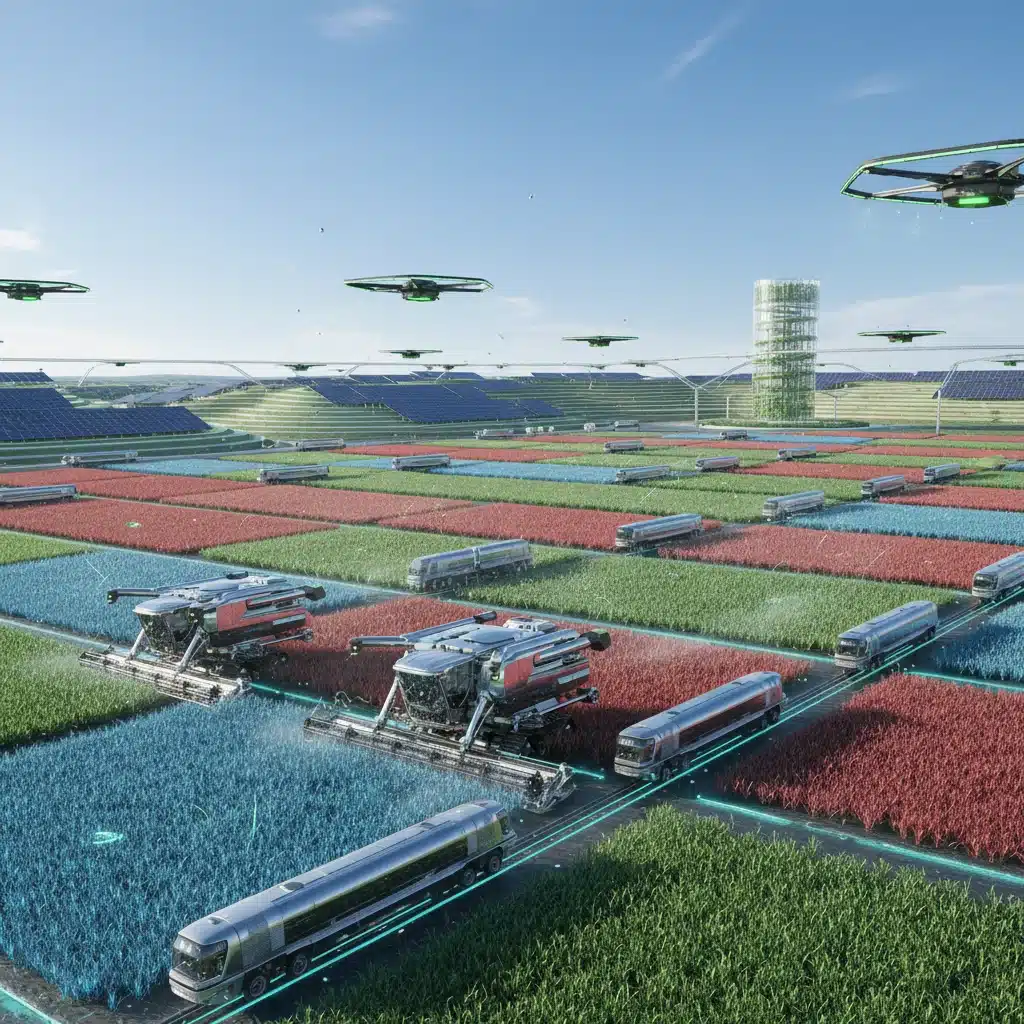
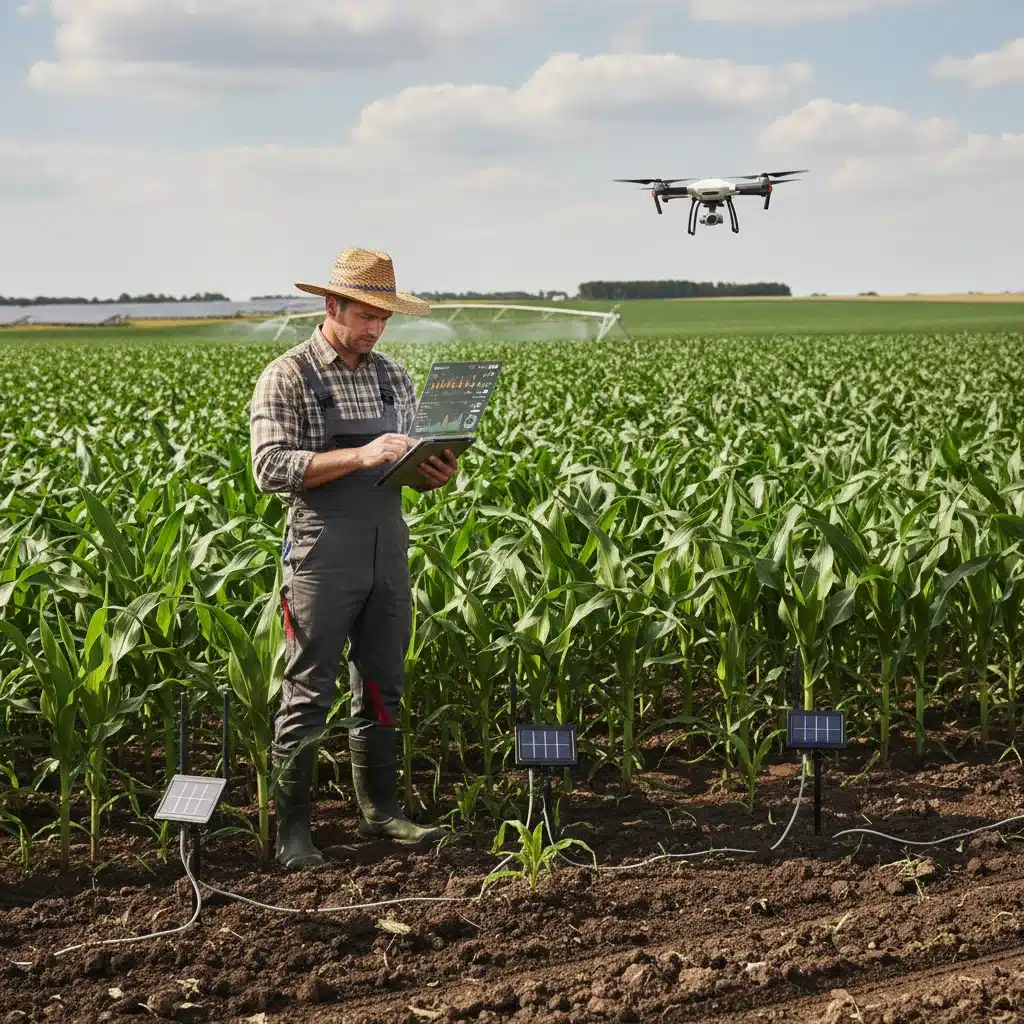
U.S. farmers are increasingly embracing precision agriculture technologies. GPS-guided tractors, variable-rate fertilizer application, drone-based crop monitoring, and advanced sensor networks are becoming more commonplace. These technologies optimize resource use, reduce waste, and improve yields, contributing to greater efficiency and sustainability. The 2026 agricultural report will likely demonstrate a significant uptick in the percentage of farms utilizing these tools, showcasing their economic and environmental benefits.
Anúncios
2. Focus on Sustainable and Regenerative Practices
Consumer demand for sustainably produced food, coupled with a growing understanding of environmental stewardship, is driving a shift towards regenerative agricultural practices. This includes no-till farming, cover cropping, diverse crop rotations, and integrated pest management. These methods aim to improve soil health, enhance biodiversity, reduce greenhouse gas emissions, and increase resilience to climate shocks. The 2026 agricultural report is expected to highlight the expansion of these practices and their positive contributions to both the environment and long-term farm viability.
3. Diversification of Crops and Livestock
While staple crops like corn, soybeans, and wheat remain dominant, there’s a growing interest in diversifying agricultural output. This includes specialty crops, organic produce, and alternative livestock. Diversification can enhance farm profitability, reduce reliance on single markets, and improve ecological resilience. The 2026 agricultural report might show shifts in acreage allocation towards more diverse farming systems, responding to evolving consumer tastes and market opportunities.
4. Labor Challenges and Automation
The agricultural sector continues to face significant labor shortages. This challenge is accelerating the adoption of automation and robotics in various farming operations, from planting and harvesting to sorting and packaging. While automation can boost efficiency and reduce labor costs, it also raises questions about the future of agricultural employment and the skills required for the workforce. The 2026 agricultural report will likely analyze the ongoing impact of automation on the agricultural labor market.
Projected Food Prices for U.S. Consumers: Insights from the 2026 Agricultural Report
One of the most critical sections of the 2026 agricultural report for the average American consumer will be the projections regarding food prices. Several factors will influence these forecasts:
1. Inflationary Pressures
Global economic conditions, including inflation rates, interest rates, and energy costs, directly influence the cost of food production and distribution. Higher input costs for fuel, fertilizers, seeds, and labor will inevitably translate into higher prices at the grocery store. The 2026 agricultural report will provide an outlook on how these macroeconomic factors are expected to impact food price inflation.
2. Supply Chain Resilience and Disruptions
The COVID-19 pandemic exposed vulnerabilities in global and domestic supply chains. The 2026 agricultural report will likely assess efforts made to build greater resilience into these systems, such as localized sourcing, improved logistics, and diversified suppliers. However, ongoing disruptions from climate events, geopolitical tensions, or new health crises could still trigger price volatility and shortages for specific products.

3. Commodity Market Volatility
Prices for agricultural commodities like grains, dairy, and meat are subject to global market forces, including supply and demand dynamics, speculative trading, and currency fluctuations. A bumper harvest in one region or a devastating drought in another can send ripples through international markets, affecting U.S. consumer prices. The 2026 agricultural report will offer insights into projected commodity prices and their pass-through effect on retail food costs.
4. Consumer Demand Shifts
Evolving consumer preferences, such as increased demand for organic, plant-based, or locally sourced foods, can also influence prices. If demand for certain niche products outpaces supply, their prices will rise. Conversely, a decline in demand for traditional products could lead to price stabilization or even reduction. The 2026 agricultural report will likely analyze these demand shifts and their market implications.
5. Policy and Subsidies
Government agricultural policies, including subsidies, trade agreements, and regulatory frameworks, play a significant role in shaping production costs and market prices. Changes in these policies can have direct consequences for both farmers and consumers. The 2026 agricultural report will consider the impact of current and anticipated policy decisions on the food economy.
Implications for U.S. Consumers and Food Security
The findings of the 2026 agricultural report will have profound implications for U.S. consumers, particularly concerning food affordability and security.
1. Food Affordability
If food prices continue to rise, it will place a greater burden on household budgets, especially for low-income families. The report might highlight the need for expanded food assistance programs and strategies to mitigate the impact of higher costs on vulnerable populations. Understanding the drivers behind price increases, as detailed in the 2026 agricultural report, is the first step towards developing effective interventions.
2. Dietary Choices and Health
Rising food prices can influence consumer dietary choices. When healthier options become more expensive, some consumers may opt for cheaper, less nutritious alternatives, potentially exacerbating public health issues. The 2026 agricultural report could implicitly or explicitly touch upon the relationship between food prices and public health outcomes, especially if significant price shifts are projected.
3. Food Security Challenges
While the U.S. is generally considered food secure, localized and individual food insecurity remains a significant concern. Disruptions in supply chains or sharp price increases, as might be detailed in the 2026 agricultural report, could worsen these challenges, particularly in food deserts or communities with limited access to affordable, nutritious food. The report should offer insights into the resilience of the food system against these potential shocks.
4. Consumer Empowerment and Awareness
Access to accurate information about food production and pricing trends empowers consumers to make informed decisions. The 2026 agricultural report serves as a vital resource for increasing public awareness about the complexities of the food system and the factors influencing their grocery bills. This knowledge can also drive demand for more sustainable and ethically produced food.
Addressing Challenges: Strategies for a Resilient Food System
The challenges outlined in the 2026 agricultural report will necessitate proactive strategies to build a more resilient, sustainable, and equitable food system. These strategies will likely include:
1. Investment in Agricultural Research and Development
Continued investment in research for climate-resilient crops, water-efficient irrigation, and sustainable pest management is crucial. Funding for agricultural science can lead to breakthroughs that address productivity challenges and environmental concerns. The 2026 agricultural report will likely underscore the importance of such investments.
2. Policy Support for Farmers
Policies that support farmers in adopting sustainable practices, managing risk, and accessing fair markets are essential. This includes crop insurance programs, conservation incentives, and fair trade regulations. The report will offer a snapshot of the policy landscape and its effectiveness.
3. Strengthening Supply Chains
Efforts to diversify supply sources, improve infrastructure, and enhance transparency in supply chains can help mitigate disruptions and reduce price volatility. Local and regional food systems also play a vital role in building resilience. The 2026 agricultural report will likely highlight successful models for strengthening these chains.
4. Consumer Education and Engagement
Educating consumers about the true cost of food, the benefits of sustainable agriculture, and how their choices impact the food system is important. Encouraging food waste reduction and supporting local producers are also key. The report can serve as a catalyst for greater consumer engagement.
5. International Cooperation
Given the global nature of food production and trade, international cooperation on agricultural research, trade agreements, and food aid is paramount. Collaborative efforts can help address global food security challenges and stabilize markets. The 2026 agricultural report will implicitly acknowledge the need for global collaboration to achieve food system resilience.
Conclusion: Looking Ahead with the 2026 Agricultural Report
The 2026 agricultural report will be more than just a collection of statistics; it will be a critical roadmap for understanding the future of food. It will illuminate the complex interplay of environmental, economic, social, and technological forces shaping our agricultural landscape. For U.S. consumers, the report will offer vital insights into what to expect at the grocery store, how their food is produced, and the challenges farmers face. By actively engaging with the findings of the 2026 agricultural report, policymakers, industry leaders, and consumers can work collaboratively to foster a more resilient, sustainable, and equitable food system for generations to come. The journey towards food security and affordability is ongoing, and comprehensive data, such as that provided by the 2026 agricultural report, is indispensable for navigating its complexities effectively.
Ultimately, the health of our agricultural sector directly translates to the health and well-being of our nation. The insights gleaned from the 2026 agricultural report will empower us to make informed decisions, adapt to changing circumstances, and innovate towards a future where nutritious, affordable food is accessible to all. The challenges are significant, but so too are the opportunities for growth, sustainability, and improved food security. Staying informed through resources like the upcoming 2026 agricultural report is the best way to prepare for the evolving food landscape.
Author