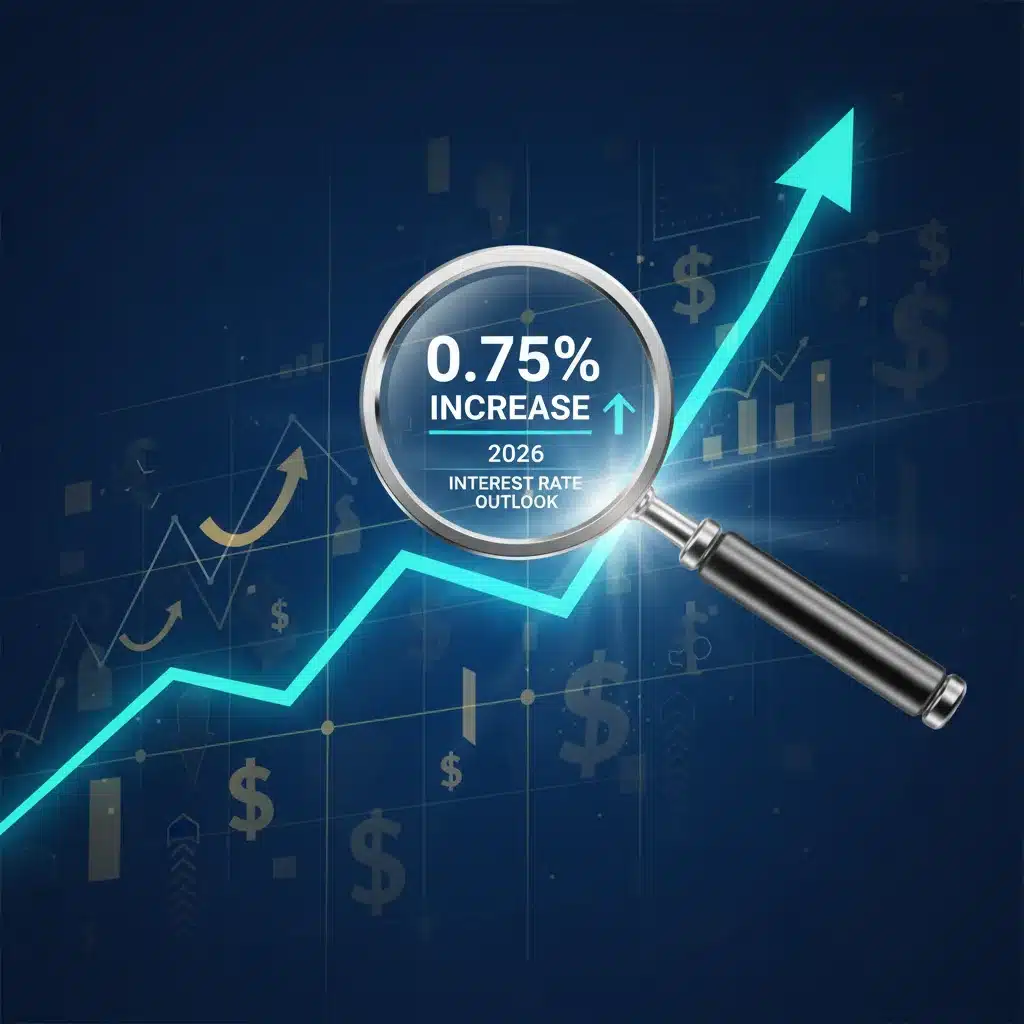
Understanding the 2026 Interest Rate Hikes: How to Adapt to a 0.75% Increase
The economic landscape is in constant flux, and few indicators hold as much sway over our financial lives as interest rates. As we look towards the future, specifically 2026, the prospect of significant interest rate hikes 2026 looms large for many economists and financial strategists. A projected 0.75% increase, while seemingly small, can have far-reaching implications across various sectors, from personal finance and housing to corporate investments and global markets. This comprehensive guide aims to demystify these potential changes, explore their impacts, and, most importantly, equip you with actionable strategies to adapt and thrive.
Understanding the rationale behind such hikes is crucial. Central banks typically raise interest rates to combat inflation, cool down an overheating economy, or stabilize currency. Conversely, they lower rates to stimulate economic growth. The decision to implement interest rate hikes 2026 will likely be a response to prevailing economic conditions at that time, including inflation rates, employment figures, and global economic stability. For individuals and businesses, preparing for these shifts is not just prudent; it’s essential for financial resilience.
This article will delve into the mechanisms of interest rate changes, analyze the potential effects of a 0.75% increase on different facets of the economy, and provide expert advice on how to recalibrate your financial strategies. Whether you’re a homeowner, an investor, a business owner, or simply someone looking to safeguard their financial future, the insights provided here will be invaluable.
Anúncios
The Mechanics of Interest Rate Hikes: Why 0.75% Matters
Before we explore the impact, let’s understand what a 0.75% increase in interest rates truly signifies. When a central bank, such as the Federal Reserve in the United States, raises its benchmark interest rate, it influences a cascade of other interest rates throughout the economy. This benchmark rate, often the federal funds rate, is the rate at which banks lend to each other overnight. A 0.75% bump means that borrowing money becomes more expensive for banks, and these increased costs are then passed on to consumers and businesses in the form of higher rates on loans, mortgages, and credit cards.
The significance of a 0.75% hike lies in its magnitude. While not an unprecedented jump, it represents a substantial move designed to have a noticeable effect on economic activity. Smaller increments, like 0.25%, are often used for fine-tuning. A 0.75% increase suggests a more deliberate and potentially urgent effort to address specific economic concerns, most commonly persistent inflation. The market’s reaction to such a significant move can be pronounced, leading to shifts in investment patterns, consumer spending, and overall economic sentiment.
Anúncios
Historically, aggressive rate hikes have been employed during periods of high inflation. The goal is to reduce the money supply, make borrowing less attractive, and thereby cool down demand, which in turn can help stabilize prices. However, this also carries the risk of slowing economic growth too much, potentially leading to a recession. Therefore, central banks carefully weigh these factors when considering interest rate hikes 2026, aiming for a ‘soft landing’ rather than a sharp downturn.
The anticipation of these hikes can also influence market behavior even before the official announcement. Investors may begin to adjust their portfolios, and businesses might reassess their expansion plans. Understanding this forward-looking aspect is key to proactive financial management.
Impact on Personal Finance: Your Money, Your Future
For the average individual, interest rate hikes 2026 will manifest in several tangible ways, directly affecting household budgets and financial decisions. A 0.75% increase can make a noticeable difference in the cost of living and borrowing.
Mortgages and Housing Market
One of the most immediate impacts will be on mortgages. For those with variable-rate mortgages, a 0.75% hike means higher monthly payments. This can strain household budgets, especially for those already at their financial limits. Prospective homebuyers will face higher borrowing costs, potentially reducing their purchasing power and cooling demand in the housing market. This could lead to a slowdown in home price appreciation or even price corrections in some areas. Refinancing existing mortgages might become less attractive unless current rates are significantly higher than the new ones.
The housing market’s sensitivity to interest rates cannot be overstated. A rise in rates increases the cost of ownership, not just through mortgage payments but also potentially through higher home equity line of credit (HELOC) rates. This can impact consumer confidence and investment in real estate.
Credit Cards and Loans
Credit card interest rates are typically variable and directly tied to benchmark rates. A 0.75% increase will translate to higher interest charges on outstanding balances. This makes carrying credit card debt significantly more expensive. Similarly, personal loans, auto loans, and student loans (especially those with variable rates) will see their interest rates climb. This underscores the importance of reducing high-interest debt before such hikes occur.
Savings and Investments
On a more positive note, higher interest rates often mean better returns on savings accounts, certificates of deposit (CDs), and money market accounts. While the increase might not fully offset the rising cost of borrowing, it offers an opportunity to earn more on your savings. Investors in fixed-income assets, such as bonds, might see their existing bond values decrease as new bonds are issued with higher yields. However, reinvesting in new bonds at higher rates can be beneficial in the long run.
Stock market reactions can be mixed. Higher borrowing costs for corporations can reduce profitability, potentially impacting stock prices. However, certain sectors, like banking and financials, can sometimes benefit from higher net interest margins. Diversification and a long-term investment strategy become even more critical during periods of rate volatility.
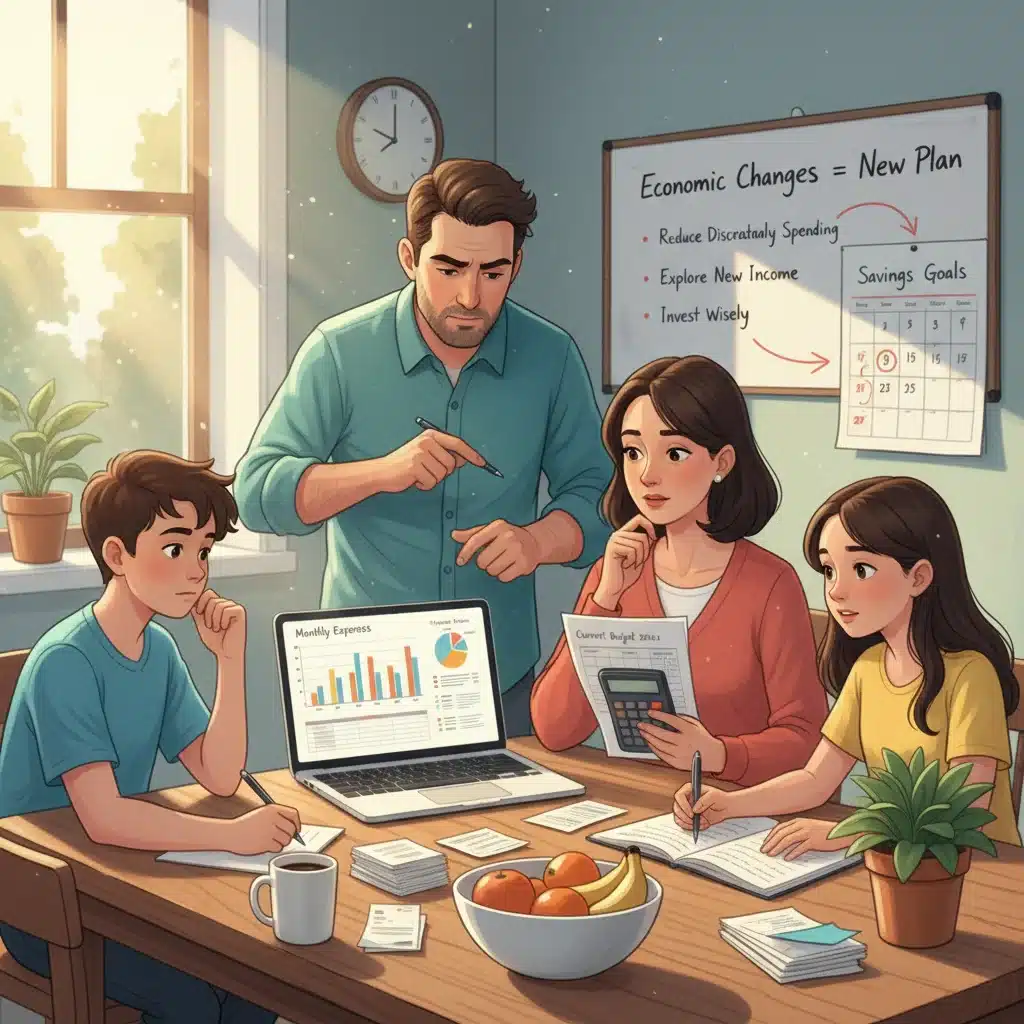
Strategies for Individuals: Adapting to Higher Rates
Proactive planning is your best defense against the adverse effects of interest rate hikes 2026. Here are actionable strategies for individuals:
1. Prioritize Debt Reduction
Focus on paying down high-interest debt, especially credit card balances and variable-rate loans. Consider consolidating debt into a lower-interest personal loan or a fixed-rate loan if available before rates climb further. The less high-interest debt you carry, the less exposed you are to rising rates.
2. Review Your Mortgage
If you have a variable-rate mortgage, assess your ability to absorb higher payments. Explore options to refinance into a fixed-rate mortgage now, if current rates are still favorable, or consider making extra principal payments to reduce your loan amount before the hikes. For prospective buyers, factor in higher interest costs into your affordability calculations.
3. Boost Your Savings
Take advantage of potentially higher returns on savings accounts and CDs. Build up your emergency fund to cover at least 3-6 months of living expenses. This provides a crucial buffer against unexpected financial strains.
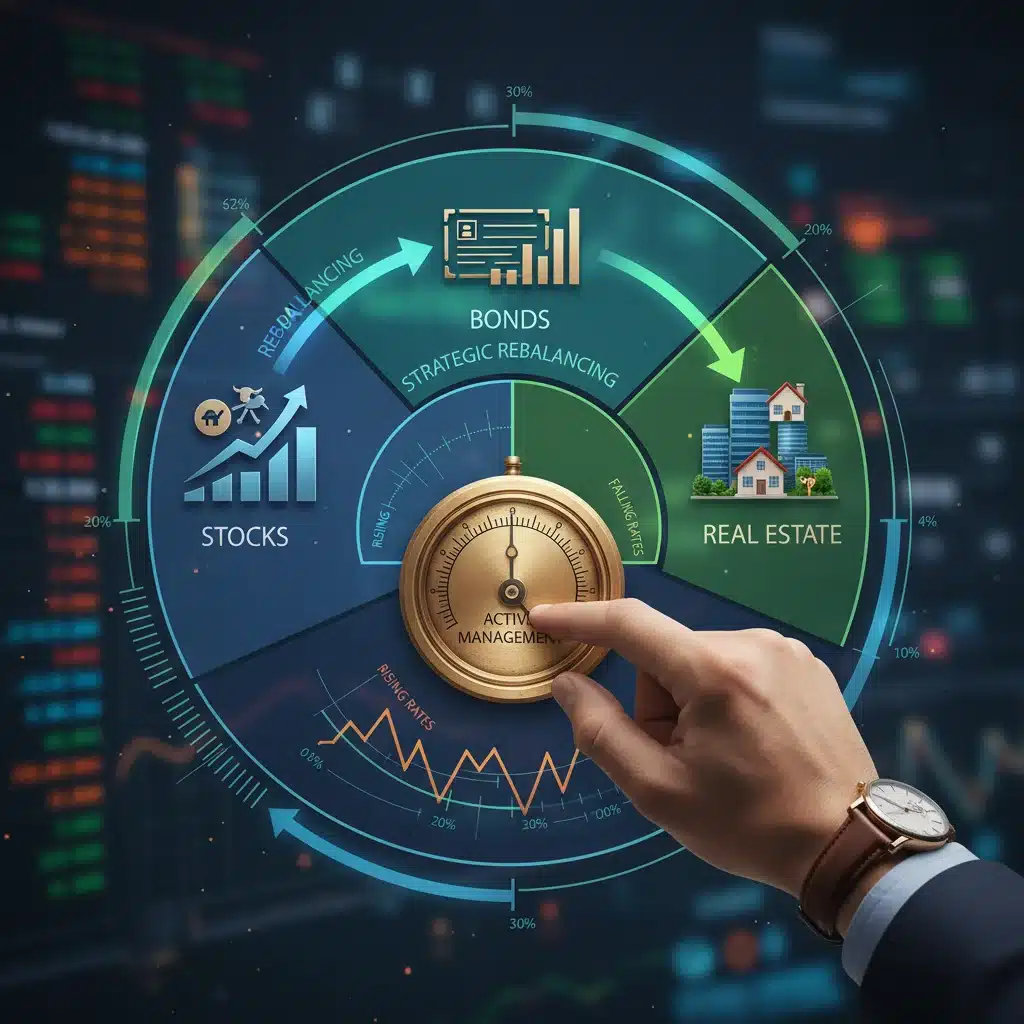
4. Reassess Your Investment Portfolio
Consult with a financial advisor to review your investment strategy. Consider diversifying your portfolio to include assets that perform well in a rising rate environment, such as value stocks or certain commodities. Rebalance your bond portfolio to take advantage of higher yields on new issues.
5. Optimize Your Budget
Conduct a thorough review of your household budget. Identify areas where you can cut unnecessary expenses to free up funds for debt repayment or savings. Every dollar saved now will have greater purchasing power later.
Impact on Businesses: Navigating the New Economic Climate
Businesses, from small startups to large corporations, will also feel the ripple effects of interest rate hikes 2026. The cost of borrowing impacts everything from operational expenses to expansion plans.
Cost of Capital and Investment
Higher interest rates directly increase the cost of borrowing for businesses. This affects loans taken out for capital expenditures, inventory financing, and working capital. Companies planning major investments, such as new equipment or facility expansion, may find these projects less financially viable due to increased debt servicing costs. This can lead to a slowdown in business investment and potentially a reduction in job creation.
Consumer Spending and Demand
As consumers face higher borrowing costs and potentially reduced disposable income, overall consumer spending may decline. Businesses that rely heavily on consumer discretionary spending, such as retail, hospitality, and entertainment, could see a drop in demand. This necessitates a re-evaluation of sales forecasts and marketing strategies.
Profit Margins and Valuations
Increased borrowing costs can squeeze profit margins, especially for highly leveraged companies. This can affect stock valuations, as future earnings are discounted at a higher rate. Businesses may need to find efficiencies, raise prices (carefully, to avoid further dampening demand), or explore alternative financing options to maintain profitability.
Exchange Rates and International Trade
Higher domestic interest rates can strengthen a country’s currency, making imports cheaper but exports more expensive. This can impact businesses involved in international trade, potentially benefiting importers while challenging exporters. Companies with international supply chains might also see shifts in costs.
Strategies for Businesses: Building Resilience
To mitigate the challenges posed by interest rate hikes 2026, businesses should consider the following:
1. Optimize Debt Structure
Review existing debt and consider refinancing variable-rate loans into fixed-rate options if advantageous. Explore options to reduce overall debt levels. This can involve prioritizing cash flow generation and prudent financial management.
2. Enhance Cash Flow Management
Strengthen cash flow forecasting and management. Optimize accounts receivable and payable to ensure sufficient liquidity. Building a healthy cash reserve can provide a buffer against increased borrowing costs and potential revenue dips.
3. Re-evaluate Investment Plans
Prioritize essential investments with clear, strong returns. Delay or re-evaluate non-critical expansion projects. Seek out opportunities for operational efficiency that can reduce costs and improve profitability without heavy capital outlay.
4. Diversify Funding Sources
Look beyond traditional bank loans. Explore alternative financing options such as venture capital, private equity, government grants, or crowdfunding, depending on the business size and sector. Diversifying funding sources can reduce reliance on interest-rate-sensitive debt.
5. Strategic Pricing and Cost Control
Carefully assess pricing strategies to cover increased costs without alienating customers. Implement stringent cost control measures across all departments. Negotiate better terms with suppliers and explore automation to reduce labor costs where feasible.
6. Scenario Planning
Develop different financial scenarios based on varying levels of interest rate increases and their potential impact on revenue and costs. This allows for quicker adaptation and more informed decision-making when the actual changes occur.
The Global Economic Context of 2026 Interest Rate Hikes
It’s important to view potential interest rate hikes 2026 within a broader global economic context. Central banks worldwide often react to similar economic pressures, and their decisions can have ripple effects across borders. A significant rate hike in a major economy like the United States can influence capital flows, exchange rates, and monetary policy decisions in other countries.
If other central banks also raise their rates, it could lead to a synchronized global tightening of monetary policy, potentially slowing down global economic growth. Conversely, if other economies maintain lower rates, it could lead to capital flight towards higher-yielding assets in the economy with rising rates, further strengthening its currency.
Geopolitical events, supply chain disruptions, and commodity price fluctuations will also continue to play a significant role in shaping the economic environment leading up to and during 2026. These factors can either exacerbate or mitigate the impact of interest rate changes, making it crucial for individuals and businesses to stay informed about global economic trends.
Understanding these interconnected dynamics allows for a more holistic approach to financial planning and risk management. For international businesses, this means closely monitoring currency exchange rates and hedging strategies. For individuals, it implies being aware of how global events can influence local economic conditions and investment opportunities.
Long-Term Outlook and Future Considerations
While the immediate focus is on interest rate hikes 2026 and a potential 0.75% increase, it’s equally important to consider the long-term implications. Interest rate cycles are a normal part of economic activity, and understanding their patterns can help in making more informed decisions.
After a period of rising rates, central banks might eventually pause or even begin to lower rates if economic growth slows too much or inflation is brought under control. However, predicting the exact timing and magnitude of these shifts is challenging. Therefore, adopting a flexible and adaptable financial strategy is paramount.
For individuals, this means continuously reviewing financial goals, adjusting budgets as needed, and maintaining a diversified investment portfolio that can withstand various market conditions. For businesses, it involves fostering financial agility, focusing on sustainable growth, and continuously innovating to remain competitive regardless of the interest rate environment.
The lessons learned from previous cycles of rate hikes and cuts are invaluable. They teach us the importance of not over-leveraging, maintaining healthy liquidity, and making decisions based on sound financial principles rather than short-term market fluctuations.
Conclusion: Preparing for the Future with Confidence
The prospect of interest rate hikes 2026, particularly a significant 0.75% increase, presents both challenges and opportunities. While higher borrowing costs can strain personal and business finances, they also pave the way for better returns on savings and a potential rebalancing of economic conditions. The key to navigating this future successfully lies in proactive planning, informed decision-making, and a willingness to adapt.
By understanding the mechanics of interest rate changes, assessing their potential impact on your personal finances and business operations, and implementing strategic adjustments, you can position yourself for resilience and growth. Prioritizing debt reduction, optimizing savings, reviewing investment portfolios, and enhancing cash flow management are not just responses to a potential rate hike; they are fundamental principles of sound financial health.
The economic journey ahead may be uncertain, but with the right knowledge and preparation, you can face the challenges of interest rate hikes 2026 with confidence and turn potential obstacles into stepping stones for a more secure financial future. Stay informed, stay agile, and consult with financial professionals to tailor strategies that best suit your unique circumstances.