Energy Assistance Programs 2026: Don’t Miss Out on Up to $500 in Seasonal Benefits

Anúncios
In an increasingly unpredictable economic climate, ensuring a warm home in winter and a cool sanctuary in summer can be a significant financial challenge for many households. Utility costs continue to rise, making it harder for low-income families, seniors, and individuals with disabilities to keep up. Thankfully, various Energy Assistance Programs exist to alleviate this burden. As we look towards 2026, it’s crucial to understand how these vital programs work, who qualifies, and how you can access up to $500 or more in seasonal benefits to maintain a comfortable and safe living environment. This comprehensive guide aims to demystify the process, providing you with all the information you need to take advantage of these essential resources.
The importance of reliable energy assistance cannot be overstated. Beyond just financial relief, these programs contribute significantly to public health and safety, preventing illnesses related to extreme temperatures and ensuring that vulnerable populations can live with dignity. Whether it’s the Low Income Home Energy Assistance Program (LIHEAP) or state-specific initiatives, understanding the intricacies of each can mean the difference between struggling to pay bills and receiving much-needed support. This article will delve deep into the specifics of Energy Assistance Programs for 2026, offering practical advice and actionable steps to help you secure the benefits you deserve.
Anúncios
Understanding the Landscape of Energy Assistance Programs
At the heart of most energy assistance efforts in the United States is the Low Income Home Energy Assistance Program (LIHEAP). Funded by the federal government, LIHEAP provides critical financial aid to eligible households to help them manage their heating and cooling costs, address energy crises, and implement weatherization and energy-related home repairs. While LIHEAP is a federal program, it is administered by states, territories, and tribal organizations, meaning eligibility requirements and application processes can vary significantly from one location to another. This decentralized administration is designed to allow local agencies to tailor programs to the specific needs of their communities, but it also necessitates that applicants be diligent in researching the requirements pertinent to their area.
Beyond LIHEAP, many states and utility companies offer their own supplementary Energy Assistance Programs. These can include discount rates for low-income customers, arrearage management plans to help pay off past-due bills, and energy efficiency programs that provide free home weatherization services or energy-saving appliances. The combination of federal, state, and private initiatives creates a robust, albeit complex, network of support designed to prevent utility shut-offs and ensure energy affordability for those who need it most. Navigating this landscape requires a clear understanding of what’s available and how to access it, which is precisely what this guide aims to illuminate for 2026.
Anúncios
Who Qualifies for Energy Assistance? Eligibility Criteria Explained
Eligibility for Energy Assistance Programs, particularly LIHEAP, is primarily based on income. Generally, households with incomes at or below 150% of the federal poverty level or 60% of the state’s median income (whichever is greater) are considered eligible. However, states have the flexibility to set their own income thresholds within these federal guidelines. It’s also important to note that many programs automatically qualify households that receive other federal benefits, such as the Supplemental Nutrition Assistance Program (SNAP), Temporary Assistance for Needy Families (TANF), or Supplemental Security Income (SSI). This ‘categorical eligibility’ simplifies the application process for those already enrolled in other assistance programs.
Beyond income, other factors can influence eligibility. These often include household size, the presence of vulnerable individuals (such as young children, elderly adults, or individuals with disabilities), and the type of heating or cooling source used. Some programs may also consider a household’s energy burden – the percentage of income spent on energy costs – as a factor in determining need. For example, a household with a higher energy burden might receive more significant assistance even if their income is slightly above a typical threshold. It is crucial to check with your local LIHEAP office or state energy assistance agency for the precise criteria applicable to your specific situation in 2026. Don’t assume you don’t qualify without investigating; many households are surprised to find they are eligible for crucial support.
The Application Process for Energy Assistance Programs in 2026
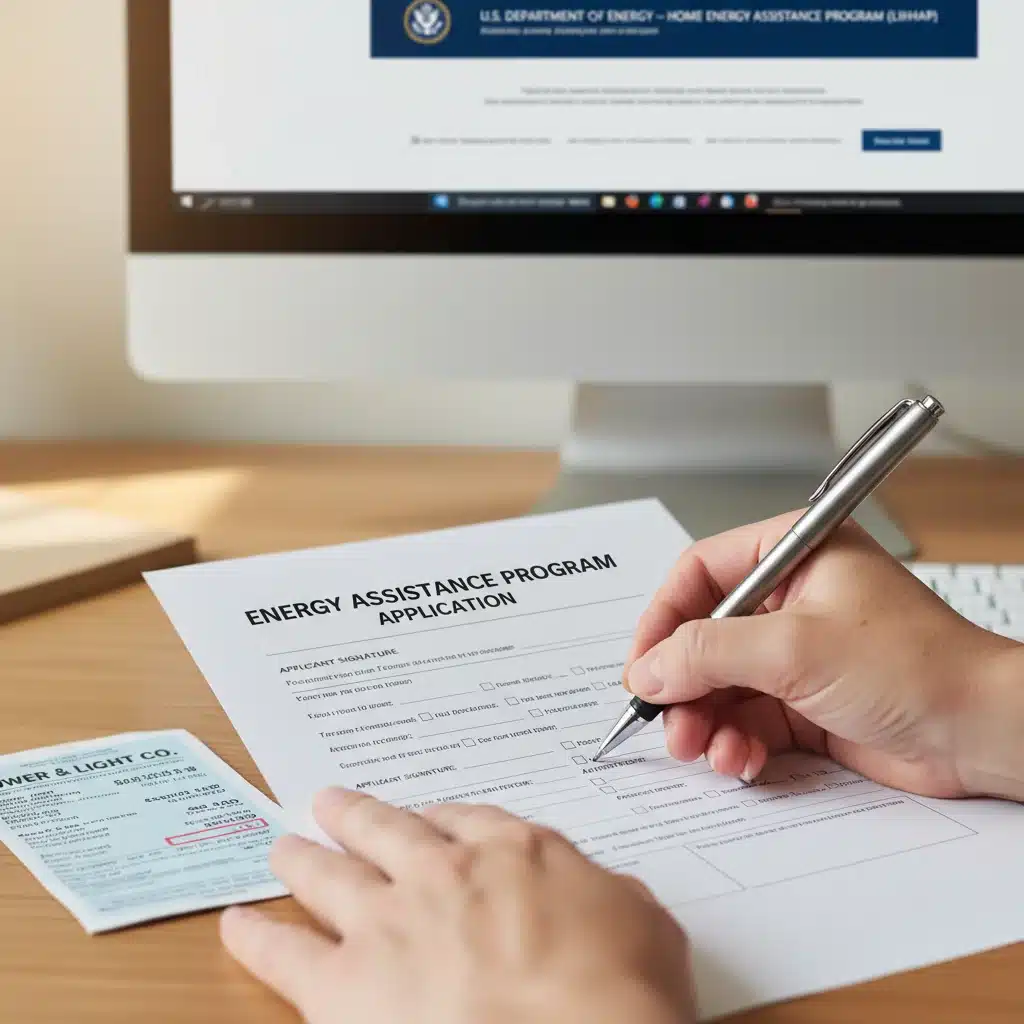
Applying for Energy Assistance Programs can seem daunting, but breaking it down into manageable steps makes the process much smoother. The first step is to identify your local administering agency. For LIHEAP, this is typically your state’s Department of Social Services, a local community action agency, or a similar organization. A simple online search for “LIHEAP [your state]” or “energy assistance [your county]” should provide you with the necessary contact information and links to application portals.
Once you’ve located the appropriate agency, you’ll need to gather several documents. These commonly include proof of income for all household members (pay stubs, tax returns, Social Security benefit letters, etc.), proof of residency (utility bills, lease agreements), identification for all household members, and your most recent utility bills. It’s a good practice to have these documents organized and readily available before you begin the application to avoid delays. Many agencies now offer online applications, which can expedite the process, but in-person or mail-in options are usually available as well. Be prepared to provide accurate and complete information, as any discrepancies could lead to delays or denial of benefits.
What to Expect After Applying and Receiving Benefits
After submitting your application for Energy Assistance Programs, there will be a waiting period while your eligibility is reviewed. This period can vary depending on the volume of applications and the agency’s resources, but it typically ranges from a few weeks to a couple of months. During this time, it’s advisable to continue monitoring your utility bills and, if possible, make minimum payments to avoid service disconnection, especially if you anticipate delays in receiving aid. Some programs offer emergency assistance for households facing immediate shut-off threats, so be sure to inquire about these options if your situation is urgent.
If your application is approved, the benefits are usually paid directly to your utility company on your behalf. The amount of assistance can vary widely, often ranging from a few hundred dollars to upwards of $500, depending on your income, household size, energy costs, and the specific program. These seasonal benefits are designed to offset a significant portion of your heating or cooling expenses during peak usage periods. In some cases, particularly for energy crisis situations, you might receive a direct payment or a voucher. It’s important to understand that receiving assistance once doesn’t automatically guarantee future aid; you will likely need to reapply for Energy Assistance Programs each year or season as required by the program guidelines. Always keep records of your application and approval for your own reference.
Beyond Direct Financial Aid: Other Energy Assistance Programs
While direct financial payments are a cornerstone of Energy Assistance Programs, many initiatives extend beyond simply paying a portion of your utility bill. Energy efficiency and weatherization programs are critically important components, aiming to reduce your overall energy consumption and, consequently, your long-term utility costs. The Weatherization Assistance Program (WAP), for instance, provides grants to states to improve the energy efficiency of homes belonging to low-income families. Services can include sealing air leaks, adding insulation, repairing or replacing inefficient heating and cooling systems, and replacing old appliances with energy-efficient models. These improvements not only save money but also enhance home comfort and safety.
Many utility companies also offer their own energy efficiency audits and upgrade programs, sometimes at no cost to eligible customers. These programs can identify areas where your home is losing energy and recommend specific improvements. Participating in these programs can significantly reduce your energy burden, making your home more sustainable and affordable in the long run. When exploring Energy Assistance Programs, always ask about available weatherization and energy efficiency options. Investing in these long-term solutions can provide benefits far beyond a one-time payment, creating lasting financial relief and environmental advantages.
Special Considerations for Seniors, Disabled Individuals, and Veterans
Vulnerable populations, such as seniors, individuals with disabilities, and veterans, often face unique challenges in managing energy costs. Recognizing this, many Energy Assistance Programs offer specialized support or prioritize applications from these groups. For seniors, fixed incomes and health conditions can make them particularly susceptible to extreme temperatures. Many states have specific programs or enhanced benefits for elderly households, and local Area Agencies on Aging can often provide assistance with applications or connect seniors with additional resources.
Similarly, individuals with disabilities may have higher energy needs due to medical equipment or mobility limitations, and veterans may face economic hardships post-service. Organizations like the Department of Veterans Affairs (VA) or local veteran service organizations can be excellent resources for connecting veterans with applicable Energy Assistance Programs. It is always recommended that individuals in these categories explicitly state their status during the application process, as it may qualify them for expedited processing or additional aid. Advocacy groups dedicated to these populations can also offer valuable guidance and support.
Maximizing Your Seasonal Benefits: Tips for 2026
To ensure you get the most out of Energy Assistance Programs in 2026, a proactive and informed approach is key. Firstly, don’t wait until you’re in a crisis to apply. Many programs have application windows, and funds can be limited. Applying early ensures you’re considered before resources are depleted. Secondly, maintain open communication with your utility provider. Many companies have their own assistance programs, payment plans, or deferred payment options that can help bridge the gap while you wait for federal or state aid. They may also be able to refer you to local agencies offering assistance.
Thirdly, explore all available resources. Beyond LIHEAP, look into state-specific programs, local community action agencies, and non-profit organizations that offer utility assistance. Websites like 211.org can be a great starting point for finding local resources. Lastly, practice energy conservation. Even with assistance, reducing your energy consumption through simple habits like adjusting thermostats, sealing drafts, and using energy-efficient lighting can further lower your bills and extend the impact of the aid you receive. Combining financial assistance with smart energy practices is the most effective way to manage your home energy costs throughout the year.
Common Pitfalls to Avoid When Applying for Energy Assistance
While Energy Assistance Programs are designed to help, certain mistakes can delay or even derail your application. One common pitfall is incomplete or inaccurate documentation. Double-check that all required forms are filled out correctly and that all necessary supporting documents are attached. Missing information is the leading cause of application delays. Another mistake is assuming you don’t qualify. Eligibility criteria can be complex and may change, so always verify the current requirements with your local agency rather than relying on outdated information or assumptions.
Ignoring communication from the administering agency is another error to avoid. If an agency requests additional information or clarification, respond promptly. Failure to do so can lead to your application being closed. Furthermore, some applicants may not realize that benefits are often seasonal. For example, heating assistance is typically available during winter months, and cooling assistance during summer. Be aware of these seasonal distinctions and apply during the appropriate window for the type of aid you need. By avoiding these common pitfalls, you can significantly increase your chances of successfully receiving support from Energy Assistance Programs.
The Future of Energy Assistance: What to Expect in 2026 and Beyond
As we move further into 2026 and beyond, the landscape of Energy Assistance Programs is likely to continue evolving. Climate change and extreme weather events are placing increasing demands on energy grids and household budgets, making these programs more vital than ever. There is a growing emphasis on not just providing emergency aid but also on investing in long-term solutions like renewable energy integration and advanced energy efficiency technologies for low-income households. Policy discussions often revolve around expanding eligibility, increasing funding, and streamlining application processes to make assistance more accessible and effective.
Technological advancements are also playing a role, with more agencies adopting online portals, digital verification systems, and even AI-powered tools to process applications more efficiently. Furthermore, there’s a push for better integration between various social safety net programs, aiming to create a more holistic support system for vulnerable families. Staying informed about these potential changes through official government websites and reputable news sources will be crucial for anyone seeking to leverage Energy Assistance Programs in the coming years. The goal remains consistent: to ensure that every household has access to affordable and reliable energy, contributing to healthier, safer, and more stable communities.
Advocacy and Community Support for Energy Affordability
Beyond government initiatives, community advocacy and non-profit organizations play a significant role in promoting energy affordability and supporting those in need. Many local charities, religious organizations, and community foundations offer their own utility assistance programs, often working in conjunction with state and federal efforts. These organizations can sometimes provide emergency funds when other avenues are exhausted or help with specific needs not covered by larger programs. They also serve as crucial advocates, lobbying for increased funding and more equitable access to Energy Assistance Programs.
Engaging with these community resources can provide not only financial aid but also valuable information, emotional support, and connections to other services. Volunteering or donating to such organizations, if you are in a position to do so, also contributes to the collective effort of ensuring energy security for all. The strength of Energy Assistance Programs lies not just in their funding but in the collaborative network of government agencies, utility companies, and community groups working together to address a fundamental human need. By understanding and utilizing this network, individuals and families can navigate financial challenges with greater confidence and comfort.
Conclusion: Securing Your Energy Future in 2026
Navigating the complex world of Energy Assistance Programs can seem daunting, but with the right information and a proactive approach, you can unlock significant financial relief and ensure your home remains comfortable and safe throughout the year. As we’ve explored, programs like LIHEAP, coupled with state-specific initiatives and utility company offerings, provide a vital safety net for millions of households. From understanding eligibility criteria and streamlining your application to exploring energy efficiency upgrades and leveraging community support, every step you take brings you closer to securing the benefits you deserve.
Remember, don’t hesitate to seek help if you’re struggling with utility costs. Up to $500 or more in seasonal benefits could be waiting for you in 2026. By staying informed, preparing your documentation, and reaching out to the appropriate agencies and organizations, you can effectively manage your energy burden and protect your household from the stresses of unaffordable utility bills. Your energy future in 2026 can be one of stability and comfort, thanks to the dedicated efforts of these crucial Energy Assistance Programs.
Author