
SNAP 2026: Understanding 4 Key Changes to Your Monthly Benefits
The Supplemental Nutrition Assistance Program (SNAP), often referred to as food stamps, plays a critical role in providing food security for millions of low-income individuals and families across the United States. As we approach 2026, several significant adjustments are on the horizon for the program. These changes are designed to refine how benefits are calculated, who is eligible, and how the program operates, potentially impacting the monthly benefits of countless recipients. Understanding these updates is crucial for current beneficiaries, potential applicants, and advocates alike. This comprehensive guide will delve into four recent changes impacting SNAP 2026, offering clarity and actionable insights to help you navigate the evolving landscape of food assistance.
For many, SNAP benefits are a lifeline, ensuring that nutritious food is accessible even during times of financial hardship. The program’s structure is complex, influenced by federal legislation, state-level policies, and economic indicators. Therefore, changes, even seemingly minor ones, can have profound effects on household budgets and overall well-being. Our goal here is to break down the complexities of these upcoming SNAP 2026 changes, providing a clear, detailed explanation of what to expect and how to prepare. We will explore shifts in eligibility criteria, adjustments to benefit calculations, new administrative requirements, and potential impacts on specific demographics. By the end of this article, you will have a solid understanding of the evolving nature of SNAP and how these four key changes could specifically affect your monthly benefits.
Anúncios
The Evolving Landscape of SNAP: Why Changes Occur
Before diving into the specifics of the SNAP 2026 changes, it’s important to understand why such modifications are implemented. SNAP, like many federal programs, is subject to periodic reviews, legislative amendments, and adjustments based on economic conditions, public health needs, and administrative efficiency goals. These changes can stem from new federal farm bills, annual appropriations acts, or regulatory updates issued by the U.S. Department of Agriculture (USDA), which oversees SNAP. The primary objectives often include ensuring the program remains fiscally responsible, responsive to the needs of vulnerable populations, and effective in promoting nutritional well-being.
The year 2026 is poised to bring a confluence of these factors, leading to the four significant adjustments we will detail. Economic forecasts, recent inflation trends, and ongoing discussions about poverty reduction strategies all contribute to the rationale behind these updates. Policymakers aim to strike a balance between providing adequate assistance and encouraging self-sufficiency. This delicate balance often translates into modifications in income thresholds, deduction allowances, and work requirements. Staying informed about these underlying motivations can help beneficiaries contextualize the changes and better understand their potential implications for their monthly benefits and overall eligibility for SNAP 2026.
Anúncios
Change 1: Revised Income Eligibility Thresholds for SNAP 2026
One of the most impactful changes for SNAP 2026 involves revised income eligibility thresholds. Historically, SNAP eligibility has been determined by a household’s gross and net income relative to the Federal Poverty Level (FPL). For most households, gross monthly income must be at or below 130% of the FPL, and net income must be at or below 100% of the FPL, after certain deductions. However, the upcoming changes in 2026 are expected to adjust these percentages or the way specific income types are counted, potentially altering who qualifies for benefits and at what level.
These revisions are often influenced by a combination of factors: inflation, the cost of living in various regions, and updated data on poverty lines. A slight increase or decrease in these thresholds can have a cascading effect. For instance, if the gross income threshold is lowered, some households that previously qualified might find themselves ineligible. Conversely, an upward adjustment could bring more families into the program. It’s crucial for applicants and current recipients to monitor the specific income guidelines released by their state’s SNAP agency as 2026 approaches, as states often have some discretion within federal parameters. Understanding these new SNAP 2026 income requirements will be the first step in assessing your continued eligibility or potential for new enrollment.
Furthermore, these changes may also affect the definition of ‘income’ itself. Some previously excluded income sources might now be included, or vice versa, impacting the calculation of both gross and net income. This level of detail is critical for accurate self-assessment. Households with fluctuating incomes, such as those relying on seasonal work or gig economy jobs, will need to pay particularly close attention to how their earnings are assessed under the new SNAP 2026 rules. The goal of these adjustments is often to ensure the program targets those most in need, but the practical implications can vary significantly depending on individual household circumstances.
Change 2: Adjustments to Standard Deductions and Allowable Expenses
The second significant change for SNAP 2026 pertains to adjustments in standard deductions and allowable expenses. When calculating a household’s net income – the figure used to determine benefit amounts – SNAP allows for various deductions. These typically include a standard deduction, deductions for dependent care, medical expenses for elderly or disabled members, shelter costs, and child support payments. The upcoming changes in 2026 are anticipated to modify the values of these standard deductions or introduce new rules regarding what expenses can be deducted.
For example, the standard deduction, which is a fixed amount subtracted from gross income, may be updated to better reflect current living costs. Similarly, caps on certain deductions, such as the shelter deduction, might be revised. Any alteration to these deductions directly impacts a household’s net income. A higher standard deduction or increased limits on allowable expenses could lead to a lower net income calculation, potentially resulting in higher monthly SNAP benefits. Conversely, a reduction in these deductions could mean a higher net income and thus, a decrease in benefits.
Consider the impact on households with significant shelter costs or medical expenses. If the medical expense deduction cap is raised, or if the calculation method for what constitutes an ‘excess’ medical expense is refined, it could provide much-needed relief and increase benefits for eligible seniors and individuals with disabilities. 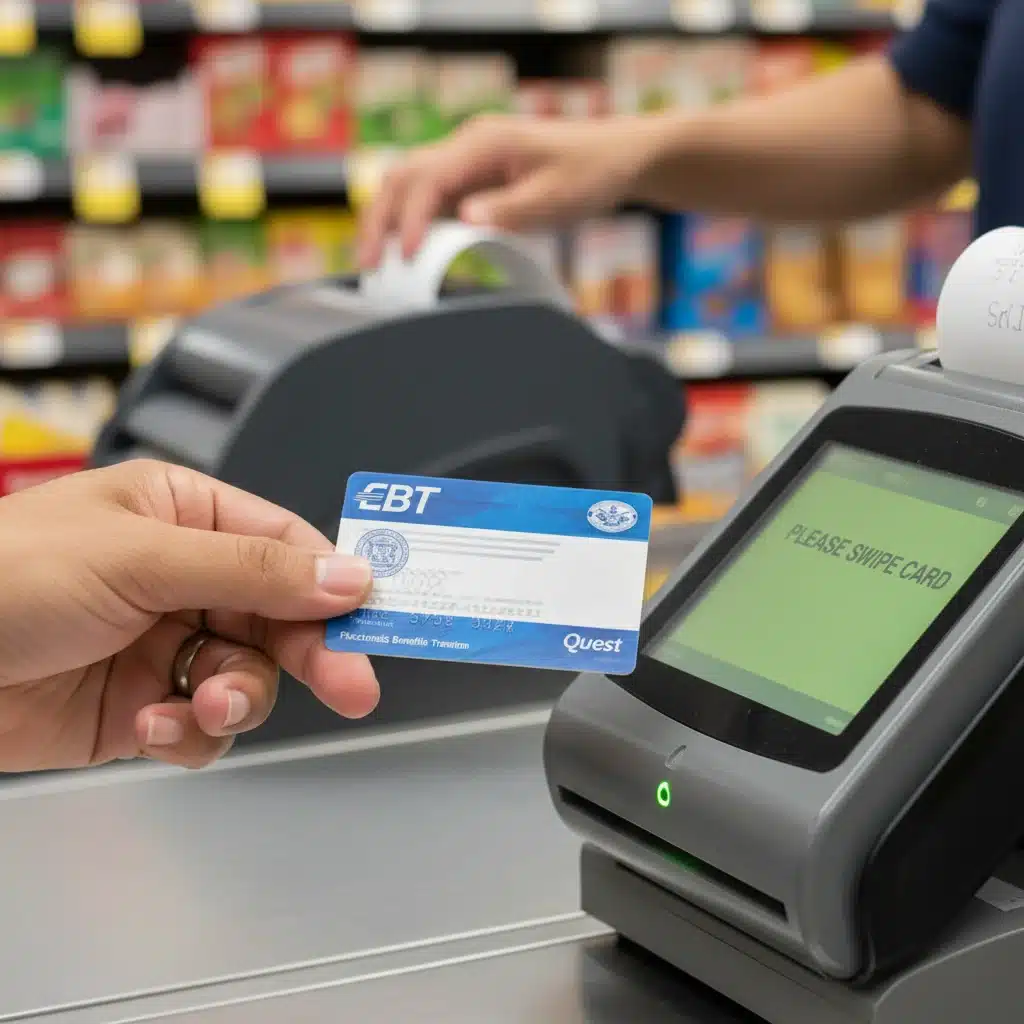 These adjustments are crucial because they acknowledge that a household’s ability to afford food is not solely dependent on their gross income, but also on their unavoidable expenditures. Staying informed about these deduction changes under SNAP 2026 is vital for maximizing your potential benefit amount and accurately reporting your household’s financial situation.
Beneficiaries should review their current deductions and anticipate how the new SNAP 2026 rules might affect their net income. This might involve gathering updated documentation for medical expenses, child care costs, or rent/mortgage payments to ensure they can claim all applicable deductions under the new guidelines. The goal of these deduction adjustments is often to make the program more equitable and reflective of the true financial strain experienced by low-income families, ensuring that the SNAP 2026 benefits are distributed effectively to those who need them most.
Change 3: Enhanced Focus on Work Requirements and Training Programs
The third significant update for SNAP 2026 involves an enhanced focus on work requirements and participation in employment and training (E&T) programs. While work requirements have long been a component of SNAP for able-bodied adults without dependents (ABAWDs), the upcoming changes may introduce stricter enforcement, expanded definitions of who is subject to these requirements, or new opportunities for vocational training and job search assistance.
Historically, ABAWDs aged 18-50 are limited to three months of SNAP benefits in a 36-month period unless they are working or participating in a work program for at least 20 hours per week. The SNAP 2026 changes could extend the age range for ABAWD requirements, reduce the number of allowable waiver exemptions, or increase the minimum hours required for work or program participation. Such changes could mean that more individuals are subject to these requirements, necessitating proactive engagement with employment services to maintain eligibility.
Conversely, these changes may also come with increased funding and resources for SNAP E&T programs. These programs are designed to help beneficiaries gain skills, find employment, and ultimately reduce their reliance on public assistance. If the SNAP 2026 reforms emphasize these programs, it could mean more accessible job training, educational opportunities, and support services for those seeking to enter or re-enter the workforce. This dual approach – stricter requirements coupled with enhanced support – aims to foster greater economic independence among SNAP recipients.
It is imperative for individuals subject to or potentially subject to work requirements to understand the new SNAP 2026 guidelines. Contacting your state SNAP agency or a local workforce development office can provide clarity on specific requirements, available exemptions, and how to enroll in approved E&T programs. Non-compliance with work requirements can lead to a temporary or permanent loss of SNAP benefits, making proactive engagement with these changes absolutely critical for maintaining your monthly benefits.
Change 4: Streamlined Application and Reporting Processes
The fourth major change for SNAP 2026 is expected to focus on streamlining application and reporting processes. One of the ongoing challenges for both applicants and administrators has been the complexity and often bureaucratic nature of applying for and maintaining SNAP benefits. The upcoming changes aim to simplify these procedures, making the program more accessible and efficient.
This could manifest in several ways: enhanced online application portals, simplified documentation requirements, or the integration of data across different government assistance programs to reduce redundant paperwork. For instance, states might implement systems where information submitted for Medicaid or Temporary Assistance for Needy Families (TANF) can be automatically used for SNAP applications, reducing the burden on applicants. The goal is to minimize administrative hurdles that can prevent eligible individuals from accessing the food assistance they need.
Furthermore, changes may also affect the reporting requirements for beneficiaries. While recipients are typically required to report changes in income, household size, or other circumstances within a certain timeframe, the SNAP 2026 updates might introduce longer reporting periods for stable households or more user-friendly online tools for submitting updates. This could reduce errors and ensure that benefits are accurately adjusted in a timely manner, preventing both overpayments and underpayments.
While the specifics will vary by state, the overarching aim is to improve the user experience and reduce the administrative burden.  For beneficiaries, this means potentially less time spent on paperwork and more clarity on what information is needed and when. Keeping an eye on announcements from your state’s SNAP agency regarding new online tools, simplified forms, or updated reporting guidelines will be essential. These improvements to the application and reporting processes under SNAP 2026 are designed to ensure that the program runs more smoothly for everyone involved.
Preparing for SNAP 2026: Actionable Steps for Beneficiaries
Given these impending SNAP 2026 changes, proactive preparation is key to ensuring uninterrupted access to your monthly benefits. Here are several actionable steps you can take:
- Stay Informed: Regularly check the official USDA SNAP website and your state’s SNAP agency website for the latest announcements, detailed guidelines, and specific effective dates for the 2026 changes. Sign up for any available newsletters or alerts.
- Review Your Eligibility: Re-evaluate your household’s income and deductions against the anticipated new thresholds. Gather documentation for all income sources and allowable expenses (rent, utilities, medical costs, child care) to ensure you can accurately report your situation under the new SNAP 2026 rules.
- Understand Work Requirements: If you are an able-bodied adult without dependents, familiarize yourself with any updated work requirements or expanded age limits. Proactively seek out information on approved employment and training programs in your area.
- Update Your Contact Information: Ensure your state SNAP agency has your most current mailing address, phone number, and email address. This will ensure you receive important notices about your benefits and any upcoming changes for SNAP 2026.
- Seek Assistance if Needed: If you have questions or need help navigating the changes, contact your local SNAP office, a community assistance program, or a legal aid organization. They can provide personalized guidance and support.
- Budgeting and Financial Planning: With potential changes to benefit amounts, it’s a good time to review your household budget and explore other local food assistance resources, such as food banks or community pantries, as a supplementary measure.
- Keep Records: Maintain good records of all correspondence with the SNAP agency, submitted documents, and reported changes. This can be invaluable if any discrepancies or issues arise regarding your SNAP 2026 benefits.
By taking these steps, you can confidently navigate the upcoming SNAP 2026 changes and ensure that your household continues to receive the food assistance it needs. The program is dynamic, and staying ahead of these updates is the best way to protect your benefits.
The Long-Term Impact of SNAP 2026 Changes
The four recent changes impacting SNAP 2026 are not isolated adjustments; they are part of a broader, ongoing effort to refine and optimize the Supplemental Nutrition Assistance Program. The long-term impact of these modifications could be far-reaching, affecting not only individual households but also local economies and public health outcomes. Understanding these potential long-term effects helps contextualize the importance of staying informed and prepared.
For instance, changes to income eligibility and deduction allowances (Changes 1 and 2) will directly influence the number of people receiving benefits and the total amount of food assistance distributed. If eligibility tightens, fewer people might receive help, potentially increasing food insecurity rates in certain communities. Conversely, if deductions are more generous, it could lead to higher individual benefits, providing a greater boost to local grocery stores and food retailers, as SNAP benefits are spent directly on food.
The enhanced focus on work requirements and training programs (Change 3) aims to foster greater self-sufficiency. In the long run, if these programs are effective, they could lead to higher employment rates among former SNAP recipients, reducing reliance on public assistance and improving economic mobility. However, if the requirements are too stringent without adequate support, they could inadvertently lead to a loss of benefits for vulnerable individuals struggling to find stable employment, pushing them further into poverty.
Finally, streamlined application and reporting processes (Change 4) have the potential to significantly reduce administrative burdens for both beneficiaries and state agencies. Over time, this could lead to a more efficient program, with fewer processing delays and a higher rate of eligible individuals successfully accessing benefits. A more user-friendly system can also reduce the stigma associated with applying for assistance, encouraging more people in need to utilize the program. The cumulative effect of these SNAP 2026 changes will undoubtedly shape the future of food assistance in the United States, making it essential for all stakeholders to remain engaged and adaptable.
Conclusion: Navigating Your SNAP Benefits in 2026
The Supplemental Nutrition Assistance Program (SNAP) is a vital safety net, and the upcoming SNAP 2026 changes are set to reshape how millions access crucial food assistance. We’ve explored four key areas of impact: revised income eligibility thresholds, adjustments to standard deductions and allowable expenses, an enhanced focus on work requirements and training programs, and streamlined application and reporting processes. Each of these changes carries the potential to significantly alter your monthly benefits and overall experience with the program.
Navigating these updates requires diligence and proactive engagement. By staying informed through official channels, meticulously reviewing your household’s financial situation, understanding any new work requirements, and leveraging simplified application processes, you can ensure a smoother transition into the new SNAP 2026 landscape. Remember, the program’s primary goal remains to alleviate food insecurity, and these changes are intended to make it more effective and responsive.
Do not hesitate to reach out to your state’s SNAP agency or local support organizations if you have questions or need assistance in understanding how these specific changes will apply to your circumstances. Being prepared and informed is your best strategy for maintaining access to the SNAP benefits you need to support your household’s nutritional well-being in 2026 and beyond. Your ability to adapt to these SNAP 2026 changes will be crucial for securing your family’s food future.