
Maximize Your 2026 SNAP Benefits: Essential Strategies to Increase Your Household’s Monthly Allocation by Up to $50
In an ever-evolving economic landscape, ensuring your household has access to nutritious food is paramount. The Supplemental Nutrition Assistance Program (SNAP), often referred to as food stamps, is a vital federal program designed to help low-income individuals and families purchase healthy food. While SNAP provides crucial support, many eligible households may not be maximizing their benefits. This comprehensive guide will walk you through essential strategies to maximize SNAP benefits in 2026, potentially increasing your monthly allocation by $50 or more. Understanding the nuances of eligibility, allowable deductions, and application processes can make a significant difference in your household’s food budget.
Anúncios
Understanding the Foundation: How SNAP Benefits Are Calculated
Before diving into strategies to maximize SNAP benefits, it’s crucial to understand how these benefits are calculated. The amount of SNAP benefits a household receives is primarily determined by its size, income, and certain deductions. The overarching goal of the program is to ensure that households have enough income to purchase a nutritionally adequate diet. The calculation typically involves a complex formula that considers gross income, net income, and specific allowable expenses.
Gross Income Test
For most households, to be eligible for SNAP, their gross monthly income (before any deductions) must be at or below 130% of the federal poverty level. There are some exceptions, particularly for households with elderly or disabled members, who may only need to meet the net income test.
Net Income Test
After certain deductions are applied to your gross income, your net monthly income must be at or below 100% of the federal poverty level. This net income is the figure most directly used in calculating your final benefit amount. This is where strategic understanding of deductions becomes key to maximize SNAP benefits.
Anúncios
Maximum Benefit Allotments
The U.S. Department of Agriculture (USDA) sets maximum monthly benefit allotments based on household size. These amounts are updated annually. Your specific benefit amount will be the maximum allotment for your household size, minus 30% of your household’s net income. This 30% rule highlights the importance of reducing your net income as much as possible through eligible deductions.
Key Strategies to Maximize SNAP Benefits in 2026
Now that we’ve covered the basics, let’s explore actionable strategies to help you maximize SNAP benefits for your household. These strategies focus on ensuring all eligible deductions are claimed and that your application accurately reflects your household’s financial situation.
1. Accurately Report All Household Members
The size of your household is a primary factor in determining your maximum benefit allotment. Ensure that all eligible individuals who live and eat together are included in your application. This includes children, spouses, and other dependents. Even temporary residents who contribute to the household’s food preparation and consumption should be considered. An accurate household count is the first step to ensuring you receive the appropriate level of assistance.
2. Understand and Claim All Allowable Deductions
This is perhaps the most critical area for increasing your SNAP allocation. Deductions reduce your countable net income, which in turn increases your benefits. Many applicants overlook or misunderstand these crucial deductions. Here are the main types:
a. Standard Deduction
All households are eligible for a standard deduction, the amount of which varies by household size and is updated annually. This deduction is automatically applied, but it’s good to be aware of its role.
b. Earned Income Deduction
Households with earned income (wages, salaries) receive a 20% deduction from their gross earned income. This deduction is designed to encourage work and reduce the disincentive of losing benefits as income increases. Make sure all earned income is accurately reported so this deduction can be correctly applied.
c. Dependent Care Deduction
If you pay for dependent care (e.g., childcare, adult care) that is necessary for a household member to work, look for work, or attend training/education, these costs can be deducted. Keep meticulous records of these expenses, as they can significantly reduce your net income and help you to maximize SNAP benefits.
d. Medical Expense Deduction (for Elderly/Disabled Members)
Households with an elderly (age 60+) or disabled member can deduct unreimbursed medical expenses exceeding $35 per month. This can include doctor’s visits, prescription medications, medical supplies, dental care, and even transportation costs to medical appointments. This is a substantial deduction often overlooked. Gather all receipts and statements for these expenses.
e. Shelter Cost Deduction
This is often the largest and most impactful deduction. Households can deduct shelter costs that exceed 50% of their income after all other deductions have been applied. Shelter costs include:
- Rent or mortgage payments
- Property taxes
- Homeowner’s insurance
- Utility costs (heating, cooling, electricity, water, sewer, trash collection, basic telephone service)
Many states offer a standard utility allowance (SUA) which can be used instead of actual utility costs. The SUA is often beneficial as it can be higher than actual costs, especially for households with lower utility usage. Inquire with your local SNAP office about whether you qualify for and should elect the SUA to maximize SNAP benefits. If your shelter costs are particularly high, providing actual utility bills might be more advantageous than the SUA, so compare both options.
f. Child Support Payments
Legally obligated child support payments made to a non-household member can be deducted from your income. Ensure you provide documentation of these payments.

3. Maintain Accurate Records and Documentation
The key to successfully claiming all eligible deductions and ultimately maximizing your SNAP benefits lies in meticulous record-keeping. Keep copies of:
- Pay stubs
- Rent/mortgage statements
- Utility bills (electricity, gas, water, trash, phone)
- Childcare receipts
- Medical bills and prescription receipts
- Child support payment records
Having these documents readily available during your application and recertification processes will streamline the procedure and ensure no eligible deductions are missed. Missing documentation is a common reason for lower benefit allocations or delays in approval.
4. Report Changes in Circumstances Promptly
Your SNAP benefits are based on your household’s current circumstances. Life changes can impact your eligibility and benefit amount. Promptly reporting changes, even if you think they are minor, is crucial. These changes can include:
- Changes in income (increase or decrease)
- Changes in household size (birth, death, someone moving in or out)
- Changes in housing costs (rent increase, new utility expenses)
- Changes in medical expenses (for elderly/disabled members)
- Changes in dependent care costs
Reporting a decrease in income or an increase in allowable expenses (like medical or shelter costs) can lead to an increase in your monthly SNAP allocation. Conversely, failing to report an increase in income could lead to overpayments, which you would be required to repay. Staying proactive and transparent with your local SNAP agency will help you maximize SNAP benefits and avoid potential issues.
5. Understand Recertification and Renewals
SNAP benefits are not permanent; they are issued for specific certification periods, typically 6 to 12 months. When your certification period is nearing its end, you will need to recertify to continue receiving benefits. This process is similar to the initial application and requires you to provide updated information on your household’s income, expenses, and circumstances.
Treat recertification as an opportunity to review all your deductions and ensure they are still being claimed accurately. This is a perfect time to reassess if a standard utility allowance or actual utility costs would be more beneficial for your household. Don’t wait until the last minute; begin gathering your documents well in advance of your recertification deadline to avoid any lapse in benefits.
6. Seek Assistance from Local Organizations and Advocates
Navigating the complexities of government programs can be challenging. Many non-profit organizations, food banks, and community centers offer free assistance with SNAP applications and understanding benefits. These organizations often have trained staff who can help you:
- Determine your eligibility
- Identify all eligible deductions
- Gather necessary documentation
- Fill out application forms accurately
- Understand your rights and responsibilities
- Appeal decisions if necessary
Don’t hesitate to reach out to these resources. Their expertise can be invaluable in helping you to maximize SNAP benefits and ensure you receive all the support you are entitled to.
Advanced Tips for Maximizing Your Allocation
a. Special Considerations for Elderly and Disabled Individuals
As mentioned, households with elderly (60+) or disabled members have specific advantages in SNAP calculations. They are exempt from the gross income test (only need to meet the net income test) and can deduct unlimited medical expenses that exceed $35 per month. Additionally, they may be able to deduct standard attendant care costs. If your household includes such members, ensure you are fully leveraging these provisions to maximize SNAP benefits.
b. Student Eligibility Rules
College students often face strict eligibility requirements for SNAP. However, there are several exemptions. Students may be eligible if they:
- Work at least 20 hours a week
- Participate in a state or federal work-study program
- Are responsible for more than half the care of a dependent under age 6, or under age 12 with insufficient childcare
- Are receiving Temporary Assistance for Needy Families (TANF)
- Are enrolled in certain employment and training programs
If you are a student, carefully review these exemptions and provide all necessary documentation to prove eligibility. This can significantly help to maximize SNAP benefits for your student household.
c. Combined Applications with Other Benefits
In some states, applying for other assistance programs (like TANF or Medicaid) can streamline your SNAP application process. Some information may be shared between agencies, reducing the paperwork burden. Inquire with your local agency about integrated application processes.
Beyond SNAP: Complementary Food Assistance Programs
While maximizing your SNAP benefits is crucial, it’s also important to be aware of other food assistance programs that can further support your household’s nutritional needs. These programs can work in conjunction with SNAP to provide a more robust safety net.
1. WIC (Special Supplemental Nutrition Program for Women, Infants, and Children)
WIC provides nutritious foods, nutrition education, and healthcare referrals to pregnant women, new mothers, infants, and young children (up to age five) who are at nutritional risk. If you have young children or are pregnant, WIC can significantly supplement your food budget and provide specific healthy foods tailored to these life stages.
2. School Meals Programs (Free and Reduced-Price)
If you have school-aged children, ensure they are enrolled in free or reduced-price school breakfast and lunch programs. Eligibility for SNAP often automatically qualifies children for these programs, providing valuable meals during the school day and easing the burden on your household’s food budget.
3. Food Banks and Pantries
Local food banks and pantries are invaluable community resources. They provide emergency food assistance and can help fill gaps in your household’s food supply, especially towards the end of the month when SNAP benefits might be running low. Many pantries also offer fresh produce and culturally appropriate foods.
4. Farmers’ Market and Produce Incentives
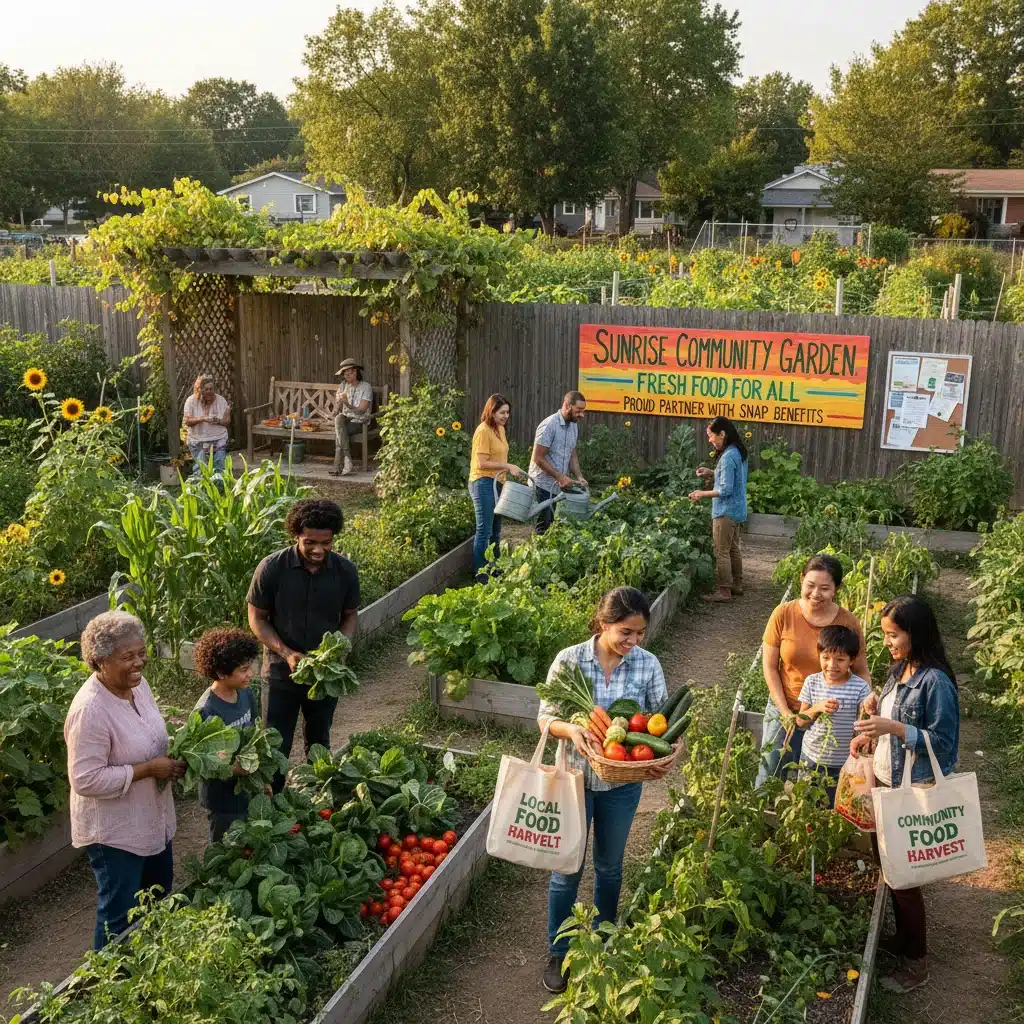
Many farmers’ markets now accept EBT cards (which SNAP benefits are loaded onto). Furthermore, some markets and programs offer incentives, such as ‘Double Up Food Bucks,’ where your SNAP dollars are matched when spent on fresh produce. This can effectively double your purchasing power for fruits and vegetables, allowing you to maximize SNAP benefits for healthy eating.
5. Senior Farmers’ Market Nutrition Program (SFMNP)
For low-income seniors, the SFMNP provides coupons that can be exchanged for eligible foods (fruits, vegetables, honey, and herbs) at farmers’ markets, roadside stands, and community supported agriculture (CSA) programs. This program directly supports healthy eating for seniors.
Common Pitfalls to Avoid When Trying to Maximize SNAP Benefits
While aiming to maximize SNAP benefits, it’s equally important to be aware of common mistakes that can hinder your efforts or even lead to benefit reduction or termination:
- Incomplete Applications: Missing information or documentation is the most frequent cause of delays or denials. Double-check all sections and ensure all required documents are submitted.
- Failure to Report Changes: As discussed, not reporting changes in income or household composition can lead to overpayments or underpayments.
- Misunderstanding Deductions: Not knowing which expenses are deductible is a significant missed opportunity to increase benefits. Educate yourself or seek help from an advocate.
- Missing Deadlines: Failing to submit recertification paperwork on time can lead to a temporary or permanent loss of benefits.
- Providing Inaccurate Information: Always be honest and accurate on your application. Providing false information can lead to serious penalties, including disqualification from the program.
Future Outlook: What to Expect in 2026
While the core principles of SNAP remain consistent, program rules and benefit amounts are subject to annual adjustments and potential legislative changes. The maximum benefit allotments, income thresholds, and deduction amounts are typically updated each October 1st to reflect inflation and the cost of living. Staying informed about these annual adjustments is crucial to effectively maximize SNAP benefits.
It’s advisable to regularly check the USDA Food and Nutrition Service (FNS) website or your state’s SNAP program website for the most current guidelines and updates for 2026. Local SNAP offices and community organizations are also excellent resources for up-to-date information.
Conclusion: Empowering Your Household’s Food Security
Navigating the SNAP program effectively can significantly enhance your household’s food security and overall well-being. By diligently applying the strategies outlined in this guide – accurately reporting household information, thoroughly claiming all eligible deductions, maintaining meticulous records, and promptly reporting changes – you can actively work to maximize SNAP benefits and potentially increase your monthly allocation by $50 or more in 2026. Remember, these benefits are a right for eligible individuals and families, designed to provide a crucial safety net. Don’t leave money on the table; empower yourself with knowledge and take proactive steps to secure the nutritional support your household deserves.
For personalized assistance, always reach out to your local SNAP office or a trusted community organization. They are there to help you understand the specifics of the program in your state and ensure you receive the maximum support possible.