The retail landscape is perpetually shifting, driven by a complex interplay of economic factors, technological advancements, and evolving consumer psychology. As we cast our gaze towards Q4 2026, a potent force is emerging as a significant influencer of purchasing decisions: nostalgia. This time-sensitive report aims to dissect the multifaceted role of nostalgia in shaping consumer choices during this critical period, providing businesses with actionable insights to harness its power effectively.
Nostalgia, often defined as a sentimental longing or wistful affection for the past, is far more than a fleeting emotion. It is a powerful psychological mechanism that can profoundly impact consumer behavior, fostering feelings of comfort, security, and happiness. In an increasingly uncertain and rapidly changing world, consumers often seek solace in the familiar, making nostalgic products and experiences particularly appealing. This trend is not new, but its intensity and pervasiveness are projected to reach new heights in Q4 2026, driven by a confluence of societal factors.
Understanding the nuances of how nostalgia translates into purchasing power is paramount for any brand looking to thrive in the upcoming holiday season and beyond. This report will delve into the psychological underpinnings of nostalgic appeal, identify key demographic segments most susceptible to its influence, and offer strategic frameworks for integrating nostalgic elements into marketing campaigns, product development, and customer experiences. From the resurgence of retro aesthetics to the re-release of beloved classics, the opportunities presented by this trend are immense for businesses prepared to adapt.
Anúncios
The Psychological Underpinnings of Nostalgia in Consumerism
To truly leverage the power of nostalgia consumer choices, it’s essential to grasp its psychological roots. Nostalgia isn’t merely about remembering the past; it’s about re-experiencing positive emotions associated with those memories. Research indicates that nostalgic recollections can boost mood, increase self-esteem, and even foster a sense of social connectedness. When consumers encounter products or brands that evoke these feelings, they are more likely to form a strong emotional attachment, which often translates into loyalty and increased purchasing intent.
One key psychological driver is the desire for authenticity and simplicity. In an age of digital overload and constant innovation, many consumers yearn for a time perceived as simpler and more genuine. Retro products, vintage aesthetics, and classic brand narratives can tap into this longing, offering a sense of stability and reassurance. This is particularly relevant in Q4, a period often associated with tradition, family, and reflection, making consumers even more receptive to sentimental appeals.
Moreover, nostalgia often serves as a coping mechanism against stress and anxiety. The turbulent global landscape, characterized by economic fluctuations and rapid technological shifts, can leave consumers feeling overwhelmed. Recalling happier, simpler times through consumption provides an emotional refuge, a momentary escape from present-day pressures. Brands that can successfully position themselves as purveyors of these comforting, nostalgic experiences will undoubtedly gain a competitive edge.
Anúncios
The collective experience of shared cultural touchstones also plays a significant role. For many, childhood memories are intertwined with specific products, media, and cultural phenomena. When these elements are revisited, they evoke a powerful sense of shared identity and belonging. This communal aspect of nostalgia can be particularly potent, as it encourages social sharing and discussion, amplifying a brand’s reach and impact. Businesses that can tap into these collective memories, rather particularly when considering nostalgia consumer choices, stand to gain significant traction.
Identifying Key Demographic Segments for Nostalgic Marketing
While nostalgia can resonate with nearly everyone, certain demographic segments are particularly responsive to its allure. Understanding these groups is crucial for targeted and effective marketing strategies as we approach Q4 2026. The most prominent segments include:
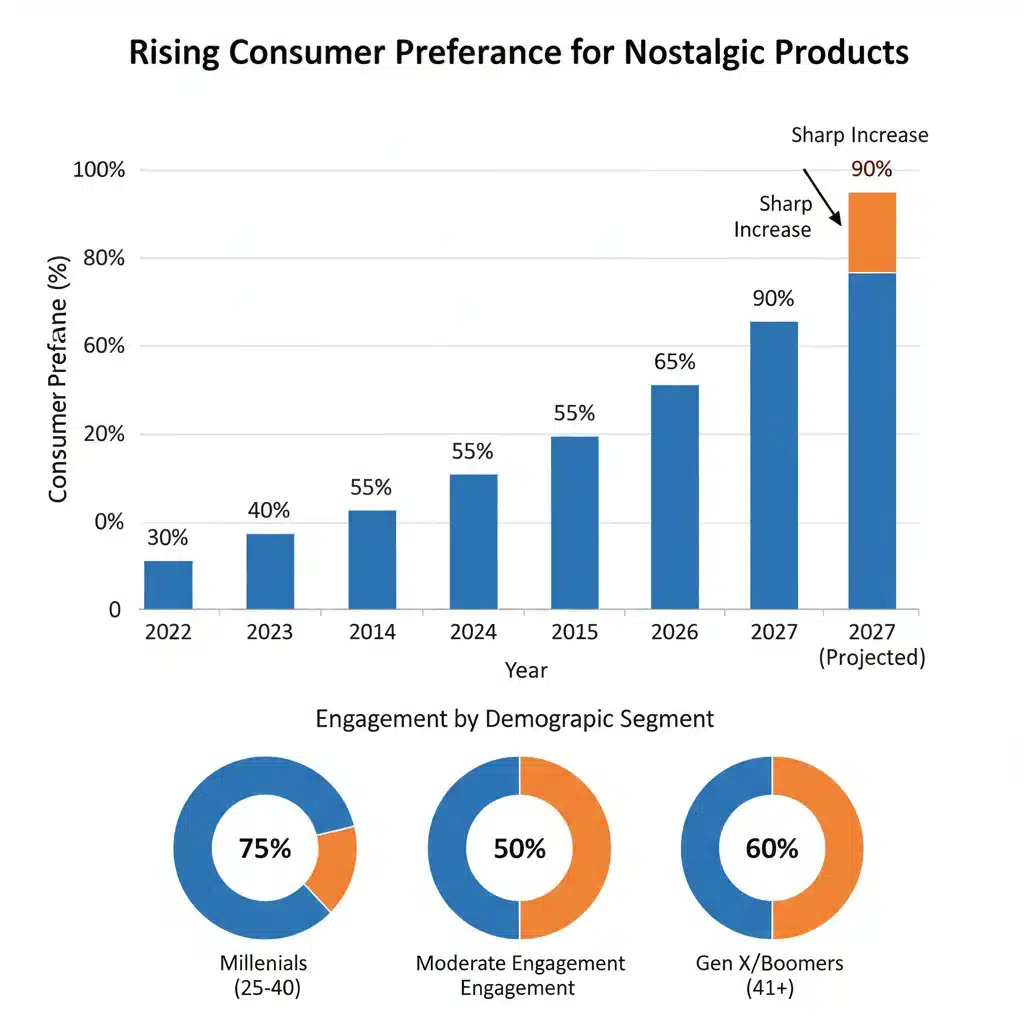
- Millennials (Born 1981-1996): This generation, now largely in their prime earning years, has a strong connection to the 80s, 90s, and early 2000s. They are nostalgic for the technology, fashion, music, and pop culture of their youth. Brands that can revive elements from these decades, whether through re-released products, retro packaging, or themed experiences, will find a highly receptive audience. Their purchasing power and digital savviness make them a prime target for online nostalgic campaigns.
- Gen X (Born 1965-1980): Often overlooked, Gen X holds significant purchasing power and a deep appreciation for the 70s and 80s. Their nostalgia is often tied to iconic brands, classic entertainment, and cultural movements that defined their formative years. Marketing to this group requires an understanding of their specific cultural touchstones and a focus on quality and authenticity.
- Boomers (Born 1946-1964): While their nostalgic triggers might be different, Boomers are also highly susceptible to sentimental marketing, particularly regarding products and experiences from the 50s and 60s. Their nostalgia often centers around family values, community, and simpler times. Brands appealing to this segment should emphasize heritage, tradition, and the emotional connections products can foster.
- Gen Z (Born 1997-2012): Surprisingly, Gen Z also exhibits a form of ‘retro-mania,’ often referred to as ‘pre-nostalgia’ or ‘vintage appreciation.’ They are discovering and romanticizing eras they didn’t personally experience, driven by social media trends, vintage fashion, and a desire for individuality. This segment responds well to curated vintage aesthetics, sustainable retro products, and experiences that offer a unique blend of old and new.
The key for businesses is to tailor their nostalgic appeals to the specific memories and cultural contexts of each target demographic. A one-size-fits-all approach will likely fall flat. Instead, deep market research and segmentation are essential to unlock the full potential of nostalgia consumer choices.
Emerging Trends in Nostalgic Product Development and Marketing
As Q4 2026 approaches, several trends in leveraging nostalgia are gaining momentum:
- Re-imagined Classics: This goes beyond simple re-releases. Brands are taking beloved products from the past and updating them with modern technology, sustainable materials, or contemporary design elements. Think classic video game consoles with enhanced graphics, iconic apparel brands using eco-friendly fabrics, or vintage toys with smart features. This approach appeals to both nostalgic sentiments and modern consumer demands.
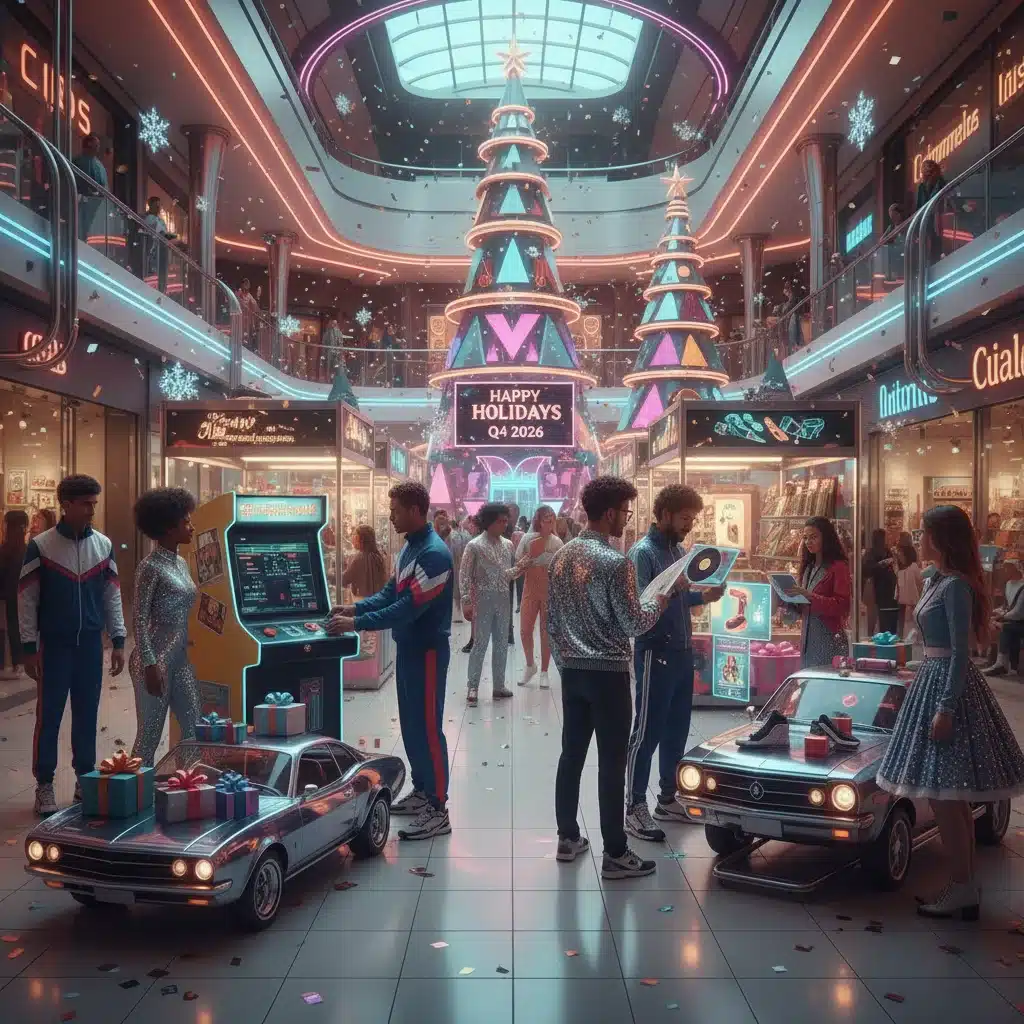
- Experiential Nostalgia: Consumers are increasingly seeking experiences over mere products. Pop-up stores designed to replicate past eras, themed events celebrating specific decades, and immersive brand activations that transport visitors back in time are becoming powerful marketing tools. These experiences create memorable moments that reinforce emotional connections to brands.
- Cross-Generational Appeal: Successful nostalgic campaigns are increasingly designed to bridge generational gaps. Brands are creating products and experiences that resonate with parents and their children, fostering shared memories and creating new traditions. This can involve re-introducing classic board games, family-friendly retro entertainment, or products that facilitate storytelling across generations.
- Digital Nostalgia: The digital realm offers fertile ground for nostalgic marketing. Retro-themed filters on social media, pixel-art video games, and virtual reality experiences that recreate historical settings are all ways brands can tap into digital nostalgia. Engaging content that celebrates past internet culture or digital trends can also be highly effective.
- Sustainable Retro: A growing number of consumers are prioritizing sustainability. Brands are responding by offering vintage-inspired products made from recycled materials, promoting upcycling, or highlighting the longevity and timelessness of classic designs. This combines the appeal of nostalgia with modern ethical concerns.
By staying attuned to these emerging trends, businesses can develop innovative strategies that effectively harness the power of nostalgia consumer choices, ensuring their offerings remain relevant and compelling in the competitive Q4 2026 market.
Strategic Implementation: Leveraging Nostalgia in Your Q4 2026 Campaigns
Implementing a successful nostalgic marketing strategy requires careful planning and execution. Here are key areas to focus on for Q4 2026:
Content Marketing and Storytelling
Nostalgia thrives on stories. Brands should craft compelling narratives that evoke specific memories and emotions. This can involve sharing historical brand anecdotes, featuring testimonials from long-time customers, or creating content that celebrates the cultural impact of past products. Use blog posts, social media campaigns, and video content to tell these stories authentically. Encourage user-generated content by inviting customers to share their own nostalgic memories associated with your brand or products.
Product Development and Packaging
Consider re-introducing limited-edition ‘throwback’ products or packaging designs that mirror past iterations. Even subtle nods to the past, like vintage-inspired typography or color palettes, can trigger nostalgic feelings. For new products, explore how classic design principles or functionalities can be integrated to give them a timeless appeal. The key is to strike a balance between old and new, ensuring that products remain relevant to contemporary needs while tapping into sentimental value.
Advertising and Visuals
Visuals are paramount in evoking nostalgia. Utilize imagery, music, and fashion from specific past eras that resonate with your target audience. Retro aesthetics, classic jingles, and advertisements that mimic vintage styles can create an immediate emotional connection. Collaborate with influencers who embody a particular nostalgic aesthetic or who can authentically share their own sentimental experiences related to your brand.
Partnerships and Collaborations
Consider partnering with other brands or cultural institutions that have a strong nostalgic association. This could involve co-branding with an iconic entertainment franchise, collaborating with a vintage apparel company, or sponsoring events that celebrate a particular historical period. Such partnerships can expand your reach and lend credibility to your nostalgic offerings, amplifying the impact on nostalgia consumer choices.
Personalization and Segmentation
Leverage data to personalize nostalgic appeals. If you know a customer’s age group or past purchasing behavior, you can tailor your marketing messages to evoke the specific nostalgic triggers most relevant to them. Segment your audience and create distinct nostalgic campaigns for different demographics, ensuring that each message resonates deeply and authentically.
Customer Experience
Extend the nostalgic theme to the entire customer journey. This could involve recreating a vintage store atmosphere, offering customer service that harks back to a simpler time, or including small, nostalgic tokens with purchases. The goal is to create an immersive experience that reinforces the emotional connection and makes the customer feel valued and understood.
By strategically integrating these elements, businesses can effectively tap into the potent force of nostalgia, driving engagement, loyalty, and ultimately, sales during the crucial Q4 2026 period.
Challenges and Considerations in Nostalgic Marketing
While the potential for leveraging nostalgia is significant, businesses must also be mindful of potential pitfalls and challenges. A poorly executed nostalgic campaign can come across as inauthentic, exploitative, or simply irrelevant. Here are some key considerations:
- Authenticity is Key: Consumers are discerning. If a nostalgic appeal feels forced or inauthentic, it can backfire, eroding trust and damaging brand perception. Brands must genuinely understand the era or cultural touchstone they are referencing and ensure their messaging is respectful and accurate.
- Avoiding Alienation: While targeting specific demographics with nostalgic appeals is effective, businesses must ensure they don’t alienate other segments. A campaign that is too niche might exclude potential customers who don’t share the same nostalgic references. Balance targeted efforts with broader appeals where possible.
- Over-reliance on the Past: While celebrating the past is good, brands should avoid becoming stuck in it. Constant nostalgic appeals without innovation or forward-thinking elements can make a brand seem outdated or unable to adapt. The most successful strategies blend nostalgic charm with modern relevance.
- Legal and Copyright Issues: When referencing past brands, media, or cultural elements, businesses must be vigilant about intellectual property rights. Ensure all necessary permissions are obtained to avoid legal complications.
- Timing and Relevance: The effectiveness of nostalgic appeals can be time-sensitive. What resonates today might not resonate tomorrow. Brands need to stay attuned to current trends and cultural shifts to ensure their nostalgic campaigns remain relevant and impactful.
Navigating these challenges requires a nuanced approach, combining creative flair with thorough market research and a deep understanding of consumer psychology. When done correctly, leveraging nostalgia consumer choices can be a highly rewarding strategy.
The Future of Nostalgia: Beyond Q4 2026
The role of nostalgia in consumer choices is not a fleeting trend confined to Q4 2026; it is an enduring aspect of human psychology that will continue to evolve and influence the market. Looking beyond the immediate horizon, we can anticipate several developments:
- Hyper-Personalized Nostalgia: As AI and data analytics advance, brands will be able to offer even more personalized nostalgic experiences. Imagine receiving product recommendations based on your individual digital footprint of past interests, or virtual reality experiences tailored to your specific childhood memories.
- Nostalgia as a Service: We may see the emergence of subscription services or platforms dedicated entirely to curating nostalgic content, products, and experiences, catering to a growing demand for curated blasts from the past.
- Ethical Nostalgia: As consumers become more socially conscious, nostalgic appeals will increasingly integrate ethical considerations. This could involve celebrating historical periods that championed social justice, promoting sustainable practices with a retro twist, or highlighting brands with a long history of ethical conduct.
- The Blurring of Real and Virtual Nostalgia: The metaverse and other virtual worlds will offer new frontiers for nostalgic exploration. Brands can create immersive digital environments that recreate past eras, allowing consumers to interact with virtual versions of classic products or historical figures.
The fundamental human desire for connection, comfort, and meaning will ensure that nostalgia remains a powerful force in consumer behavior. Businesses that proactively understand and adapt to these evolving dynamics will be well-positioned to capture the hearts and wallets of consumers, not just in Q4 2026, but for years to come.
Conclusion: Harnessing the Power of the Past for Future Success
As Q4 2026 rapidly approaches, the data and psychological insights overwhelmingly point to the profound influence of nostalgia on nostalgia consumer choices. This isn’t merely about selling old products; it’s about connecting with consumers on a deeper, emotional level by tapping into their cherished memories and desires for comfort, authenticity, and connection. Brands that strategically embrace nostalgic marketing will find themselves uniquely positioned to capture attention, foster loyalty, and drive significant sales during this critical period.
From re-imagining classic products with a modern twist to crafting compelling narratives that evoke shared cultural memories, the opportunities are abundant. However, success hinges on authenticity, a nuanced understanding of diverse demographic segments, and a willingness to innovate within the nostalgic framework. By carefully considering the psychological drivers, emerging trends, and potential challenges, businesses can transform sentimental longing into a powerful engine for growth.
The future of retail is not just about what’s new, but also about what resonates deeply within the human experience. As consumers navigate an ever-complex world, the comforting embrace of the past, skillfully presented by forward-thinking brands, will undoubtedly illuminate the path to future commercial success. Prepare your brand now to ride the wave of nostalgia and make a lasting impression in Q4 2026.