Micro-Influencers: Boosting Consumer Trust in 2026 and Beyond

Anúncios
The Growing Influence of Micro-Influencers: A 2026 Consumer Trust Perspective
In the rapidly evolving landscape of digital marketing, the quest for authentic consumer connection has never been more critical. As we look towards 2026, one phenomenon continues to redefine brand-consumer relationships: the power of micro-influencers. These digital natives, with their smaller yet highly engaged audiences, are increasingly becoming the bedrock of consumer trust. This comprehensive article delves into why micro-influencer consumer trust is surging, the strategies brands are employing, and what the future holds for this dynamic marketing channel.
Anúncios
The Shifting Sands of Consumer Trust: Why Micro-Influencers Matter More Than Ever
For years, mega-influencers and celebrities dominated the influencer marketing space. Their vast reach promised unparalleled exposure. However, an undercurrent has been steadily gaining strength, challenging this traditional model. Consumers, increasingly savvy and skeptical of overtly commercial endorsements, are gravitating towards authenticity and relatability. This shift has propelled micro-influencers into the spotlight.
A micro-influencer, typically defined as someone with an audience ranging from 1,000 to 100,000 followers, holds a unique position. Unlike their celebrity counterparts, micro-influencers are often perceived as peers, friends, or trusted experts within niche communities. This perception fosters a level of intimacy and credibility that larger influencers often struggle to achieve. Their recommendations carry more weight because they are seen as genuine, unvarnished opinions rather than paid advertisements.
By 2026, this trend is only set to intensify. The digital noise will continue to grow, making it harder for brands to cut through with traditional advertising. Consumers will actively seek out voices that resonate with their values and offer transparent, authentic insights. This is where the inherent strength of micro-influencer consumer trust truly shines.
Anúncios
The Anatomy of Authenticity: How Micro-Influencers Build Trust
What exactly makes micro-influencers so trustworthy? Several factors contribute to their unique ability to build strong connections with their audience:
- Niche Expertise: Micro-influencers often specialize in a very specific area, be it sustainable fashion, indie gaming, vegan cooking, or urban gardening. Their followers actively seek them out for this specialized knowledge, viewing them as authoritative sources. This expertise translates directly into trust when they recommend products or services within their niche.
- Relatability: Unlike distant celebrities, micro-influencers often lead lives that are more akin to their followers’. They share real-life experiences, struggles, and triumphs, making them highly relatable. This relatability fosters a sense of camaraderie and makes their recommendations feel more personal and less aspirational.
- Higher Engagement Rates: Due to their smaller, more dedicated communities, micro-influencers typically boast significantly higher engagement rates compared to macro-influencers. They can respond to comments, engage in conversations, and build genuine relationships with their followers. This direct interaction reinforces trust and loyalty.
- Transparency: While disclosure is legally required across the board, micro-influencers often embrace transparency more naturally. They might share behind-the-scenes glimpses of their lives, openly discuss their experiences with products, and even acknowledge shortcomings. This honesty further solidifies their credibility.
- Word-of-Mouth Amplification: In essence, micro-influencers act as digital word-of-mouth marketers. Consumers trust recommendations from people they know or feel they know. Micro-influencers bridge this gap, becoming trusted sources in a digital age where traditional word-of-mouth is harder to scale.
Strategies for Brands: Harnessing Micro-Influencer Power for 2026
Recognizing the undeniable impact on micro-influencer consumer trust, brands are recalibrating their marketing strategies. It’s no longer just about reach; it’s about resonance. Here’s how forward-thinking brands are leveraging micro-influencers effectively for 2026:
1. Identifying the Right Fit: Beyond Follower Count
The success of a micro-influencer campaign hinges on finding influencers whose values align perfectly with the brand’s ethos. Brands are increasingly using advanced analytics and AI tools to identify influencers based on audience demographics, psychographics, engagement patterns, and content authenticity, rather than just follower numbers. This ensures that the partnership feels organic and genuine to the influencer’s audience.
Moreover, brands are looking for micro-influencers who genuinely use or would use their products. A forced endorsement is easily spotted and can erode the very trust that micro-influencers are celebrated for. Long-term partnerships are also becoming more common, allowing for deeper integration and more authentic storytelling over time.
2. Empowering Creative Freedom: Authentic Storytelling
One of the biggest mistakes a brand can make is to over-script a micro-influencer’s content. The strength of micro-influencers lies in their unique voice and authentic storytelling. Brands that provide clear guidelines and product information but allow influencers creative freedom often see the best results. This approach ensures that the content feels natural, resonates with the influencer’s audience, and maintains the integrity of their personal brand.
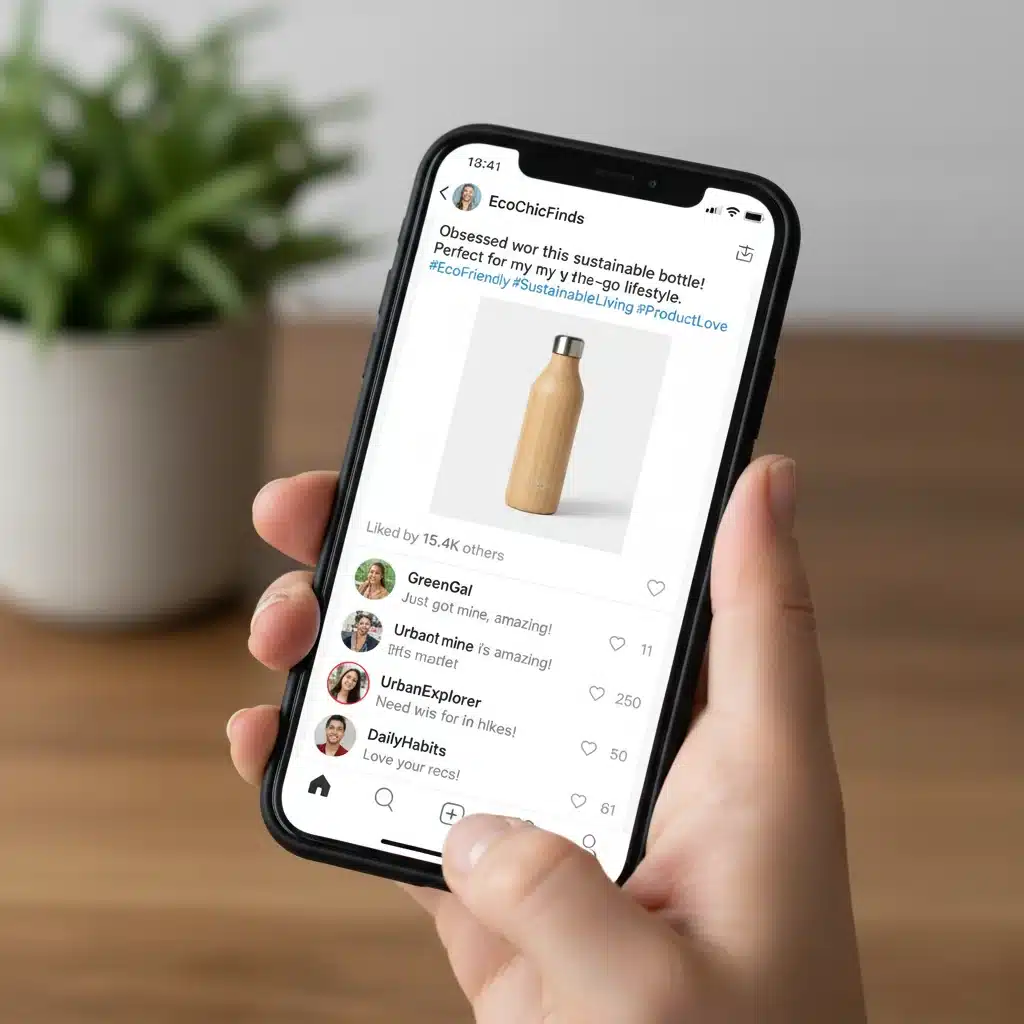
By trusting micro-influencers to present the brand’s message in their own style, brands tap into a more genuine form of advocacy. This can include unboxing videos, honest reviews, tutorials, or even just incorporating the product into their daily lives in a subtle, organic way. This approach directly contributes to building micro-influencer consumer trust.
3. Building Long-Term Relationships: Beyond Campaigns
Ephemeral campaigns are giving way to sustained partnerships. Brands are recognizing the value of nurturing long-term relationships with micro-influencers, transforming them into brand ambassadors rather than one-off promoters. This fosters a deeper understanding of the brand, leads to more consistent messaging, and further strengthens the influencer’s credibility with their audience.
These relationships often involve more than just monetary compensation. Brands might offer exclusive access to new products, invite influencers to participate in product development feedback, or provide unique experiences. Such initiatives create a sense of belonging and make the influencer feel genuinely valued, which in turn translates into more passionate and authentic endorsements.
The Future of Micro-Influencer Marketing: 2026 Projections and Beyond
As we march towards 2026, the landscape of micro-influencer marketing is expected to undergo further significant transformations. The core principle of micro-influencer consumer trust will remain central, but the methods and technologies supporting it will evolve.
Hyper-Niche Influencers and the Rise of Nano-Influencers
The trend towards specificity will continue. While micro-influencers focus on niches, we will see an even greater emphasis on ‘hyper-niche’ influencers, and the continued rise of ‘nano-influencers’ (typically 1,000-10,000 followers). These individuals boast incredibly high engagement rates and an almost familial relationship with their audience. Their recommendations are often seen as direct advice from a friend, making them incredibly powerful for specific product launches or highly targeted campaigns.
For brands, this means a more granular approach to influencer selection, focusing on precision targeting over broad reach. The ROI from these smaller, highly engaged communities is proving to be exceptionally high, further cementing their role in building micro-influencer consumer trust.
AI and Data-Driven Influencer Discovery
The manual process of finding and vetting micro-influencers can be time-consuming. By 2026, AI-powered platforms will become even more sophisticated, offering unparalleled capabilities for influencer discovery, vetting, and campaign management. These tools will analyze vast datasets to match brands with the most authentic and effective micro-influencers, predict campaign performance, and measure ROI with greater accuracy.
This technological advancement will democratize influencer marketing, making it accessible even to smaller businesses with limited resources. It will also ensure that partnerships are data-driven, optimizing for micro-influencer consumer trust and genuine engagement rather than vanity metrics.
Diversification of Platforms and Content Formats
While Instagram and TikTok remain dominant, micro-influencers will continue to diversify across platforms. Niche communities on platforms like Reddit, Discord, specialized forums, and even emerging metaverse spaces will become fertile ground for authentic influence. Content formats will also expand beyond traditional posts and stories to include live streams, interactive Q&A sessions, user-generated content challenges, and immersive virtual experiences.
Brands will need to adapt their strategies to these diverse platforms and formats, understanding that each environment requires a tailored approach to foster micro-influencer consumer trust effectively. The key will be to meet consumers where they are, with content that feels native to the platform.
Increased Scrutiny and Regulation
As influencer marketing matures, so too will regulatory bodies. Governments and consumer protection agencies worldwide will likely introduce stricter guidelines regarding disclosure, authenticity, and ethical practices. Brands and influencers alike will need to prioritize compliance to maintain credibility and avoid penalties. Transparency will not just be good practice; it will be mandatory.

This increased scrutiny, while potentially challenging, will ultimately benefit the industry by weeding out bad actors and reinforcing the importance of genuine micro-influencer consumer trust. Consumers will have greater confidence in the recommendations they receive, knowing that there are safeguards in place.
Challenges and Considerations for Brands
While the benefits of leveraging micro-influencers are clear, brands must also be aware of potential challenges:
- Scalability: Managing numerous micro-influencer relationships can be complex and time-consuming. Brands need robust systems and tools to streamline communication, content approval, and payment processes.
- Brand Consistency: With multiple voices representing a brand, maintaining a consistent brand message can be tricky. Clear guidelines and ongoing communication are essential to ensure all influencers are aligned with the brand’s core values and messaging.
- Measuring ROI: While engagement rates are typically higher, accurately attributing sales and brand lift to micro-influencer campaigns requires sophisticated tracking and analytics. Brands must define clear KPIs and utilize appropriate attribution models.
- Authenticity Fatigue: As more brands jump on the micro-influencer bandwagon, consumers may develop ‘authenticity fatigue’ if content starts to feel overly commercial or inauthentic. The key is to genuinely integrate products into the influencer’s narrative rather than forcing a promotion.
Case Studies: Micro-Influencer Success Stories
To illustrate the power of micro-influencer consumer trust, let’s look at a few hypothetical examples reflecting current and future trends:
Case Study 1: The Sustainable Skincare Brand
A new sustainable skincare brand, ‘EcoGlow’, wanted to reach environmentally conscious millennials and Gen Z. Instead of traditional ads, they partnered with 50 micro-influencers specializing in eco-friendly living, zero-waste practices, and natural beauty. These influencers, with audiences ranging from 5,000 to 20,000, created authentic content showcasing how EcoGlow products fit into their sustainable lifestyles. They shared honest reviews, demonstrated product usage in their daily routines, and engaged with their followers about ingredients and ethical sourcing.
The result? EcoGlow saw a 30% increase in website traffic, a 25% conversion rate from influencer-tagged posts, and a significant boost in brand sentiment, all driven by the high level of micro-influencer consumer trust. The authentic stories resonated deeply, turning followers into loyal customers.
Case Study 2: The Indie Game Developer
An independent game studio was launching a niche puzzle game. They bypassed large gaming streamers and instead collaborated with 20 micro-influencers on Twitch and YouTube who focused specifically on indie games and puzzle genres. These influencers, some with as few as 2,000 highly dedicated followers, live-streamed their gameplay, offered genuine first impressions, and interacted directly with their chat about game mechanics.
The campaign generated immense hype within the target community. The game’s demo downloads surged by 400% during the campaign week, and pre-orders exceeded expectations. The direct, unscripted nature of the content from trusted voices in the indie gaming space was instrumental in building strong micro-influencer consumer trust and driving early adoption.
Conclusion: The Enduring Power of Authentic Voices
As we navigate the complexities of the digital age towards 2026 and beyond, the role of micro-influencers in shaping consumer perceptions and driving purchasing decisions will only grow. Their ability to foster genuine connections, provide authentic recommendations, and build deep-seated micro-influencer consumer trust makes them an indispensable asset for brands aiming to resonate with increasingly discerning consumers.
Brands that embrace strategic partnerships, empower creative freedom, and prioritize long-term relationships with micro-influencers will be the ones that thrive. The future of marketing is personal, authentic, and built on the foundation of trust, and micro-influencers are at the vanguard of this transformative shift. Ignoring their power is no longer an option; embracing it is a necessity for sustainable brand growth and meaningful consumer engagement in the years to come.
The journey towards 2026 will undoubtedly bring new platforms, technologies, and consumer behaviors, but the fundamental human desire for connection and trust will remain constant. Micro-influencers, with their unique ability to bridge the gap between brands and consumers through genuine advocacy, are perfectly positioned to meet this enduring need.
Therefore, investing in and understanding the dynamics of micro-influencer consumer trust is not just a trend; it’s a strategic imperative for any brand looking to build lasting relationships and achieve sustained success in the modern marketplace.
Author