In the dynamic realm of modern commerce, where digital interactions increasingly dictate purchasing patterns, the influence of consumer reviews influence has never been more profound. As we hurtle towards 2026, the landscape of social proof is not just evolving; it’s undergoing a seismic shift, fundamentally reshaping how businesses build trust and drive sales. Gone are the days when a glossy advertisement or a catchy slogan alone could sway the masses. Today, the collective voice of the consumer, amplified through reviews and ratings, stands as the most potent form of endorsement. This article will delve into the critical role of consumer reviews and present four practical, forward-thinking strategies to harness their power, ensuring your business thrives in the competitive market of tomorrow.
Anúncios
The digital marketplace is saturated with choices, and consumers are savvier than ever. They are no longer passive recipients of marketing messages; instead, they actively seek out authentic experiences and opinions from their peers before making a commitment. This reliance on peer validation, often referred to as social proof, has transformed into a cornerstone of effective marketing and sales strategies. Businesses that fail to recognize and adapt to this paradigm shift risk being left behind. Understanding how consumer reviews influence purchasing decisions is not just an advantage; it’s a necessity for survival and growth.
The journey of a modern consumer is intricately woven with feedback loops. From initial product discovery on social media to final purchase decisions influenced by detailed testimonials on e-commerce platforms, reviews are omnipresent. They serve as an unbiased lens through which potential customers evaluate a product’s value, a service’s reliability, and a brand’s integrity. In an era where trust is a valuable currency, genuine consumer feedback acts as a powerful trust-builder, bridging the gap between brand promises and customer expectations. Our exploration will equip you with the insights and tools to not only collect but effectively leverage this invaluable resource.
Anúncios
The Unstoppable Rise of Social Proof: Why Consumer Reviews Matter More Than Ever
The concept of social proof isn’t new; humans have always looked to others for guidance on how to behave, what to buy, and what to believe. However, the digital age has democratized and amplified this phenomenon to an unprecedented degree. Every star rating, every written testimonial, every shared experience contributes to a vast, interconnected web of social proof that can make or break a brand. The sheer volume and accessibility of online reviews mean that consumers are constantly exposed to a barrage of peer opinions, making it impossible for businesses to ignore their impact.
In 2026, the digital natives, who have grown up with instant access to information and peer feedback, will form an even larger segment of the consumer base. Their purchasing habits are intrinsically linked to the authenticity and transparency offered by consumer reviews. A product with numerous positive reviews is perceived as less risky, more reliable, and ultimately, more desirable. Conversely, a lack of reviews or a prevalence of negative feedback can quickly deter potential buyers, regardless of the product’s actual quality or the brand’s marketing efforts. This profound consumer reviews influence underscores the imperative for businesses to proactively manage and cultivate their online reputation.
Furthermore, the rise of personalized recommendations and AI-driven platforms means that reviews are not just passively consumed; they are actively curated and presented to users based on their preferences and browsing history. This makes the impact of individual reviews even more targeted and potent. Businesses must recognize that each review, positive or negative, contributes to a larger narrative that shapes consumer perception and ultimately, profitability. Ignoring this narrative is akin to navigating a stormy sea without a compass – perilous and likely to end in disaster. The strategies we’re about to explore are designed to give you that compass, guiding you through the complexities of the modern review ecosystem.
Strategy 1: Proactive Review Generation and Diversification
The first and most fundamental strategy for leveraging consumer reviews influence in 2026 is to establish a robust and diversified system for review generation. It’s no longer enough to simply hope customers will leave feedback; businesses must actively encourage and facilitate this process. This means integrating review requests into various stages of the customer journey, from post-purchase emails to in-app prompts and even physical signage in brick-and-mortar stores.
Automating Review Requests
Automation is key to scaling review generation. Implement automated email sequences that trigger a review request a few days or weeks after a purchase or service completion. These emails should be personalized, friendly, and provide a direct, easy link to leave a review on your preferred platforms. Consider A/B testing different subject lines and call-to-actions to optimize open and conversion rates. The smoother the process, the more likely customers are to participate. Remember, the goal is to reduce friction as much as possible.
Diversifying Review Platforms
Don’t put all your eggs in one basket. While Google My Business and your own website are crucial, consider other industry-specific review sites, social media platforms (Facebook, Instagram), and even niche forums where your target audience congregates. A diverse portfolio of reviews across multiple platforms not only broadens your reach but also adds layers of credibility. Consumers often check multiple sources before making a decision, so a consistent positive presence across various platforms significantly enhances consumer reviews influence.
Incentivizing (Ethically) and Gamifying
While outright paying for reviews is unethical and often illegal, offering ethical incentives can significantly boost participation. This could include entry into a monthly prize draw, a small discount on a future purchase, or exclusive content. Gamification elements, such as leaderboards for top reviewers or badges for detailed feedback, can also encourage engagement, especially among younger demographics. Transparency is crucial here; always disclose any incentives offered.
Moreover, consider the power of video testimonials. As video content continues to dominate online consumption, encouraging customers to submit short video reviews can be incredibly impactful. These often feel more authentic and personal, creating a stronger connection with potential buyers. Providing clear guidelines and even simple templates can make it easier for customers to create compelling video content.
Strategy 2: Engaging with Reviews: The Art of Response
Collecting reviews is only half the battle; actively engaging with them is where the true power of consumer reviews influence is unleashed. How a business responds to both positive and negative feedback speaks volumes about its customer service, brand values, and commitment to excellence. In 2026, a proactive and empathetic response strategy is non-negotiable.
Responding to Positive Reviews: Amplifying Advocacy
It might seem obvious, but many businesses overlook the importance of responding to positive reviews. A simple ‘thank you’ isn’t enough. Personalize your responses, reference specific details from their review, and express genuine appreciation. This not only makes the reviewer feel valued but also shows potential customers that you listen and care. Positive responses reinforce brand loyalty and turn satisfied customers into vocal advocates. Consider asking them to share their review on social media or refer a friend, subtly leveraging their positive experience further.
Addressing Negative Reviews: Turning Critics into Champions
Negative reviews, while daunting, are invaluable opportunities for improvement and demonstrate transparency. A well-handled negative review can actually build more trust than a string of unchallenged positive ones. Respond promptly, politely, and professionally. Acknowledge their concern, apologize if appropriate, and offer a solution or a way to take the conversation offline. Never get defensive or engage in arguments. Your public response is not just for the reviewer; it’s for every potential customer who reads it. Showing that you care and are committed to resolving issues can mitigate the negative consumer reviews influence and even convert a critic into a future champion.
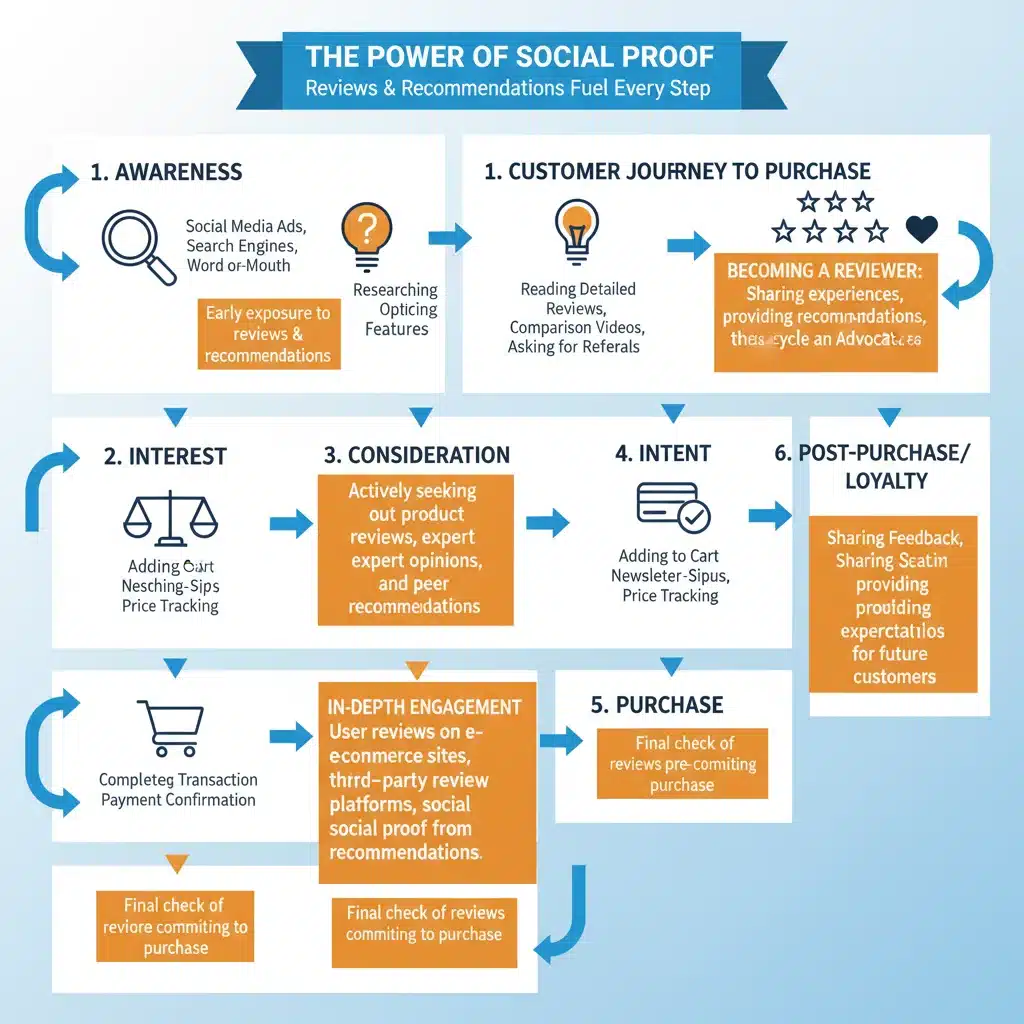
Learning from Feedback: The Continuous Improvement Loop
Beyond individual responses, aggregate and analyze your reviews for recurring themes and actionable insights. Are multiple customers complaining about a specific product feature? Is there a consistent issue with delivery times? Use this feedback to inform product development, refine services, and improve operational processes. This continuous improvement loop, driven by genuine customer feedback, is a powerful differentiator and a testament to the enduring consumer reviews influence. By demonstrating that you not only listen but also act on feedback, you build a reputation for responsiveness and customer-centricity.
Strategy 3: Integrating Reviews Across All Marketing Channels
Reviews are not just for your product pages; their power extends across your entire marketing ecosystem. In 2026, savvy businesses will strategically integrate consumer reviews influence into every touchpoint, from social media campaigns to email marketing and even offline advertising.
Showcasing Reviews on Your Website and Product Pages
This is foundational. Prominently display star ratings and compelling testimonials on your homepage, landing pages, and especially product pages. Use rich snippets to ensure these ratings appear in search results, immediately boosting your credibility. Consider dedicated ‘Testimonials’ or ‘Customer Stories’ sections that offer more in-depth insights and build a narrative around customer success. High-quality visuals, such as customer photos or videos alongside their reviews, can further enhance their impact.
Leveraging Reviews in Advertising and Social Media
Quotes from glowing reviews make for powerful ad copy. Use them in your social media posts, display ads, and even print campaigns. A customer’s authentic voice often resonates more strongly than polished brand messaging. Create visually appealing graphics that highlight key phrases or star ratings. Run A/B tests with ad creatives that feature reviews versus those that don’t to measure the direct impact on conversion rates. On social media, encourage user-generated content (UGC) that features your products and customer testimonials. This organic content is incredibly influential.
Incorporating Reviews into Email Marketing
Your email campaigns are an excellent place to reinforce social proof. Include snippets of positive reviews in welcome sequences, promotional emails, and post-purchase follow-ups. For abandoned cart emails, a strong testimonial about the product can be the nudge a customer needs to complete their purchase. Segment your email lists and send targeted reviews that are most relevant to each customer group, further amplifying the consumer reviews influence.
Beyond direct quotes, consider creating case studies based on particularly impactful customer experiences. These detailed narratives, featuring specific challenges and how your product or service provided a solution, can be incredibly persuasive, especially for B2B audiences or high-value purchases. Sharing these case studies through various marketing channels adds another layer of credible social proof.
Strategy 4: Harnessing Advanced Analytics and AI for Review Insights
As the volume of reviews continues to grow, manually sifting through them for insights becomes impractical. In 2026, businesses must embrace advanced analytics and Artificial Intelligence (AI) to truly understand and leverage the consumer reviews influence. These tools can uncover hidden patterns, sentiments, and actionable intelligence that would otherwise remain buried.
Sentiment Analysis: Beyond Star Ratings
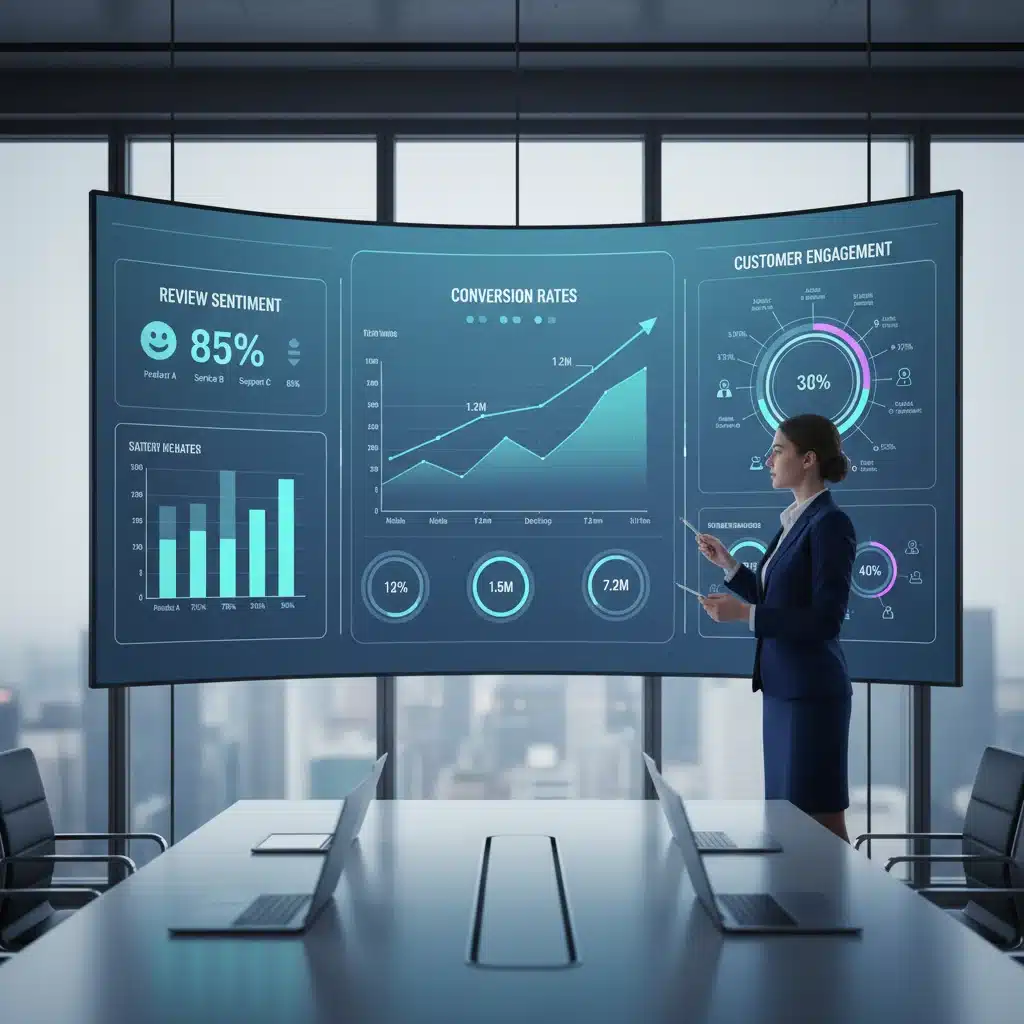
AI-powered sentiment analysis tools can go beyond simple star ratings to understand the emotional tone and specific topics within reviews. These tools can identify recurring positive and negative themes, pinpointing exactly what customers love or dislike about your products or services. This granular insight is invaluable for product development, marketing messaging, and customer service training. For example, knowing that customers consistently praise the ‘ease of use’ but criticize the ‘battery life’ provides clear directives for improvement.
Predictive Analytics: Anticipating Customer Needs
By analyzing historical review data, predictive analytics can forecast future customer trends and potential issues. This allows businesses to proactively address problems before they escalate or capitalize on emerging opportunities. For instance, if reviews start to show a growing interest in sustainable packaging, predictive models can alert you to this trend, enabling you to adapt your product strategy ahead of competitors. This forward-thinking approach maximizes the consumer reviews influence by turning past feedback into future success.
Competitor Review Analysis: Gaining a Competitive Edge
Don’t just analyze your own reviews; use AI to monitor and analyze competitor reviews as well. This provides a wealth of competitive intelligence. What are their customers complaining about? What features are they praising? This information can highlight gaps in the market that your product can fill, or areas where your competitors are excelling, allowing you to benchmark and improve your own offerings. Understanding the broader market sentiment through competitor reviews is a powerful way to refine your strategy and enhance your own consumer reviews influence.
Automated Review Summarization and Tagging
AI can automatically summarize lengthy reviews, extract key features mentioned, and tag them with relevant categories. This makes it far easier for businesses to quickly grasp the essence of customer feedback and identify actionable insights without manually reading through thousands of reviews. This efficiency allows teams to spend less time on data collection and more time on strategic decision-making and implementation.
The Ethical Imperative: Maintaining Trust in a Review-Driven World
As the consumer reviews influence grows, so too does the responsibility of businesses to maintain ethical practices. The temptation to manipulate reviews, whether through fake positive feedback or suppressing negative comments, can be strong. However, in an increasingly transparent digital world, such practices are almost always exposed, leading to severe reputational damage and a complete erosion of trust.
Authenticity is paramount. Encourage genuine feedback, both good and bad. Be transparent about how you collect and display reviews. Adhere to platform guidelines and legal regulations regarding testimonials and endorsements. Consumers are incredibly adept at sniffing out inauthenticity, and once trust is lost, it is incredibly difficult to regain. Building a strong, positive online reputation through honest and ethical review management is a long-term investment that pays dividends.
Furthermore, actively combatting fake reviews, whether they target your brand or your competitors, is a crucial part of maintaining a healthy review ecosystem. Report suspicious activity to platform administrators and advocate for stricter verification processes. By championing ethical review practices, you not only protect your own brand but also contribute to a more trustworthy online environment for all consumers.
The Future of Consumer Reviews: Beyond 2026
Looking beyond 2026, the evolution of consumer reviews influence will undoubtedly continue. We can anticipate even more sophisticated AI-driven analysis, personalized review experiences tailored to individual preferences, and perhaps even immersive virtual reality (VR) or augmented reality (AR) experiences that allow consumers to ‘try before they buy’ through simulated peer interactions. The integration of voice search and smart assistants will also likely play a role, with customers increasingly asking for product recommendations based on aggregated review data.
The core principle, however, will remain the same: people trust people. The human desire for validation and shared experience will continue to drive the importance of social proof. Businesses that embrace this fundamental truth and strategically integrate consumer reviews into their DNA will be the ones that not only survive but thrive in the ever-changing digital landscape. The strategies outlined here provide a robust framework for navigating the present and preparing for the future, ensuring your brand stands out in a crowded market.
Conclusion: Harnessing the Power of Peer Perception
The evolving role of social proof, particularly the profound consumer reviews influence, is a defining characteristic of the modern marketplace. In 2026 and beyond, businesses that master the art and science of review management will hold a significant competitive advantage. By proactively generating diverse feedback, engaging empathetically with all reviews, integrating them across every marketing channel, and leveraging advanced analytics, companies can transform customer opinions into powerful growth engines.
Remember, every review is a conversation, an opportunity, and a data point. It’s a chance to build trust, improve your offerings, and foster a community of loyal advocates. Embrace transparency, prioritize authenticity, and commit to continuous improvement driven by the voices of your customers. The future of your brand’s success is intricately linked to how effectively you harness the collective power of consumer reviews. Start implementing these strategies today to secure your place at the forefront of tomorrow’s market.