2026 Consumer Sentiment: Brand Loyalty Programs & Financial Impact
Anúncios
2026 Consumer Sentiment on Brand Loyalty Programs: Are They Still Worth It? (Financial Impact)
In the rapidly evolving landscape of consumer behavior, the efficacy of brand loyalty programs is under constant scrutiny. As we approach 2026, businesses are increasingly questioning whether these long-standing strategies still hold the same sway over consumers and, more importantly, if they deliver a tangible financial return. This comprehensive analysis delves deep into the projected 2026 consumer sentiment regarding brand loyalty programs, examining their financial impact, evolving expectations, and the critical adjustments businesses must make to ensure their continued relevance and profitability. The core question remains: in an era of unprecedented choice and digital sophistication, are brand loyalty programs still a worthwhile investment?
The concept of brand loyalty, at its heart, is about fostering a deep, enduring connection between a consumer and a brand. Historically, loyalty programs have been the primary mechanism for cultivating this connection, offering rewards, discounts, and exclusive access in exchange for repeat business. However, the modern consumer is far more discerning, digitally native, and bombarded with options. Their loyalty is not easily bought and must be earned through consistent value, personalized experiences, and genuine connection. Understanding this shift is paramount for any business looking to thrive in the coming years.
Anúncios
This article will explore key themes including the changing definition of loyalty, the impact of personalization and data privacy, the role of experiential rewards, and the undeniable financial implications for businesses. We will also look at successful case studies and offer actionable insights for optimizing loyalty strategies in 2026 and beyond. Our focus on brand loyalty 2026 will provide a forward-looking perspective, equipping marketers and business leaders with the knowledge to navigate this dynamic environment.
The Evolving Definition of Brand Loyalty in 2026
For decades, brand loyalty was often measured by repeat purchases and membership in a points-based program. Accumulate enough points, get a free coffee. Spend enough, get a discount on your next flight. While these transactional elements still play a role, the definition of loyalty in 2026 is far more nuanced and holistic. Consumers are no longer solely driven by monetary incentives; they seek alignment with brand values, exceptional customer service, and a sense of belonging. The modern consumer expects brands to understand their individual needs, preferences, and even their ethical considerations.
Anúncios
In 2026, true brand loyalty will be characterized by a consumer’s willingness to consistently choose a brand over competitors, even when faced with similar or slightly cheaper alternatives, because of a perceived superior overall value proposition. This value extends beyond product quality or price to encompass the entire customer journey, from initial discovery to post-purchase support. Brands that successfully cultivate this deeper form of loyalty will see sustained engagement, higher customer lifetime value (CLV), and powerful word-of-mouth marketing.
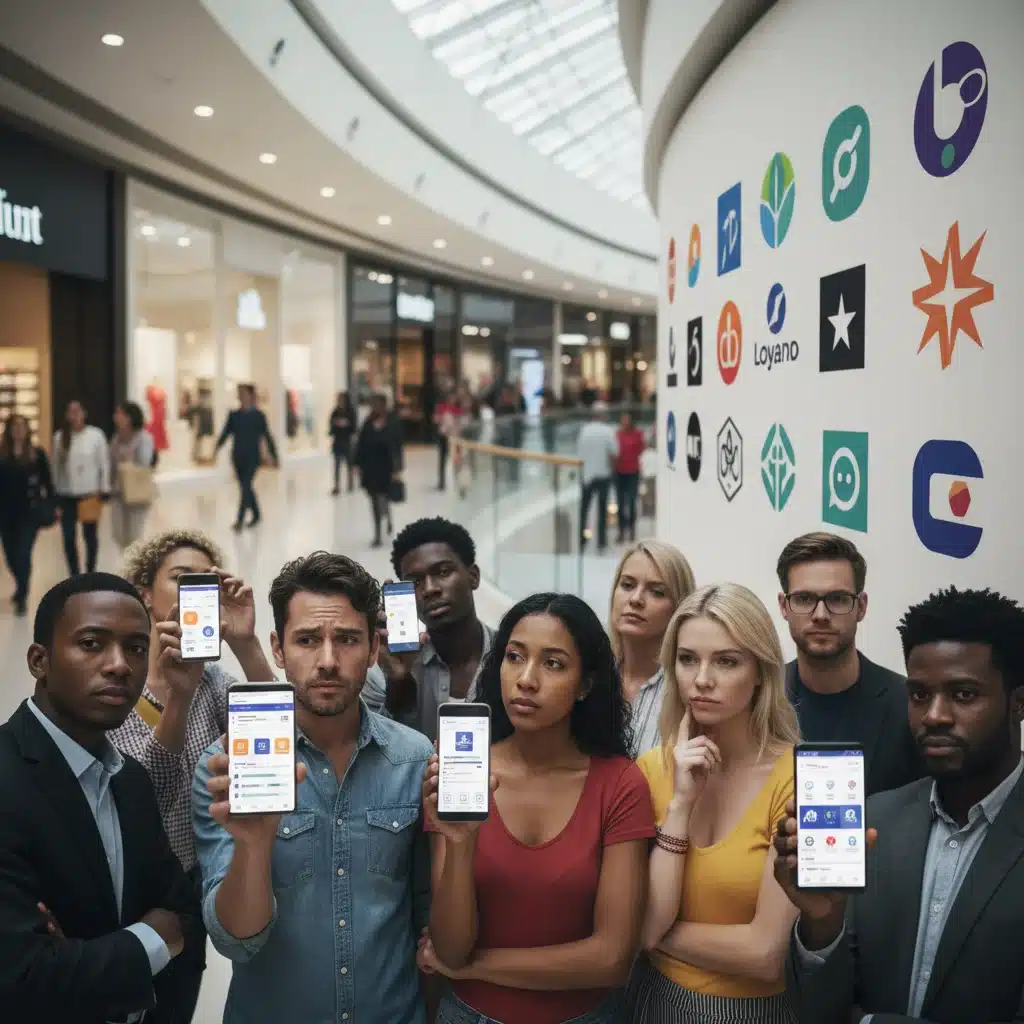
Furthermore, the concept of "loyalty fatigue" is a significant factor. Consumers are often enrolled in numerous loyalty programs, many of which they rarely engage with. The sheer volume of cards, apps, and emails can become overwhelming, leading to disinterest and a perception that programs are more about data collection than genuine reward. For brand loyalty 2026, simplicity and genuine value will cut through the noise, making a program stand out in a crowded market.
Beyond Points: The Rise of Experiential and Emotional Rewards
While discounts and freebies will always have their place, the 2026 consumer is increasingly valuing experiential and emotional rewards. This shift reflects a broader societal trend towards valuing experiences over possessions. For loyalty programs, this translates into offering unique access, personalized experiences, and opportunities that money can’t buy. Imagine exclusive event invitations, early access to new products, personalized consultations, or even opportunities to contribute to a brand’s social impact initiatives.
Emotional rewards tap into a consumer’s desire for recognition, belonging, and self-expression. A loyalty program that makes a customer feel seen, heard, and valued can forge a much stronger bond than one that simply offers a percentage off. This might involve personalized thank-you notes, birthday surprises, or even community-building initiatives where loyal customers can connect with each other and the brand.
Brands that successfully integrate these experiential and emotional elements into their loyalty programs will find a higher level of engagement and a more resilient form of loyalty. This approach moves beyond transactional relationships to build genuine partnerships with consumers, a crucial aspect of fostering brand loyalty 2026.
The Financial Impact of Brand Loyalty Programs in 2026
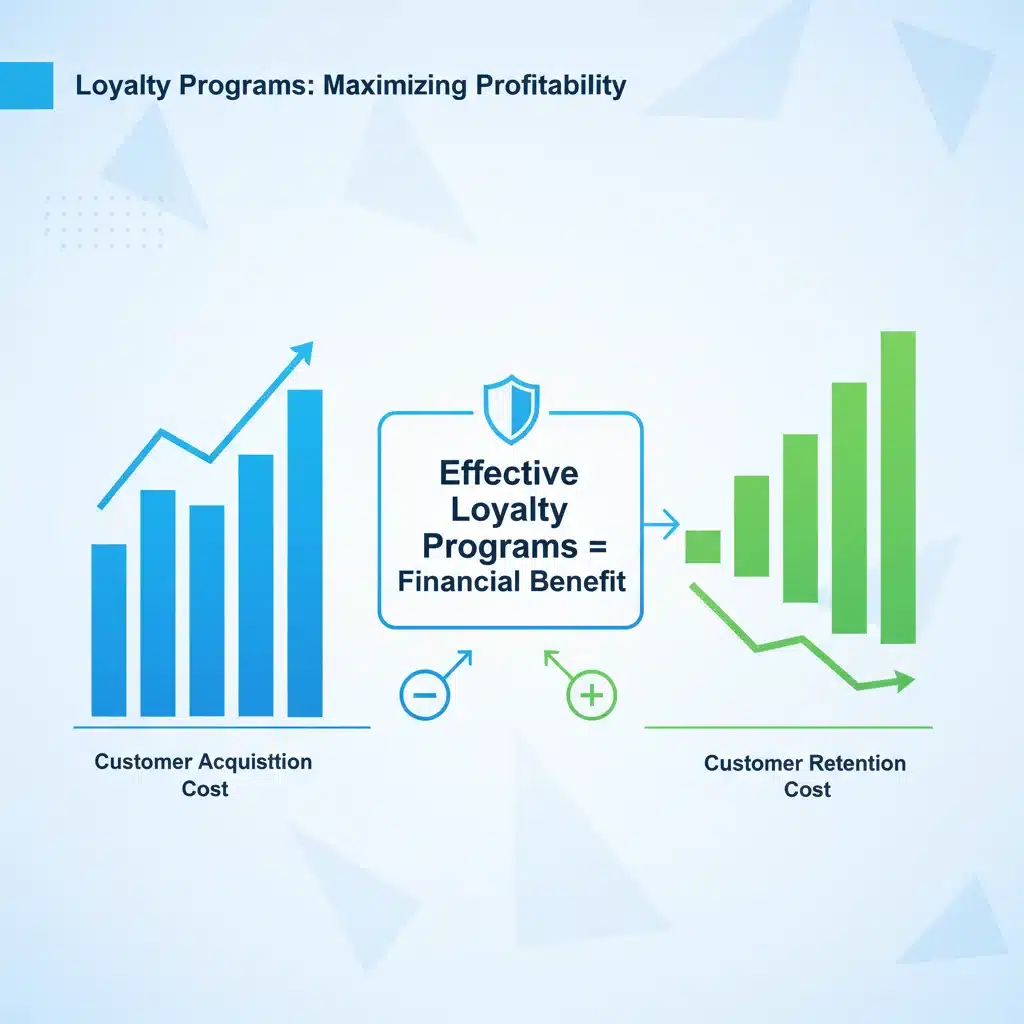
The financial justification for brand loyalty programs has always centered on the idea that retaining existing customers is significantly cheaper than acquiring new ones. This fundamental principle remains true in 2026, but the methods by which loyalty programs contribute to profitability are becoming more sophisticated. It’s no longer just about reducing churn; it’s about optimizing customer lifetime value (CLV), driving higher average transaction values, and fostering advocacy.
A well-executed loyalty program can lead to increased purchase frequency and higher spending per transaction. When customers feel rewarded and appreciated, they are more likely to choose that brand for their needs, even if it means spending a little more. This direct financial benefit is often the easiest to quantify. However, the indirect financial benefits are equally, if not more, significant.
Loyal customers are powerful brand advocates. They are more likely to recommend a brand to friends and family, share positive experiences on social media, and provide valuable feedback. This organic word-of-mouth marketing is incredibly cost-effective and carries a high degree of credibility, leading to lower customer acquisition costs (CAC) over time. Furthermore, loyal customers are often more forgiving of occasional missteps, contributing to brand resilience.
Measuring ROI: Beyond Simple Metrics
In 2026, measuring the return on investment (ROI) of loyalty programs requires a more comprehensive approach than simply tracking points redeemed or discounts given. Businesses need to analyze metrics such as:
- Customer Lifetime Value (CLV) Growth: How has the CLV of loyal customers changed since joining the program?
- Purchase Frequency and Average Order Value (AOV): Are loyal customers buying more often and spending more per transaction?
- Churn Rate Reduction: Is the program effectively reducing the rate at which customers leave the brand?
- Referral Rates: How many new customers are acquired through referrals from loyal members?
- Engagement Metrics: Are members actively engaging with program features, emails, and exclusive content?
- Attitudinal Metrics: Surveys and feedback can gauge shifts in brand perception, satisfaction, and advocacy.
By focusing on these broader metrics, businesses can gain a clearer picture of the true financial health and impact of their loyalty initiatives. A program that appears to be costing money in rewards might, in fact, be generating significant long-term value through increased CLV and reduced CAC, cementing its place in successful brand loyalty 2026 strategies.
Personalization and Data Privacy: A Delicate Balance
The cornerstone of effective loyalty programs in 2026 is hyper-personalization. Consumers expect brands to understand their individual preferences, anticipate their needs, and offer tailored recommendations and rewards. Generic, one-size-fits-all programs are increasingly ignored. Advanced analytics, AI, and machine learning are enabling brands to segment their audiences with unprecedented precision, delivering highly relevant content and offers.
However, this drive for personalization walks a fine line with data privacy concerns. Consumers are more aware than ever of how their data is collected and used. A loyalty program that feels intrusive or exploitative will quickly erode trust, undermining any potential benefits. Transparency and explicit consent are non-negotiable. Brands must clearly communicate what data they collect, why they collect it, and how it benefits the consumer. Giving customers control over their data and offering clear opt-out options will be crucial for maintaining trust.
The most successful loyalty programs in 2026 will be those that master the art of "permission marketing," where consumers willingly share their data in exchange for genuinely valuable, personalized experiences. This creates a virtuous cycle: more data leads to better personalization, which leads to higher engagement and greater trust, further reinforcing brand loyalty 2026.
Leveraging Technology for Deeper Connections
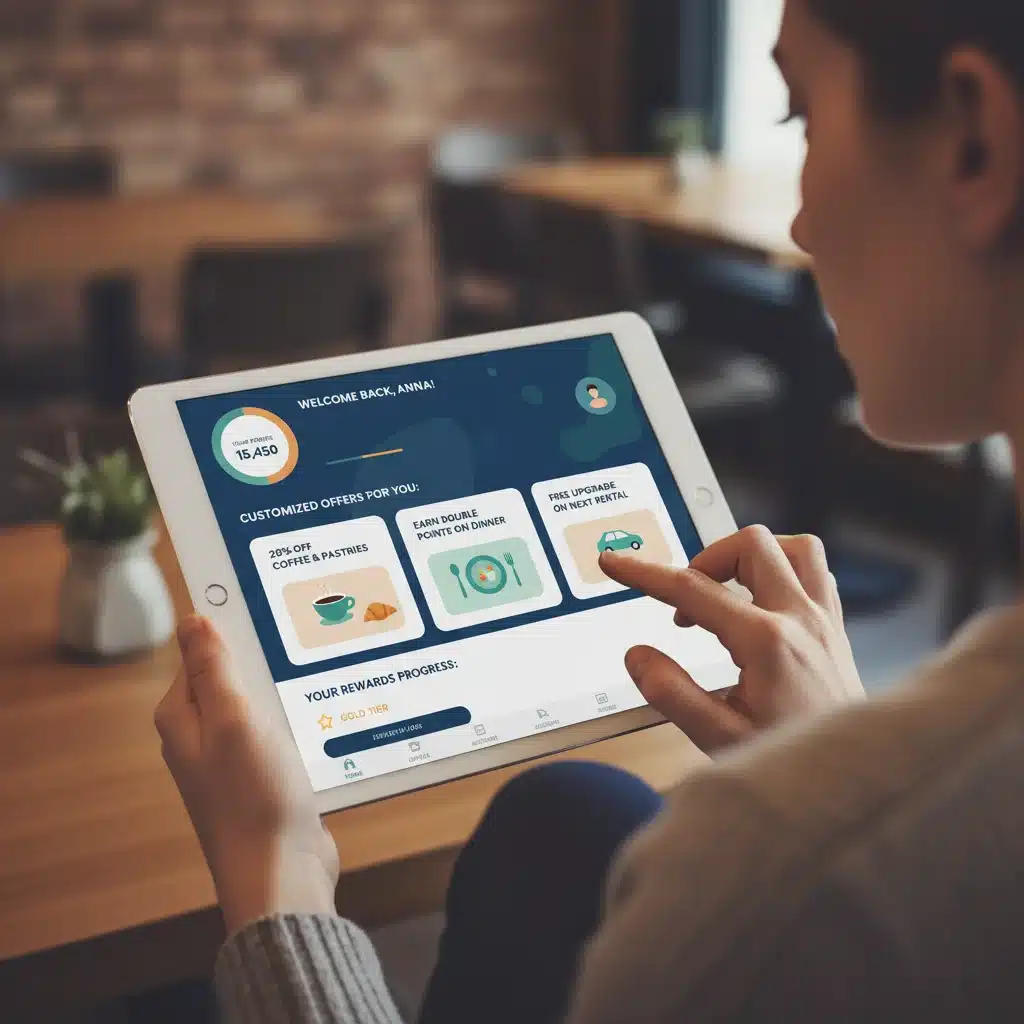
Technological advancements are revolutionizing how loyalty programs operate. Mobile apps are becoming central hubs for loyalty, offering seamless access to rewards, personalized offers, and real-time updates. Gamification elements, where consumers earn badges, climb tiers, or compete with others, can significantly boost engagement and make the loyalty experience more enjoyable.
AI-powered chatbots and virtual assistants can provide instant customer support and personalized recommendations, enhancing the overall customer experience. Blockchain technology is also emerging as a potential game-changer, offering secure and transparent ways to manage loyalty points and rewards, potentially even enabling interoperability between different loyalty programs.
The judicious application of these technologies will allow brands to create more dynamic, responsive, and deeply personalized loyalty experiences, moving beyond static programs to interactive ecosystems that continuously adapt to consumer behavior and preferences. This technological integration is key to unlocking the full potential of brand loyalty 2026.
Challenges and Opportunities for Loyalty Programs in 2026
Despite the clear benefits, loyalty programs face several significant challenges in 2026. The aforementioned loyalty fatigue is a major hurdle. Consumers are bombarded with loyalty offers, making it difficult for any single program to stand out. The increasing cost of rewards, coupled with shrinking margins in many industries, also puts pressure on the financial viability of these programs.
Another challenge is the expectation of instant gratification. While traditional loyalty programs often required long-term accumulation of points, modern consumers often prefer immediate, smaller rewards. Balancing long-term incentives with short-term gratification is a delicate act that requires careful program design.
However, these challenges also present significant opportunities. Brands that can innovate and adapt will gain a substantial competitive advantage. Opportunities include:
- Cross-Brand Partnerships: Collaborating with complementary brands to offer joint loyalty programs can expand reach and provide more diverse, valuable rewards.
- Subscription-Based Loyalty: Moving towards paid loyalty programs (e.g., Amazon Prime) where customers pay for premium benefits, creating a strong sense of commitment and exclusivity.
- Sustainability and Ethical Alignment: Integrating rewards that support environmental or social causes, appealing to the growing number of ethically conscious consumers.
- Community Building: Creating exclusive online or offline communities for loyal customers, fostering a sense of belonging and shared identity.
These innovative approaches can help brands overcome traditional loyalty program limitations and create truly differentiated offerings that resonate with the 2026 consumer, driving both engagement and financial success for brand loyalty 2026 initiatives.
Case Studies: Successful Brand Loyalty in Action
Examining brands that are already excelling in loyalty can provide valuable insights for 2026. While specific programs will evolve, the underlying principles of success remain constant: understanding the customer, delivering consistent value, and fostering genuine connection.
Starbucks Rewards: A Masterclass in Mobile-First Experience
Starbucks has long been a leader in loyalty, and their mobile-first approach continues to set a high bar. Their program seamlessly integrates payment, ordering, and rewards, making the entire experience frictionless. Beyond free drinks, Starbucks uses personalized offers based on purchase history, birthday rewards, and exclusive access to new menu items. The gamified "Stars" system encourages repeat visits, and the app serves as a direct communication channel, fostering a strong sense of community and connection. This blend of convenience, personalization, and aspirational rewards makes it a benchmark for brand loyalty 2026.
Sephora’s Beauty Insider: Building a Community of Enthusiasts
Sephora’s Beauty Insider program is a prime example of building loyalty through community and tiered benefits. Members earn points on purchases, which can be redeemed for exclusive products, experiences, or even charitable donations. The program’s multi-tiered structure (Insider, VIB, Rouge) offers increasing benefits, including early access to products, free makeovers, and exclusive events. More importantly, Sephora leverages its program to build a vibrant community of beauty enthusiasts, offering advice, tutorials, and a platform for members to connect. This focus on shared passion and community is a powerful driver of brand loyalty 2026.
NikePlus: Experiential Loyalty Through Fitness and Lifestyle
NikePlus goes beyond traditional retail loyalty by integrating fitness and lifestyle. Members get exclusive access to workout apps, personalized training plans, early access to new product drops, and special events. The program doesn’t just reward purchases; it rewards engagement with the Nike ecosystem and commitment to an active lifestyle. By aligning with its customers’ core values and aspirations, Nike creates a deep, emotional connection that transcends mere transactions. This experiential and value-driven approach is a strong indicator of future success in brand loyalty 2026.
Future-Proofing Your Loyalty Strategy for 2026
To ensure brand loyalty programs remain effective and financially viable in 2026, businesses must adopt a proactive and adaptive strategy. Here are key considerations:
- Deep Customer Understanding: Invest in robust data analytics to truly understand your customer segments, their preferences, pain points, and what truly motivates them. This goes beyond demographics to psychographics and behavioral patterns.
- Personalization at Scale: Leverage AI and machine learning to deliver hyper-personalized offers, content, and experiences. Ensure these are relevant and timely, avoiding generic communications.
- Seamless Omnichannel Experience: Loyalty programs must integrate across all touchpoints – online, in-app, in-store, and customer service. The experience should be consistent and frictionless, regardless of the channel.
- Balance Transactional and Experiential Rewards: Offer a mix of tangible discounts and unique, aspirational experiences. Cater to different segments of your loyal customer base.
- Transparency and Trust: Be completely transparent about data collection and usage. Prioritize customer privacy and build trust through ethical practices.
- Continuous Innovation: The loyalty landscape is constantly changing. Regularly review and update your program, experimenting with new technologies, reward structures, and engagement tactics.
- Measure Beyond Monetary: While financial ROI is crucial, also track engagement, sentiment, and advocacy. Understand the holistic impact of your program on brand health.
- Employee Engagement: Ensure your employees are educated and enthusiastic about the loyalty program. They are often the front line in delivering the loyalty experience.
By focusing on these strategic pillars, businesses can future-proof their loyalty initiatives, ensuring they continue to drive meaningful engagement and deliver significant financial returns in the competitive landscape of 2026. The key to sustained success lies in moving beyond mere transactions to build genuine, value-driven relationships with consumers.
Conclusion: The Enduring Value of Smart Loyalty
As we look towards 2026, the question is not whether brand loyalty programs are still worth it, but rather, are your brand loyalty programs designed for the modern consumer? The answer is a resounding yes, provided they are strategic, personalized, and built on a foundation of genuine value and trust. Generic, points-only programs are indeed losing their luster, but sophisticated, data-driven initiatives that prioritize customer experience and emotional connection are more potent than ever.
The financial impact of a well-executed loyalty program in 2026 cannot be overstated. From reducing customer acquisition costs and increasing customer lifetime value to fostering powerful brand advocacy, the returns are substantial. However, achieving these returns requires a deep understanding of evolving consumer sentiment, a commitment to personalization, and the intelligent application of technology, all while respecting data privacy.
Brands that invest in understanding their customers, offering relevant and compelling rewards (both transactional and experiential), and creating seamless, engaging experiences will not only retain their most valuable customers but also transform them into passionate advocates. In the dynamic market of 2026, cultivating strong brand loyalty 2026 will be a critical differentiator, a powerful engine for sustained growth, and a testament to a brand’s ability to truly connect with its audience.
The future of loyalty is not about simply giving away freebies; it’s about building relationships, fostering communities, and creating an ecosystem where customers feel valued, understood, and genuinely connected to the brands they choose. This is the path to enduring loyalty and undeniable financial success in the years to come.
Author