From Impulse to Intention: Shifting Consumer Purchase Triggers by 2026
Anúncios
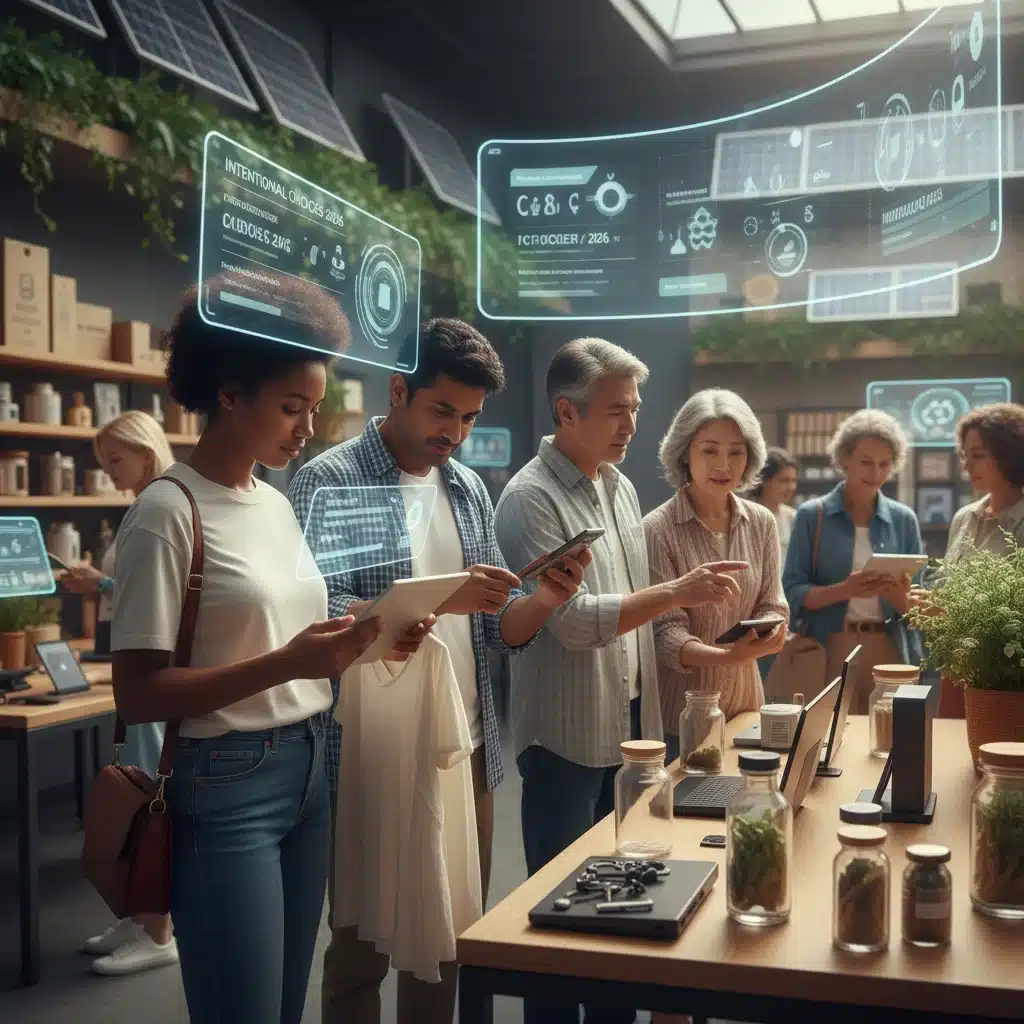
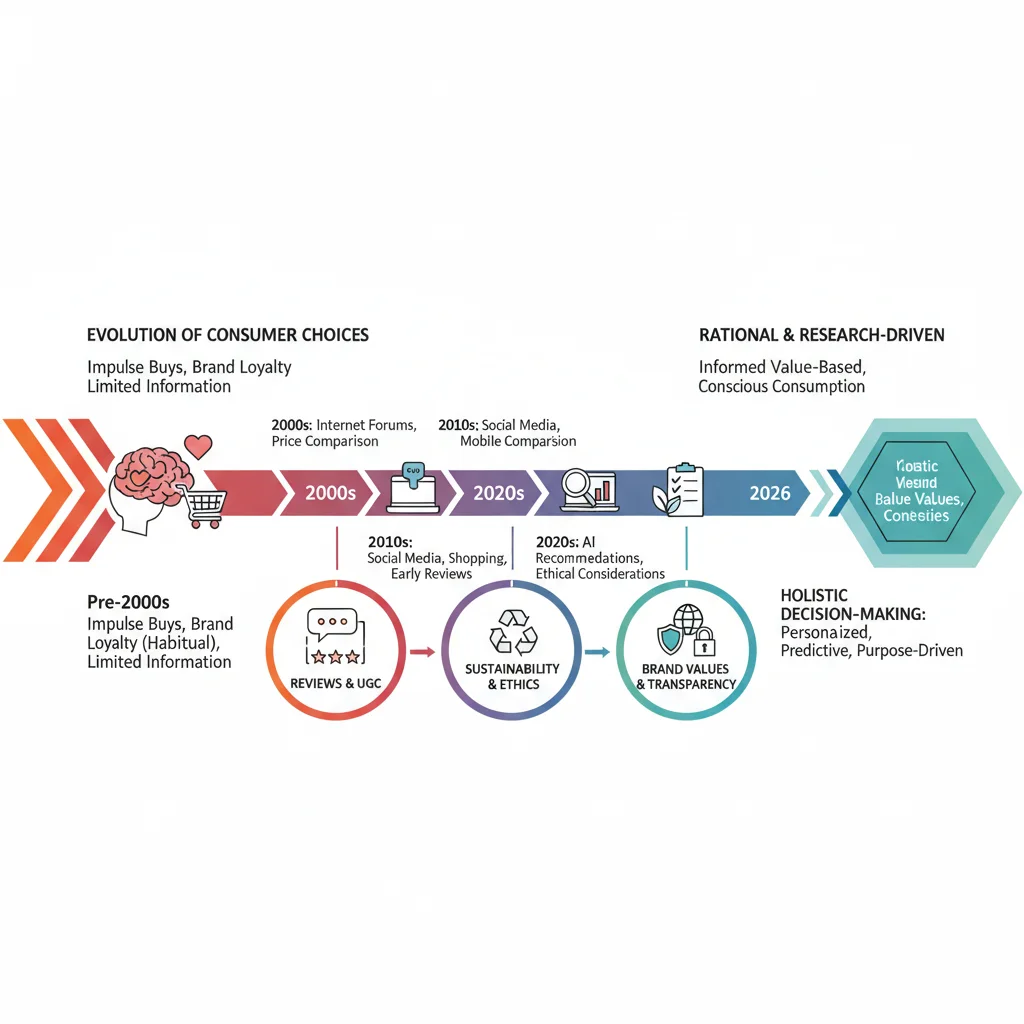
The retail landscape is in a constant state of flux, driven by technological innovation, shifting societal values, and an ever-evolving consumer mindset. For decades, marketing strategies often hinged on triggering impulsive purchases, leveraging emotional appeals, scarcity tactics, and immediate gratification. However, as we approach 2026, a profound transformation is underway: the consumer purchase triggers are shifting decisively from impulse to intention. This paradigm shift demands a rigorous analysis of the underlying causes, the implications for businesses, and the strategic adaptations required to thrive in this new era.
Understanding these evolving consumer purchase triggers is not merely an academic exercise; it is a critical imperative for any business aiming to maintain relevance and achieve sustainable growth. The days of solely relying on flashy advertisements or last-minute discounts are fading. Today’s consumer is more informed, more connected, and more discerning than ever before. They are not just buying products or services; they are investing in values, experiences, and long-term satisfaction. This article delves deep into this fascinating evolution, exploring the forces at play and offering actionable insights for navigating the future of commerce.
Anúncios
The Decline of Pure Impulse: Why Consumers Are Thinking Twice
For a long time, the psychology of impulse buying was a cornerstone of retail strategy. Think of the candy bars at the checkout counter, the ‘limited-time offers,’ or the enticing ‘buy one, get one free’ deals. These tactics aimed to bypass rational thought, appealing directly to immediate desires and emotional responses. While these still hold some sway, their overall effectiveness as primary consumer purchase triggers is diminishing. Several factors contribute to this decline:
1. Information Overload and Accessibility
The internet has democratized information. Before making a purchase, consumers can effortlessly access product reviews, compare prices across multiple retailers, research brand ethics, and even watch unboxing videos. This wealth of information empowers them to make more informed decisions, reducing the likelihood of regretted impulse buys. The smartphone in every pocket acts as a personal research assistant, turning every potential purchase into a mini-investigation. This accessibility fundamentally alters the initial consumer purchase triggers, pushing them towards a more analytical approach.
Anúncios
2. Economic Prudence and Financial Awareness
In an increasingly uncertain economic climate, consumers are becoming more financially savvy and cautious. The rise of personal finance apps, budgeting tools, and a general awareness of financial health means that discretionary spending is often subjected to greater scrutiny. Every purchase, particularly larger ones, is weighed against financial goals and long-term value. This shift means that businesses need to justify value beyond immediate desire, appealing to the consumer’s long-term financial wisdom rather than fleeting urges. The core consumer purchase triggers now often include financial sustainability and cost-effectiveness.
3. The Rise of Conscious Consumerism
Beyond personal finances, a growing segment of consumers is driven by ethical and environmental considerations. Sustainability, fair trade practices, corporate social responsibility, and transparent supply chains are no longer niche concerns; they are becoming mainstream consumer purchase triggers. Consumers are actively seeking brands that align with their values, and they are willing to pay a premium for products that reflect these principles. An impulse buy of a product from a company with questionable practices can lead to regret and a damaged sense of self, further discouraging such behavior.
4. Digital Fatigue and Ad Blocker Adoption
Consumers are bombarded with advertisements across countless digital channels. This constant influx has led to digital fatigue and a widespread adoption of ad blockers. As a result, intrusive, interruptive advertising that once fueled impulse buys is becoming less effective. Brands must now earn attention and trust, rather than simply demand it. This necessitates a move towards content marketing, personalized experiences, and genuine engagement, all of which foster intentionality over impulsivity as primary consumer purchase triggers.
The Ascent of Intention: New Consumer Purchase Triggers by 2026
As impulse wanes, intention rises. By 2026, several key factors will solidify their position as dominant consumer purchase triggers, fundamentally reshaping marketing and sales strategies.
1. Personalized Experiences and Hyper-Relevance
Generic marketing messages are increasingly ignored. Consumers expect brands to understand their individual needs, preferences, and past behaviors. AI and machine learning are enabling unprecedented levels of personalization, from tailored product recommendations to customized content and offers. When a brand demonstrates a deep understanding of the individual, it builds trust and relevance, making the purchase decision feel less like a transaction and more like a helpful solution. These hyper-relevant interactions become powerful consumer purchase triggers, guiding consumers towards products they genuinely need or desire.
2. Trust, Transparency, and Authenticity
In an age of misinformation and corporate scandals, trust is the new currency. Consumers are wary of brands that make unsubstantiated claims or operate behind a veil of secrecy. Transparency in sourcing, manufacturing, pricing, and even data usage will be paramount. Brands that openly share their stories, values, and even their imperfections will resonate more deeply. Authenticity, not just in messaging but in actual business practices, will become a non-negotiable consumer purchase trigger. Reviews, user-generated content, and influencer marketing (when genuinely authentic) will play a crucial role in building this trust.
3. Value Beyond Price: Longevity, Sustainability, and Ethical Sourcing
While price remains a factor, the definition of ‘value’ is expanding. Consumers are increasingly willing to invest in products that offer greater longevity, are sustainably produced, or come from ethically responsible supply chains. This is a direct consequence of conscious consumerism and a growing awareness of global challenges. Brands that can articulate and demonstrate this broader value proposition will activate powerful consumer purchase triggers. This includes clear labeling, certifications, and transparent reporting on environmental and social impact.
4. Seamless and Frictionless Customer Journeys
The entire customer journey, from initial discovery to post-purchase support, must be seamless and intuitive. Any friction – be it a slow website, a complicated checkout process, or unhelpful customer service – can derail an otherwise intentional purchase. Omnichannel experiences, where consumers can move effortlessly between online and offline touchpoints, will be expected. Technology like one-click purchasing, voice commerce, and augmented reality (AR) try-on experiences will simplify the path to purchase, making the intentional decision easier to execute. The ease of the journey itself becomes a significant consumer purchase trigger.
5. Community and Belonging
Humans are social creatures, and the desire for connection and belonging remains a potent force. Brands that foster vibrant communities around their products or values can tap into this. This could be through online forums, social media groups, exclusive events, or loyalty programs that offer more than just discounts. When consumers feel part of something larger, their loyalty deepens, and the recommendations from their trusted community become powerful consumer purchase triggers. This taps into the social proof and tribal instincts, but in a more considered, intentional way than pure impulse.
6. Experience-Driven Purchases
In an increasingly materialistic world, many consumers are prioritizing experiences over possessions. This doesn’t mean product purchases will cease, but rather that products are often bought to facilitate experiences. Travel gear, concert tickets, subscription boxes for hobbies, or high-quality ingredients for a home-cooked meal all fall into this category. Brands need to understand the experiences their products enable and market them accordingly. The promise of a fulfilling experience becomes a primary consumer purchase trigger.
Technology as an Enabler, Not Just a Driver
While technology has historically fueled impulse (think targeted ads that pop up at just the right moment), by 2026, its role will pivot towards enabling intentionality. AI, machine learning, and advanced analytics will move beyond merely predicting behavior to proactively assisting consumers in making better, more informed choices.
Artificial Intelligence (AI) and Machine Learning (ML)
AI and ML will power hyper-personalization at scale. Instead of simply recommending ‘similar items,’ AI will analyze vast datasets to understand individual needs, preferences, and even emotional states to suggest the most relevant and beneficial products. Chatbots will evolve into sophisticated virtual assistants, offering detailed product information, comparing options, and answering complex queries, thereby supporting intentional decision-making. These technologies will transform data into actionable insights that reinforce intentional consumer purchase triggers.
Augmented Reality (AR) and Virtual Reality (VR)
AR and VR will bridge the gap between digital browsing and physical experience. Imagine trying on clothes virtually, placing furniture in your living room before buying, or test-driving a car from the comfort of your home. These immersive technologies reduce uncertainty and buyer’s remorse, allowing consumers to make highly intentional purchases with greater confidence. They provide a ‘try before you buy’ experience that caters directly to the desire for informed decisions, making them powerful consumer purchase triggers.
Blockchain for Transparency
Blockchain technology offers an immutable and transparent ledger for supply chains. Consumers will be able to scan a QR code and trace a product’s journey from raw material to finished good, verifying its ethical sourcing, sustainability claims, and authenticity. This level of transparency directly addresses the demand for trust and authenticity, solidifying these as critical consumer purchase triggers for many. It moves beyond mere claims to verifiable facts.
Strategies for Businesses to Adapt to New Consumer Purchase Triggers
To thrive in a market dominated by intentional consumer purchase triggers, businesses must fundamentally rethink their strategies. Here are key areas of focus:
1. Invest in Data Analytics and Personalization
Harness the power of data to understand your customers at an individual level. Implement robust CRM systems, leverage AI-driven analytics, and create personalized customer journeys. This means moving beyond basic segmentation to true one-to-one marketing. The more relevant your offerings, the stronger the intentional consumer purchase triggers you can activate.
2. Prioritize Transparency and Ethical Practices
Be open and honest about your business practices. Showcase your sustainable initiatives, ethical sourcing, and corporate social responsibility efforts. Obtain relevant certifications and communicate them clearly. Build trust through authenticity, not just marketing spin. This is no longer a ‘nice-to-have’ but a ‘must-have’ for influencing consumer purchase triggers.
3. Enhance the Customer Experience Across All Touchpoints
Map out your entire customer journey and identify friction points. Invest in user-friendly websites, intuitive mobile apps, efficient customer service, and seamless omnichannel integration. Make it as easy as possible for intentional consumers to complete their purchase and receive support. A smooth experience reinforces the positive intentional consumer purchase triggers.

4. Focus on Value Proposition Beyond Price
Clearly articulate the long-term value, quality, durability, and ethical benefits of your products or services. Shift the narrative from ‘cheap’ to ‘worth it.’ Educate consumers on why your product is a wise, intentional investment rather than just an immediate gratification. Emphasize the broader benefits that align with evolving consumer purchase triggers.
5. Build and Nurture Communities
Create platforms and opportunities for your customers to connect with each other and with your brand. Encourage user-generated content, facilitate discussions, and offer exclusive experiences to your community members. Foster a sense of belonging that transcends mere transactions. Strong communities reinforce positive consumer purchase triggers through social proof and shared values.
6. Embrace Experiential Marketing
Think about the experiences your products enable. How can you market those experiences? Can you offer virtual workshops, interactive demonstrations, or unique brand activations that allow consumers to engage with your products in a meaningful way? Focus on selling the dream, the lifestyle, or the solution, rather than just the commodity. This directly addresses the shift towards experience-driven consumer purchase triggers.
7. Content is King, Context is Queen
Develop high-quality, informative content that addresses consumer pain points, answers their questions, and helps them make informed decisions. This includes blog posts, how-to guides, video tutorials, and expert interviews. Ensure this content is delivered in the right context, at the right time, to guide the intentional purchasing process. This educational approach nurtures the intentional consumer purchase triggers.
Challenges and Considerations
While the shift to intentional consumer purchase triggers presents immense opportunities, it also comes with challenges. Businesses must be prepared for increased scrutiny, a longer sales cycle in some cases, and the need for continuous adaptation. The investment in data infrastructure, ethical supply chains, and advanced technology can be substantial. Moreover, maintaining authenticity in a world of sophisticated marketing requires genuine commitment from leadership.
The competition will also intensify as brands vie for the trust and attention of discerning consumers. Those who fail to adapt will find themselves marginalized, unable to connect with a customer base that prioritizes meaning and purpose over fleeting desires. The pressure to innovate and differentiate will be higher than ever, pushing businesses to truly understand and cater to the nuanced consumer purchase triggers of 2026 and beyond.
Conclusion: The Future is Intentional
By 2026, the era of pure impulse-driven consumption will largely be a relic of the past. The dominant consumer purchase triggers will be rooted in intention, driven by information, values, personalization, and seamless experiences. Consumers will seek out brands that align with their ethical stance, offer genuine value, and provide a frictionless journey. For businesses, this means a fundamental reorientation of strategy, moving away from manipulative tactics towards building genuine relationships and offering meaningful solutions.
The brands that succeed in this new landscape will be those that embrace transparency, leverage technology to empower informed decisions, and prioritize the holistic customer experience. They will understand that a purchase is no longer just a transaction, but an intentional act reflecting deeper values and desires. Adapting to these evolving consumer purchase triggers is not just about survival; it’s about unlocking unprecedented opportunities for growth, loyalty, and a more sustainable, consumer-centric future.
Author