The Pivotal Role of Small Businesses in the 2026 U.S. Economic Recovery: A 12-Month Outlook
The U.S. economy, a colossal and intricate machine, is constantly evolving, influenced by myriad factors ranging from global geopolitical shifts to domestic policy changes. As we cast our gaze towards 2026, a critical component of its anticipated recovery and sustained growth stands out: the enduring resilience and dynamism of small businesses. Often referred to as the backbone of the American economy, these enterprises, from local coffee shops to innovative tech startups, are not merely participants but crucial drivers of job creation, innovation, and community prosperity. Understanding their trajectory over the next 12 months is paramount for anyone invested in the nation’s economic health.
The past few years have presented unprecedented challenges for businesses of all sizes, but small businesses, with their often leaner resources and greater susceptibility to market fluctuations, have felt the brunt most acutely. Yet, their adaptability and entrepreneurial spirit have consistently proven to be formidable forces. As we move into 2026, the landscape appears to be shifting, offering both new hurdles and significant opportunities. This article, focusing on the keyword small business recovery, will delve deep into a 12-month outlook, examining the key trends, potential obstacles, and strategic pathways that will define the role of small businesses in the broader U.S. economic rebound. We will explore how policy, technological advancements, consumer behavior, and access to capital will collectively shape their journey.
Anúncios
The Current Economic Climate: Setting the Stage for Small Business Recovery
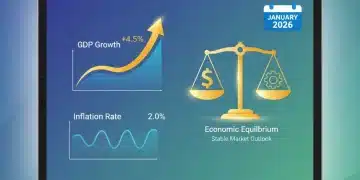
Before projecting forward, it’s essential to grasp the current economic realities impacting small businesses. Inflation, though showing signs of moderation, remains a concern, influencing operational costs and consumer purchasing power. Labor shortages, particularly in skilled trades and service industries, continue to pose significant recruitment and retention challenges. Supply chain disruptions, while less severe than in previous years, still linger, forcing businesses to diversify suppliers and build greater resilience. Interest rate hikes, a tool used by the Federal Reserve to combat inflation, have increased the cost of borrowing, potentially stifling investment and expansion plans for many small enterprises.
Despite these headwinds, there are silver linings. Consumer spending, though sometimes volatile, has largely remained robust, driven by accumulated savings and a relatively strong job market. Technological adoption, accelerated by the pandemic, has empowered many small businesses to operate more efficiently, reach broader markets, and innovate their offerings. Government support programs, while not as extensive as in the immediate aftermath of the pandemic, continue to provide some relief and incentives for growth. The confluence of these factors creates a complex but not insurmountable environment for small business recovery as we head into 2026.
Anúncios
Key Trends Shaping the 2026 Small Business Landscape
Several overarching trends will dictate the pace and nature of small business recovery in the coming year:
1. Digital Transformation Acceleration
The shift towards digital platforms is no longer optional; it’s fundamental. Small businesses that embrace e-commerce, digital marketing, and cloud-based operational tools will be better positioned for growth. This includes everything from optimizing online presence for local search to leveraging AI for customer service and data analytics for informed decision-making. The ability to seamlessly integrate digital tools into daily operations will be a significant competitive advantage, allowing smaller entities to compete more effectively with larger corporations.
2. Focus on Sustainability and Ethical Practices
Consumers, particularly younger demographics, are increasingly prioritizing businesses with strong environmental, social, and governance (ESG) commitments. Small businesses that integrate sustainable practices, ethical sourcing, and community engagement into their core values will likely see increased customer loyalty and a stronger brand reputation. This trend extends beyond mere marketing; it involves genuine operational changes that reflect a commitment to a better future.
3. Evolving Workforce Dynamics and Remote Work
The traditional 9-to-5 office model has been permanently altered. Small businesses will continue to navigate hybrid and remote work models, requiring investments in communication technologies, cybersecurity, and flexible management strategies. Attracting and retaining talent will depend not just on competitive wages but also on offering work-life balance and a positive company culture. The gig economy also presents opportunities for small businesses to access specialized talent on a project basis, offering flexibility in staffing and cost management.
4. Hyper-Personalization of Customer Experience
In an increasingly crowded marketplace, personalized customer experiences will differentiate successful small businesses. Leveraging data to understand individual customer preferences, offering tailored products or services, and providing exceptional, responsive service will be crucial. This can range from personalized marketing campaigns to customized product recommendations and proactive customer support.
5. Supply Chain Diversification and Resilience
Lessons learned from recent disruptions have underscored the need for robust and diversified supply chains. Small businesses will focus on building relationships with multiple suppliers, exploring local sourcing options, and implementing technology to track and manage inventory more effectively. This proactive approach will mitigate future risks and ensure operational continuity.
Challenges and Opportunities for Small Business Growth in 2026
The path to robust small business recovery is not without its obstacles, but within each challenge lies an opportunity for innovation and strategic growth.
Challenges:
- Access to Capital: Despite some improvements, securing affordable financing remains a significant hurdle for many small businesses, particularly startups and those in underserved communities. Rising interest rates exacerbate this challenge.
- Inflationary Pressures: While moderating, inflation can still squeeze profit margins through increased costs for raw materials, utilities, and labor. Small businesses must find ways to manage these costs without alienating customers with excessive price hikes.
- Talent Shortages: The competition for skilled labor is fierce. Small businesses often struggle to compete with larger corporations on salaries and benefits, requiring them to be more creative in their recruitment and retention strategies.
- Regulatory Burden: Navigating complex and evolving regulations, from labor laws to environmental standards, can be time-consuming and costly for small businesses with limited legal and HR resources.
- Cybersecurity Risks: As small businesses become more digital, they also become more vulnerable to cyberattacks. Protecting customer data and intellectual property is crucial, but implementing robust cybersecurity measures can be expensive and complex.

Opportunities:
- Niche Market Specialization: Small businesses can thrive by identifying and serving niche markets that larger companies overlook. Specialization allows for deeper customer understanding and less direct competition.
- Leveraging Localism and Community Support: There’s a growing consumer preference for supporting local businesses. Small businesses can capitalize on this by emphasizing their community roots, personalized service, and unique offerings.
- Technological Adoption for Efficiency: Investing in affordable software solutions for accounting, CRM, project management, and marketing can significantly boost efficiency and reduce operational costs, freeing up resources for growth.
- Partnerships and Collaborations: Forming strategic alliances with other small businesses, local organizations, or even larger companies can open new markets, share resources, and enhance brand visibility.
- E-commerce and Global Reach: Digital platforms empower even the smallest businesses to reach customers far beyond their geographic location, unlocking new revenue streams and growth potential.
- Innovation in Service Delivery: Small businesses are often more agile and can adapt quickly to changing consumer demands. This allows them to innovate in how they deliver products and services, creating unique value propositions.
The Role of Government and Policy in Supporting Small Business Recovery
Government policies at federal, state, and local levels will play a significant role in shaping the environment for small business recovery. Supportive policies can act as catalysts for growth, while restrictive ones can impede progress.
Key Policy Areas to Watch:
- Access to Capital Programs: Continued and expanded funding for SBA loan programs, microloan initiatives, and guarantees for small business lending will be crucial. Policies that encourage private investment in small businesses, perhaps through tax incentives, could also be highly effective.
- Tax Relief and Simplification: Simplifying the tax code and offering targeted tax credits for small businesses – perhaps for job creation, R&D, or sustainable practices – could reduce financial burdens and encourage investment.
- Workforce Development and Training: Government-funded programs that help small businesses train their workforce, upskill existing employees, or connect with vocational training institutions can address labor shortages and improve productivity.
- Regulatory Reform: Streamlining burdensome regulations and providing clear guidance can reduce compliance costs and allow small business owners to focus more on growth and innovation.
- Infrastructure Investment: Investments in digital infrastructure (broadband access), transportation, and energy can create a more robust operating environment for small businesses, particularly in rural and underserved areas.
- Support for Innovation: Programs that encourage small business innovation, such as grants for R&D, incubators, and accelerators, can foster new industries and job creation.
Advocacy groups and small business associations will continue to play a vital role in lobbying for these supportive policies, ensuring that the voice of small business is heard in legislative debates. Their collective efforts are essential for creating an ecosystem where small business recovery can truly flourish.
Sector-Specific Outlooks for Small Businesses
While general trends apply across the board, specific sectors will experience unique dynamics in 2026:
Retail and Hospitality:
These sectors will continue to adapt to evolving consumer preferences, blending online and in-person experiences. Personalized service, unique product offerings, and a strong local identity will be key differentiators. Technology for inventory management, online ordering, and customer relationship management will be vital. The return of tourism and events will also provide a significant boost.
Technology and Innovation:
Small tech firms, particularly those in AI, cybersecurity, sustainable tech, and health tech, are poised for significant growth. Access to venture capital and skilled talent will be crucial for their expansion. Collaboration with larger tech companies and research institutions could also open doors to new markets and funding.
Manufacturing and Skilled Trades:
Reshoring efforts and increased demand for customized products could benefit small manufacturers. Addressing the skilled labor gap through apprenticeships and vocational training will be critical. Investment in automation and advanced manufacturing technologies, even on a small scale, can improve competitiveness.
Professional Services:
Consulting, marketing, legal, and accounting firms will see continued demand as other businesses navigate complex economic and regulatory landscapes. Specialization, strong client relationships, and the adoption of AI-powered tools for efficiency will be important for growth.
Strategies for Small Businesses to Thrive in 2026
For small business owners looking to not just survive but thrive in the coming year, a proactive and adaptive strategy is essential. Here are some actionable steps:
- Embrace Digital Transformation: Invest in a robust online presence, e-commerce capabilities, and digital marketing. Explore automation tools for routine tasks.
- Prioritize Customer Experience: Focus on building strong customer relationships through personalized service, loyalty programs, and responsive communication.
- Diversify Revenue Streams: Don’t put all your eggs in one basket. Explore new products, services, or market segments to mitigate risks.
- Build Financial Resilience: Maintain healthy cash reserves, monitor cash flow diligently, and explore various financing options beyond traditional bank loans.
- Invest in Your Team: Offer competitive compensation, professional development opportunities, and a supportive work environment to attract and retain talent. Explore flexible work arrangements.
- Network and Collaborate: Engage with local business communities, industry associations, and potential partners to share knowledge, resources, and opportunities.
- Stay Agile and Adaptable: The economic landscape can change rapidly. Be prepared to pivot strategies, embrace new technologies, and respond quickly to market shifts.
- Focus on Sustainability: Integrate environmentally friendly practices and ethical considerations into your business model. Communicate these efforts to your customers.

The Long-Term Impact of Small Business Recovery
The successful small business recovery in 2026 is not just about individual enterprises; it has profound long-term implications for the entire U.S. economy. A thriving small business sector leads to:
- Increased Job Creation: Small businesses are historically the largest creators of new jobs, contributing significantly to reducing unemployment and fostering economic mobility.
- Enhanced Innovation: Often more agile and less bureaucratic than large corporations, small businesses are hotbeds of innovation, bringing new products, services, and business models to market.
- Stronger Local Economies: Small businesses tend to keep more money circulating within their local communities, supporting other local businesses and contributing to a vibrant local tax base.
- Greater Economic Resilience: A diversified economy with a strong small business component is inherently more resilient to economic shocks and downturns.
- Reduced Income Inequality: Small businesses often provide opportunities for entrepreneurship and employment in diverse communities, helping to address income disparities.
Therefore, fostering a robust environment for small business growth is not merely an economic strategy; it’s a societal imperative that contributes to overall prosperity and well-being. The collective success of these enterprises in 2026 will lay a crucial foundation for sustained economic health in the years to come.
Conclusion: Optimism and Strategic Action for 2026
The 12-month outlook for small business recovery in 2026 is one of cautious optimism, tempered by an understanding of persistent challenges. While inflation, labor shortages, and access to capital remain significant hurdles, the inherent resilience, adaptability, and innovative spirit of American small businesses provide a strong foundation for growth. The acceleration of digital transformation, a growing emphasis on sustainability, and evolving workforce dynamics present both challenges and unparalleled opportunities.
For small businesses to truly drive the U.S. economic recovery, a combination of strategic foresight, proactive adaptation, and supportive policy will be essential. By embracing technology, prioritizing customer experience, building financial resilience, and investing in their teams, small business owners can navigate the complexities of the coming year and emerge stronger. Furthermore, continued government and community support, through targeted programs and simplified regulations, will create a more fertile ground for these vital economic engines to flourish.
As 2026 unfolds, the narrative of the U.S. economic recovery will largely be written by the millions of small businesses across the nation. Their success will not only translate into individual prosperity but will also ripple through communities, creating jobs, fostering innovation, and cementing the overall strength and resilience of the American economy. The journey ahead requires vigilance and adaptability, but the potential for significant small business recovery and contribution to national prosperity is undeniably within reach.