Parental Involvement 2026: K-12 to College Student Success Strategies

Anúncios
Parental Involvement in 2026: Strategies to Support Student Success from K-12 Through College
The landscape of education is continuously evolving, and with it, the critical role of parental involvement. As we look towards 2026, understanding and implementing effective parental involvement strategies is more crucial than ever. This comprehensive guide delves into modern approaches to foster student success, from the foundational years of K-12 education all the way through the complexities of college life. We’ll explore how parents, educators, and institutions can collaborate to create an environment where every student thrives.
The Evolving Definition of Parental Involvement
Traditionally, parental involvement strategies often focused on attending parent-teacher conferences, volunteering in classrooms, or helping with homework. While these elements remain valuable, the definition has expanded significantly. In 2026, parental involvement encompasses a broader spectrum of activities, including advocating for educational policies, engaging in digital learning platforms, fostering socio-emotional development, and preparing students for future careers, not just academic milestones. It’s about creating a holistic support system that adapts to the unique challenges and opportunities of each educational stage.
Anúncios
For K-12 students, active parental engagement can predict higher grades, better attendance, increased motivation, and improved behavior. As students transition to college, the nature of this involvement shifts from direct supervision to guidance, mentorship, and emotional support, empowering young adults to navigate independence while knowing they have a strong backing. The key is to recognize that effective parental involvement strategies are not one-size-fits-all but rather dynamic and responsive to individual student needs and developmental stages.
K-12: Building Strong Foundations with Parental Involvement Strategies
The early years of education are pivotal. Strong parental involvement strategies in K-12 lay the groundwork for a child’s entire academic journey. Here’s how:
1. Open and Consistent Communication Channels
Effective communication is the cornerstone of any successful partnership. Schools in 2026 are leveraging multi-channel communication to keep parents informed and engaged. This includes:
Anúncios
- Digital Platforms: Utilizing school apps, online portals, and secure messaging systems for real-time updates on assignments, grades, attendance, and school events.
- Personalized Outreach: Teachers making proactive calls or sending personalized emails to share positive feedback or address concerns early.
- Parent Workshops: Offering workshops (in-person and virtual) on topics like navigating new curriculum standards, understanding standardized test results, or supporting literacy at home.
- Feedback Mechanisms: Creating avenues for parents to easily provide feedback and suggestions to the school administration.
These strategies ensure that parents feel like valued partners in their child’s education, fostering trust and collaboration. When communication is clear and consistent, parents are better equipped to support learning at home and address issues before they escalate.
2. Empowering Parents as Learning Facilitators
Parents are a child’s first and most enduring teachers. Schools can empower them to facilitate learning beyond the classroom through:
- Home Learning Resources: Providing accessible resources, tips, and activities that parents can use to reinforce classroom learning, such as reading guides, math games, or science experiment ideas.
- Skill-Building Workshops: Offering sessions on specific academic skills, like effective reading comprehension techniques, problem-solving strategies for math, or navigating online research tools.
- Promoting a Love for Learning: Encouraging parents to model curiosity, read together, visit libraries and museums, and engage in educational discussions as a family.
These parental involvement strategies help bridge the gap between school and home, creating a consistent and supportive learning environment. When parents understand how to support their child’s learning journey, they become powerful allies in academic achievement.
3. Fostering Socio-Emotional Development
Academic success is deeply intertwined with socio-emotional well-being. Parents play a critical role in nurturing these skills:
- Emotional Intelligence: Guiding parents on how to help children identify and manage emotions, build resilience, and develop empathy.
- Social Skills: Providing resources on fostering positive peer relationships, conflict resolution, and understanding social cues.
- Mental Health Awareness: Educating parents on recognizing signs of stress, anxiety, or other mental health challenges in children and connecting them with school or community resources.
Integrating these socio-emotional parental involvement strategies ensures that students are not only academically prepared but also emotionally robust, ready to face life’s challenges. A child who feels secure and understood is more likely to engage positively with their education.
4. Advocating for Educational Equity and Resources
Parents can be powerful advocates for their children and their school communities. Encouraging and supporting parental advocacy includes:
- PTA/PTO Engagement: Facilitating active participation in parent-teacher organizations to influence school policies and fundraising.
- Community Partnerships: Connecting parents with local resources, after-school programs, and family support services.
- Policy Awareness: Informing parents about local, state, and national educational policies and how they can voice their opinions.
These parental involvement strategies ensure that parents are not just recipients of information but active contributors to the educational ecosystem, fighting for the best outcomes for all students.
Transitioning to Higher Education: Parental Involvement in College
The role of parents shifts significantly as students move from K-12 to college. While independence is paramount, parental support remains a vital factor in college success. The focus transitions from direct academic oversight to providing guidance, emotional support, and financial literacy.

1. Encouraging Autonomy and Self-Advocacy
One of the most crucial parental involvement strategies for college-bound students is fostering independence. This means:
- Stepping Back: Allowing students to take ownership of their academic responsibilities, managing their schedules, and communicating directly with professors.
- Problem-Solving Skills: Guiding students to find solutions to their own challenges, rather than solving problems for them.
- Resource Navigation: Helping students understand and utilize campus resources like academic advising, career services, mental health support, and financial aid offices.
This shift empowers students to become self-reliant learners and active participants in their higher education journey. Parents become coaches rather than managers, offering support from the sidelines.
2. Financial Literacy and Planning
College often presents significant financial challenges. Parental involvement in this area is invaluable:
- Budgeting Skills: Teaching students how to manage their money, create a budget, and track expenses.
- Understanding Financial Aid: Collaborating with students to understand student loans, scholarships, and grants, and the responsibilities associated with them.
- Career Preparedness: Discussing career paths, internship opportunities, and the financial implications of different degree choices.
These parental involvement strategies equip students with essential life skills that extend far beyond their college years, preparing them for financial independence and responsible decision-making.
3. Emotional and Mental Health Support
College can be a period of immense stress and change. Parents provide a critical emotional safety net:
- Active Listening: Being available to listen without judgment and offering emotional support during stressful times.
- Recognizing Warning Signs: Understanding the signs of academic burnout, anxiety, depression, or homesickness and knowing when to suggest professional help.
- Maintaining Connection: Regularly checking in with students through calls, video chats, or visits, while respecting their need for space and independence.
A strong emotional support system is one of the most powerful parental involvement strategies for helping college students navigate challenges and maintain their well-being.
4. Career Exploration and Networking
Parents can leverage their own professional networks and experiences to help their college-aged children:
- Mentorship: Connecting students with professionals in their desired fields for informational interviews or mentorship opportunities.
- Internship Guidance: Assisting with resume building, interview preparation, and identifying relevant internship programs.
- Skill Development: Encouraging the development of ‘soft skills’ like communication, teamwork, and critical thinking, which are highly valued in the professional world.
These proactive parental involvement strategies can significantly enhance a student’s career readiness and future employment prospects, providing a crucial bridge from academia to the professional world.
Challenges and Solutions in Modern Parental Involvement
Despite the clear benefits, implementing effective parental involvement strategies is not without its challenges. Socioeconomic disparities, language barriers, time constraints, and differing cultural expectations can all impact engagement levels.
Overcoming Barriers:
- Flexible Engagement Opportunities: Offering virtual meetings, online resources, and asynchronous communication to accommodate diverse parent schedules.
- Multilingual Support: Providing translated materials, interpreters, and culturally sensitive outreach to engage non-English speaking families.
- Community Hubs: Partnering with community centers, libraries, and religious institutions to host educational events and provide resources in accessible locations.
- Technology Training: Offering workshops for parents on how to use school portals, educational apps, and communication platforms.
- Building Trust: Schools actively working to build relationships with all families, demonstrating genuine care and respect for their unique circumstances.
Addressing these challenges head-on is essential for creating inclusive parental involvement strategies that truly support all students, regardless of their background.
The Role of Technology in Enhancing Parental Involvement
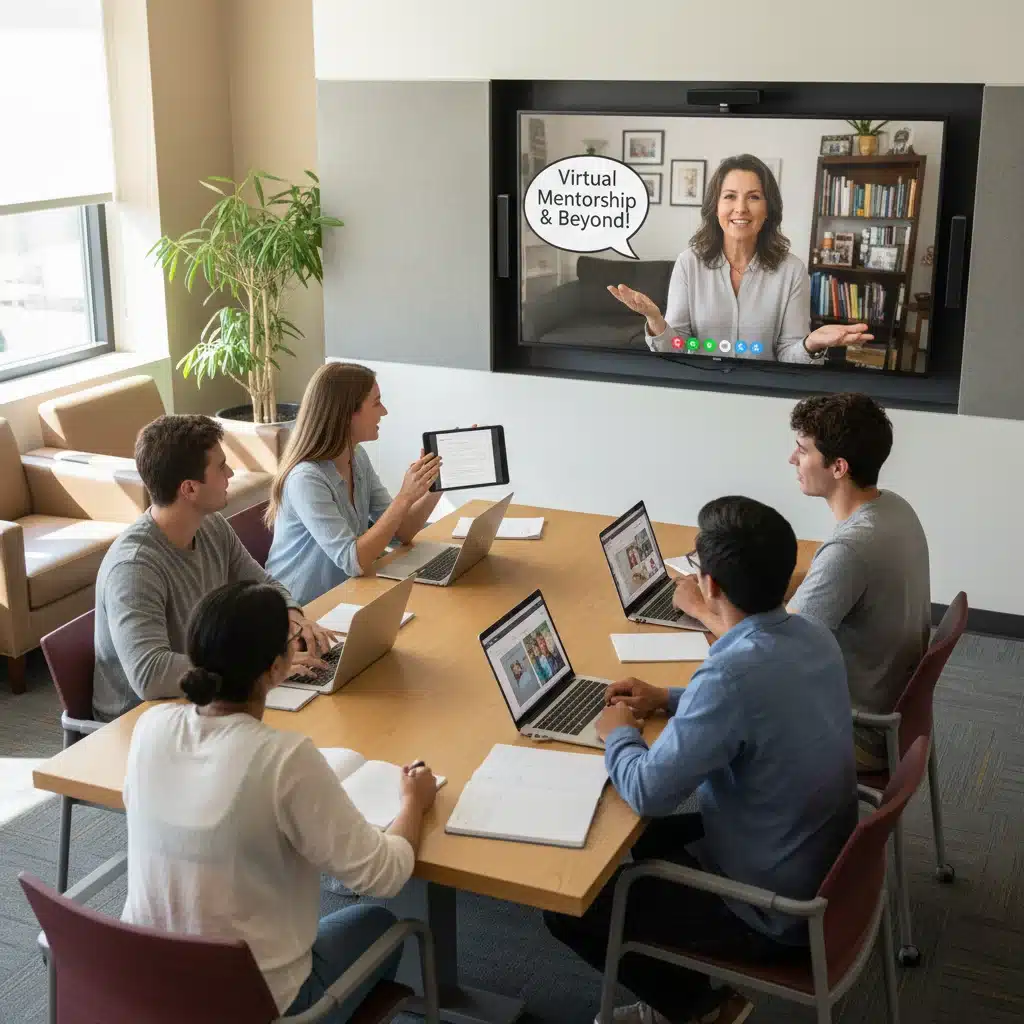
Technology has revolutionized how parents and educators connect and collaborate. In 2026, digital tools are integral to effective parental involvement strategies:
- Learning Management Systems (LMS): Platforms like Canvas, Google Classroom, and Schoology allow parents to monitor assignments, grades, and classroom announcements.
- Communication Apps: Tools like Remind, ClassDojo, and school-specific apps facilitate quick and direct communication between parents and teachers.
- Virtual Parent-Teacher Conferences: Offering video conferences makes it easier for working parents or those with transportation challenges to participate.
- Online Resource Libraries: Curated collections of educational videos, articles, and interactive activities accessible to parents 24/7.
- Data Dashboards: Providing parents with user-friendly dashboards to visualize their child’s academic progress and identify areas for support.
While technology offers immense opportunities, it’s crucial to ensure digital equity and provide support for parents who may be less tech-savvy. The goal is to use technology to enhance, not replace, human connection.
Future Trends in Parental Involvement (Beyond 2026)
Looking further into the future, parental involvement strategies will continue to adapt to emerging educational paradigms:
- Personalized Learning Pathways: Parents will be increasingly involved in co-designing personalized learning plans with educators, tailored to their child’s unique strengths and interests.
- AI-Powered Insights: AI tools may provide parents with personalized insights into their child’s learning patterns, suggesting targeted resources or interventions.
- Global Collaboration: As education becomes more globalized, parents may engage in international collaborations, connecting their children with peers and learning opportunities worldwide.
- Lifelong Learning Mentorship: Parents will increasingly serve as mentors for lifelong learning, emphasizing adaptability and continuous skill development in a rapidly changing world.
These trends highlight a future where parental involvement is even more integrated, personalized, and forward-thinking, continuously striving to optimize student outcomes.
Conclusion: A Partnership for Lifelong Success
Effective parental involvement strategies are not merely an add-on; they are fundamental to student success from K-12 through college and beyond. By fostering open communication, empowering parents as learning facilitators, supporting socio-emotional development, and advocating for resources, we can create a robust educational ecosystem. As students transition to higher education, the focus shifts to nurturing independence, financial literacy, emotional resilience, and career readiness.
The journey from early childhood to young adulthood is complex, but with strong, adaptable, and inclusive parental involvement, every student has the potential to achieve their fullest potential. Let us commit to building these partnerships, leveraging technology, and overcoming challenges to ensure that the next generation is well-equipped for a future of lifelong learning and success. The investment in robust parental involvement strategies today will yield invaluable dividends for years to come, shaping not just individual lives but the future of our communities and society as a whole.
Author