
The Impact of Global Trade Policies on U.S. Economic Trends in 2026: A 3-Month Outlook
The global economic landscape is a dynamic tapestry woven with complex interdependencies, where the threads of trade policies dictate the flow of goods, services, and capital across borders. As we navigate towards 2026, the United States stands at a pivotal juncture, with its economic trajectory significantly influenced by the evolving nature of global trade policies. This article delves into a comprehensive 3-month outlook, exploring how shifts in international trade agreements, geopolitical tensions, and domestic policy adjustments will likely shape U.S. economic trends.
Understanding the nuances of these global trade policies is not merely an academic exercise; it is a critical endeavor for businesses, investors, and policymakers alike. The ripple effects of a tariff imposed on a distant nation can be felt in the heartland of America, impacting everything from consumer prices and corporate profits to employment rates and technological innovation. Our focus here is to dissect these intricate relationships, providing a clear, forward-looking analysis of what to expect in the immediate future.
Anúncios
The U.S. economy, characterized by its robust consumer spending, innovative industries, and deep integration into global supply chains, is particularly susceptible to changes in the international trade environment. Therefore, a thorough examination of global trade policies is essential for anticipating economic shifts and formulating effective strategies. We will explore key areas such as the ongoing trade disputes, the rise of new trade blocs, the increasing emphasis on supply chain resilience, and the digital transformation impacting cross-border commerce.
The Evolving Landscape of Global Trade Policies
The past few years have witnessed a significant re-evaluation of global trade policies. From the imposition of tariffs to the renegotiation of existing trade agreements, nations worldwide are increasingly asserting their economic interests. For the U.S., this has meant a strategic pivot towards strengthening domestic industries and diversifying supply chains, often in response to geopolitical considerations. The 2026 outlook suggests a continuation of these trends, albeit with potential adjustments based on upcoming elections and shifting international alliances.
Anúncios
One of the most prominent aspects of current global trade policies is the persistent tension between major economic powers. Trade disputes, particularly those involving technology and intellectual property, continue to cast a long shadow over global commerce. These disputes often manifest as tariffs or non-tariff barriers, directly impacting the cost of imports and exports for U.S. businesses. The automotive, electronics, and agricultural sectors are particularly sensitive to these fluctuations, experiencing both challenges and opportunities as a result.
Furthermore, the push for regional trade agreements is gaining momentum. While multilateral agreements have faced headwinds, bilateral and regional pacts offer a more agile approach to trade liberalization and cooperation. The U.S. engagement with such agreements, or its decision to remain outside of them, will have profound implications for its access to key markets and the competitiveness of its industries. This dynamic interplay of global and regional trade policies creates a complex environment that demands careful monitoring.
Tariffs and Trade Barriers: A Persistent Challenge
Tariffs, often used as a tool to protect domestic industries or address perceived unfair trade practices, remain a significant feature of global trade policies. For the U.S., the impact of these tariffs is multifaceted. While some argue they can bolster domestic production and employment, others point to increased consumer costs and reduced competitiveness for export-oriented sectors. In the coming three months of 2026, we anticipate continued scrutiny of existing tariffs and potential adjustments based on economic performance and diplomatic negotiations.
Non-tariff barriers, such as import quotas, licensing requirements, and stringent product standards, also play a crucial role in shaping trade flows. These barriers, though less visible than tariffs, can be equally disruptive to U.S. businesses operating internationally. Compliance costs can be substantial, and navigating diverse regulatory frameworks often requires significant investment. The U.S. government’s efforts to reduce these barriers through trade talks and advocacy will be critical for fostering a more open and predictable global trading environment.
The strategic application of these trade barriers, often tied to national security concerns or industrial policy objectives, adds another layer of complexity. For instance, restrictions on certain high-tech exports or imports can have a profound impact on innovation and technological leadership. U.S. companies in sectors like semiconductors, artificial intelligence, and biotechnology are particularly exposed to these policy decisions, which can either accelerate or hinder their growth prospects.
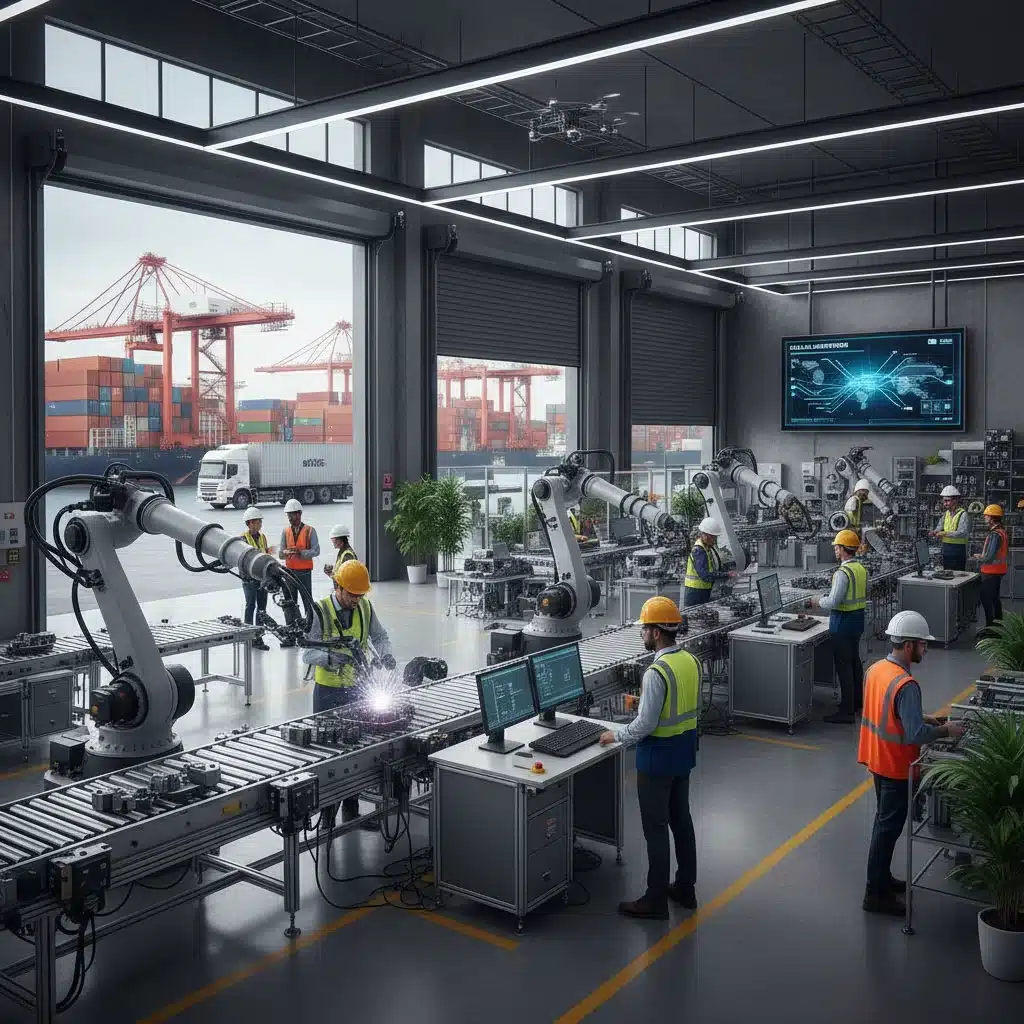
The Reshaping of Global Supply Chains
The COVID-19 pandemic exposed the vulnerabilities inherent in highly globalized and optimized supply chains. This realization has spurred a significant shift in global trade policies towards enhancing supply chain resilience and security. For the U.S., this means a concerted effort to “friend-shore” or “re-shore” critical manufacturing capabilities, reducing reliance on single points of failure and politically sensitive regions.
In the next three months of 2026, we expect to see further investments in domestic manufacturing and logistics infrastructure. Government incentives, tax breaks, and strategic partnerships will likely be deployed to encourage companies to bring production back to the U.S. or to allied nations. This focus on supply chain diversification will not only impact manufacturing but also influence transportation, warehousing, and inventory management strategies across various industries.
The implications for U.S. economic trends are substantial. While increased domestic production could lead to job creation and economic growth, it may also result in higher production costs, which could eventually translate into higher consumer prices. Businesses will need to carefully balance the benefits of resilience against potential cost increases, adapting their operational models to this new paradigm of global trade policies. This strategic realignment is a long-term endeavor, but its initial phases will be keenly felt in the short-term economic outlook.
Geopolitical Influences on U.S. Trade
Geopolitics and global trade policies are inextricably linked. The strategic rivalry between major powers, regional conflicts, and the formation of new alliances all exert significant pressure on international trade flows. For the U.S., maintaining its economic competitiveness and national security often involves navigating a delicate balance between cooperation and confrontation on the global stage.
The ongoing competition in critical technology sectors, for instance, is not just about market share but also about national security and long-term economic leadership. Restrictions on technology transfers, export controls, and investment screening mechanisms are becoming more prevalent as nations seek to safeguard their technological edge. These policies directly impact U.S. companies involved in cutting-edge research and development, influencing their access to international markets and talent.
Furthermore, regional instability and conflicts can disrupt trade routes, increase shipping costs, and create uncertainty for businesses. The U.S. economy, with its vast international trade network, is particularly vulnerable to such disruptions. The ability to mitigate these risks through diplomatic efforts and strategic partnerships will be crucial for maintaining stable economic growth in 2026. Global trade policies are increasingly being shaped by these broader geopolitical imperatives.
The Role of International Trade Agreements
While some multilateral trade agreements have stalled, the landscape of international trade is still heavily shaped by a myriad of existing and emerging pacts. For the U.S., these agreements can either open new markets or create competitive disadvantages if other nations forge stronger alliances. The Biden administration’s approach to trade agreements has emphasized worker rights, environmental protection, and fair competition, signaling a departure from previous administrations’ focus solely on market access.
In the next three months of 2026, we can expect continued discussions and potential progress on various trade initiatives. These might include efforts to strengthen existing agreements, explore new frameworks for digital trade, or address specific sectoral concerns. The outcomes of these negotiations will directly influence U.S. export opportunities, import costs, and the overall competitiveness of American industries. The strategic use of global trade policies through these agreements remains a potent tool.
The Comprehensive and Progressive Agreement for Trans-Pacific Partnership (CPTPP), for example, continues to expand, and while the U.S. is not a member, its evolution impacts U.S. trade relations with member countries. Similarly, the ongoing discussions within the World Trade Organization (WTO) regarding dispute settlement and new trade rules, though slow-moving, hold long-term significance for the predictability and fairness of global trade. The U.S. stance and engagement in these forums are critical determinants of future global trade policies.
Sector-Specific Economic Impacts
The effects of global trade policies are rarely uniform across all sectors of the U.S. economy. Some industries may thrive under new protections or expanded market access, while others may face increased competition or higher operating costs. A granular understanding of these sector-specific impacts is essential for a comprehensive economic outlook.
Manufacturing and Industrial Output
The manufacturing sector in the U.S. has been a focal point of recent global trade policies, with an emphasis on reshoring and strengthening domestic production. In the coming months of 2026, we anticipate continued growth in certain manufacturing segments, particularly those critical for national security or those benefiting from government incentives. However, sectors heavily reliant on imported components or facing intense international competition may still experience headwinds.
The automotive industry, for instance, is highly sensitive to tariffs on steel and aluminum, as well as to trade agreements that dictate rules of origin for vehicles and parts. Similarly, the electronics industry, with its complex global supply chains, is constantly adapting to changes in export controls and technology transfer regulations. The interplay of these global trade policies directly influences investment decisions, production levels, and employment within these vital sectors.
Furthermore, the drive towards advanced manufacturing and automation, while improving efficiency, also presents challenges regarding workforce adaptation. Trade policies that support vocational training and STEM education can help bridge this gap, ensuring that the U.S. manufacturing sector remains competitive and resilient in the face of global economic shifts. The impact of global trade policies here is not just about goods, but also about the foundational infrastructure of production.
Agriculture and Food Exports
The U.S. agricultural sector is a major exporter, making it particularly vulnerable to retaliatory tariffs and trade disputes. Farmers often bear the brunt of geopolitical tensions, as their products become bargaining chips in broader negotiations. In the 3-month outlook for 2026, the stability of agricultural export markets will largely depend on the resolution of existing trade disputes and the establishment of new market access agreements.
Changes in global trade policies related to sanitary and phytosanitary (SPS) measures, as well as evolving consumer preferences in international markets, also play a significant role. U.S. agricultural producers must continually adapt to these standards to maintain their export competitiveness. Government support programs, crop insurance, and market diversification strategies will be crucial for mitigating risks and ensuring the long-term viability of the sector.
For example, trade relations with key agricultural importers will be closely watched. Any shifts in these relationships, whether positive or negative, can have immediate and substantial impacts on commodity prices and farm incomes across the U.S. Therefore, global trade policies are a constant concern for American farmers and agribusinesses.
Technology and Innovation
The technology sector is at the forefront of the global trade policy debate, particularly concerning intellectual property rights, data flows, and critical component supply. U.S. leadership in innovation is a key economic strength, but it is increasingly challenged by trade policies aimed at fostering indigenous technological capabilities in other nations. In the coming months, we anticipate continued focus on safeguarding intellectual property and ensuring fair competition in the digital realm.
Export controls on advanced technologies, such as semiconductors and artificial intelligence, are likely to remain a prominent feature of global trade policies. These controls aim to prevent the transfer of sensitive technologies to potential adversaries, but they can also create complexities for U.S. tech companies operating globally. Navigating these regulations while maintaining market access and fostering innovation will be a critical challenge.
Furthermore, the growing debate around data localization and cross-border data flows will impact U.S. tech companies that rely on seamless international data exchange. Trade agreements that address these digital trade issues will be vital for the continued growth and competitiveness of the American technology sector. The future of global trade policies will undoubtedly have a strong digital component.

Financial Market Responses and Investment Trends
Financial markets are highly sensitive to changes in global trade policies, often reacting swiftly to announcements, negotiations, and disputes. Investors constantly assess the potential impact of these policies on corporate earnings, economic growth, and geopolitical stability. In the 3-month outlook for 2026, we can expect continued volatility and strategic repositioning in response to evolving trade dynamics.
Stock markets, particularly those with significant exposure to international trade, will likely experience fluctuations based on trade-related news. Companies with diversified global supply chains and strong domestic market positions may prove more resilient, while those heavily reliant on specific export markets or imported inputs could face greater challenges. The careful monitoring of global trade policies is paramount for investment decisions.
Currency markets are also directly influenced by trade policies. Changes in trade balances, capital flows, and investor sentiment driven by trade disputes can lead to significant movements in exchange rates. A stronger or weaker dollar, for instance, can impact the competitiveness of U.S. exports and the cost of imports, with ripple effects across the entire economy. Bond markets, too, will reflect investor perceptions of economic stability and growth prospects under different trade policy scenarios.
Foreign Direct Investment (FDI) Implications
Foreign Direct Investment (FDI) is a crucial component of U.S. economic growth, bringing capital, technology, and jobs. Global trade policies can significantly influence FDI flows. Policies that promote an open and predictable trade environment tend to attract more investment, while protectionist measures or trade uncertainties can deter it.
In the coming months, the U.S. government’s stance on investment screening, particularly in sensitive sectors, will continue to shape FDI trends. While national security concerns are paramount, balancing these with the need to attract foreign capital and expertise is a delicate act. Trade agreements that include investment protection clauses can also play a role in providing confidence to foreign investors.
Conversely, U.S. companies looking to invest abroad will also be impacted by the global trade policies of host countries. Restrictions on foreign ownership, local content requirements, and repatriation rules can influence the feasibility and profitability of international ventures. Therefore, the bidirectional flow of FDI is constantly being re-evaluated in light of the evolving global trade policies.
Consumer Impact and Inflationary Pressures
Ultimately, global trade policies have a direct impact on the everyday lives of American consumers. Changes in tariffs, import restrictions, and supply chain dynamics can influence the prices of goods and services, affecting household budgets and purchasing power. In the 3-month outlook for 2026, inflationary pressures stemming from trade policy shifts will be a key area of concern.
If tariffs increase the cost of imported consumer goods, or if reshoring efforts lead to higher domestic production costs, these expenses can be passed on to consumers. Conversely, trade liberalization can lead to lower prices and a wider variety of products. The balance between these forces will determine the overall impact on consumer inflation and real wages.
Moreover, the availability of certain products can also be affected. Supply chain disruptions, exacerbated by trade disputes or geopolitical events, can lead to shortages and delays, impacting consumer choice and satisfaction. Policymakers will need to carefully consider these consumer impacts when formulating and adjusting global trade policies, aiming to strike a balance between economic competitiveness and household affordability.
Conclusion: Navigating the Complexities of Global Trade Policies
The U.S. economic trends in 2026 will be profoundly shaped by the intricate and ever-evolving landscape of global trade policies. From tariffs and trade barriers to geopolitical influences and the reshaping of supply chains, each factor plays a critical role in determining the nation’s economic trajectory. The 3-month outlook suggests a period of continued adaptation and strategic maneuvering for businesses, investors, and policymakers.
Key takeaways include the persistent challenge of trade disputes, the strategic imperative of supply chain resilience, and the critical interplay between geopolitics and economic policy. While certain sectors may thrive under new protections or market opportunities, others will need to navigate increased competition and regulatory complexities. The consumer, too, will feel the direct effects through prices and product availability.
As we move further into 2026, a proactive and adaptive approach to understanding and responding to global trade policies will be paramount. Continuous monitoring of international negotiations, geopolitical developments, and domestic policy adjustments will be essential for making informed decisions and fostering sustainable economic growth in the United States. The future of the U.S. economy is, in many ways, an ongoing dialogue with the world’s trading nations, a dialogue shaped by the powerful forces of global trade policies.