Hybrid Work Training: Redefining US Employee Development for 2026

Anúncios
Hybrid Work Training: Redefining US Employee Development for 2026
The corporate landscape has undergone a seismic shift, with hybrid work becoming a permanent fixture for many organizations across the United States. As we look ahead to 2026, the discussion around the return to office debate continues to evolve, but one thing is clear: the way companies approach employee training must fundamentally change. The traditional, in-person training models are no longer sufficient for a workforce that operates fluidly between physical offices and remote locations. This article will delve into how US companies are redefining hybrid work training to meet the demands of this new era, ensuring their employees are equipped with the skills and mindset to thrive.
The transition to hybrid work wasn’t merely a logistical challenge; it was a cultural and operational transformation that exposed gaps in existing training frameworks. Companies quickly realized that managing a hybrid workforce required a different set of leadership skills, communication strategies, and technological proficiencies. As we move towards 2026, the focus is shifting from simply adapting to hybrid models to optimizing them for long-term success. This means a proactive, strategic overhaul of how employee development is conceived, designed, and delivered.
Anúncios
The Evolution of Hybrid Work: From Necessity to Strategic Advantage
Initially, the move to hybrid work was a response to unprecedented global circumstances. However, its benefits – including increased flexibility, broader talent pools, and often improved employee satisfaction – have solidified its place in the future of work. For US companies, embracing hybrid work is no longer just about offering flexibility; it’s about leveraging it as a strategic advantage to attract and retain top talent, foster innovation, and enhance productivity. This paradigm shift necessitates a robust approach to hybrid work training that goes beyond basic digital literacy.
The year 2026 is projected to see even more sophisticated hybrid models emerge, where the lines between remote and in-office work become even more blurred. Companies will need to ensure that every employee, regardless of their physical location, feels connected, supported, and capable of contributing effectively. This requires a comprehensive training strategy that addresses not only technical skills but also soft skills crucial for collaboration, communication, and self-management in a distributed environment.
Anúncios
Key Challenges in Traditional Training Models for Hybrid Environments
Traditional training models, often relying on fixed schedules, physical classrooms, and one-size-fits-all content, fall short in a hybrid world. Some of the significant challenges include:
- Lack of Flexibility: Scheduling in-person training for a dispersed team can be logistically complex and exclusionary for remote employees.
- Inconsistent Experience: Remote participants often feel disconnected or receive a diluted version of the training compared to their in-office counterparts.
- Outdated Content: Many existing training materials were not designed for the specific nuances of hybrid collaboration, digital communication etiquette, or remote leadership.
- Engagement Issues: Maintaining engagement in virtual sessions can be challenging, leading to reduced knowledge retention and application.
- Measurement Difficulties: Assessing the effectiveness of training when employees are learning in varied environments can be harder.
Addressing these challenges is paramount for US companies aiming to build a resilient and highly skilled hybrid workforce. The focus must be on creating equitable, engaging, and effective learning experiences for all employees, irrespective of their work location.
Pillars of Effective Hybrid Work Training for 2026
To successfully redefine employee training for hybrid work, companies are focusing on several key pillars. These pillars form the foundation of a modern, adaptable learning ecosystem designed to support the unique demands of a hybrid workforce in 2026 and beyond.
1. Leveraging Technology for Immersive and Accessible Learning
Technology is at the heart of effective hybrid work training. It enables companies to deliver consistent, high-quality learning experiences to employees wherever they are. This goes beyond simple video conferencing for lectures; it encompasses a suite of tools designed for interactive and engaging learning.
- Learning Experience Platforms (LXPs): These platforms offer personalized learning paths, curated content, and social learning features, making learning more engaging and relevant to individual employee needs.
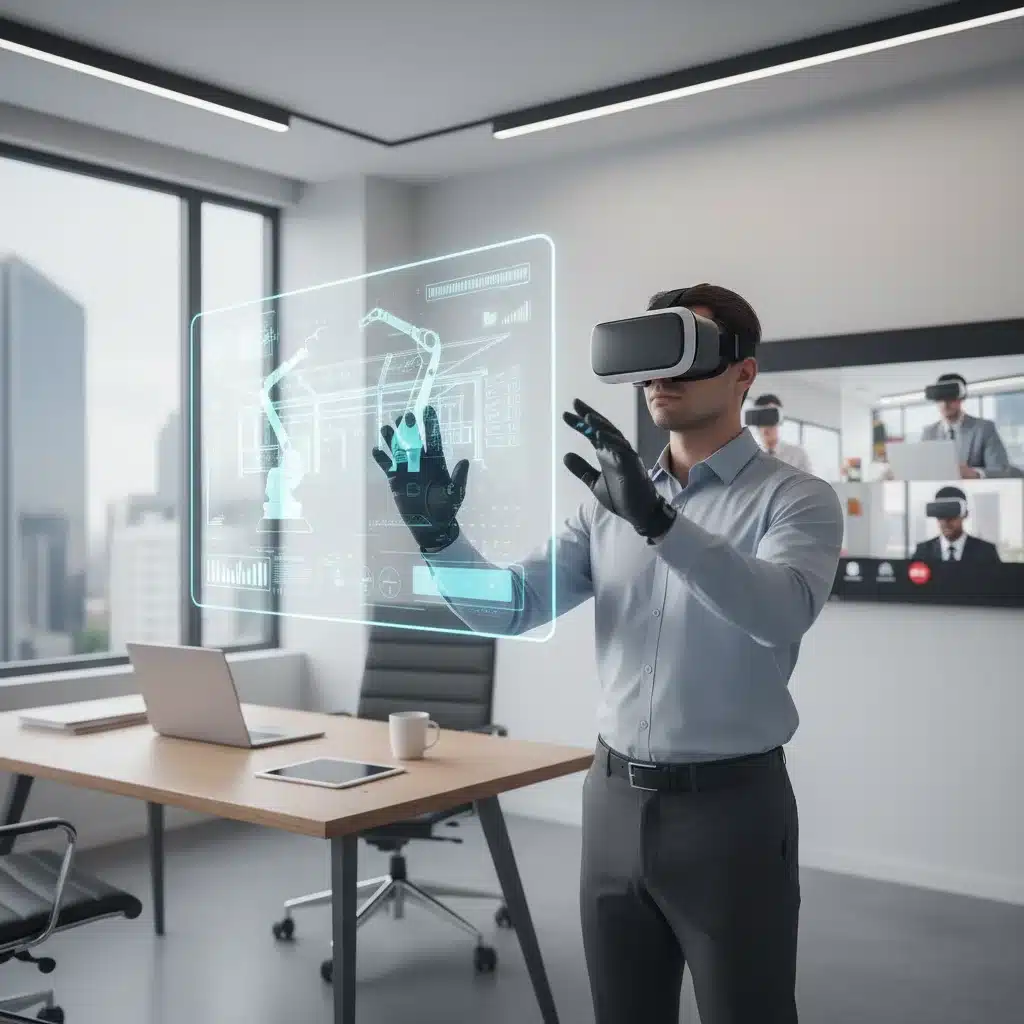
- Virtual Reality (VR) and Augmented Reality (AR): For hands-on training, especially in technical fields, VR and AR simulations provide immersive experiences that can replicate real-world scenarios without the need for physical presence. This is particularly valuable for complex tasks or safety training.
- AI-Powered Adaptive Learning: AI can analyze an employee’s learning style, performance data, and skill gaps to recommend personalized content and pace, optimizing the learning journey.
- Interactive Microlearning Modules: Short, bite-sized learning modules delivered through mobile apps or dedicated platforms allow employees to learn at their own pace and integrate learning into their daily workflow without disruption.
- Collaborative Digital Tools: Training on and with tools like Miro, Mural, Slack, and advanced project management software is crucial for effective hybrid collaboration.
The strategic integration of these technologies ensures that hybrid work training is not only accessible but also dynamic, personalized, and highly effective in building critical skills for the future.
2. Fostering Essential Hybrid Work Skills
Beyond technical proficiencies, the hybrid environment demands a refined set of soft skills. US companies are prioritizing training in areas that facilitate seamless collaboration, effective communication, and personal effectiveness in a distributed setting.
- Digital Communication Mastery: Training on asynchronous communication, effective virtual meeting facilitation, clear written communication, and leveraging various digital channels appropriately. This includes understanding when to use email, chat, or video calls.
- Self-Management and Productivity: Equipping employees with strategies for time management, goal setting, self-motivation, and maintaining work-life balance in a hybrid context. This is vital for preventing burnout and ensuring sustained performance.
- Hybrid Leadership and Management: Managers require specific training on leading remote and hybrid teams, including fostering psychological safety, managing performance across locations, providing effective feedback virtually, and building team cohesion despite physical distance.
- Collaboration and Cross-Functional Teamwork: Training on how to effectively collaborate with colleagues who may be in different time zones or working styles, utilizing digital tools to their full potential, and fostering a sense of shared purpose.
- Emotional Intelligence and Empathy: Developing emotional intelligence is crucial for navigating the nuances of virtual interactions, understanding diverse perspectives, and building strong relationships in a hybrid setting.
Investing in these soft skills through targeted hybrid work training programs will empower employees to navigate the complexities of their roles and contribute meaningfully to team and organizational success.
3. Personalization and Adaptive Learning Paths
One-size-fits-all training is increasingly ineffective. For 2026, personalized learning paths are becoming the norm, especially within hybrid models. Companies are using data analytics to identify individual and team skill gaps, then tailoring training content to address those specific needs.
- Skill Gap Analysis: Regular assessments and performance reviews help identify areas where employees need development.
- Customized Content Delivery: Instead of generic courses, employees receive access to modules, resources, and mentorship opportunities directly relevant to their role, career aspirations, and identified skill gaps.
- Just-in-Time Learning: Providing access to learning resources precisely when an employee needs them, whether it’s a quick tutorial on a new software feature or a guide on conflict resolution in a virtual meeting.
- Mentorship and Coaching: Establishing structured mentorship and coaching programs, often facilitated virtually, provides personalized guidance and support for skill development and career growth.
This personalized approach to hybrid work training not only makes learning more efficient but also significantly increases employee engagement and retention, as individuals feel their development is valued and tailored to their unique journey.
4. Building a Culture of Continuous Learning
The rapid pace of technological change and evolving work models means that learning cannot be a one-off event. US companies are cultivating a culture of continuous learning, where upskilling and reskilling are integrated into the daily fabric of work life.
- Dedicated Learning Time: Allocating specific time slots for learning and development, encouraging employees to prioritize their growth.
- Internal Knowledge Sharing: Creating platforms and opportunities for employees to share their expertise, insights, and best practices with colleagues, fostering peer-to-peer learning.
- Incentivizing Learning: Recognizing and rewarding employees who actively engage in learning and apply new skills in their roles.
- Leadership Buy-in: Leaders actively participating in learning initiatives and championing the importance of continuous development sets a powerful example for the entire organization.
A strong learning culture ensures that the workforce remains agile, adaptable, and future-ready, capable of navigating unforeseen challenges and seizing new opportunities in the hybrid landscape of 2026.
The Return to Office Debate: Impact on Training Strategies
The return to office debate continues to influence how companies structure their hybrid models and, consequently, their training strategies. Some organizations are advocating for more in-office time, believing it fosters better collaboration and cultural integration, while others are leaning into fully remote or highly flexible arrangements. Regardless of the specific model chosen, hybrid work training must be flexible enough to accommodate these varying approaches.
For companies with stricter return-to-office mandates, training might include modules on optimizing in-person collaboration after a period of remote work, leveraging office space effectively, and integrating remote team members into physical meetings seamlessly. Conversely, organizations with a more remote-first approach will focus heavily on advanced digital collaboration tools, virtual team building, and strategies for maintaining strong company culture without a central physical hub.
The key is adaptability. Training programs for 2026 must be designed with modularity in mind, allowing companies to adjust content and delivery methods based on their evolving hybrid work policies and employee feedback. This ensures that the training remains relevant and effective, regardless of the prevailing return-to-office sentiment.

Measuring Success: KPIs for Hybrid Work Training
To ensure that redefined hybrid work training initiatives are truly effective, US companies are implementing robust measurement strategies. Key Performance Indicators (KPIs) go beyond simple completion rates to assess the actual impact on employee performance, engagement, and business outcomes.
- Skill Acquisition and Application: Measuring the actual gain in skills through assessments, performance reviews, and observing how new skills are applied in real-world scenarios.
- Employee Engagement and Satisfaction: Surveys and feedback mechanisms to gauge employee satisfaction with training programs, perceived relevance, and overall engagement with learning opportunities.
- Productivity and Performance Metrics: Analyzing changes in individual and team productivity, project completion rates, and quality of work after training interventions.
- Retention Rates: Assessing whether improved training and development opportunities contribute to higher employee retention, particularly for critical roles.
- Business Impact: Linking training outcomes to broader business goals, such as increased revenue, improved customer satisfaction, reduced operational costs, or enhanced innovation.
- Hybrid Work Effectiveness: Measuring improvements in collaboration across hybrid teams, efficiency of virtual meetings, and overall team cohesion in a distributed environment.
By meticulously tracking these KPIs, companies can continuously refine their hybrid work training programs, ensuring they deliver maximum value and contribute directly to organizational success in 2026 and beyond.
Case Studies: US Companies Leading the Way in Hybrid Training
Several forward-thinking US companies are already demonstrating innovative approaches to hybrid work training. While specific company names can vary, the strategies they employ offer valuable insights:
- Tech Giant X: Implemented a comprehensive LXP with AI-driven recommendations for personalized learning paths. Their training focuses heavily on asynchronous collaboration tools and virtual leadership development, resulting in a 15% increase in cross-functional project efficiency.
- Financial Services Firm Y: Utilizes VR for compliance and soft skills training, allowing employees to practice difficult conversations or navigate complex regulatory scenarios in a safe, immersive environment. This has led to a significant reduction in training time and improved retention of critical information.
- Healthcare Provider Z: Developed a mentorship program specifically designed for hybrid teams, pairing experienced professionals with newer employees across different locations. This has fostered stronger team bonds and accelerated professional development, particularly for remote staff.
- Retail Innovator A: Focuses on microlearning modules accessible via mobile devices for their frontline and corporate employees. This just-in-time training covers everything from new product features to customer service best practices in a hybrid retail environment, ensuring consistent brand experience.
These examples highlight that successful hybrid work training is diverse, leveraging technology, personalization, and a strong culture of support to empower employees in dynamic work settings.
The Future of Employee Training: Beyond 2026
As we look beyond 2026, the trends in hybrid work training will continue to evolve. We can anticipate even greater integration of artificial intelligence, not just for recommendations but for generating personalized content, facilitating interactive simulations, and providing real-time feedback. The metaverse might also play a significant role, offering truly immersive virtual learning environments where employees can interact and collaborate in highly realistic digital spaces.
The emphasis on human-centric learning will also grow. While technology provides powerful tools, the focus will remain on developing human skills – critical thinking, creativity, complex problem-solving, and emotional intelligence – which are increasingly valuable in an automated world. Training will become even more embedded into the flow of work, making learning an invisible yet constant companion to daily tasks.
Ultimately, the goal for US companies will be to create a resilient, adaptable, and highly skilled workforce that can thrive in any future work model. This requires a commitment to continuous innovation in hybrid work training, ensuring that employee development remains a strategic priority and a cornerstone of organizational success.
Conclusion: Building a Future-Ready Hybrid Workforce
The journey to redefine employee training for hybrid work in 2026 is complex but essential. US companies are at the forefront of this transformation, moving beyond reactive adjustments to proactive, strategic investments in learning and development. By leveraging advanced technologies, focusing on critical hybrid work skills, embracing personalization, and fostering a culture of continuous learning, organizations can build a workforce that is not only productive and engaged but also resilient and prepared for the challenges and opportunities of the future.
The return to office debate will continue to shape specific policies, but the underlying need for flexible, effective, and equitable hybrid work training will remain constant. Companies that prioritize this strategic imperative will be best positioned to attract top talent, drive innovation, and achieve sustainable growth in the evolving landscape of work.
Author