Global Economic Slowdown: Projected 2026 Impact on U.S. Market by 1.5%
Anúncios
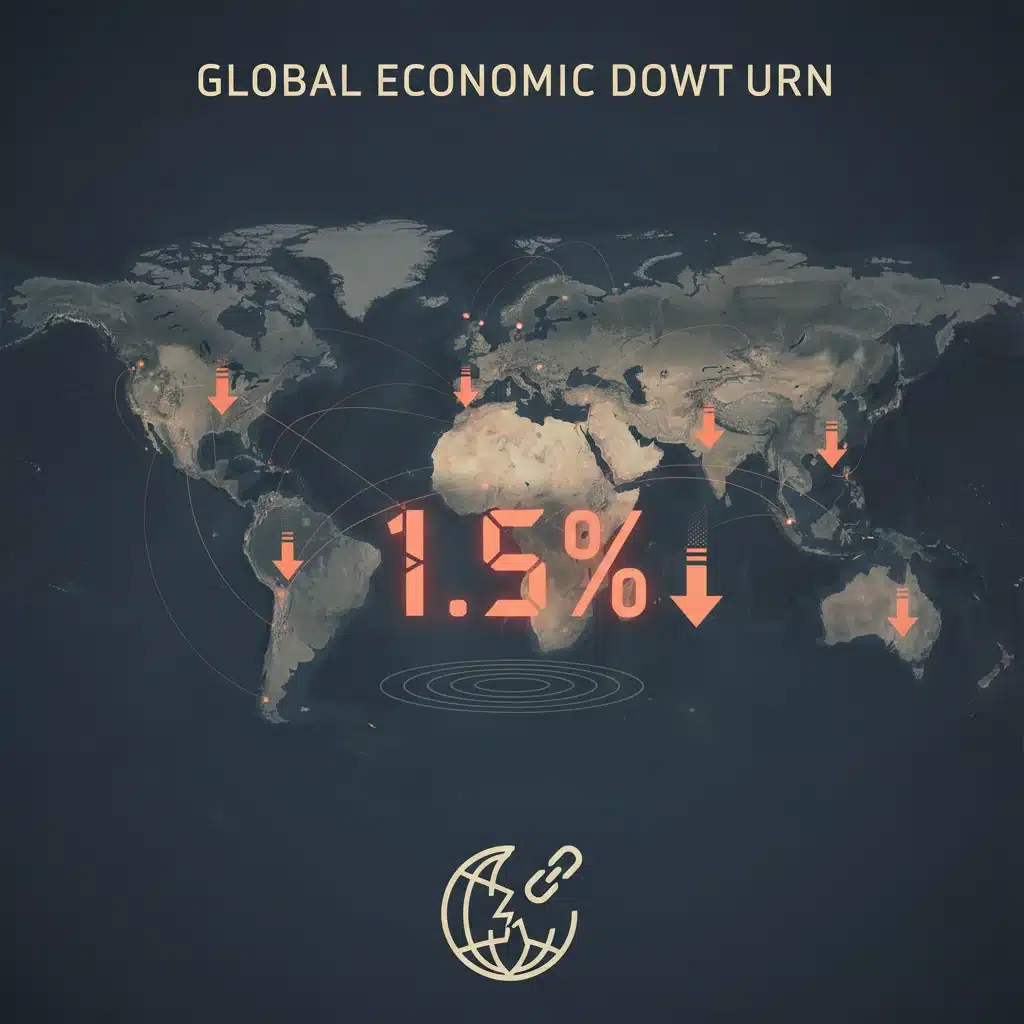
In an increasingly interconnected world, economic ripples in one region can quickly become tidal waves across the globe. The prospect of a global economic slowdown is a recurring concern for policymakers, businesses, and individuals alike. As we look towards 2026, forecasters are projecting a significant, albeit manageable, impact on the U.S. market, specifically an anticipated contraction of approximately 1.5%. This article delves into the multifaceted aspects of this projected slowdown, exploring its causes, potential effects on various sectors, and strategies for navigating the challenging economic landscape ahead.
Understanding the nuances of a global economic slowdown is crucial for effective planning and mitigation. It’s not merely a theoretical exercise but a practical necessity for maintaining economic stability and fostering growth. The U.S. economy, while robust, is not immune to external pressures, and a 1.5% impact, while seemingly small, can translate into billions of dollars in lost output, job reductions, and reduced consumer spending. Therefore, a comprehensive analysis is warranted to prepare for the challenges and opportunities that may arise.
Anúncios
Global Economic Slowdown: Projected 2026 Impact on U.S. Market by 1.5%
Understanding the Global Economic Slowdown: Causes and Context
The term global economic slowdown encompasses a period of reduced economic activity across multiple major economies. Several factors contribute to such a phenomenon, and understanding these is the first step in assessing its potential impact on the U.S. market. Current projections for a 1.5% impact by 2026 are not arbitrary; they are derived from complex econometric models that take into account a confluence of global events and trends.
Geopolitical Tensions and Trade Disruptions
One of the primary drivers of a potential global economic slowdown is the ongoing geopolitical landscape. Conflicts, trade wars, and protectionist policies can disrupt supply chains, increase the cost of goods, and reduce international trade volumes. When major economies impose tariffs or sanctions, it creates a ripple effect that can dampen global demand and investment. The uncertainty generated by these tensions often leads businesses to postpone expansion plans and consumers to reduce discretionary spending, further contributing to a slowdown.
Anúncios
Inflationary Pressures and Monetary Policy Tightening
Persistent inflation across many parts of the world has prompted central banks, including the U.S. Federal Reserve, to adopt tighter monetary policies. Raising interest rates is a common tool to combat inflation, but it also increases borrowing costs for businesses and consumers, potentially stifling investment and consumption. While necessary to bring inflation under control, aggressive rate hikes can tip economies into recession, exacerbating a global economic slowdown. The delicate balance between taming inflation and avoiding a severe downturn is a significant challenge for policymakers.
Energy Price Volatility
The global energy market remains highly volatile, with price fluctuations significantly impacting economic stability. Spikes in oil and gas prices increase production costs for businesses and reduce disposable income for consumers. This can lead to reduced economic activity and contribute to a broader global economic slowdown. Dependency on specific energy sources and geopolitical events affecting supply can amplify this volatility, making it a critical factor in economic forecasts.
Lingering Effects of the Pandemic and Supply Chain Issues
Although largely in the rearview mirror, the COVID-19 pandemic continues to cast a long shadow over the global economy. Lingering supply chain disruptions, shifts in consumer behavior, and increased national debts from pandemic-era spending continue to influence economic performance. The efforts to re-shore manufacturing and diversify supply chains, while beneficial in the long run, can create short-term inefficiencies and contribute to inflationary pressures, feeding into the broader narrative of a global economic slowdown.
Projected 1.5% Impact on the U.S. Market by 2026: What Does it Mean?
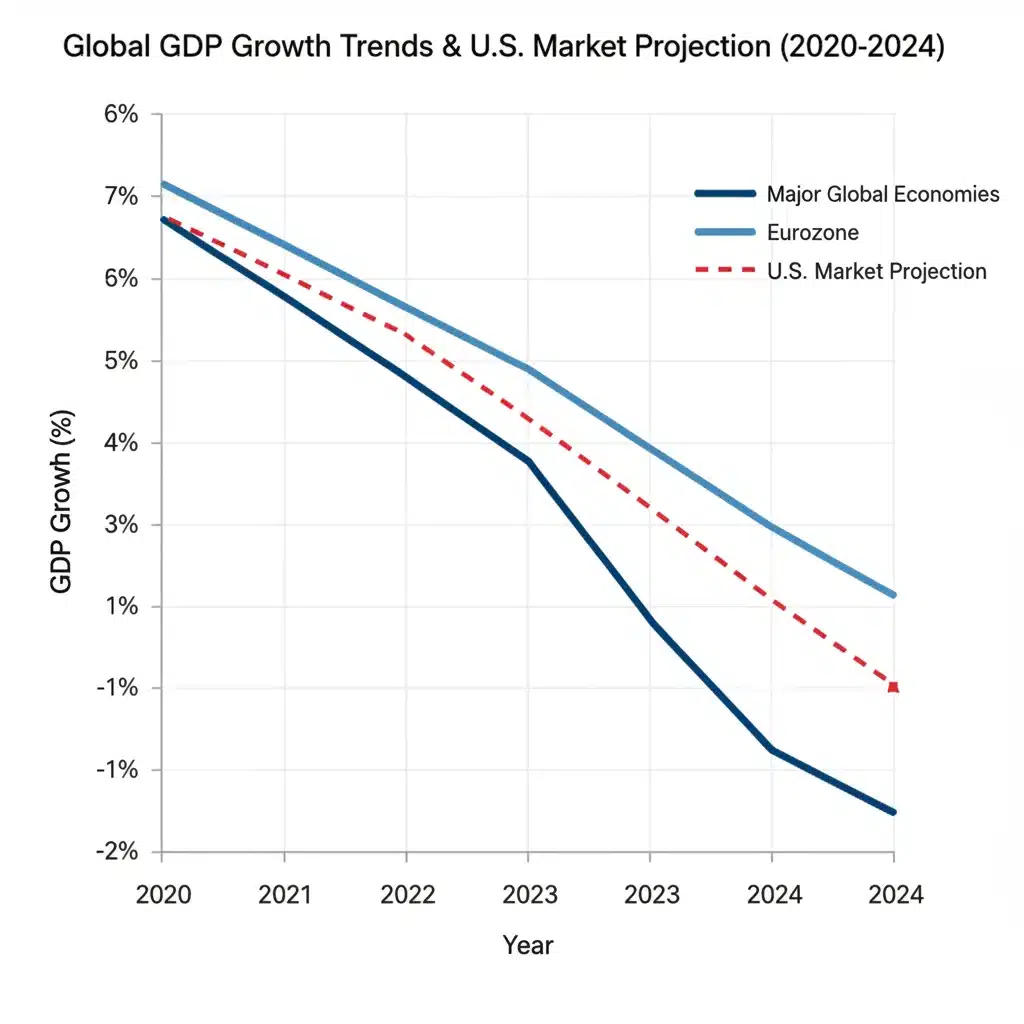
A projected 1.5% impact on the U.S. market by 2026 is a significant figure that requires careful interpretation. This percentage typically refers to a reduction in the anticipated Gross Domestic Product (GDP) growth rate or a direct contraction in GDP compared to a baseline scenario without the global economic slowdown. For an economy the size of the United States, even a small percentage point can translate into substantial economic value.
GDP Reduction and Economic Output
If the U.S. economy were projected to grow by, say, 2.5% in 2026, a 1.5% impact could mean a revised growth rate of just 1%, or even a contraction if the initial projection was lower. This reduction in GDP signifies less overall economic output, fewer goods and services produced, and a general cooling of economic activity. The direct consequence is a slower pace of job creation, potential job losses, and reduced corporate profits.
Impact on Employment and Wages
A global economic slowdown leading to a 1.5% impact on the U.S. market invariably affects the labor market. Businesses facing reduced demand and lower profits may implement hiring freezes, reduce staff through layoffs, or slow down wage increases. This can lead to higher unemployment rates and stagnant wage growth, further dampening consumer confidence and spending, creating a negative feedback loop.
Investment and Business Confidence
Economic uncertainty, a hallmark of a global economic slowdown, typically leads to a decline in business investment. Companies become more cautious about expanding operations, investing in new technologies, or embarking on large capital projects. This reduction in investment can have long-term consequences for productivity and innovation, hindering future economic growth.
Sector-Specific Effects of the Global Economic Slowdown
While a global economic slowdown affects the entire economy, certain sectors are more vulnerable than others. Understanding these sector-specific impacts is vital for businesses and investors to prepare and adapt.
Manufacturing and Exports
Sectors heavily reliant on international trade, such as manufacturing and exports, are often among the first to feel the pinch of a global economic slowdown. Reduced demand from international markets, coupled with supply chain disruptions and increased trade barriers, can lead to decreased production, order cancellations, and job losses in these industries. Companies involved in automotive, electronics, and heavy machinery exports are particularly susceptible.
Technology and Innovation
The technology sector, while often seen as resilient, can also be affected. While some areas like cloud computing or cybersecurity might see continued growth, discretionary tech spending by businesses and consumers could decline. Startups might find it harder to secure funding, and larger tech companies might scale back on ambitious projects or reduce their workforce. However, a slowdown can also spur innovation as companies seek more efficient and cost-effective solutions.
Retail and Consumer Goods
Consumer spending is a significant driver of the U.S. economy. A global economic slowdown that impacts employment and wages can lead to reduced consumer confidence and a cutback on non-essential purchases. Retailers of luxury goods, durable goods, and hospitality services might experience a downturn, while essential goods and discount retailers might prove more resilient.
Financial Services
The financial services sector is inherently sensitive to economic fluctuations. A slowdown can lead to lower investment banking activity, reduced trading volumes, and increased loan defaults. Banks might tighten lending standards, making it harder for businesses and individuals to access capital, further exacerbating the slowdown. However, periods of volatility can also create opportunities for certain financial instruments and strategies.
Real Estate and Construction
Rising interest rates and economic uncertainty typically cool down the real estate market. A global economic slowdown can lead to reduced demand for new homes and commercial properties, lower property values, and a decline in construction projects. This can have a ripple effect on related industries, such as building materials and home furnishings.
Strategies for Resilience and Mitigation in the Face of a Global Economic Slowdown
While the prospect of a global economic slowdown and its 1.5% impact on the U.S. market by 2026 presents challenges, it also underscores the importance of proactive planning and strategic adaptation. Both governmental bodies and private enterprises have critical roles to play in mitigating the negative effects and fostering resilience.
Governmental and Fiscal Policy Responses
Governments can employ a range of fiscal tools to counteract a slowdown. These include targeted tax cuts to stimulate consumer spending and business investment, increased infrastructure spending to create jobs and boost demand, and social safety nets to support vulnerable populations. Additionally, international cooperation to address trade imbalances and stabilize global financial markets is crucial. Coordinated efforts can help soften the blow of a global economic slowdown and prevent a more severe downturn.
Monetary Policy Adjustments
Central banks will continue to monitor economic data closely, adjusting monetary policy as needed. While the immediate focus might be on inflation, a significant slowdown could prompt a shift towards more accommodative policies, such as interest rate cuts or quantitative easing, to stimulate economic activity. The timing and magnitude of these interventions will be critical in shaping the recovery.
Business Strategies for Navigating the Downturn
For businesses, preparing for a global economic slowdown involves several key strategies:
- Cost Optimization: Reviewing and optimizing operational costs, identifying inefficiencies, and streamlining processes can help maintain profitability during periods of reduced revenue.
- Diversification: Expanding into new markets, diversifying product offerings, or exploring new revenue streams can reduce reliance on single markets or products that might be heavily impacted.
- Cash Flow Management: Maintaining healthy cash reserves and managing working capital effectively are paramount. Access to credit can become tighter during a slowdown, making strong cash flow essential for survival.
- Innovation and Digital Transformation: Investing in technology and innovation can lead to increased efficiency, new business models, and a competitive edge. Digital transformation can help businesses adapt to changing consumer behaviors and market demands.
- Customer Retention: Focusing on existing customer relationships and providing exceptional service can help retain market share during a downturn when new customer acquisition might be more challenging.
- Employee Training and Retention: Investing in employee skills development can enhance productivity and flexibility, while retaining key talent ensures the business is well-positioned for recovery.

Individual Preparedness and Financial Planning
Individuals also have a role in preparing for a global economic slowdown. Building an emergency fund, reducing debt, and diversifying investment portfolios are prudent steps. Understanding the potential impact on specific industries can also guide career planning and skill development, ensuring individuals remain competitive in a challenging job market.
The Path Forward: Monitoring, Adaptation, and Global Cooperation
The projected 1.5% impact of a global economic slowdown on the U.S. market by 2026 is a forecast, not a certainty. Economic models are complex and subject to change based on evolving global events. Therefore, continuous monitoring of economic indicators, geopolitical developments, and market sentiment is essential.
The Role of Data and Analytics
In an environment of uncertainty, data and analytics become invaluable tools. Businesses and policymakers can leverage advanced analytics to identify emerging trends, assess risks, and make informed decisions. Real-time data on consumer spending, supply chain health, and global trade flows can provide early warning signs and guide timely interventions.
Adapting to a New Economic Normal
The challenges posed by a global economic slowdown may also accelerate the adoption of new technologies and business models. Remote work, e-commerce, and automation, which gained traction during the pandemic, may become even more entrenched. Businesses that can adapt quickly to these shifts will be better positioned to thrive.
Importance of International Collaboration
Addressing a global economic slowdown effectively requires international collaboration. Coordinated efforts among major economies to stabilize financial markets, resolve trade disputes, and address global challenges like climate change and pandemics can create a more stable and predictable economic environment. Unilateral actions, while sometimes necessary, can often exacerbate global economic fragmentation.
In conclusion, while the projected 1.5% impact of a global economic slowdown on the U.S. market by 2026 presents a considerable challenge, it is not insurmountable. By understanding the underlying causes, anticipating sector-specific effects, and implementing proactive strategies, both public and private sectors can work towards mitigating the negative consequences and fostering a resilient economic future. The emphasis must be on agility, innovation, and global cooperation to navigate the complexities of the years ahead.
Author