Navigating 7% Food Price Increase in 2026: Consumer Strategies
Anúncios
Navigating the Storm: Preparing for a 7% Food Price Increase in 2026
The economic landscape is perpetually shifting, and as consumers, we are often at the forefront of these changes, particularly when it comes to essential goods. Recent analyses and projections indicate a significant challenge on the horizon: a projected 7% increase in food prices by 2026. This isn’t just a number; it represents a tangible impact on household budgets, purchasing power, and overall financial well-being. Understanding the drivers behind this anticipated rise and, more importantly, developing effective consumer strategies to mitigate its effects, will be crucial for maintaining economic stability in the coming years. This comprehensive guide aims to shed light on the impending food price inflation and equip you with practical tools to navigate it successfully.
Understanding the Drivers of Food Price Inflation
Before delving into solutions, it’s vital to grasp the complex factors contributing to this projected 7% increase in food prices. Food price inflation is rarely a monolithic phenomenon; instead, it’s a confluence of global, national, and local influences. Identifying these drivers allows for a more nuanced understanding and helps in formulating targeted consumer strategies.
Anúncios
Global Supply Chain Disruptions
The COVID-19 pandemic exposed the fragility of global supply chains, and while some improvements have been made, vulnerabilities persist. Geopolitical tensions, trade disputes, and unforeseen events like natural disasters continue to disrupt the seamless flow of goods. When goods, especially agricultural products and their components (like fertilizers and packaging), face delays or increased costs in transit, these expenses are inevitably passed on to the consumer in the form of higher food prices.
Rising Energy Costs
Energy is an invisible ingredient in almost every food product we consume. From planting and harvesting to processing, transportation, and refrigeration, each stage of the food production cycle is energy-intensive. Fluctuations in global oil and gas prices directly translate to increased operational costs for farmers, manufacturers, and distributors. As these costs escalate, so does the final price tag at the grocery store. Anticipated increases in energy costs contribute significantly to the overall food price inflation.
Climate Change and Extreme Weather Events
The increasing frequency and intensity of extreme weather events—droughts, floods, heatwaves, and severe storms—have a devastating impact on agricultural yields. Regions vital for producing specific crops can experience significant losses, leading to reduced supply and, consequently, higher prices. For instance, a prolonged drought in a major grain-producing region can send ripple effects across the global food market. As climate change continues to impact weather patterns, its influence on food prices is expected to intensify, contributing to the projected 7% increase.
Anúncios
Labor Shortages and Wage Increases
The agricultural and food processing sectors have faced persistent labor shortages, exacerbated by demographic shifts and changing labor market dynamics. To attract and retain workers, companies often have to offer higher wages and benefits. While beneficial for employees, these increased labor costs are factored into the overall production cost, ultimately contributing to higher food prices for consumers.
Input Costs: Fertilizers, Seeds, and Packaging
Beyond energy and labor, the cost of essential agricultural inputs like fertilizers, seeds, and animal feed has been on an upward trend. Global demand, supply chain issues, and geopolitical factors can all influence these prices. Similarly, packaging materials, often derived from petroleum products or timber, have also seen price hikes. These rising input costs are a direct contributor to the anticipated food price inflation.
Monetary Policy and Inflationary Pressures
Central bank policies, particularly interest rate adjustments and money supply management, play a significant role in broader inflationary trends. While not directly tied to food production, general economic inflation can permeate all sectors, including food. When the overall cost of living rises, businesses face higher operational costs, which they often pass on to consumers. This macroeconomic environment provides a backdrop for the specific food price inflation we anticipate.
The 7% Projection: What Does It Mean for Your Wallet?
A 7% increase in food prices might sound manageable on paper, but its cumulative effect on household budgets can be substantial. For a family spending, for example, $800 a month on groceries, a 7% increase translates to an additional $56 per month, or nearly $700 annually. This extra expenditure can strain budgets already stretched by rising housing, energy, and transportation costs. Understanding this direct impact is the first step towards developing robust consumer strategies.
Proactive Consumer Strategies to Combat Food Price Inflation
Facing a 7% increase in food prices doesn’t mean you’re powerless. By adopting smart, proactive consumer strategies, you can significantly mitigate the impact on your budget and maintain a healthy, affordable diet. These strategies range from meticulous planning to savvy shopping habits and dietary adjustments.
1. Master Meal Planning and Budgeting
One of the most effective ways to combat rising food prices is through rigorous meal planning and budgeting. This isn’t just about saving money; it’s about making conscious choices about what you eat and how you spend. Start by:
- Weekly Menu Creation: Plan all your meals for the week, including snacks. This reduces impulse buys and ensures you only purchase what you need.
- Inventory Check: Before planning, check your pantry, fridge, and freezer. Incorporate existing ingredients into your meal plan to minimize waste and avoid duplicate purchases.
- Grocery List Adherence: Create a detailed grocery list based on your meal plan and stick to it strictly. Avoid browsing aisles where you might be tempted by non-essentials.
- Budget Allocation: Set a realistic weekly or monthly budget for groceries and track your spending. Numerous apps and spreadsheets can help you monitor your expenditures.
2. Smart Shopping Habits
How and where you shop can make a significant difference in your overall food expenses. Cultivating smart shopping habits is a key consumer strategy to navigate food price inflation.
- Compare Prices: Don’t be loyal to a single supermarket. Compare prices across different stores, including discount retailers, bulk stores, and local markets.
- Utilize Sales and Coupons: Keep an eye out for weekly flyers, digital coupons, and loyalty programs. Stock up on non-perishable items when they are on sale.
- Buy in Bulk (Wisely): Purchasing staples like rice, pasta, grains, and frozen vegetables in larger quantities can be cost-effective, provided you have storage space and will use them before they expire.
- Shop Seasonal and Local: Seasonal produce is often fresher, more flavorful, and significantly cheaper than out-of-season alternatives. Visiting local farmers’ markets can also offer better prices and support local economies.
- Avoid Pre-cut and Pre-packaged Items: While convenient, these items often carry a significant price premium. Buying whole ingredients and doing the prep work yourself can save a lot.
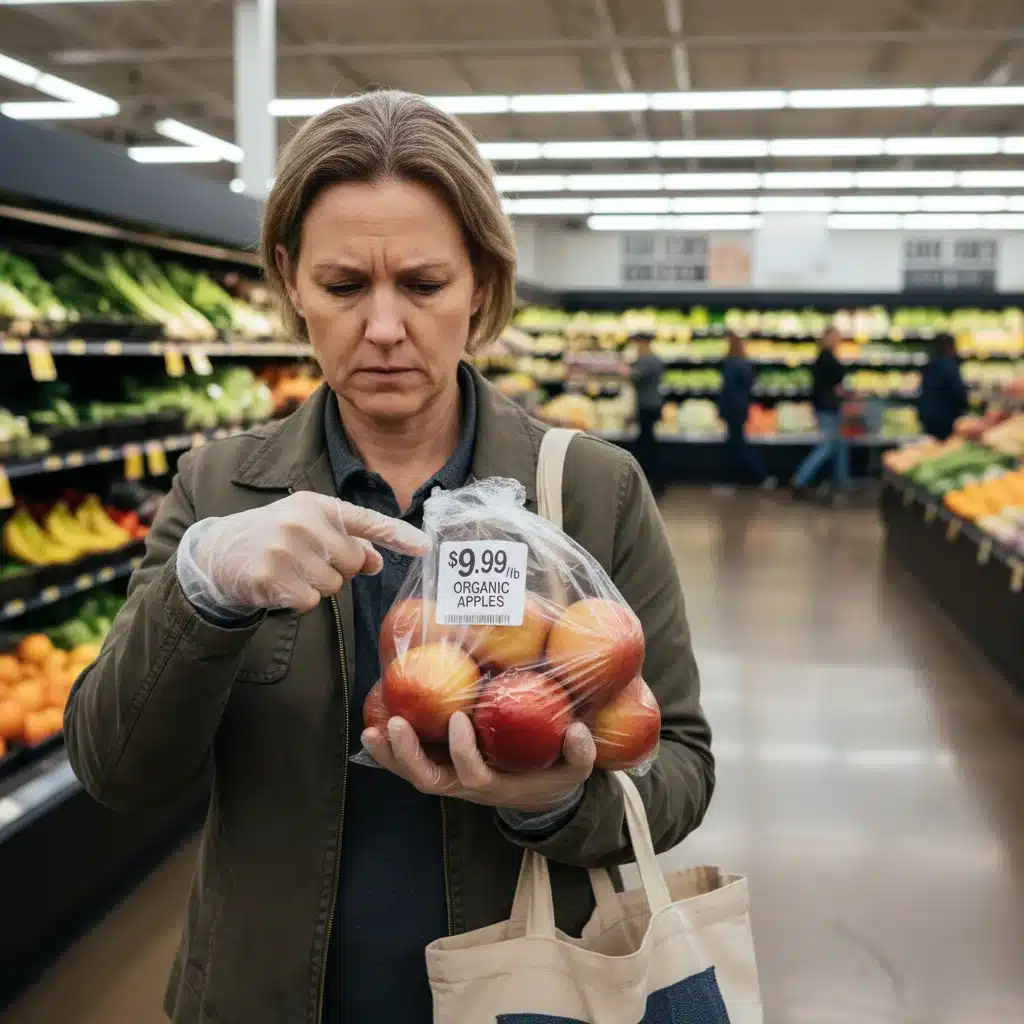
3. Dietary Adjustments and Home Cooking
Shifting your dietary focus and embracing home cooking are powerful consumer strategies against food price inflation.
- Embrace Plant-Based Meals: Meat and dairy products are often the most expensive items on a grocery list. Incorporating more plant-based meals (lentils, beans, tofu, vegetables) can drastically reduce costs while offering excellent nutritional value.
- Cook from Scratch: Processed foods, ready-made meals, and restaurant take-out are typically more expensive than cooking meals from scratch. Dedicate time to cooking at home.
- Batch Cooking and Freezing: Cook larger quantities of meals or meal components (e.g., a big pot of soup, roasted vegetables, cooked grains) and freeze portions for later. This saves time and prevents food waste.
- Reduce Food Waste: Food waste is money wasted. Learn proper food storage techniques, repurpose leftovers creatively, and compost scraps where possible.
- Grow Your Own: Even a small herb garden or a few vegetable plants can provide fresh produce and reduce your reliance on store-bought items.
4. Strategic Storage and Preservation
Maximizing the lifespan of your food is another critical aspect of effective consumer strategies, especially with rising food prices.
- Understand Expiration Dates: Differentiate between ‘best by,’ ‘sell by,’ and ‘use by’ dates. Many foods are still safe to consume past their ‘best by’ date.
- Proper Storage: Learn the best ways to store different foods to extend their freshness. For example, storing potatoes in a cool, dark place or keeping leafy greens in airtight containers.
- Freezing: The freezer is your friend! Freeze bread, meat, fruits, and vegetables to extend their usability and prevent spoilage.
- Canning and Preserving: If you buy seasonal produce in bulk, consider canning, pickling, or dehydrating to enjoy them year-round.
5. Leveraging Technology and Community Resources
In the digital age, various tools and community initiatives can help you manage food costs.
- Grocery Price Comparison Apps: Utilize apps that compare prices across different supermarkets in your area.
- Cashback and Reward Programs: Sign up for loyalty programs and use credit cards that offer cashback on groceries, but always pay off your balance to avoid interest.
- Food Waste Apps: Some apps connect consumers with businesses selling surplus food at reduced prices.
- Community Gardens and Food Co-ops: Explore local community gardens where you can grow your own food or food co-operatives that offer bulk purchasing power.
- Educational Resources: Take advantage of online resources, cooking classes, and workshops that teach budgeting, meal planning, and food preservation skills.
Long-Term Economic Outlook and Food Security
The projected 7% food price increase by 2026 is not an isolated event but part of a broader economic trend. Understanding the long-term outlook for food security and inflation is essential for sustained financial planning. Governments and international organizations are also grappling with these issues, exploring policies to stabilize food markets, enhance agricultural resilience, and support vulnerable populations. While individual consumer strategies are vital, systemic changes are also necessary to address the root causes of food price inflation.
Factors like global population growth, increasing demand for certain food types, and the ongoing impact of climate change suggest that food prices may continue to be volatile. This reinforces the need for consumers to develop adaptive and resilient spending habits. Investing in skills like gardening, cooking from scratch, and efficient food preservation will become increasingly valuable over time. Furthermore, advocating for sustainable agricultural practices and fair trade policies can contribute to a more stable food system in the long run.
The discussion around food price inflation also brings to light issues of food access and equity. For low-income households, even a modest increase in food prices can lead to significant hardship, potentially contributing to food insecurity. It underscores the importance of social safety nets, food assistance programs, and community support initiatives that can help bridge the gap for those most affected by rising costs. As consumers, being informed about these broader issues can also guide our support for policies and organizations working towards a more equitable food system.

Conclusion: Empowering Yourself Against Food Price Inflation
The prospect of a 7% increase in food prices by 2026 presents a significant challenge, but it is one that informed and proactive consumers can navigate successfully. By understanding the underlying causes of food price inflation and implementing a range of strategic consumer strategies, you can protect your household budget, maintain a healthy diet, and reduce financial stress. From meticulous meal planning and smart shopping to embracing home cooking and leveraging technological tools, every step you take contributes to greater financial resilience.
Remember, adapting to changing economic conditions is an ongoing process. Regularly reviewing your budget, staying informed about market trends, and being flexible with your food choices will be key. The goal is not just to survive rising food costs but to thrive by making thoughtful, sustainable choices that benefit both your wallet and your well-being. Start implementing these strategies today, and you’ll be well-prepared to face the anticipated food price inflation of 2026 and beyond.
Author