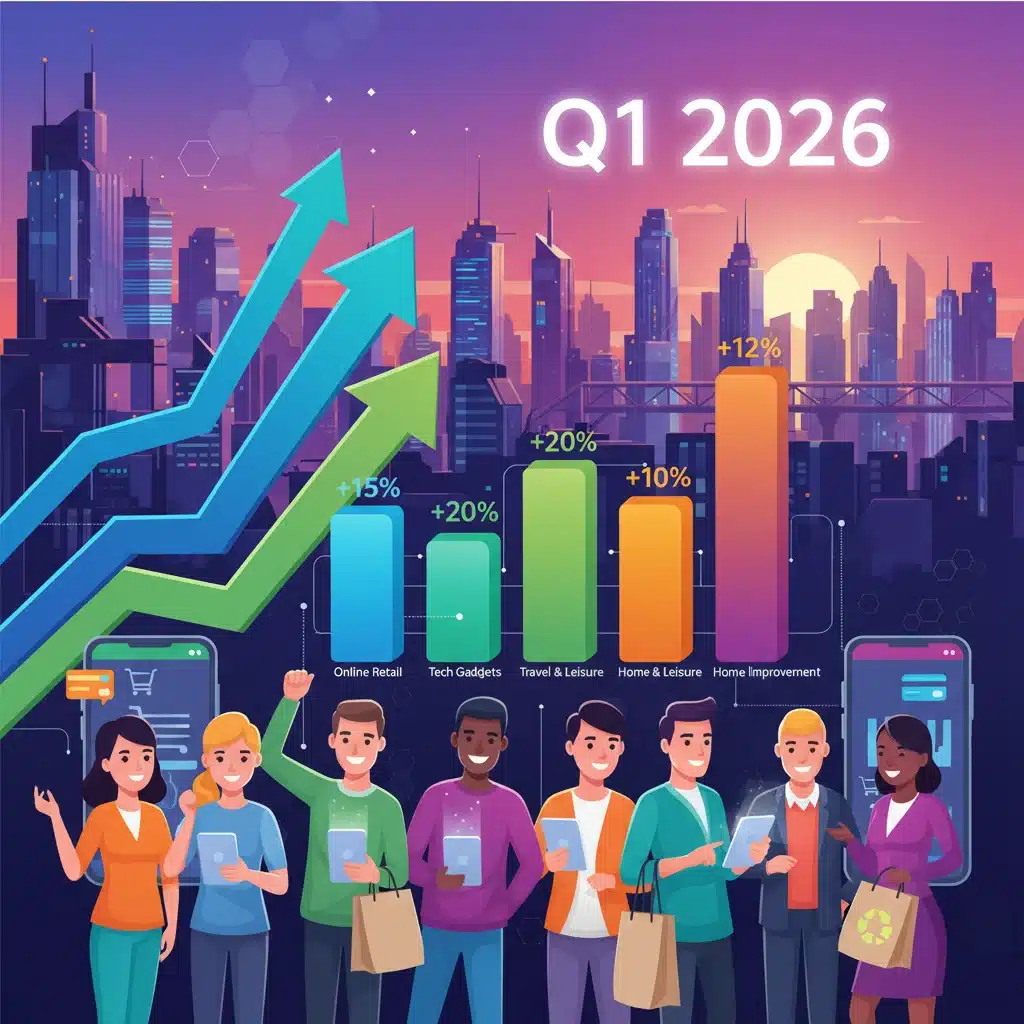
Consumer Spending Patterns in Q1 2026: Analyzing the Latest Data for Economic Insights
Understanding consumer spending patterns is paramount for businesses, policymakers, and economists alike. As we delve into the first quarter of 2026, a nuanced picture of economic behavior begins to emerge, influenced by a confluence of global events, technological advancements, and shifting societal values. This comprehensive analysis will dissect the latest data, offering profound economic insights into where and how consumers are allocating their resources, and what these trends portend for the future.
The year 2026 has already presented a dynamic economic landscape, characterized by evolving inflationary pressures, fluctuating interest rates, and a persistent digital transformation across all sectors. These factors collectively shape consumer confidence and, consequently, their spending habits. Our exploration aims to provide a clear, data-driven perspective on these critical shifts.
Anúncios
Key Drivers Influencing Consumer Spending in Q1 2026
Several macro and microeconomic factors have significantly influenced consumer spending patterns during Q1 2026. A detailed examination of these drivers is essential to grasp the underlying dynamics of the current economic climate.
Inflationary Pressures and Cost of Living
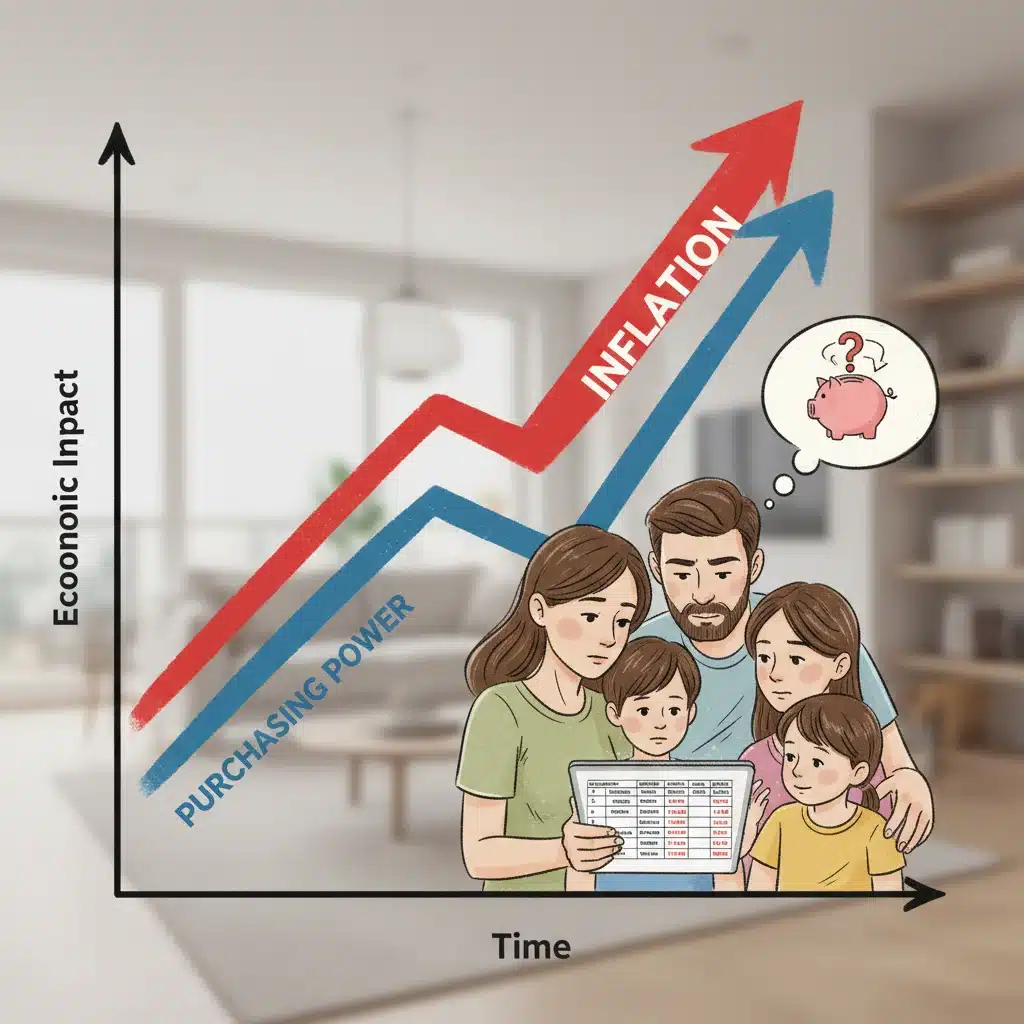
Inflation continued to be a dominant theme in Q1 2026, albeit with varying intensity across different regions and product categories. While some economies experienced a moderation in price increases, others grappled with persistent inflationary pressures, particularly in essential goods and services such as food, energy, and housing. This directly impacted discretionary spending, as households prioritized necessities.
The rising cost of living has forced consumers to make more deliberate purchasing decisions. Budgeting has become more stringent, with a noticeable shift towards value-for-money products and an increased reliance on promotions and discounts. This trend is evident in the retail sector, where discount retailers and private label brands have gained market share at the expense of premium brands in certain segments.
Anúncios
Interest Rate Environment and Credit Availability
Central banks globally maintained a cautious stance on interest rates throughout Q1 2026, with some opting for further hikes to curb inflation, while others held steady. The prevailing high-interest rate environment has had a dual impact on consumer spending patterns. On one hand, it has increased the cost of borrowing for mortgages, car loans, and credit card debt, thereby reducing disposable income for many households. On the other hand, higher savings rates have incentivized some consumers to save more, leading to a potential decrease in immediate consumption.
Credit availability also played a role. While lending standards remained relatively tight, there were signs of easing in certain credit markets, cautiously stimulating spending in big-ticket items like automobiles and home improvements, albeit at a slower pace than in previous boom cycles.
Labor Market Dynamics and Wage Growth
The health of the labor market is a critical determinant of consumer confidence and spending capacity. In Q1 2026, many economies continued to experience robust, albeit cooling, labor markets. Unemployment rates generally remained low, and wage growth, while varying by sector, showed signs of keeping pace with or slightly exceeding inflation in some advanced economies. This sustained employment and income stability provided a foundational support for consumer spending, preventing a sharper downturn in overall demand.
However, the gig economy continued its expansion, bringing with it both flexibility and income uncertainty for a segment of the workforce, which in turn influenced their spending behaviors. The demand for skilled labor in technology and green industries remained high, driving up wages in these sectors and boosting their respective consumer spending patterns.
Sectoral Analysis of Consumer Spending in Q1 2026
A granular look at different sectors reveals distinct trends in consumer spending patterns, reflecting both consumer priorities and ongoing market transformations.
Retail and E-commerce: A Continued Digital Shift
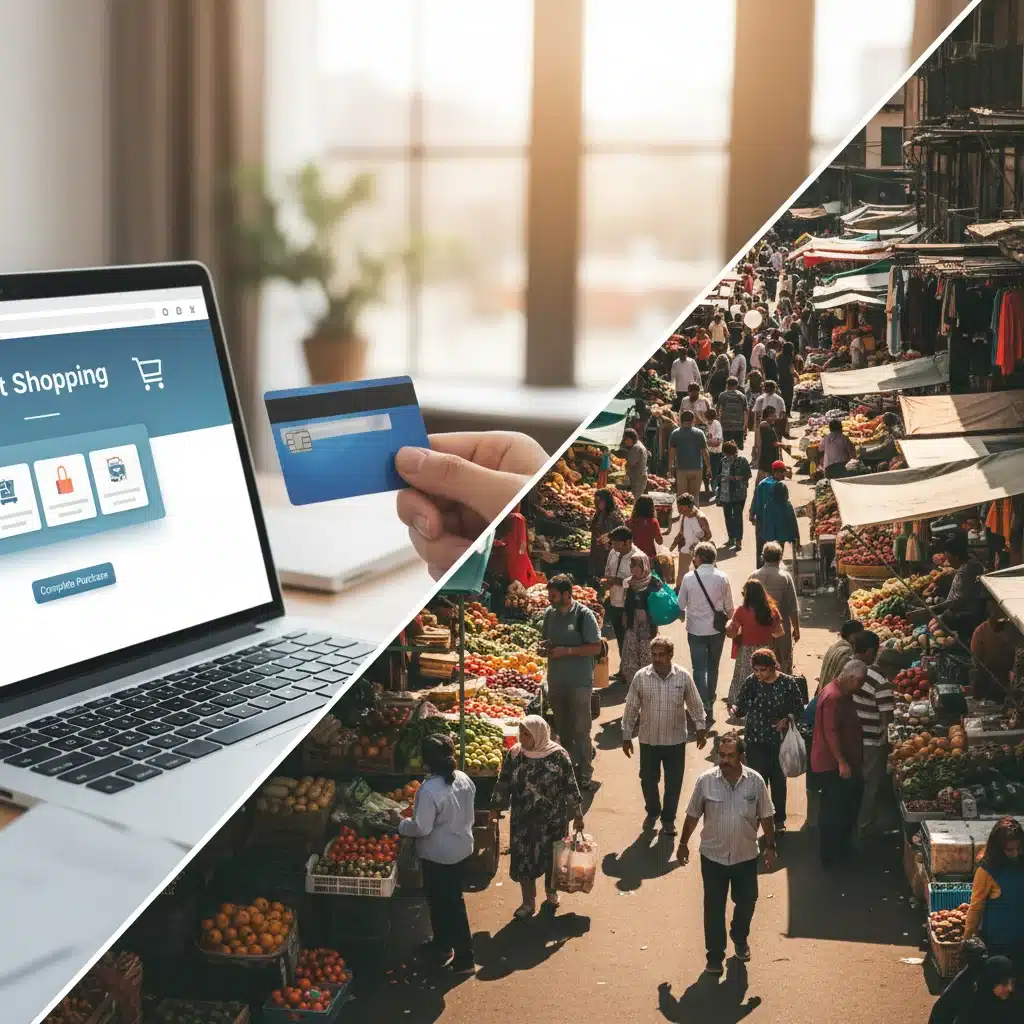
The retail sector in Q1 2026 continued its trajectory of digital transformation. E-commerce maintained its strong growth, driven by convenience, wider product selection, and competitive pricing. Consumers increasingly relied on online platforms for everything from groceries to electronics. This trend was further amplified by advancements in logistics and last-mile delivery, making online shopping more efficient and appealing.
Brick-and-mortar retail, while facing challenges, showed resilience through strategic adaptations. Many physical stores focused on enhancing the in-store experience, integrating technology, and offering omnichannel services like buy online, pick up in-store (BOPIS). Categories such as apparel, home goods, and personal care saw a blended approach to shopping, with consumers often researching online before purchasing in-store or vice-versa.
Services Sector: Experiences Over Goods
The services sector continued its post-pandemic recovery and expansion in Q1 2026. There was a notable preference for experiences over material goods, particularly among younger demographics. Spending on travel, hospitality, entertainment, and dining out remained robust, signaling a desire for social interaction and memorable moments. This shift is not just a rebound but a deeper cultural trend influencing consumer spending patterns.
Healthcare and personal well-being services also saw sustained growth, reflecting an increased societal emphasis on health, fitness, and mental wellness. Subscription services across various categories – from streaming to fitness apps and meal kits – continued to be popular, embedding recurring spending into consumer budgets.
Automotive and Housing: Mixed Signals
The automotive market presented mixed signals. While demand for electric vehicles (EVs) continued its upward trend, driven by environmental consciousness and government incentives, overall new car sales were tempered by higher interest rates and supply chain constraints, though less severe than in previous years. Used car markets remained active, offering more affordable alternatives.
The housing market experienced a period of recalibration. High mortgage rates cooled demand in many regions, leading to a stabilization or slight decrease in home prices after years of rapid appreciation. However, rental markets remained competitive, reflecting demographic shifts and affordability challenges for first-time homebuyers. Spending on home improvements and renovations saw a moderate decline compared to the pandemic-fueled boom, as consumers tightened their belts.
Emerging Trends and Behavioral Shifts
Beyond the immediate economic indicators, several emerging trends and behavioral shifts are reshaping consumer spending patterns, with long-term implications.
Sustainability and Ethical Consumption
A growing segment of consumers, particularly Gen Z and Millennials, demonstrated a strong preference for sustainable and ethically produced goods and services. This translated into increased spending on eco-friendly products, brands with transparent supply chains, and businesses committed to social responsibility. Companies that failed to align with these values faced scrutiny and potential loss of market share.
The rise of the circular economy also influenced spending, with increased interest in second-hand markets, repair services, and product-as-a-service models, rather than outright ownership. This shift reflects a broader awareness of environmental impact and a desire for more conscious consumption.
Personalization and Hyper-Convenience
Consumers in Q1 2026 demanded highly personalized experiences and unparalleled convenience. AI-driven recommendations, customized product offerings, and seamless purchasing journeys became table stakes for businesses. The expectation for instant gratification, fueled by rapid delivery options and intuitive digital interfaces, continued to drive innovation in retail and services.
This pursuit of convenience also manifested in the continued growth of subscription models, which automate purchases and deliver tailored content or products directly to the consumer, reinforcing specific consumer spending patterns.
Financial Prudence and Savings
Despite robust employment, a lingering sense of economic uncertainty, coupled with higher interest rates, encouraged many consumers to adopt a more financially prudent approach. Savings rates saw an uptick in some demographics, and there was a greater emphasis on financial literacy and long-term planning. This cautious behavior could lead to more measured spending in the future, particularly for non-essential items.
The phenomenon of ‘quiet quitting’ and a re-evaluation of work-life balance also subtly influenced spending, as individuals sought to reduce work-related expenses and invest more in personal well-being and leisure, often through more affordable means.
Regional Variations in Consumer Spending
It is crucial to acknowledge that consumer spending patterns are not monolithic across the globe. Regional economic conditions, cultural norms, and government policies play a significant role in shaping local trends.
North America and Europe
In North America, particularly the United States, consumer spending remained relatively strong, supported by a resilient labor market, though inflationary pressures continued to be a concern. Discretionary spending showed signs of moderation, with a focus on value and experiences. Canada mirrored many US trends but with potentially more sensitivity to interest rate hikes due to its housing market dynamics.
Europe presented a more varied picture. While some Northern European economies demonstrated steady spending, Southern and Eastern European nations faced persistent challenges related to energy costs and geopolitical uncertainties, which dampened consumer confidence and restricted spending on non-essentials. Government support measures played a crucial role in mitigating some of these impacts.
Asia-Pacific and Emerging Markets
The Asia-Pacific region continued to be a powerhouse of economic growth, with countries like India and Indonesia showing robust consumer spending patterns driven by a growing middle class and rapid urbanization. China, while navigating its own economic adjustments, saw a continued shift towards domestic consumption and a burgeoning digital economy.
Emerging markets across Latin America and Africa experienced diverse outcomes. Commodity-exporting nations often benefited from higher prices, boosting local economies and consumer purchasing power. However, countries reliant on imports faced challenges from currency depreciation and global inflation, leading to more constrained spending environments. Financial inclusion initiatives and mobile banking continued to transform spending habits in these regions.
Implications for Businesses and Policymakers
The insights gleaned from Q1 2026 consumer spending patterns carry significant implications for various stakeholders.
For Businesses: Adaptability is Key
Businesses must remain agile and adaptable. Understanding the shift towards value, experiences, and sustainable products is crucial for product development, marketing strategies, and supply chain management. Investing in omnichannel capabilities, leveraging data analytics for personalization, and fostering strong customer relationships will be vital for success.
Companies should also be prepared for continued economic volatility, building resilience into their operations and financial planning. Diversifying markets and understanding regional nuances in consumer behavior will provide a competitive edge.
For Policymakers: Balancing Growth and Stability
Policymakers face the delicate task of balancing economic growth with price stability. The data from Q1 2026 underscores the need for targeted interventions to support vulnerable households impacted by inflation, while also fostering an environment conducive to investment and job creation.
Monetary policy decisions will continue to be critical, with central banks carefully weighing the risks of overtightening versus allowing inflation to become entrenched. Fiscal policies should aim to support long-term structural changes, such as investments in green energy and digital infrastructure, which can enhance productivity and sustainable consumer spending patterns in the future.
For Investors: Identifying Growth Opportunities
Investors should carefully analyze sectoral performance and regional growth drivers. Opportunities may lie in companies that cater to the demand for experiences, sustainable products, and digital services. Resilience in essential goods sectors and innovative technologies that enhance efficiency and convenience will also be attractive.
A diversified portfolio that accounts for both established market leaders and emerging players in high-growth segments, while being mindful of inflation and interest rate sensitivities, will be prudent.
Forecasting Future Consumer Spending Trends
Looking beyond Q1 2026, several factors are poised to continue shaping consumer spending patterns. The ongoing evolution of artificial intelligence and automation will likely transform the job market, influencing income levels and spending priorities. The transition to a greener economy will create new industries and consumer demands, while also potentially increasing costs in traditional sectors.
Geopolitical stability, or the lack thereof, will remain a significant wild card, capable of disrupting supply chains, influencing energy prices, and impacting overall consumer confidence. Demographic shifts, including aging populations in developed nations and youth bulges in emerging markets, will continue to dictate demand for specific goods and services.
Ultimately, the consumer of the future will likely be more informed, more values-driven, and more digitally integrated. Businesses and policymakers who recognize and adapt to these profound shifts will be best positioned to thrive in the evolving economic landscape.
Conclusion
The first quarter of 2026 has provided a rich tapestry of data, illustrating complex and evolving consumer spending patterns. From persistent inflationary pressures and a cautious interest rate environment to the continued digital shift in retail and a strong preference for experiences, consumers are navigating a multifaceted economic reality.
Understanding these trends is not merely an academic exercise; it is a vital necessity for strategic decision-making across all sectors. As we move further into 2026, continuous monitoring and analysis of these patterns will be essential to anticipate future shifts, capitalize on emerging opportunities, and mitigate potential risks. The consumer landscape is dynamic, and only those who stay attuned to its intricate rhythms will truly prosper.