Consumer Confidence Index 2026: Impact of a 5-Point Shift
Anúncios
Consumer Confidence Index for 2026: How a 5-Point Shift Impacts Economic Behavior
Anúncios
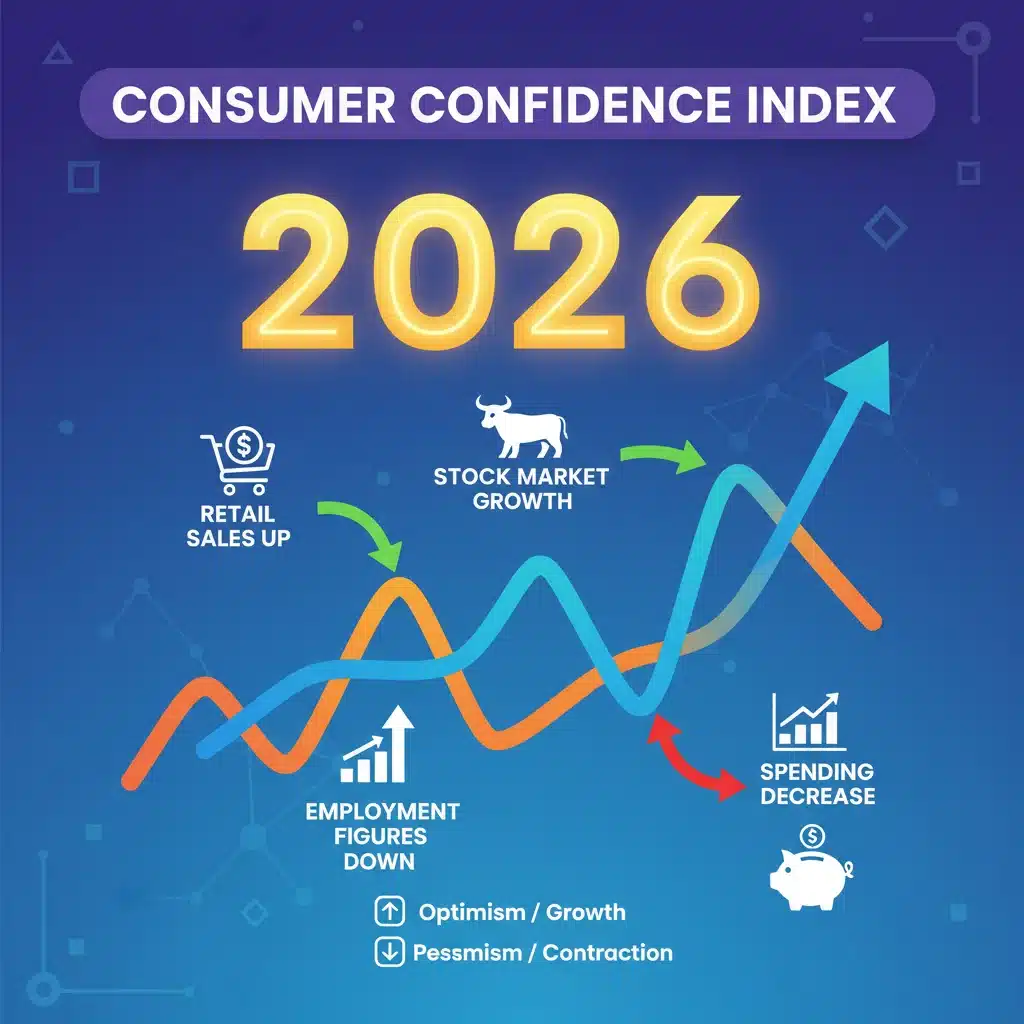
The economy is a complex, interconnected system, and at its heart lies consumer sentiment. The Consumer Confidence Index (CCI) is a pivotal economic indicator, offering a snapshot of how optimistic or pessimistic consumers are about the state of the economy and their personal financial situation. While economic forecasts often focus on large swings, even a seemingly modest 5-point shift in the consumer confidence impact can trigger significant ripple effects throughout various sectors in 2026. This article delves deep into understanding the CCI, exploring its components, and analyzing the profound implications of such a shift on economic behavior.
Understanding the Consumer Confidence Index (CCI)
The Consumer Confidence Index, typically released monthly, is a barometer of consumer attitudes. It measures consumers’ perceptions of current business and labor market conditions, and their expectations for the future. The index is compiled from surveys that ask households about their present and future economic situations. These questions cover employment prospects, business conditions, and income expectations. The responses are then aggregated and weighted to produce a single numerical index.
A higher CCI suggests greater optimism, leading consumers to be more willing to spend, invest, and take on debt. Conversely, a lower CCI indicates pessimism, often resulting in increased savings, reduced spending, and a more cautious approach to financial decisions. The CCI is not just a theoretical number; it directly influences purchasing decisions, which in turn drive economic growth. For policymakers, businesses, and investors, tracking the consumer confidence impact is crucial for making informed decisions.
Anúncios
Components of the CCI
The CCI is generally composed of two main sub-indices:
- Present Situation Index: This reflects consumers’ assessment of current business and labor market conditions. It’s a real-time indicator of how people feel about the economy right now.
- Expectations Index: This gauges consumers’ outlook for business conditions, labor market conditions, and their income prospects over the next six months. This forward-looking component is often more volatile and can signal upcoming shifts in economic activity.
Both components contribute to the overall CCI, providing a comprehensive view of consumer sentiment. A 5-point shift in either of these components, or in the overall index, can be a powerful signal of changing economic winds. For 2026, understanding these nuances will be paramount.
The Mechanism of a 5-Point Shift
To grasp the significance of a 5-point shift in the CCI, it’s important to understand that this isn’t merely a statistical blip. It represents a measurable change in the collective mindset of millions of consumers. A positive 5-point shift indicates a noticeable increase in optimism, while a negative 5-point shift signals growing apprehension.
Consider the psychological aspect: when confidence rises, consumers feel more secure about their jobs and future income. This security translates into a greater propensity to make discretionary purchases, such as new cars, appliances, vacations, or home renovations. They might also be more inclined to take out loans for larger investments, like buying a house. On the other hand, a drop in confidence can lead to a tightening of belts, as households prioritize saving and debt reduction over spending.
The impact is rarely uniform across all segments of the population. Different income groups, age demographics, and geographic regions may react with varying intensity to a CCI shift. However, the aggregate effect on the national economy can be substantial. Businesses closely monitor these trends to adjust their production, inventory, and hiring plans, making the consumer confidence impact a key driver of corporate strategy.
Impact on Consumer Spending and Retail Sales
One of the most direct and immediate consequences of a CCI shift is on consumer spending, which accounts for a significant portion of GDP in many economies. A positive 5-point shift in the CCI for 2026 could lead to a noticeable uptick in retail sales across various sectors.
Discretionary vs. Non-Discretionary Spending
The impact is often more pronounced in discretionary spending categories. When consumers feel more confident, they are more likely to purchase non-essential goods and services. This includes:
- Automobiles: New car sales can see a boost as consumers feel more secure about long-term financial commitments.
- Electronics and Appliances: Upgrades to home entertainment systems, new kitchen appliances, and personal gadgets become more appealing.
- Travel and Leisure: Vacations, dining out, and entertainment venues experience increased patronage.
- Home Improvement: Confidence in property values and future income can spur renovations and home décor purchases.
Conversely, a negative 5-point shift would see a contraction in these areas. Consumers might postpone large purchases, opt for repairs instead of replacements, and cut back on leisure activities. Even non-discretionary spending, while more resilient, can be affected as consumers seek cheaper alternatives or reduce consumption where possible.
E-commerce and Brick-and-Mortar
The shift in consumer confidence can also influence where people choose to spend. A buoyant CCI might encourage spending at both online and physical stores, but a cautious sentiment could see consumers gravitate towards value-oriented retailers or increase online comparison shopping to find the best deals. The consumer confidence impact on retail is thus multifaceted, affecting not just the volume of sales but also the channels through which those sales occur.
Effects on Business Investment and Hiring
The ripple effect of consumer confidence extends far beyond individual purchasing decisions. Businesses, particularly those in consumer-facing industries, closely monitor the CCI to gauge future demand. A sustained positive 5-point shift in the CCI for 2026 can signal to businesses that consumers are ready to spend, prompting them to increase investment and expand their operations.
Capital Expenditure and Expansion
When businesses anticipate higher demand, they are more likely to invest in new equipment, technology, and facilities. This includes:
- Increased Production Capacity: Factories might expand to meet expected sales growth.
- Technology Upgrades: Companies invest in more efficient systems to handle increased volume.
- New Product Development: Confidence in market reception encourages R&D spending.
- Store Openings/Branch Expansion: Retailers and service providers might open new locations.
Conversely, a negative 5-point shift can lead to a slowdown in capital expenditure. Businesses may delay or cancel expansion plans, opting to conserve cash and wait for clearer signs of recovery. This cautious approach can stifle innovation and long-term growth.
Hiring and Employment
Perhaps one of the most critical impacts of CCI shifts is on the labor market. A positive consumer confidence impact encourages businesses to hire more staff to meet increased demand. This can lead to:
- Job Creation: New positions open up across various sectors.
- Wage Growth: A tighter labor market can put upward pressure on wages.
- Reduced Unemployment: More people find employment, boosting overall economic well-being.
A negative shift, however, can result in hiring freezes, layoffs, and a general stagnation in the job market. This creates a self-reinforcing cycle: fewer jobs lead to lower consumer confidence, which further depresses spending and business activity.
Financial Markets and Investment Behavior
Financial markets are highly sensitive to consumer sentiment. A 5-point shift in the CCI can have a noticeable impact on stock prices, bond yields, and investor behavior. Investors often view the CCI as a leading indicator of corporate earnings and economic health.
Stock Market Reactions
A positive CCI shift typically bodes well for equity markets. Increased consumer spending translates into higher corporate revenues and profits, which in turn drives up stock prices. Sectors particularly sensitive to consumer spending, such as retail, automotive, hospitality, and technology, often see the most significant gains. Investor optimism can lead to increased trading volumes and a willingness to take on more risk.
Conversely, a negative CCI shift can trigger a sell-off in the stock market. Fears of reduced consumer demand and lower corporate earnings can lead investors to shed riskier assets and seek safer havens. This can create market volatility and uncertainty, further exacerbating the negative sentiment. The consumer confidence impact on market psychology is profound, often leading to herd behavior among investors.
Bond Market and Interest Rates
The bond market also reacts to changes in consumer confidence. A stronger CCI, indicating a robust economy, might lead to expectations of higher inflation and interest rate hikes by central banks. This can cause bond yields to rise as investors demand higher returns to compensate for inflation risk.
A weaker CCI, on the other hand, might suggest a slowing economy and lower inflation, potentially leading to lower interest rates and increased demand for safe-haven government bonds, thus pushing yields down. The Federal Reserve and other central banks closely monitor the CCI as they formulate monetary policy, making the consumer confidence impact a key data point for interest rate decisions.
Cryptocurrency and Alternative Investments
Even newer asset classes like cryptocurrencies can be indirectly influenced. While often driven by different factors, general economic optimism or pessimism can spill over into these markets. When traditional markets are strong due to high confidence, some investors might feel more comfortable diversifying into higher-risk alternative assets. Conversely, during periods of low confidence, a flight to safety might occur, potentially impacting less established markets.
Real Estate Market Dynamics
The real estate market is another sector where the consumer confidence impact is keenly felt. A 5-point shift in the CCI can influence both residential and commercial property markets in 2026.
Residential Real Estate
When consumer confidence is high, prospective homebuyers feel more secure about their job stability and future income, making them more willing to commit to a mortgage. This can lead to:
- Increased Home Sales: More buyers enter the market, driving up transaction volumes.
- Rising Home Prices: Higher demand relative to supply pushes up property values.
- New Construction: Developers respond to increased demand by initiating new housing projects.
- Renovation Spending: Homeowners with increased equity and confidence are more likely to invest in home improvements.
A decline in confidence, however, can lead to a cooling housing market. Buyers become more hesitant, sales slow down, and prices may stagnate or even fall. This creates a domino effect, impacting construction, real estate agencies, and associated industries.
Commercial Real Estate
The commercial real estate market also feels the effects. When businesses are confident and expanding, they need more office space, retail storefronts, and industrial warehouses. This drives demand for commercial leases and property development. A dip in confidence, however, can lead to higher vacancy rates and reduced investment in commercial properties, as businesses postpone expansion plans or downsize their operations.
Policy Implications and Government Response
Governments and central banks pay close attention to the CCI because it provides valuable insights into the health and direction of the economy. A significant 5-point shift can prompt various policy responses.
Monetary Policy
If the CCI shows a sustained positive trend, indicating robust demand and potential inflationary pressures, central banks might consider tightening monetary policy by raising interest rates. This aims to cool down an overheating economy and prevent excessive inflation. Conversely, a prolonged decline in confidence might lead central banks to ease monetary policy, such as lowering interest rates or implementing quantitative easing, to stimulate spending and investment. The consumer confidence impact is a vital input for these decisions.
Fiscal Policy
Governments can also use fiscal policy to influence consumer confidence and economic activity. During periods of low confidence, they might implement stimulus packages, tax cuts, or increased public spending on infrastructure projects to boost demand and create jobs. In times of high confidence and strong growth, governments might focus on reducing national debt or investing in long-term strategic initiatives.
Regulatory Measures
Changes in consumer confidence can also influence regulatory decisions. For instance, if a lack of confidence is attributed to concerns about financial stability or market transparency, regulators might introduce new measures to restore trust and protect consumers. The overall goal is to maintain a stable and growing economy, and the CCI serves as an important barometer for guiding these policy choices.
Regional and Global Economic Considerations
While the focus is often on national CCI, regional variations can be significant. Economic conditions, industry concentrations, and local events can cause consumer confidence to fluctuate differently across states or provinces. For multinational corporations, understanding these regional nuances is critical for localized marketing and investment strategies.
Furthermore, in an increasingly interconnected global economy, consumer confidence in one major economic power can have spillover effects on others. For example, a significant drop in consumer confidence in a large importing nation could reduce demand for goods from exporting nations, impacting their economies. Similarly, global events like pandemics, geopolitical tensions, or major supply chain disruptions can simultaneously affect consumer confidence across many countries, leading to synchronized economic shifts. The consumer confidence impact is therefore not just a domestic issue but a global economic indicator.
Supply Chain Resilience
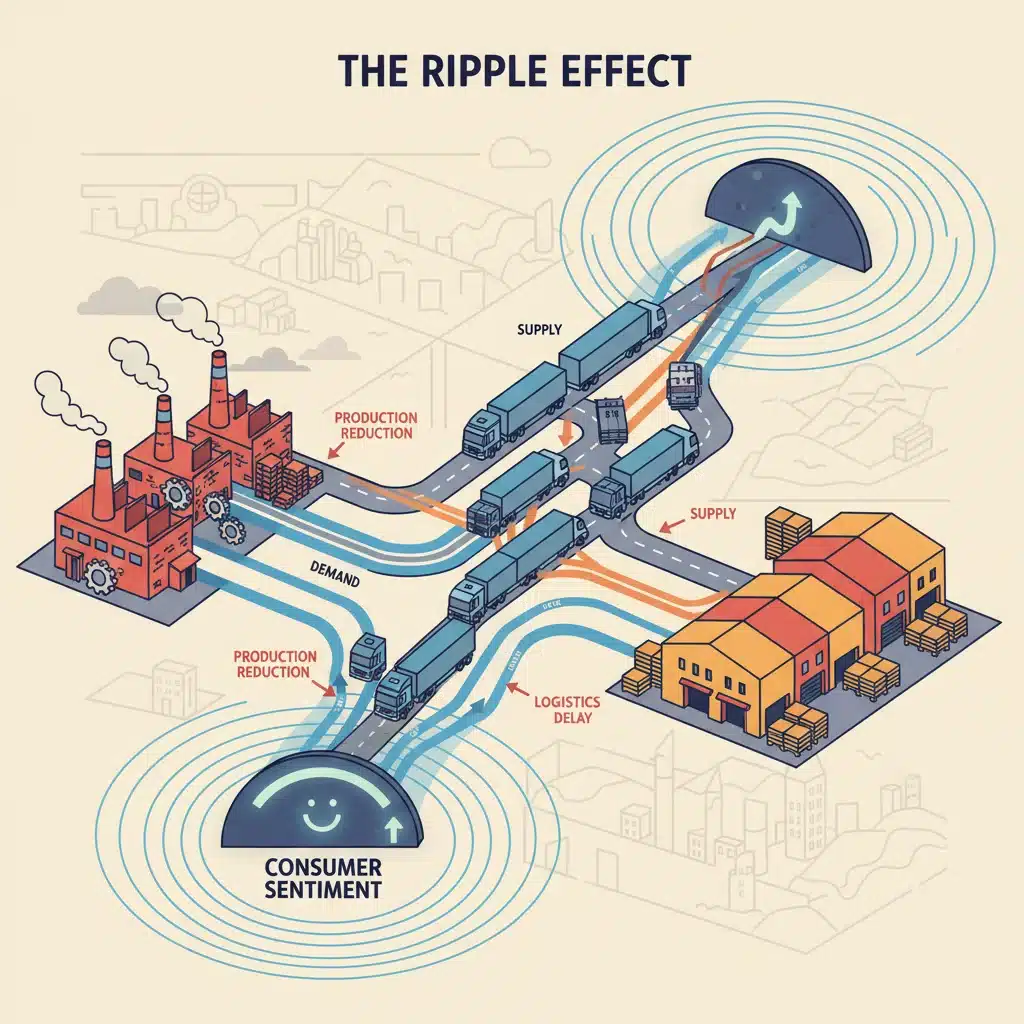
A downturn in consumer confidence can expose vulnerabilities in global supply chains. Reduced demand can lead to inventory gluts, production cuts, and layoffs in manufacturing hubs, affecting countries far from the initial confidence shock. Conversely, a surge in confidence can strain supply chains, leading to shortages and inflationary pressures if production cannot keep pace with rapidly increasing demand. Businesses are increasingly focused on building resilient supply chains that can adapt to these fluctuations in consumer sentiment.
Forecasting and Future Outlook for 2026
Forecasting the Consumer Confidence Index for 2026 involves analyzing a multitude of factors, including anticipated inflation rates, employment trends, interest rate policies, geopolitical stability, and technological advancements. Economists and analysts use sophisticated models to predict these shifts, but the inherent unpredictability of human behavior and external shocks means there’s always a degree of uncertainty.
For 2026, a 5-point shift, whether positive or negative, will likely be driven by a combination of these factors. A positive shift could be fueled by breakthroughs in technology leading to new industries and job growth, or by a sustained period of low inflation and stable interest rates. A negative shift might stem from persistent inflation, an unexpected economic downturn, or heightened global instability.
Businesses should develop contingency plans for both scenarios. Agility and adaptability will be key to navigating the economic landscape of 2026. Understanding the potential consumer confidence impact will allow them to adjust production schedules, marketing campaigns, and financial strategies proactively, rather than reactively.
Strategies for Businesses and Consumers
Given the significant influence of the CCI, both businesses and individual consumers can adopt strategies to mitigate risks and capitalize on opportunities arising from a 5-point shift.
For Businesses:
- Market Research: Continuously monitor CCI data and conduct targeted market research to understand how sentiment is impacting specific customer segments.
- Flexible Operations: Build flexibility into supply chains and production processes to quickly scale up or down based on demand signals.
- Diversification: Diversify product offerings and market reach to reduce dependence on single customer segments or geographic regions.
- Financial Prudence: Maintain healthy cash reserves and manage debt levels to weather potential downturns.
- Strategic Marketing: Adjust marketing messages to resonate with prevailing consumer sentiment. During low confidence, emphasize value and security; during high confidence, focus on aspiration and innovation.
For Consumers:
- Financial Planning: Maintain an emergency fund to cope with unexpected economic shifts.
- Debt Management: Prioritize paying down high-interest debt, especially during periods of economic uncertainty.
- Investment Strategy: Diversify investment portfolios and consider long-term goals rather than reacting impulsively to short-term market fluctuations.
- Skill Development: Continuously upgrade skills to remain competitive in the job market, enhancing job security.
- Budgeting: Practice mindful spending and budgeting, adjusting discretionary expenses based on personal financial outlook and broader economic conditions.
By taking these proactive steps, both businesses and consumers can better navigate the economic landscape shaped by changes in the consumer confidence impact.
Conclusion
The Consumer Confidence Index is more than just a statistical figure; it’s a powerful predictor and driver of economic activity. As we look towards 2026, even a seemingly small 5-point shift in this index can profoundly alter the trajectory of consumer spending, business investment, hiring patterns, and financial market dynamics. Understanding the intricate mechanisms through which this consumer confidence impact propagates through the economy is essential for policymakers, business leaders, and individuals alike.
By closely monitoring CCI trends, anticipating potential shifts, and implementing adaptive strategies, stakeholders can better prepare for the opportunities and challenges that lie ahead. The future economic health of nations will, in large part, continue to hinge on the collective optimism and financial security of its consumers, making the CCI an indispensable tool in economic analysis and forecasting.
Author