2026 Consumer Spending Data: Unveiling Economic Optimism and Financial Impact
Anúncios
2026 Consumer Spending Data: Unveiling Economic Optimism and Financial Impact
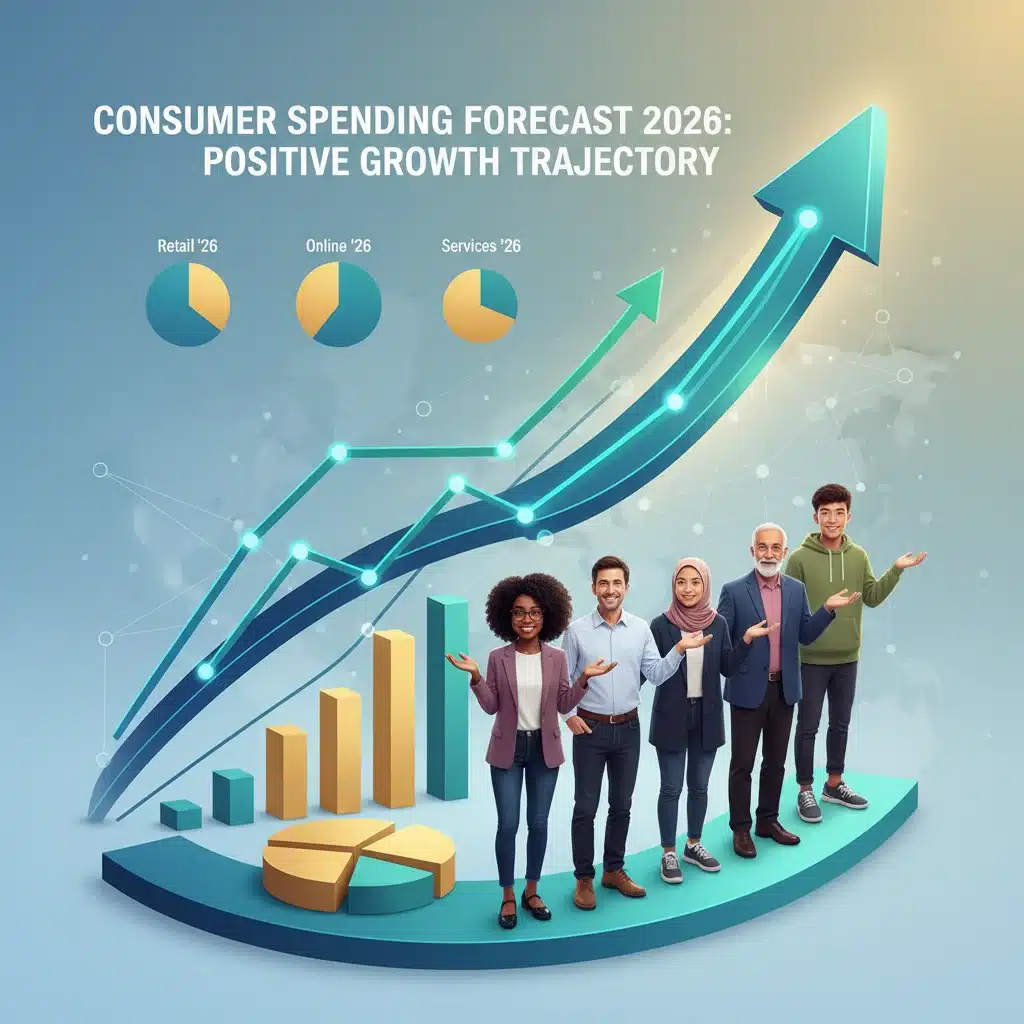
The global economy is a complex and ever-evolving entity, with consumer spending acting as one of its most vital arteries. Understanding consumer spending trends 2026 is not merely an academic exercise; it’s a crucial endeavor for businesses, policymakers, and individual households alike. The latest data for 2026 offers a fascinating glimpse into the collective economic psyche, revealing nuanced patterns of optimism, caution, and adaptation. This comprehensive analysis will delve deep into what the 2026 consumer spending data truly signifies, exploring the underlying factors driving these trends and their profound financial impact on various sectors.
Anúncios
As we navigate the mid-2020s, the economic landscape continues to be shaped by a confluence of technological advancements, geopolitical shifts, and evolving societal values. These forces are directly influencing how, where, and why consumers choose to spend their money. The data from 2026 provides a critical benchmark, allowing us to assess the efficacy of current economic strategies and anticipate future challenges and opportunities. By examining these patterns, we can better understand the pulse of economic optimism and identify key areas of financial growth or contraction.
The Macroeconomic Backdrop Influencing 2026 Consumer Spending Trends
To fully appreciate the intricacies of consumer spending trends 2026, it’s essential to consider the broader macroeconomic environment. Several significant factors are at play, each contributing to the overall picture of consumer confidence and purchasing power. Inflation, interest rates, employment figures, and global supply chain stability are all critical variables that directly impact household budgets and discretionary spending capabilities.
Inflationary Pressures and Their Evolution
While the rampant inflation seen in earlier years may have tempered, 2026 still grapples with its lingering effects. Consumers have become more accustomed to higher prices for essential goods and services, leading to a recalibration of spending habits. The data suggests a continued focus on value and necessity, though certain discretionary categories are showing resilience. Understanding how inflation has evolved and how central banks are responding is paramount to interpreting consumer behavior. Persistent inflation, even at a lower rate, can erode purchasing power over time, forcing consumers to make difficult choices about where to allocate their resources. This often translates into a more discerning consumer base, prioritizing quality and longevity in their purchases.
Anúncios
Interest Rates and Access to Credit
The trajectory of interest rates in 2026 plays a significant role in consumer borrowing and big-ticket purchases. Higher interest rates can deter consumers from taking out loans for homes, cars, or other major investments, thereby dampening spending in these sectors. Conversely, a stabilization or slight decrease in rates could stimulate demand. The accessibility and cost of credit directly influence the ability of consumers to finance larger purchases, which in turn impacts industries like real estate, automotive, and durable goods. The 2026 data indicates a sensitive relationship between interest rate policies and consumer willingness to engage in significant financial commitments.
Employment Landscape and Wage Growth
Robust employment figures and sustained wage growth are typically strong indicators of healthy consumer spending. When people feel secure in their jobs and see their incomes rising, they are more likely to spend. The 2026 data needs to be analyzed in conjunction with labor market reports to paint a complete picture. A tight labor market often translates to increased bargaining power for workers, leading to higher wages. This directly boosts disposable income, fueling consumer spending trends 2026 across various categories. Conversely, any signs of weakening employment could quickly dampen consumer enthusiasm and lead to more conservative spending patterns.
Global Supply Chain Dynamics
Lessons learned from recent global disruptions have led to efforts to build more resilient supply chains by 2026. However, localized disruptions or geopolitical tensions can still impact product availability and pricing, influencing consumer choices. Stable supply chains ensure that goods are available at predictable prices, which fosters consumer confidence. Any volatility, however, can lead to shortages, price spikes, and a shift in consumer preferences towards locally sourced or alternative products. The 2026 data reflects how consumers adapt to and are influenced by the reliability of global trade networks.
Key Sectors and Their Performance in 2026
Examining consumer spending trends 2026 across different sectors provides granular insights into where money is flowing and why. Some sectors are experiencing significant growth, while others are facing headwinds, reflecting evolving consumer priorities and market conditions.
Technology and Digital Services
The digital transformation continues unabated, with consumer spending on technology and digital services showing sustained growth in 2026. This includes everything from new smartphone models and smart home devices to subscription services for streaming, gaming, and productivity tools. The demand for faster internet, more sophisticated personal tech, and immersive digital experiences remains high. This sector is characterized by rapid innovation, constantly introducing new products and services that capture consumer attention and wallets. The convenience and enhanced capabilities offered by new technologies are powerful drivers of spending.
Retail and E-commerce Evolution
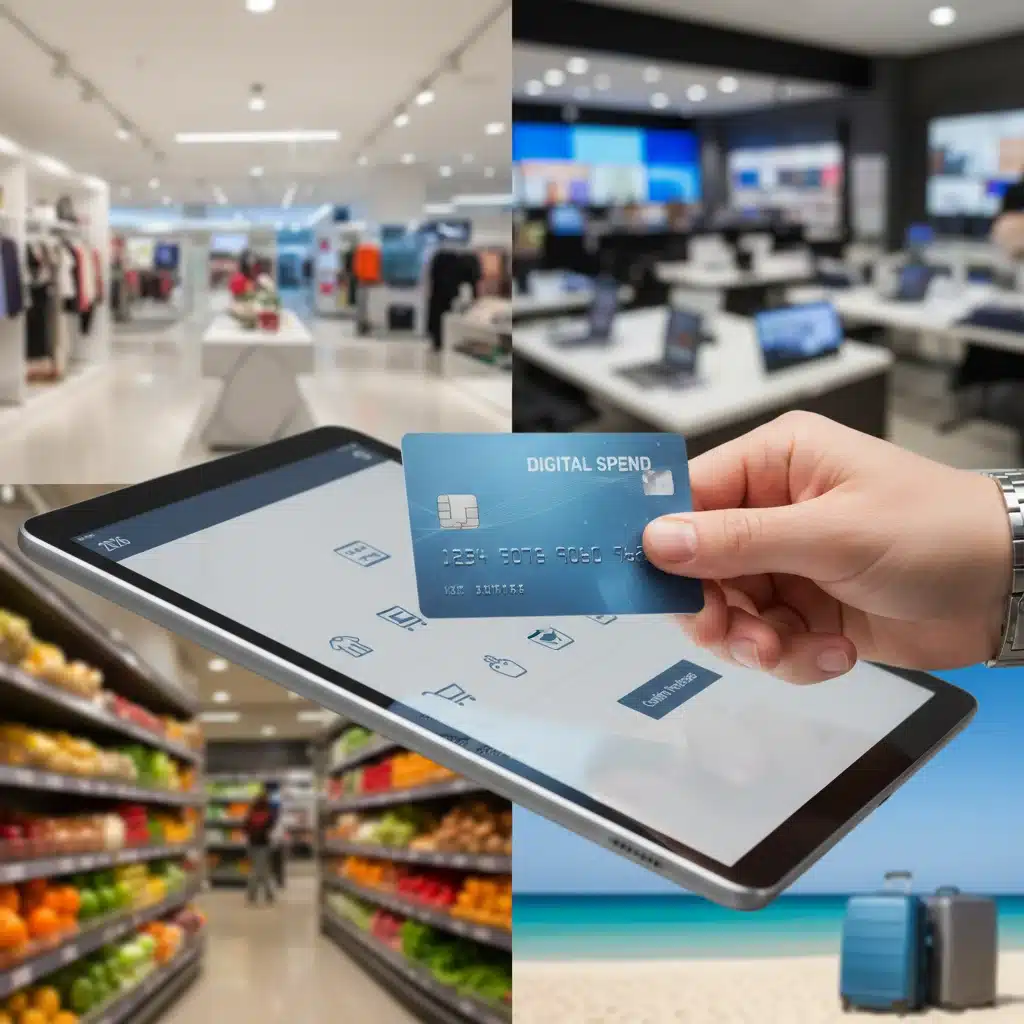
The retail landscape in 2026 is a hybrid of physical and digital experiences. While e-commerce continues its upward trajectory, particularly with advancements in personalized shopping and expedited delivery, brick-and-mortar stores that offer unique experiences or cater to specific niche markets are also thriving. Consumers are looking for seamless shopping journeys, whether online or offline. The data highlights a trend towards ‘phygital’ retail, where the lines between physical and digital shopping blur. Retailers who successfully integrate these channels are capturing a larger share of the 2026 consumer spending pie.
Travel and Leisure Rebound
After periods of restriction, the travel and leisure sector has seen a robust rebound in 2026. Consumers are prioritizing experiences, investing in vacations, cultural events, and dining out. This surge is driven by a desire for novelty and a return to pre-pandemic lifestyles. The data indicates a strong willingness to spend on memorable experiences, suggesting a shift in values where experiential consumption is highly prized. This rebound is a significant contributor to economic optimism, as it signals a return to confidence in personal finances and future stability.
Healthcare and Wellness Investments
Spending on healthcare and wellness continues to be a non-negotiable for many consumers in 2026. This includes traditional medical services, preventative care, mental health support, and wellness products. There’s a growing awareness and investment in personal well-being, influencing purchasing decisions across a broad spectrum of goods and services. Consumers are increasingly proactive about their health, leading to greater expenditures on fitness equipment, organic foods, supplements, and wellness retreats. This sustained focus on health contributes to a stable base for consumer spending trends 2026.
Automotive and Transportation
The automotive sector in 2026 is heavily influenced by the transition to electric vehicles (EVs) and advancements in autonomous driving technology. While traditional internal combustion engine (ICE) vehicles still hold a significant market share, consumer interest and investment in EVs are growing rapidly, spurred by environmental concerns and government incentives. Spending also extends to public transportation infrastructure improvements and ride-sharing services, reflecting diverse mobility needs. The data shows a clear trend towards more sustainable and technologically advanced transportation solutions.
The Role of Economic Optimism in Consumer Behavior
Economic optimism is a powerful psychological driver that significantly influences consumer spending trends 2026. When consumers feel confident about their financial future, the stability of the economy, and their job prospects, they are more inclined to spend, invest, and take on debt. Conversely, uncertainty or pessimism can lead to increased savings and reduced consumption.
Consumer Confidence Indices
Various consumer confidence indices serve as leading indicators of future spending. The 2026 data from these indices suggests a cautious but growing optimism. While consumers remain mindful of potential economic headwinds, there’s a prevailing sense that the worst of recent economic volatility is behind us. This cautious optimism translates into a willingness to make planned purchases and engage in discretionary spending, albeit often after careful consideration. The balance between perceived stability and lingering concerns is a delicate one that shapes overall consumer sentiment.
Impact of Personal Financial Security
Individual financial security is a cornerstone of economic optimism. Factors such as savings rates, debt levels, and perceived job security directly influence how comfortable consumers feel about spending. The 2026 data indicates a mixed picture, with some households having bolstered their savings, while others continue to grapple with high debt. This disparity creates a segmented market where different consumer groups exhibit varying levels of spending confidence. Policies aimed at improving household financial health can therefore have a direct positive impact on aggregate consumer spending.
Influence of Media and Social Sentiment
The narratives presented by traditional media, social media, and peer networks also play a substantial role in shaping economic optimism. Positive news about economic growth, technological breakthroughs, or successful policy implementations can boost confidence. Conversely, negative headlines or widespread concerns can quickly erode it. In 2026, the constant flow of information means that consumer sentiment can be highly reactive, making it crucial for businesses and governments to manage public perception effectively. The collective mood, influenced by both real-world events and their portrayal, is a key determinant of spending patterns.
Financial Impact Across Different Demographics
It’s crucial to recognize that consumer spending trends 2026 do not impact all demographic groups equally. Age, income level, geographic location, and lifestyle choices all play a role in shaping spending patterns and financial resilience.
Generational Spending Differences
Different generations exhibit distinct spending habits. Gen Z and Millennials, for instance, are often more inclined towards digital services, sustainable products, and experiential purchases. Gen X and Baby Boomers, while still significant consumers, might prioritize healthcare, home improvements, and retirement planning. Understanding these generational nuances is vital for businesses targeting specific consumer segments. The 2026 data highlights these divergences, showing how marketing strategies need to be tailored to resonate with each demographic’s unique values and financial priorities.
Income Disparities and Spending Capacity
Income disparities continue to influence spending capacity. Higher-income households in 2026 may be less affected by inflationary pressures and more likely to engage in luxury or significant discretionary spending. Lower-income households, conversely, often dedicate a larger portion of their budget to necessities, with less room for non-essential purchases. The data reveals how economic policies and social safety nets impact the spending power of different income brackets, which in turn affects overall market demand.
Geographic Variations in Spending
Spending patterns can also vary significantly by geographic region. Urban centers might show higher spending on entertainment and dining, while rural areas could prioritize different categories. Local economic conditions, cost of living, and cultural factors all contribute to these regional differences. Analyzing 2026 data at a regional level provides valuable insights for localized marketing efforts and resource allocation. For example, a region experiencing an industrial boom might see increased spending on housing and related services, while an area focused on tourism would benefit from higher leisure spending.
Emerging Trends and Future Outlook
Looking beyond the immediate data, several emerging trends are poised to shape consumer spending trends 2026 and beyond. These shifts represent both challenges and opportunities for businesses and consumers.
Sustainability and Ethical Consumption
There’s a growing emphasis on sustainability and ethical consumption. Consumers in 2026 are increasingly willing to pay a premium for products and services that are environmentally friendly, ethically sourced, and produced by socially responsible companies. This trend is influencing purchasing decisions across all categories, from food and fashion to energy and transportation. Businesses that prioritize transparency and demonstrate a commitment to sustainability are likely to gain a competitive edge.
Personalization and Hyper-Targeting
Advancements in artificial intelligence and data analytics are enabling unprecedented levels of personalization. Consumers in 2026 expect tailored recommendations, customized products, and personalized experiences. This hyper-targeting is transforming how businesses interact with their customers, driving more efficient spending and higher conversion rates. The ability to anticipate consumer needs and preferences is becoming a key differentiator in the marketplace.
The Experience Economy
As noted earlier, the shift towards valuing experiences over material possessions continues to gain momentum. Consumers are investing in travel, entertainment, education, and personal development. This trend is not just about leisure; it’s about enriching lives and creating memorable moments. Businesses that can offer unique and engaging experiences are well-positioned to capture a significant share of future consumer spending. The 2026 data reinforces that consumers are increasingly seeking value beyond mere ownership.
Financial Wellness and Planning
With ongoing economic uncertainties, there’s an increased focus on financial wellness and long-term planning. Consumers are seeking tools, advice, and services that help them manage their money more effectively, save for the future, and achieve financial independence. This includes budgeting apps, investment platforms, and financial advisory services. The demand for financial literacy and robust planning tools is a significant emerging trend, influencing how consumers allocate their resources and prepare for future economic conditions.
Challenges and Opportunities for Businesses
The consumer spending trends 2026 present both significant challenges and exciting opportunities for businesses across all sectors. Adapting to these changes is crucial for sustained growth and success.
Navigating Economic Volatility
Businesses must remain agile and responsive to economic volatility. This involves meticulous financial planning, diversified supply chains, and flexible pricing strategies. Understanding how external economic shocks can impact consumer confidence and spending is paramount. Companies that can quickly pivot and adjust their offerings to meet changing consumer demands will be more resilient.
Meeting Evolving Consumer Expectations
Consumers in 2026 are more informed, discerning, and demanding than ever before. They expect high-quality products, exceptional customer service, and a seamless brand experience. Businesses must invest in understanding their target audience, gathering feedback, and continuously improving their offerings to meet these evolving expectations. Personalization, convenience, and value are no longer mere advantages but core requirements.
Leveraging Data and Technology
The intelligent use of data and technology is no longer optional but essential. Businesses that can effectively collect, analyze, and act upon consumer data will gain a significant competitive advantage. This includes using AI for personalization, automation for efficiency, and advanced analytics for market forecasting. Embracing technological innovation allows businesses to anticipate consumer spending trends 2026 and respond proactively.
Building Trust and Brand Loyalty
In a crowded marketplace, building trust and fostering brand loyalty are more important than ever. This involves transparent communication, ethical business practices, and a genuine commitment to customer satisfaction. Consumers are increasingly loyal to brands that align with their values and demonstrate a positive social or environmental impact. The 2026 landscape rewards authentic and responsible corporate citizenship.
Conclusion: A Future Shaped by Informed Spending
The 2026 consumer spending data paints a picture of an economy in transition, characterized by cautious optimism and evolving priorities. While macroeconomic factors continue to exert significant influence, individual consumer choices, driven by a desire for value, experiences, and sustainability, are shaping the future. Understanding these consumer spending trends 2026 is not just about tracking numbers; it’s about deciphering the aspirations, concerns, and behaviors of billions of individuals.
For businesses, the message is clear: adaptability, customer-centricity, and a commitment to ethical practices are key to thriving in this dynamic environment. For policymakers, the data underscores the importance of fostering economic stability, supporting household financial health, and encouraging innovation. As we move further into the mid-2020s, the insights gleaned from 2026 consumer spending will serve as a vital guide, helping us to navigate the complexities of the global economy and build a more prosperous and equitable future for all.
The interplay of technology, global events, and individual psychology will continue to define how and where money flows. By staying attuned to these intricate dynamics, we can better anticipate challenges, seize opportunities, and contribute to a more informed and resilient economic landscape.
Author