
Mastering Online Shopping: Identify and Avoid Dark Patterns by 2026
In the rapidly evolving landscape of e-commerce, the convenience of online shopping often comes with a hidden cost: manipulative design tactics known as ‘dark patterns’. These deceptive user interface elements are intentionally crafted to trick consumers into making decisions they wouldn’t otherwise make, ranging from impulse purchases to unknowingly signing up for subscriptions. As we move towards 2026, the sophistication of these tactics is only increasing, making it crucial for every online shopper to understand, identify, and actively avoid dark patterns. This comprehensive guide will equip you with the knowledge and practical solutions needed to navigate the digital marketplace safely and confidently.
The digital world offers unparalleled access to goods and services, transforming how we live, work, and shop. However, this convenience is often accompanied by subtle, yet powerful, psychological nudges designed to steer our behavior. These ‘dark patterns’ are not accidental design flaws; they are deliberate choices made by companies to prioritize their profits over consumer welfare. From countdown timers that create false urgency to hidden fees that only appear at checkout, these tactics erode trust and can lead to financial regret. By understanding the psychology behind these designs and learning how to effectively avoid dark patterns, you can reclaim control over your online shopping experience.
Anúncios
The stakes are high. Consumers lose billions of dollars annually due to deceptive practices, and the emotional toll of feeling manipulated can be significant. Regulatory bodies worldwide are beginning to take notice, but enforcement often lags behind the rapid innovation of these deceptive techniques. Therefore, personal vigilance and digital literacy are your strongest defenses. This article will break down the most common types of dark patterns, provide clear examples, and offer actionable strategies to help you identify and avoid dark patterns in your everyday online interactions. Our goal is to empower you to become a more informed, critical, and protected online shopper by 2026 and beyond.
What Exactly Are ‘Dark Patterns’? Understanding the Deception
The term ‘dark patterns’ was coined in 2010 by user experience designer Harry Brignull. He defined them as user interface designs that trick users into doing things they didn’t intend to do, such as buying insurance with their purchase or signing up for recurring bills. Unlike simple bad design, dark patterns are intentionally deceptive and exploit cognitive biases and human psychology. They leverage our natural tendencies towards convenience, urgency, and social proof, turning them against us.
Anúncios
The Psychology Behind the Manipulation
To effectively avoid dark patterns, it’s essential to understand the psychological principles they exploit:
- Cognitive Load: Websites often present too much information or complex choices, leading users to make quick, less thoughtful decisions. Dark patterns thrive in environments where users are overwhelmed.
- Urgency and Scarcity: Fear of missing out (FOMO) is a powerful motivator. Countdown timers, “only X items left,” and “deal ends soon” messages are classic dark patterns that pressure users into hasty purchases.
- Social Proof: “X people are viewing this item” or “Y people recently bought this” messages create a sense that an item is popular and desirable, influencing purchase decisions.
- Loss Aversion: People are generally more motivated to avoid a loss than to acquire an equivalent gain. Dark patterns might frame choices in a way that suggests you’ll lose something if you don’t act.
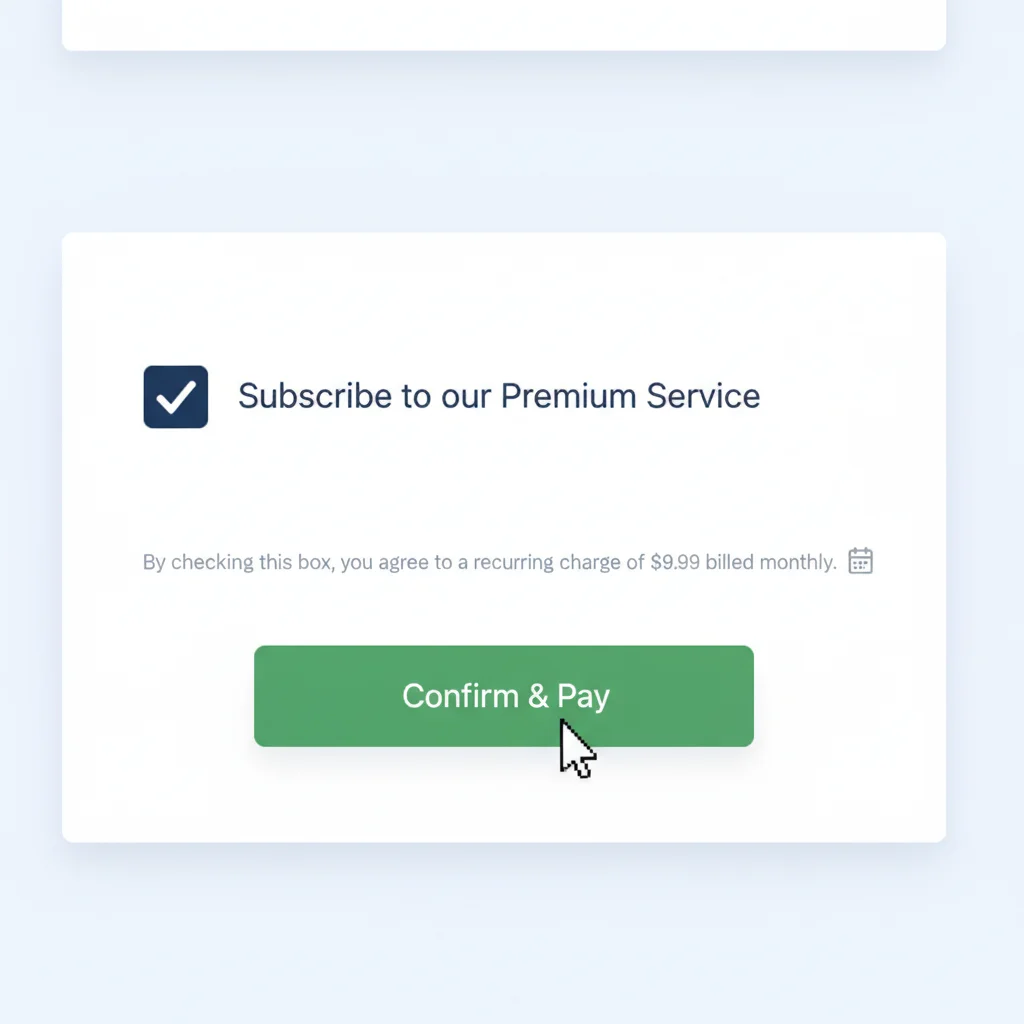
- Default Bias: Users tend to stick with pre-selected options. Dark patterns often pre-check boxes for subscriptions or add-ons, relying on users not noticing or bothering to uncheck them.
By recognizing these underlying psychological triggers, you can develop a more critical eye when browsing online. The key to successfully identifying and learning to avoid dark patterns lies in understanding that these are not accidental errors but calculated strategies.
Common Types of Dark Patterns and How to Spot Them
Dark patterns come in various forms, each designed to elicit a specific, often unfavorable, consumer action. Here are some of the most prevalent types you’ll encounter:
1. Trick Questions
These patterns use confusing language or double negatives to trick users into agreeing to something. For example, a checkbox might say, “Do not uncheck this box if you wish to receive promotional emails.” Many users will uncheck it, inadvertently opting in. To avoid dark patterns like this, always read questions carefully, especially those related to subscriptions or data sharing.
2. Sneak into Basket (Hidden Costs)
This occurs when additional items, services, or fees are added to your shopping cart without your explicit consent. Often, these are pre-selected options that you only notice if you meticulously review your cart before checkout. Examples include insurance, extended warranties, or even charitable donations. To avoid dark patterns of hidden costs, always scrutinize your cart contents and the final price before confirming your purchase.
3. Confirmshaming
Confirmshaming attempts to guilt users into opting into something. For instance, when trying to decline a newsletter, the option might be phrased as, “No thanks, I don’t want to save money” or “I prefer to pay full price.” This plays on your emotions. To effectively avoid dark patterns of confirmshaming, recognize the emotional manipulation and stick to your original intent.
4. Urgency and Scarcity (Pressure Tactics)
These are pervasive. Websites display messages like “Only 3 rooms left at this price!” or “Deal ends in 00:05:32.” While genuine scarcity exists, dark patterns often fabricate or exaggerate it to create panic and rushed decisions. To avoid dark patterns that create false urgency, take a moment to consider if the offer is truly time-sensitive or if you are being pressured.
5. Misdirection
Misdirection involves drawing your attention to one thing in order to distract you from another. For example, a prominent, brightly colored button might lead you to continue shopping, while a subtle, greyed-out link is the only way to proceed to checkout or cancel. To avoid dark patterns of misdirection, consciously look for less prominent options or links.
6. Forced Continuity
This is common with free trials that automatically convert to paid subscriptions without adequate warning or an easy cancellation process. You sign up for a ‘free’ month, but your card is charged once the trial ends, and finding the cancellation link is like a treasure hunt. To avoid dark patterns of forced continuity, mark your calendar for trial end dates and use virtual credit card numbers if available.
7. Hidden Ads
Disguising advertisements as regular content or navigation elements. You might click what you think is a download button, only to be taken to an unrelated ad page. To avoid dark patterns of hidden ads, be wary of unusually prominent or strangely placed buttons, especially on download sites.
8. Bait and Switch
This involves advertising a product or service at a certain price or with specific features, only to reveal later that it’s unavailable or significantly different, pushing you towards a more expensive alternative. To avoid dark patterns like bait and switch, always confirm the details of your chosen product before committing.
9. Price Comparison Prevention
Some sites make it difficult to compare prices, either by omitting unit pricing, presenting complex bundle deals, or preventing easy navigation to competitor sites. To avoid dark patterns that hinder comparison, open multiple tabs or use price comparison tools.
10. Privacy Zuckering
Named after Mark Zuckerberg, this is when you are tricked into sharing more information about yourself than you intended. This often happens through complex privacy settings or pre-selected options that grant broad data access. To avoid dark patterns that compromise privacy, always review privacy settings and opt for the most restrictive options by default.
Practical Solutions: How to Actively Avoid Dark Patterns by 2026
Being aware of dark patterns is the first step; actively countering them is the next. Here are actionable strategies to help you avoid dark patterns in your online shopping by 2026:
1. Develop a Critical Mindset: Read Everything
This is perhaps the most crucial tip. Before clicking any button, especially ‘Agree,’ ‘Continue,’ or ‘Confirm,’ take a moment to read all accompanying text, no matter how small or seemingly insignificant. Look for:
- Fine Print: Hidden clauses, recurring charges, or additional fees are often tucked away in small print.
- Pre-checked Boxes: Always uncheck any boxes that automatically opt you into newsletters, additional products, or data sharing.
- Confusing Language: If a question seems intentionally convoluted, pause and re-read it until you fully understand its implications.
2. Scrutinize Your Shopping Cart and Checkout Process
The checkout page is a prime location for dark patterns. Before finalizing any purchase:
- Review Item by Item: Check that only the items you intended to buy are in your cart. Remove any unwanted additions.
- Verify Total Price: Ensure the final price matches your expectations and there are no unexpected fees or charges. Look for breakdowns of taxes, shipping, and any service fees.
- Payment Method Details: Double-check if you’re signing up for recurring payments or a one-time purchase.
3. Be Wary of Urgency and Scarcity Tactics
When you see countdown timers or “only X left” messages:
- Question Authenticity: Is this a genuine limited-time offer, or is the website trying to pressure you? Often, if you refresh the page or revisit later, the same “urgent” deal might still be available.
- Take a Breather: If you feel pressured, close the tab and come back later. If the deal was truly good, it might still be there, or a similar one will appear. This helps you make a decision based on need, not panic.
4. Utilize Browser Extensions and Tools
Several browser extensions are designed to help you avoid dark patterns:
- Ad Blockers: While not specifically for dark patterns, good ad blockers can prevent many hidden ads and pop-ups that distract and misdirect.
- Dark Pattern Detectors: Some extensions are emerging that specifically highlight or warn you about known dark patterns on websites. Research and install reputable ones.
- Privacy-Focused Browsers: Consider using browsers that prioritize user privacy and offer built-in protections against tracking and deceptive practices.
5. Manage Your Subscriptions and Free Trials Diligently
For free trials and subscriptions:
- Set Reminders: If you sign up for a free trial, immediately set a calendar reminder for a few days before it ends to decide whether to continue or cancel.
- Virtual Credit Cards: Some banks offer virtual credit card numbers with single-use or set limits. Use these for free trials to prevent automatic charges.
- Easy Cancellation: Before signing up, quickly check if the cancellation process is straightforward. If it’s buried deep in FAQs or requires a phone call, reconsider.

6. Enhance Your Privacy Settings
To avoid dark patterns that compromise your data:
- Review App Permissions: On mobile devices, regularly check and revoke unnecessary permissions for apps.
- Website Privacy Settings: Take the time to navigate through the privacy settings of frequently used websites and social media platforms. Opt out of data sharing and personalized ads where possible.
- Use Strong, Unique Passwords: While not directly a dark pattern defense, strong security prevents malicious actors from exploiting data collected via dark patterns.
7. Report Dark Patterns
If you encounter a particularly egregious dark pattern, consider reporting it:
- Consumer Protection Agencies: Many countries have consumer protection agencies (e.g., FTC in the US, CMA in the UK) that investigate deceptive practices.
- Website/Platform Feedback: While less impactful, sometimes providing direct feedback to the website or platform can lead to changes, especially if many users complain.
- Dark Pattern Archives: Websites like the Dark Patterns Tip Line (darkpatterns.org) collect examples and raise awareness.
8. Practice Mindful Shopping
In an age of instant gratification, mindful shopping is a powerful antidote to dark patterns:
- Create a Shopping List: Stick to what you need and avoid impulse buys.
- Compare Prices: Don’t settle for the first price you see. Use comparison websites or simply open multiple tabs to check competitors.
- Sleep on It: For non-essential purchases, give yourself 24 hours. Often, the urge to buy passes, and you realize you don’t need the item.
The Future of Online Shopping: Regulation and Awareness by 2026
As we approach 2026, there’s a growing global recognition of the need to combat dark patterns. Regulatory efforts are gaining momentum:
- GDPR and CCPA: Privacy regulations like GDPR in Europe and CCPA in California have provisions that indirectly address dark patterns by requiring clear consent and easy data management.
- Specific Legislation: Some jurisdictions are introducing laws specifically targeting dark patterns, making certain manipulative designs illegal. The Digital Services Act (DSA) in the EU, for instance, includes explicit prohibitions on dark patterns designed to distort user behavior.
- Increased Enforcement: Consumer protection agencies are becoming more active in investigating and penalizing companies that employ deceptive designs.
- Industry Pressure: As consumer awareness grows, companies that rely heavily on dark patterns may face reputational damage, pushing some towards more ethical design practices.
However, legislation alone won’t eradicate dark patterns entirely. Companies will always seek creative ways to optimize conversions. Therefore, the onus remains on the individual consumer to be educated and vigilant. By continuously updating your knowledge and applying the strategies to avoid dark patterns, you contribute to a marketplace that demands transparency and ethical design.
Conclusion: Empowering Your Online Shopping Experience
The digital marketplace offers unparalleled convenience, but it also presents a complex environment where consumers are constantly bombarded with subtle and not-so-subtle attempts to influence their decisions. Dark patterns are a significant challenge, but they are not insurmountable. By understanding their psychology, recognizing their various forms, and implementing practical avoidance strategies, you can transform your online shopping experience from one of potential manipulation to one of informed choice.
By 2026, becoming proficient at identifying and learning to avoid dark patterns will not just be a useful skill; it will be a fundamental aspect of digital literacy. Empower yourself to navigate the internet with confidence, protect your finances, and ensure your online interactions are based on genuine choice, not deceptive design. Stay curious, stay critical, and happy (and safe) shopping!