National Security Briefing: Geopolitical Developments 2026
Anúncios
National Security Briefing: Current Geopolitical Developments Affecting U.S. Interests in 2026
An In-Depth Analysis of Global Strategic Shifts and Emerging Threats
Anúncios
Introduction: Navigating the Complexities of Geopolitical Developments 2026
As we advance into 2026, the landscape of international relations continues to evolve at an unprecedented pace. The United States faces a myriad of challenges and opportunities, shaped by dynamic geopolitical forces across every continent. Understanding these geopolitical developments 2026 is not merely an academic exercise; it is a critical imperative for safeguarding U.S. national security interests, promoting economic prosperity, and upholding democratic values worldwide. This comprehensive briefing aims to dissect the most significant trends, identify potential flashpoints, and explore the strategic implications for American foreign policy and defense posture. From the ongoing great power competition to the proliferation of advanced technologies and the escalating climate crisis, the interconnectedness of global events demands a nuanced and proactive approach.
The year 2026 is poised to be a pivotal period, characterized by intensified strategic rivalries, technological acceleration, and persistent regional instabilities. The decisions made today, and the foresight applied in anticipating tomorrow’s challenges, will profoundly impact the trajectory of U.S. influence and security for decades to come. This analysis will delve into specific regions, thematic challenges, and cross-cutting issues that define the current global security environment, providing a framework for understanding and responding to the complex tapestry of geopolitical developments 2026.
The Resurgence of Great Power Competition: U.S. vs. China and Russia
The defining feature of the current global order remains the strategic competition between the United States and its primary adversaries: China and Russia. In 2026, this competition has intensified across multiple domains – military, economic, technological, and ideological. Beijing’s assertive foreign policy, coupled with its rapid military modernization and technological advancements, presents a long-term systemic challenge to U.S. global leadership. The South China Sea, Taiwan Strait, and economic influence in developing nations remain key theaters of this rivalry. China’s Belt and Road Initiative continues to expand its reach, creating both economic opportunities and strategic dependencies that the U.S. must carefully navigate.
Anúncios
Russia, despite facing internal economic pressures and the long-term consequences of its aggression in Eastern Europe, continues to exert significant influence through its energy resources, military interventions, and sophisticated disinformation campaigns. The conflict in Ukraine, while perhaps evolving in its intensity, continues to shape European security architecture and NATO’s strategic priorities. Moscow’s efforts to destabilize Western democracies and forge alliances with anti-Western regimes remain a persistent concern. Understanding these intertwined dynamics is crucial for comprehending the broader landscape of geopolitical developments 2026 and formulating effective counter-strategies.
The U.S. response involves strengthening alliances, investing in advanced defense capabilities, fostering technological innovation, and promoting democratic resilience. The competition is not solely about military might but also about who sets the norms and standards for the 21st century. This requires a holistic approach that integrates diplomatic, economic, and informational tools alongside traditional security measures.
Regional Instabilities and Persistent Conflicts
Middle East and North Africa: A Continued Volatile Crucible
The Middle East and North Africa (MENA) region remains a crucible of instability, with numerous localized conflicts holding the potential for broader regional escalation. The ongoing proxy wars, sectarian divisions, and the persistent threat of terrorism continue to challenge regional stability and U.S. interests. In 2026, the Israeli-Palestinian conflict, the civil war in Syria, the humanitarian crisis in Yemen, and political transitions in North African states contribute to a complex security environment. Iran’s nuclear ambitions and its regional proxy network continue to be a primary source of concern, demanding careful diplomatic engagement and robust deterrence.
The U.S. role in the region is multifaceted, balancing counter-terrorism efforts, support for allies, and attempts to de-escalate tensions. Energy security, a perennial concern, is increasingly intertwined with regional stability, as global energy markets react swiftly to any disruptions. The intricate web of alliances and rivalries in the MENA region means that any significant shift can have ripple effects across the globe, making it a critical area of focus for geopolitical developments 2026.
Indo-Pacific: The Epicenter of Strategic Competition
The Indo-Pacific region stands as the undeniable epicenter of global strategic competition. China’s growing military presence, its territorial claims in the South China Sea, and its economic coercion tactics are reshaping the regional power balance. Countries like Japan, South Korea, Australia, and India are increasingly aligning with U.S. efforts to maintain a free and open Indo-Pacific. The Quad (Quadrilateral Security Dialogue) and AUKUS (Australia, United Kingdom, United States security pact) are examples of strengthening alliances designed to counterbalance China’s influence.
Taiwan remains a central flashpoint, with increasing concerns over potential Chinese aggression. The U.S. commitment to Taiwan’s self-defense is a cornerstone of its Indo-Pacific strategy. Beyond military considerations, the region is vital for global trade routes and technological innovation. Maintaining stability and ensuring freedom of navigation are paramount for U.S. economic and security interests. The dynamic interplay of these factors makes the Indo-Pacific a critical region to watch for significant geopolitical developments 2026.
Europe: Post-Conflict Realities and Shifting Alliances
Europe continues to grapple with the aftermath of the conflict in Ukraine, which has fundamentally altered the continent’s security architecture. NATO’s relevance has been reaffirmed, and new members like Finland and Sweden have bolstered its collective defense capabilities. However, challenges remain, including energy security, refugee flows, and the need for sustained defense spending. Russia’s continued aggression and hybrid warfare tactics necessitate a robust and unified European response.
Internal European dynamics, including political shifts in major economies and ongoing debates about EU integration, also play a role in shaping the continent’s strategic outlook. The U.S. commitment to European security through NATO remains a pillar of its global strategy, emphasizing the importance of transatlantic cooperation in addressing shared threats. The evolution of European defense capabilities and its relationship with the U.S. will be key aspects of geopolitical developments 2026.
Africa and Latin America: Emerging Battlegrounds for Influence
Africa and Latin America are increasingly becoming battlegrounds for influence among global powers. China’s extensive economic investments and infrastructure projects in Africa, coupled with Russia’s growing military and political engagement, challenge traditional Western influence. The U.S. seeks to counter this by promoting sustainable development, good governance, and security partnerships, but faces an uphill battle against well-established Chinese and Russian inroads.
In Latin America, economic instability, democratic backsliding, and the rise of populist movements create vulnerabilities that external actors can exploit. Issues like migration, drug trafficking, and transnational crime also have direct implications for U.S. national security. The U.S. strategy in both regions focuses on strengthening democratic institutions, fostering economic growth, and enhancing security cooperation to safeguard its interests against competing foreign influences. These regions, often overlooked, will contribute significantly to the broader patterns of geopolitical developments 2026.
Transnational Threats and Cross-Cutting Issues
Cybersecurity and Information Warfare
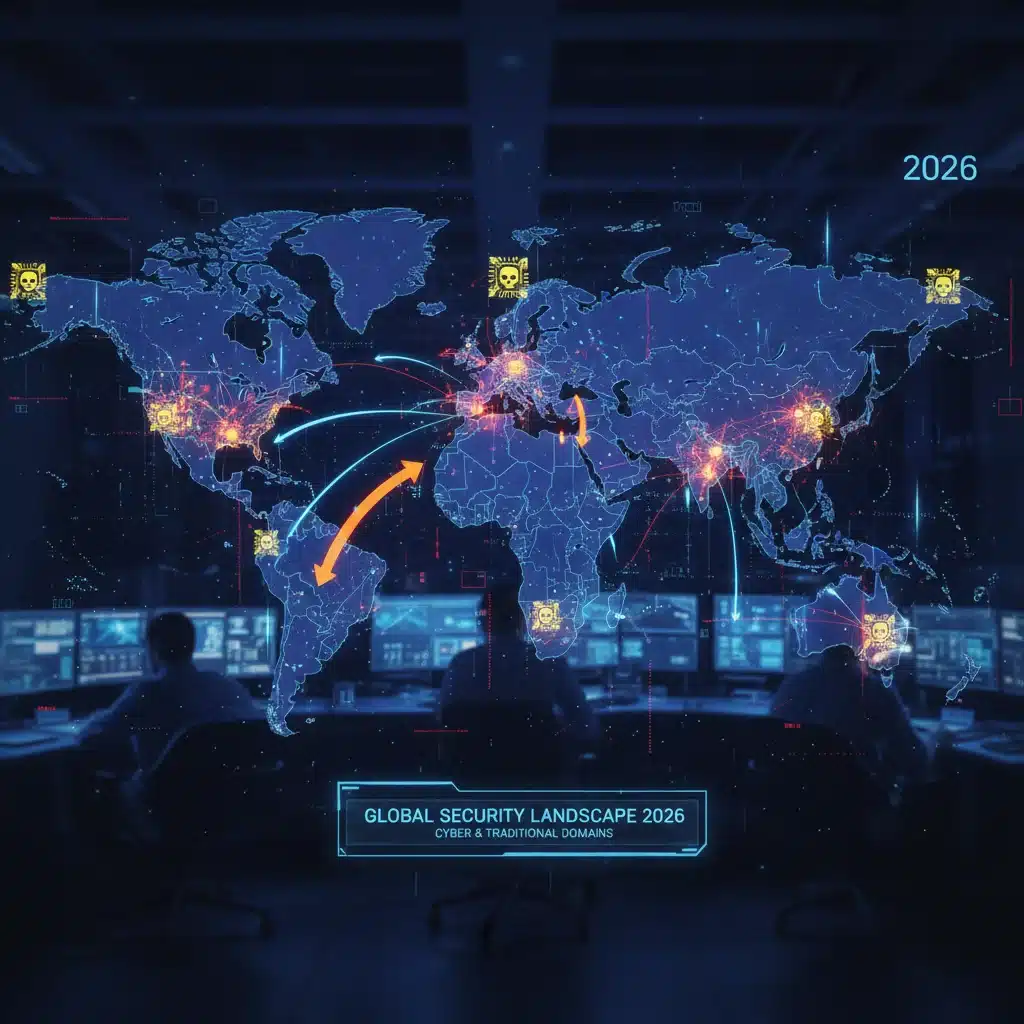
The digital domain has emerged as a critical battleground, with cybersecurity and information warfare posing existential threats to national security. State-sponsored cyberattacks targeting critical infrastructure, democratic processes, and intellectual property are becoming more sophisticated and frequent. The weaponization of information through disinformation campaigns and propaganda seeks to sow discord, erode trust, and undermine democratic institutions. In 2026, the line between conventional warfare and cyber warfare continues to blur, demanding robust defensive and offensive cyber capabilities.
Protecting critical infrastructure, securing supply chains, and developing international norms for responsible state behavior in cyberspace are paramount. The U.S. faces the challenge of deterring cyber adversaries while also building resilience within its own networks and those of its allies. The implications of these digital threats extend to every aspect of national security, making them a central component of geopolitical developments 2026.
Technological Race: AI, Quantum Computing, and Biotechnology
The race for technological supremacy is a defining characteristic of the 21st century. Artificial intelligence (AI), quantum computing, biotechnology, and advanced materials are not only transforming industries but also revolutionizing military capabilities and intelligence gathering. Nations that lead in these fields will gain significant strategic advantages. The U.S. is striving to maintain its technological edge, but faces intense competition from rivals, particularly China, which has made massive investments in these areas.
The ethical implications, regulatory challenges, and potential for misuse of these technologies are also significant concerns. Ensuring responsible development and deployment, while also preventing adversaries from weaponizing these advancements, is a delicate balancing act. The strategic imperative to innovate and secure technological leadership will profoundly influence geopolitical developments 2026 and beyond.
Climate Change and Resource Scarcity
Climate change is no longer merely an environmental issue; it is a profound national security threat. Rising sea levels, extreme weather events, desertification, and resource scarcity are driving migration, exacerbating existing conflicts, and creating new humanitarian crises. The competition for dwindling resources, particularly water and arable land, can fuel interstate tensions and internal instability. In 2026, the impacts of climate change are becoming increasingly evident, demanding a comprehensive and integrated response.
The U.S. recognizes the need to address climate change as a critical component of its national security strategy, investing in resilience, adaptation, and international cooperation to mitigate its effects. The nexus between climate change, resource scarcity, and human security will continue to shape global stability, making it an unavoidable factor in understanding geopolitical developments 2026.
Economic Interdependence and Supply Chain Vulnerabilities
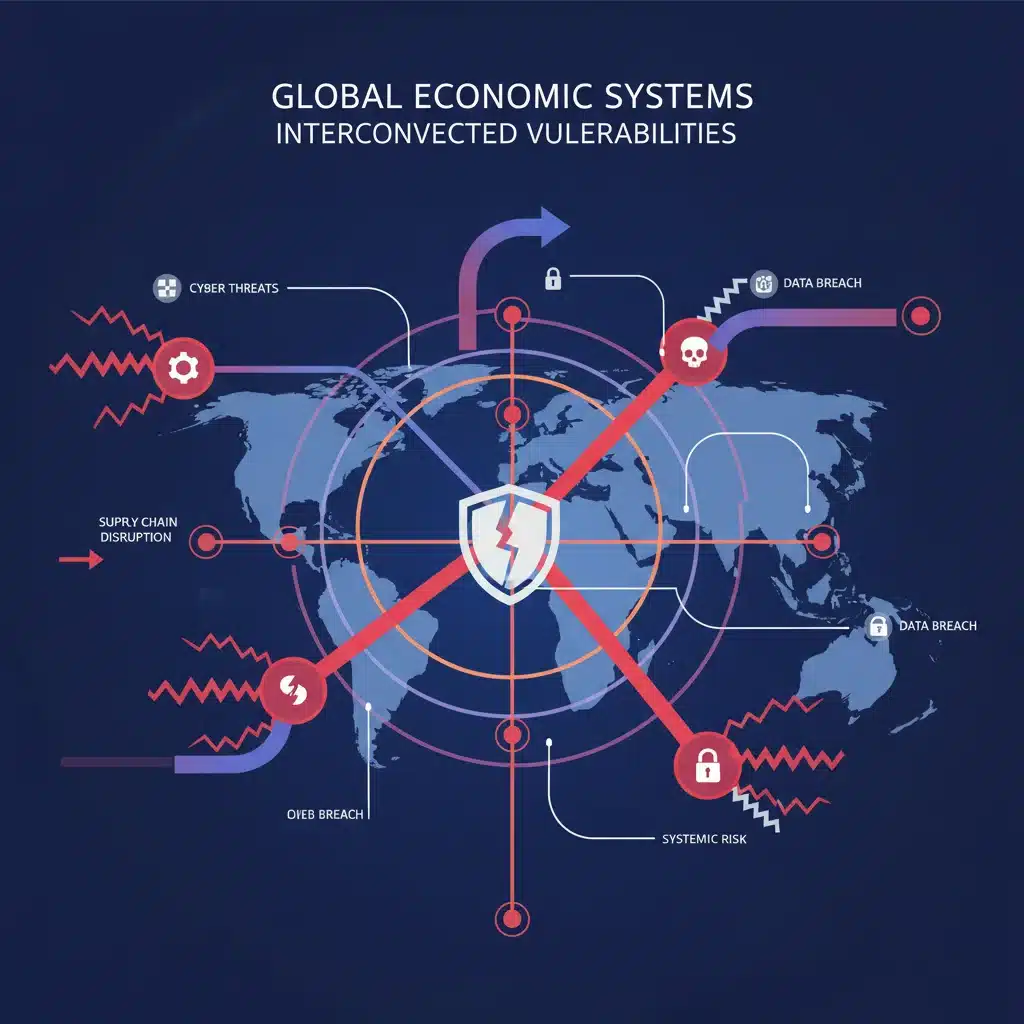
The global economy is characterized by deep interdependence, but this interconnectedness also creates vulnerabilities. Disruptions to critical supply chains, whether due to natural disasters, geopolitical tensions, or cyberattacks, can have cascading effects on national economies and security. The U.S. has learned critical lessons from recent supply chain shocks, particularly in semiconductors, rare earth minerals, and essential medical supplies.
Efforts to reshore production, diversify supply sources, and build strategic reserves are underway. However, decoupling entirely from global supply chains is neither feasible nor desirable. The challenge lies in strategically de-risking dependencies while maintaining the benefits of global trade. Economic statecraft, including sanctions, trade agreements, and investment screening, remains a powerful tool in shaping geopolitical developments 2026. Ensuring economic security is inextricably linked to national security.
U.S. Strategic Responses and Policy Implications
In response to these multifaceted geopolitical developments 2026, the United States is pursuing a comprehensive strategic framework centered on several key pillars:
- Strengthening Alliances and Partnerships: Reinvigorating existing alliances (NATO, Indo-Pacific alliances) and forging new partnerships (Quad, AUKUS) are crucial for burden-sharing and collective security. Multilateral cooperation remains essential for addressing transnational threats.
- Investing in Defense Modernization: Maintaining a technological and military edge over adversaries requires sustained investment in research, development, and procurement of next-generation capabilities, including AI-driven systems, hypersonic weapons, and advanced cybersecurity tools.
- Economic Resilience and Competitiveness: Policies aimed at strengthening domestic industrial bases, securing critical supply chains, and promoting innovation are vital. Economic statecraft, including strategic trade policies and investment initiatives, will be used to counter coercive economic practices.
- Diplomacy and Engagement: While competition is a defining feature, diplomatic channels and engagement with adversaries and partners alike remain critical for de-escalation, conflict resolution, and addressing shared global challenges.
- Promoting Democratic Values: Upholding and promoting democratic values, human rights, and the rule of law globally is not just an ideological imperative but also a strategic one, as stable democracies tend to be more reliable partners and less prone to internal conflict.
- Holistic Approach to Security: Recognizing the interconnectedness of traditional security, economic security, technological security, and environmental security, the U.S. is adopting a more integrated approach to national security strategy.
The effectiveness of these responses will determine the U.S.’s ability to navigate the complex and often turbulent waters of geopolitical developments 2026. Adaptability, foresight, and a willingness to innovate will be paramount.
Conclusion: A Dynamic and Challenging Future
The global strategic environment in 2026 is characterized by unprecedented dynamism and complexity. The resurgence of great power competition, persistent regional conflicts, and the accelerating pace of transnational threats — from cyber warfare to climate change — collectively present a formidable challenge to U.S. national security interests. The ability of the United States to effectively respond to these geopolitical developments 2026 will hinge on its capacity to leverage its alliances, maintain technological superiority, foster economic resilience, and exercise astute diplomacy.
The stakes are incredibly high. The trajectory of global power, the future of democratic governance, and the stability of the international system all hang in the balance. This briefing underscores the necessity for continuous vigilance, strategic foresight, and a unified national effort to protect and advance American interests in an increasingly interconnected and unpredictable world. The coming years will undoubtedly test the resolve and adaptability of U.S. foreign policy and defense establishments, demanding innovative solutions and unwavering commitment to a secure and prosperous future.
Author