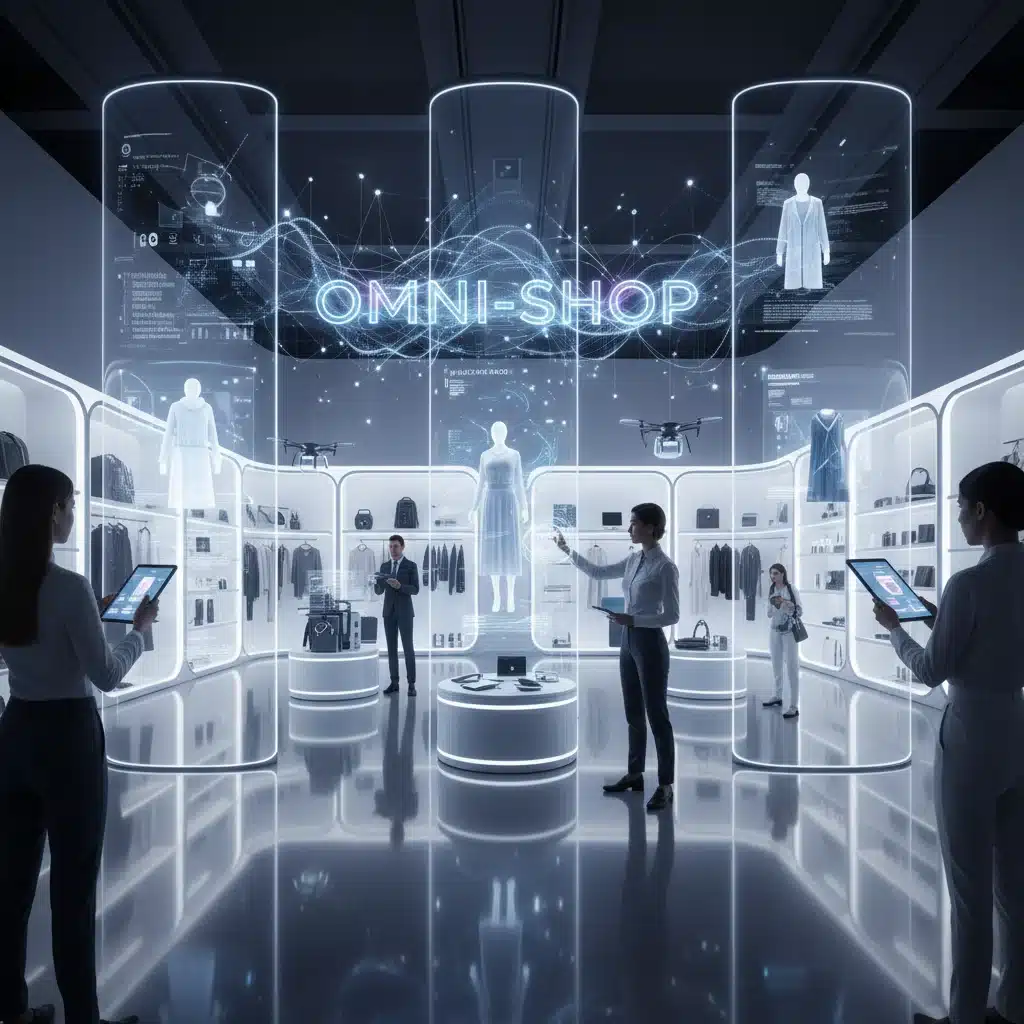
The retail landscape is in a constant state of evolution, driven by technological advancements and shifting consumer behaviors. As we look towards 2026, the concept of the hybrid shopping experience is no longer a futuristic vision but a tangible reality that businesses must embrace to thrive. This article will delve deep into what the hybrid shopping experience entails, offering practical solutions for bridging the gap between online and in-store preferences, ultimately creating a more cohesive, engaging, and profitable customer journey.
For decades, the retail world was neatly divided: brick-and-mortar stores or online shopping. Consumers chose one or the other, often based on convenience, price, or product availability. However, the modern shopper is far more dynamic. They expect the flexibility to browse online, try on in-store, purchase digitally, return physically, and receive personalized recommendations regardless of the channel. This interconnected approach defines the hybrid shopping experience.
Understanding this fundamental shift is the first step. The goal is not to force customers into a single channel but to empower them to move seamlessly between channels, leveraging the unique strengths of each. Businesses that fail to adapt risk alienating a significant portion of their customer base, who now demand this level of fluidity and integration.
Anúncios
Defining the 2026 Hybrid Shopping Experience
The hybrid shopping experience in 2026 is characterized by its fluidity, personalization, and integration. It’s about creating a single, unified brand experience that transcends the traditional boundaries of online and offline retail. Imagine a customer browsing a product online, checking its availability at a local store, reserving it for pickup, trying it on, and then making the purchase via their smartphone without ever needing to interact with a checkout counter. This is the essence of hybrid retail.
Key pillars of this experience include:
- Seamless Transition: Customers should be able to start their journey in one channel and continue it in another without interruption or loss of information.
- Personalization: Data gathered from all touchpoints (online and in-store) should inform personalized recommendations, offers, and interactions.
- Convenience: Offering multiple options for browsing, purchasing, delivery, and returns to suit individual preferences.
- Engagement: Creating immersive and interactive experiences in both digital and physical spaces.
- Data Unification: A single view of the customer, regardless of where they interact with the brand.
The challenge for retailers lies in orchestrating these elements into a harmonious whole. It requires not just technological investment but also a fundamental shift in strategy and organizational structure.
Anúncios
Why Embrace the Hybrid Model Now?
The reasons for adopting a robust hybrid shopping experience are multifaceted and compelling. Consumer expectations have been irrevocably altered by the convenience of e-commerce, but the desire for physical interaction remains strong. The pandemic accelerated many digital trends, but it also highlighted the irreplaceable value of brick-and-mortar stores for discovery, sensory engagement, and immediate gratification.
Meeting Evolving Customer Expectations
Today’s customers expect flexibility. They might research a high-value item online, read reviews, compare prices, and then visit a physical store to see and feel the product before making a final decision. Conversely, they might discover a product in-store but prefer the convenience of having it delivered to their home. A truly hybrid model caters to these diverse preferences, ensuring that every touchpoint adds value to their journey. Failing to offer this flexibility can lead to frustration and, ultimately, lost sales. The hybrid shopping experience isn’t just a trend; it’s a new baseline for customer service.
Competitive Advantage
In a crowded marketplace, differentiation is key. Retailers who master the hybrid shopping experience will stand out from competitors who remain siloed in their online or offline approaches. By offering a superior, integrated journey, businesses can attract and retain more customers, fostering greater loyalty and advocacy. This competitive edge is crucial for long-term survival and growth in the dynamic retail sector.
Enhanced Data Collection and Personalization
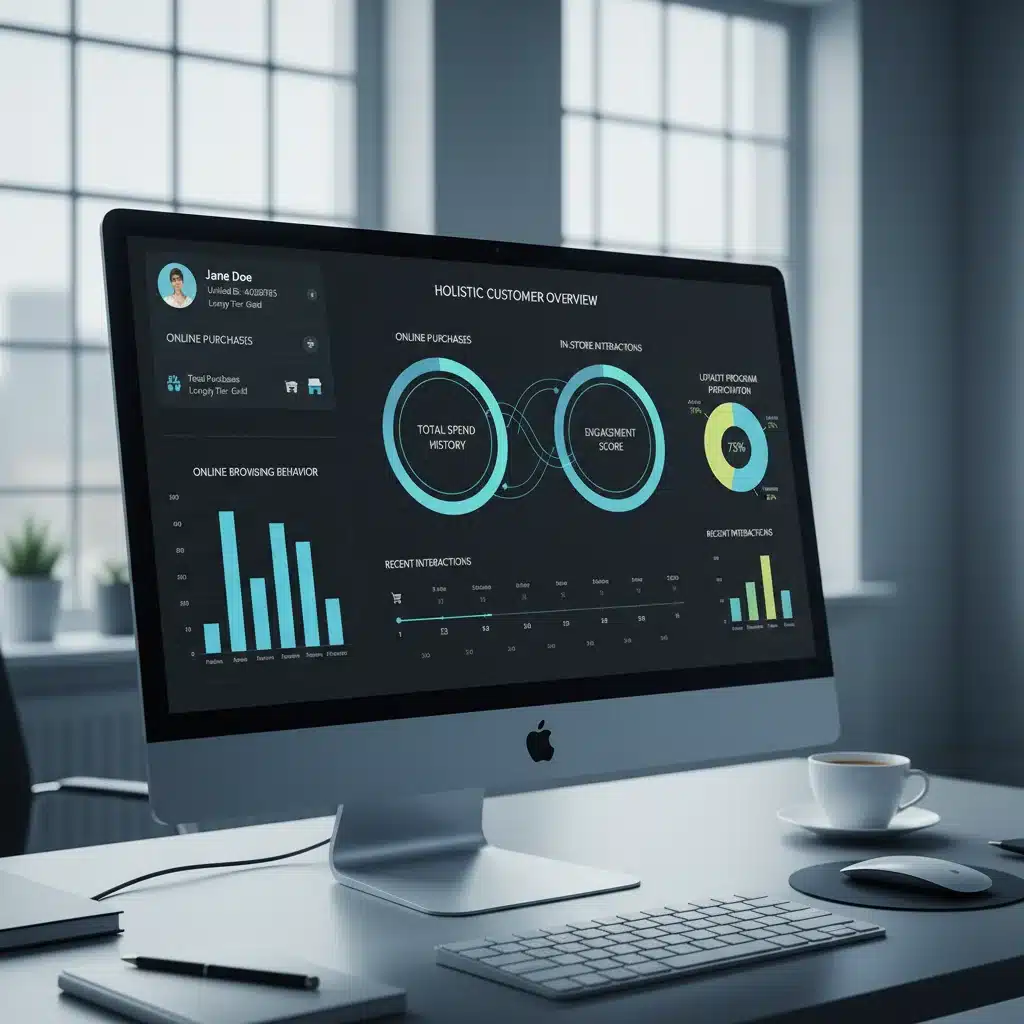
One of the most significant advantages of a hybrid model is the ability to collect richer, more comprehensive customer data. By tracking interactions across both online and offline channels, businesses can gain a 360-degree view of their customers’ behaviors, preferences, and purchase history. This unified data allows for more accurate segmentation, highly personalized marketing campaigns, and tailored product recommendations, significantly improving conversion rates and customer satisfaction within the hybrid shopping experience.
Optimized Inventory Management
Integrating online and in-store inventory systems is a cornerstone of the hybrid shopping experience. This allows for real-time visibility of stock across all locations, enabling services like ‘buy online, pick up in-store’ (BOPIS), ‘ship from store,’ and efficient returns processing. Optimized inventory reduces waste, minimizes stockouts, and enhances the overall operational efficiency, directly benefiting the customer experience.
Practical Solutions for Bridging the Gap
Implementing a successful hybrid shopping experience requires a strategic approach and investment in the right technologies and processes. Here are practical solutions that retailers can adopt:
1. Unified E-commerce Platform and POS System
The foundation of any successful hybrid strategy is a robust, integrated technology stack. Your e-commerce platform and Point-of-Sale (POS) system must communicate seamlessly. This integration ensures that inventory levels are always accurate across all channels, customer profiles are updated in real-time, and promotions are consistent whether a customer is shopping online or in-store. This is paramount for a smooth hybrid shopping experience.
- Real-time Inventory Sync: Essential for BOPIS and ship-from-store capabilities.
- Centralized Customer Profiles: Allows sales associates to access online purchase history and preferences, and vice versa.
- Consistent Pricing and Promotions: Eliminates confusion and builds trust.
2. Enhance In-Store Digital Integration
Brick-and-mortar stores are no longer just places to transact; they are experience centers. Integrating digital elements into the physical space can significantly enhance the hybrid shopping experience.
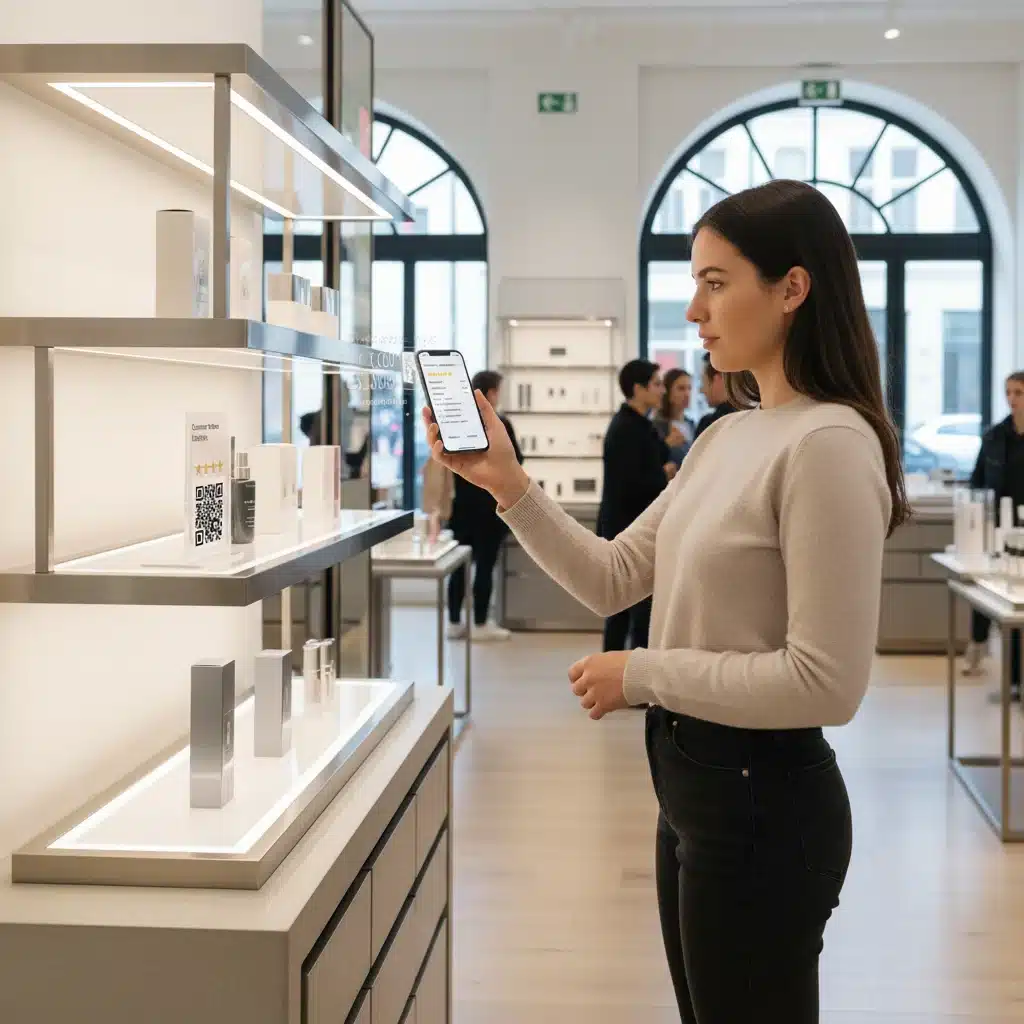
- Interactive Displays and Kiosks: Allow customers to browse extended product catalogs, check stock, read reviews, and even order items not available in-store.
- QR Codes and NFC Tags: Enable customers to scan products for more information, watch product videos, or add items to an online wish list directly from the store.
- Augmented Reality (AR) Experiences: Let customers virtually try on clothes, visualize furniture in their homes, or interact with products in new ways within the store environment.
- Smart Mirrors: Offer virtual try-ons, suggest complementary items, and allow customers to request different sizes or colors directly to the fitting room.
3. Optimize Online-to-Offline (O2O) and Offline-to-Online (O2O) Journeys
Focus on facilitating smooth transitions in both directions. This is the core of the hybrid shopping experience.
- Click & Collect (BOPIS): Allow customers to purchase online and pick up in-store, often within a few hours. This combines the convenience of online shopping with the immediacy of physical retail.
- Ship from Store: Turn your physical stores into mini-distribution centers, fulfilling online orders from local stock to speed up delivery and reduce shipping costs.
- In-Store Returns for Online Purchases: Simplify the returns process by allowing customers to return online orders at any physical store location.
- Endless Aisle: If a product is out of stock in-store, sales associates can easily order it for the customer online, either for home delivery or store pickup.
4. Personalization Across All Channels
Leverage data to create a consistent and personalized experience. This is where the unified customer profile truly shines in the hybrid shopping experience.
- Personalized Recommendations: Based on online browsing history and in-store purchases, offer relevant product suggestions via email, app notifications, or in-store associate interactions.
- Targeted Promotions: Deliver offers that are specific to a customer’s preferences and past behavior, regardless of the channel they are currently using.
- Loyalty Programs: Ensure loyalty points and rewards are earned and redeemable across all touchpoints, reinforcing the unified brand experience.
- Assisted Shopping: Empower sales associates with access to customer profiles, allowing them to provide tailored advice and recommendations in-store.
5. Empower Store Associates with Technology
Your store staff are crucial ambassadors of the hybrid shopping experience. Equip them with the tools they need to succeed.
- Mobile POS Devices: Allow associates to process transactions, check inventory, and access customer information from anywhere on the sales floor.
- Clienteling Tools: Provide associates with detailed customer profiles, including online browsing history, wish lists, and previous purchases, to offer truly personalized service.
- Training: Ensure staff are fully trained on all new technologies and understand how to guide customers through the hybrid journey.
6. Leverage Experiential Retail
Physical stores offer unique opportunities for experiential engagement that online channels cannot replicate. Integrate these experiences into your hybrid shopping experience.
- Workshops and Classes: Host events related to your products, fostering community and brand loyalty.
- Product Demonstrations: Allow customers to interact with products in a hands-on way.
- Cafes or Lounges: Create inviting spaces where customers can relax and spend more time in your store.
- Pop-up Shops and Events: Use temporary physical spaces to create buzz and introduce new products, driving traffic to both online and permanent stores.
Measuring Success in the Hybrid Model
To ensure your hybrid shopping experience is effective, it’s vital to establish clear metrics for success. Traditional KPIs (Key Performance Indicators) for online and offline retail often operate in silos. In a hybrid model, you need a more integrated approach to measurement.
Key Hybrid Retail Metrics:
- Omnichannel Customer Lifetime Value (CLTV): This metric considers all purchases made by a customer across all channels, giving a more accurate picture of their total value to your business. Customers who engage with multiple channels often have a higher CLTV.
- Cross-Channel Conversion Rates: Track how many customers start their journey in one channel and complete it in another (e.g., browse online, buy in-store; see in-store, buy online). This indicates the effectiveness of your O2O and O2O strategies.
- BOPIS/Click & Collect Adoption Rate: The percentage of online orders fulfilled via in-store pickup. A high adoption rate suggests convenience and efficiency.
- Store-Influenced Online Sales: Measure how often a store visit (even without a purchase) leads to a subsequent online purchase. This highlights the halo effect of physical presence.
- Online-Influenced In-Store Sales: Conversely, track how many in-store purchases are preceded by online research or browsing.
- Customer Engagement Across Channels: Monitor interactions like app usage in-store, QR code scans, loyalty program participation, and social media engagement related to both online and physical stores.
- Return Rate by Channel: Analyze if allowing in-store returns for online purchases impacts overall return rates and customer satisfaction.
- Net Promoter Score (NPS) and Customer Satisfaction (CSAT): Gather feedback specifically related to the seamlessness and convenience of the hybrid journey.
By regularly analyzing these metrics, retailers can identify areas for improvement, optimize their strategies, and continuously refine their hybrid shopping experience to meet evolving customer demands.
Challenges and Considerations
While the benefits of the hybrid shopping experience are clear, implementing it is not without its challenges. Retailers need to be aware of potential hurdles and plan accordingly.
Technological Integration Complexities
Integrating disparate systems (e-commerce, POS, CRM, inventory management) can be complex and costly. Legacy systems may not be compatible, requiring significant upgrades or replacements. It’s crucial to choose flexible, scalable platforms that can evolve with your business. The goal is to avoid creating new data silos instead of breaking down old ones.
Data Privacy and Security
Collecting and unifying extensive customer data across channels raises significant data privacy and security concerns. Retailers must comply with regulations like GDPR and CCPA and ensure robust security measures are in place to protect customer information. Transparency with customers about data usage is also vital for building trust within the hybrid shopping experience.
Training and Cultural Shift
Implementing a hybrid model requires a cultural shift within the organization. Store associates need to be trained not just on new technologies but also on how to think omnichannel. Their role expands beyond just processing transactions to becoming brand ambassadors who can guide customers through complex hybrid journeys. Compensation structures may also need to be reviewed to incentivize cross-channel performance.
Consistency Across Channels
Maintaining a consistent brand message, pricing, product information, and customer service level across all touchpoints is crucial. Any inconsistencies can erode trust and detract from the seamlessness of the hybrid shopping experience. This requires strong internal communication and standardized processes.
Scalability
As your business grows, your hybrid solutions must be able to scale. This includes handling increased online traffic, more in-store pickups, and a larger volume of data. Planning for scalability from the outset can prevent costly reworks down the line.
The Future is Hybrid: Embracing Innovation
Looking ahead to 2026 and beyond, the hybrid shopping experience will continue to evolve, driven by advancements in AI, machine learning, and immersive technologies. We can anticipate even more sophisticated personalization, predictive analytics guiding customer journeys, and highly interactive physical spaces that blur the lines between retail and entertainment.
Consider the potential of AI-powered virtual assistants that can guide customers through both online and in-store navigation, offering real-time advice and product comparisons. Imagine stores that dynamically reconfigure their layouts based on real-time foot traffic and customer preferences, or smart shelves that automatically reorder stock and provide digital product information as customers approach.
The retailers who will lead the market in 2026 are those who view technology not as a threat to physical retail, but as a powerful tool to enhance it. They will be the ones who understand that the customer is at the center of the universe, and every channel, every touchpoint, must be designed to serve their evolving needs and preferences.
Conclusion
The hybrid shopping experience is the undeniable future of retail. It’s about empowering consumers with choice, convenience, and personalization, bridging the best of both the digital and physical worlds. For businesses, it represents an opportunity to deepen customer relationships, enhance operational efficiency, and gain a significant competitive advantage.
While the journey to a fully integrated hybrid model may present challenges, the practical solutions outlined — from unified platforms and enhanced in-store digital integration to personalized experiences and empowered associates — provide a clear roadmap. By embracing these strategies, retailers can confidently navigate the complexities of the modern consumer landscape and build a resilient, customer-centric business ready for 2026 and beyond. The time to invest in a seamless, integrated hybrid shopping experience is now, ensuring your brand remains relevant, engaging, and indispensable to the modern shopper.