Decoding the 2026 Green Consumer: 5 Key Factors Driving Sustainable Purchases
The landscape of consumer behavior is continuously evolving, but few shifts are as profound and impactful as the rise of the green consumer factors. As we approach 2026, understanding the motivations and priorities of this increasingly influential demographic is not just beneficial for businesses; it’s becoming an imperative for survival and growth. The green consumer, once a niche market, is now a powerful force shaping industries, demanding transparency, ethical practices, and genuine commitment to environmental stewardship. This comprehensive guide will delve into the five critical factors that are driving sustainable purchase decisions in 2026, offering insights for businesses to not only adapt but thrive in this eco-conscious era.
The journey towards a more sustainable global economy is accelerating, fueled by a growing awareness of climate change, resource depletion, and social inequality. Consumers are no longer content with mere lip service; they are actively seeking out brands that align with their values. This article aims to dissect the core elements that define the 2026 green consumer, providing a roadmap for businesses to effectively engage with and cater to this vital market segment. From technological advancements to shifting societal norms, we will explore the intricate web of influences that contribute to sustainable choices.
Anúncios
The Ascendancy of Environmental Consciousness: A Global Phenomenon
Before diving into the specific green consumer factors, it’s crucial to acknowledge the overarching trend: environmental consciousness has moved from the periphery to the mainstream. Global events, scientific reports, and increased media coverage have elevated environmental concerns to a top priority for many individuals. This heightened awareness translates directly into purchasing decisions. Consumers are more informed than ever about the ecological footprint of products and services, and they are using this knowledge to make choices that reflect their desire for a healthier planet.
This isn’t just about avoiding harm; it’s about actively contributing to positive change. The 2026 green consumer isn’t just looking for ‘less bad’ options; they are seeking ‘more good’ solutions. This proactive stance is driving innovation and challenging traditional business models. Companies that fail to recognize and respond to this fundamental shift risk being left behind. The pressure comes not only from individual consumers but also from regulatory bodies, investors, and even employees who demand greater corporate responsibility.
Anúncios
The influence of social media and digital platforms has amplified this trend. Information about a company’s environmental record, supply chain practices, and ethical standards can spread rapidly, for better or worse. This transparency forces brands to be accountable in ways they never were before. Consumers can easily compare products, share experiences, and collectively exert pressure on businesses to adopt more sustainable practices. This collective power is one of the most significant drivers behind the evolving profile of the green consumer.
Factor 1: Transparent and Ethical Supply Chains
One of the most critical green consumer factors in 2026 is the demand for transparent and ethical supply chains. Consumers are no longer satisfied with simply knowing a product is ‘eco-friendly’; they want to understand its entire journey from raw material to their doorstep. This includes knowing where materials are sourced, how workers are treated, the environmental impact of manufacturing processes, and the carbon footprint of transportation.
Blockchain technology, advanced tracking systems, and digital storytelling are enabling brands to provide this level of detail. Companies that can clearly demonstrate their commitment to fair labor practices, sustainable sourcing, and responsible manufacturing gain a significant competitive advantage. Conversely, those that are opaque or found to have questionable practices risk severe reputational damage and consumer backlash. The modern green consumer is a savvy investigator, and they will seek out brands that offer full visibility.
Ethical considerations extend beyond environmental impact to social responsibility. Consumers want to ensure that products are not made using forced labor, that workers are paid fair wages, and that communities are not negatively impacted by production. This holistic view of ethics is integral to the purchasing decisions of the 2026 green consumer. Brands that can tell a compelling story of their ethical journey, backed by verifiable data, will resonate deeply with this market segment.
For businesses, this means investing in robust supply chain management, partnering with ethical suppliers, and being prepared to openly share information about their processes. Certifications from reputable third-party organizations can also play a crucial role in building trust and validating claims of sustainability and ethical conduct. Without this foundational transparency, other sustainability efforts may be viewed with skepticism by the discerning green consumer.
Factor 2: Product Longevity and Circularity
The days of disposable culture are gradually fading, replaced by a growing appreciation for product longevity and circularity. The 2026 green consumer is increasingly prioritizing products designed for durability, repairability, and eventual recycling or repurposing. This shift is driven by a desire to reduce waste, conserve resources, and minimize the environmental impact associated with constant consumption and disposal.
Businesses are responding by adopting principles of the circular economy. This involves designing products with their end-of-life in mind, using materials that can be easily recycled or composted, and offering repair services or take-back programs. The concept of ‘product as a service’ is also gaining traction, where consumers lease products rather than owning them, with the manufacturer responsible for maintenance and end-of-life management.
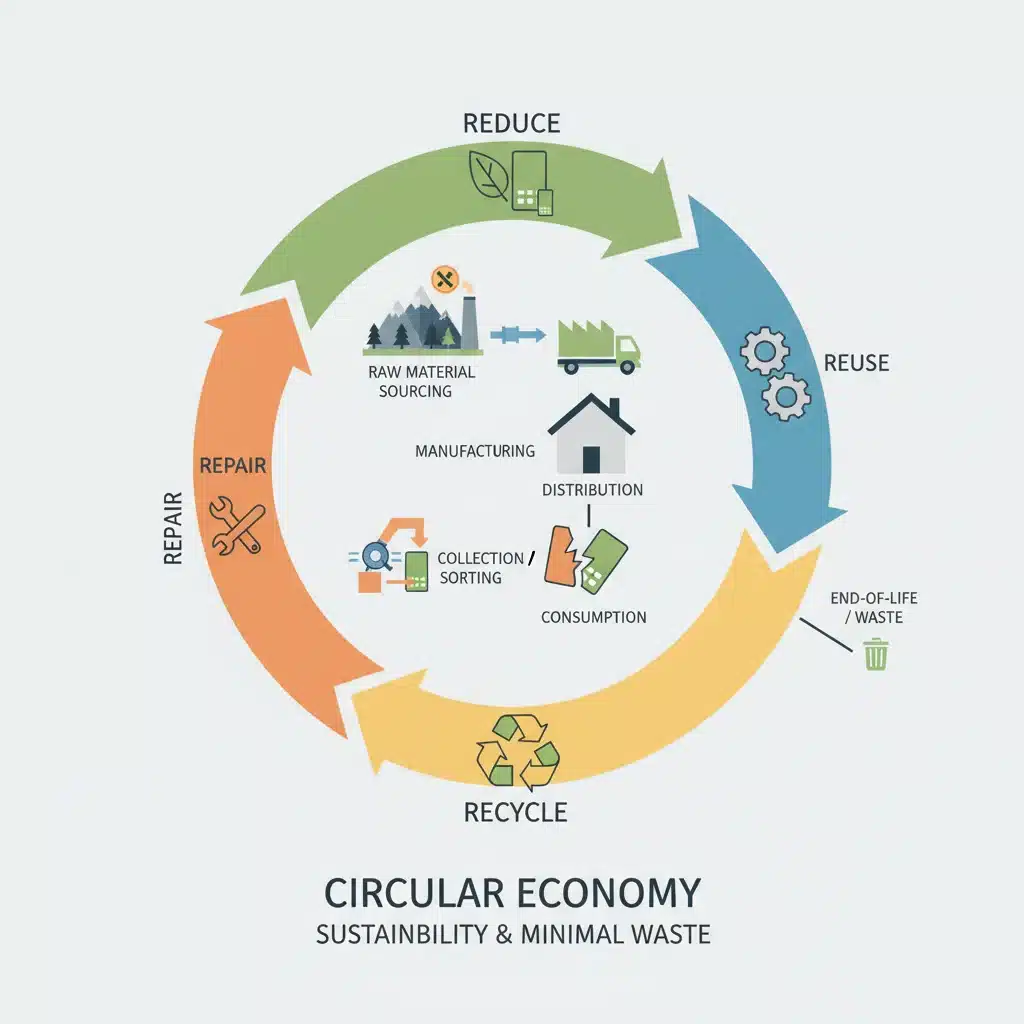
This focus on longevity and circularity represents a fundamental departure from the linear ‘take-make-dispose’ model. Consumers are looking for brands that offer extended warranties, readily available spare parts, and clear instructions on how to maintain and repair products. They are also willing to invest in higher-quality items if they know those items will last longer and have a lower overall environmental footprint.
Consider the impact on various industries: fashion brands are exploring rental models and designing garments for repair; electronics companies are focusing on modular designs and easier access to components; and furniture manufacturers are using durable, sustainably sourced materials and offering refurbishment services. These innovations are not just about being green; they are about creating new value propositions that appeal to the evolving preferences of the green consumer factors.
Moreover, the resale market for used goods is booming, driven by consumers who see value in extending a product’s life and reducing their environmental impact. Brands that facilitate or integrate with these secondary markets further enhance their appeal to the eco-conscious buyer. The notion of a product’s ‘lifecycle’ is becoming a central metric in purchase decisions, and businesses must adapt their design, manufacturing, and business models accordingly.
Factor 3: Personal Health and Well-being Connection
While environmental concerns are paramount, the 2026 green consumer also deeply connects sustainability with personal health and well-being. There’s a growing understanding that the health of the planet is intrinsically linked to individual health. This means a preference for products free from harmful chemicals, artificial additives, and known allergens, particularly in food, personal care, and home goods categories.
Consumers are actively seeking out organic, natural, and non-toxic options, driven by a desire to protect themselves and their families from potential health risks. This factor fuels the demand for clean labels, clear ingredient lists, and certifications that guarantee the absence of undesirable substances. The ‘wellness’ movement has converged with the ‘green’ movement, creating a powerful synergy that influences purchasing patterns across a wide range of categories.
For example, the demand for plant-based foods is not solely driven by ethical considerations for animals or environmental impact, but also by perceived health benefits. Similarly, consumers are scrutinizing the ingredients in their cosmetics and cleaning products, opting for formulations that are biodegradable and free from harsh chemicals that could affect indoor air quality or skin health. This holistic view of well-being is a significant driver among the green consumer factors.
Brands that can clearly communicate the health benefits of their sustainable products, backed by scientific evidence and transparent ingredient sourcing, will gain trust and loyalty. This involves not just marketing claims but a genuine commitment to product safety and consumer welfare. Education plays a key role here; empowering consumers with knowledge about ingredients and their effects can further solidify brand preference. The connection between what we consume, how it’s produced, and its impact on our bodies and the environment is becoming an undeniable force in the marketplace.
Factor 4: Digital Engagement and Information Accessibility
The digital age has fundamentally transformed how consumers access information and engage with brands. For the 2026 green consumer, digital platforms are indispensable tools for researching products, verifying claims, and sharing experiences. This factor emphasizes the need for businesses to have a strong, transparent, and educational online presence regarding their sustainability efforts.
Consumers are utilizing apps, websites, social media, and online communities to delve into product details, read reviews, and compare environmental performance. They expect brands to provide easily accessible information about their sourcing, manufacturing processes, certifications, and carbon footprint. Interactive tools, explainer videos, and detailed FAQs can significantly enhance a brand’s appeal to this digitally-native green consumer.
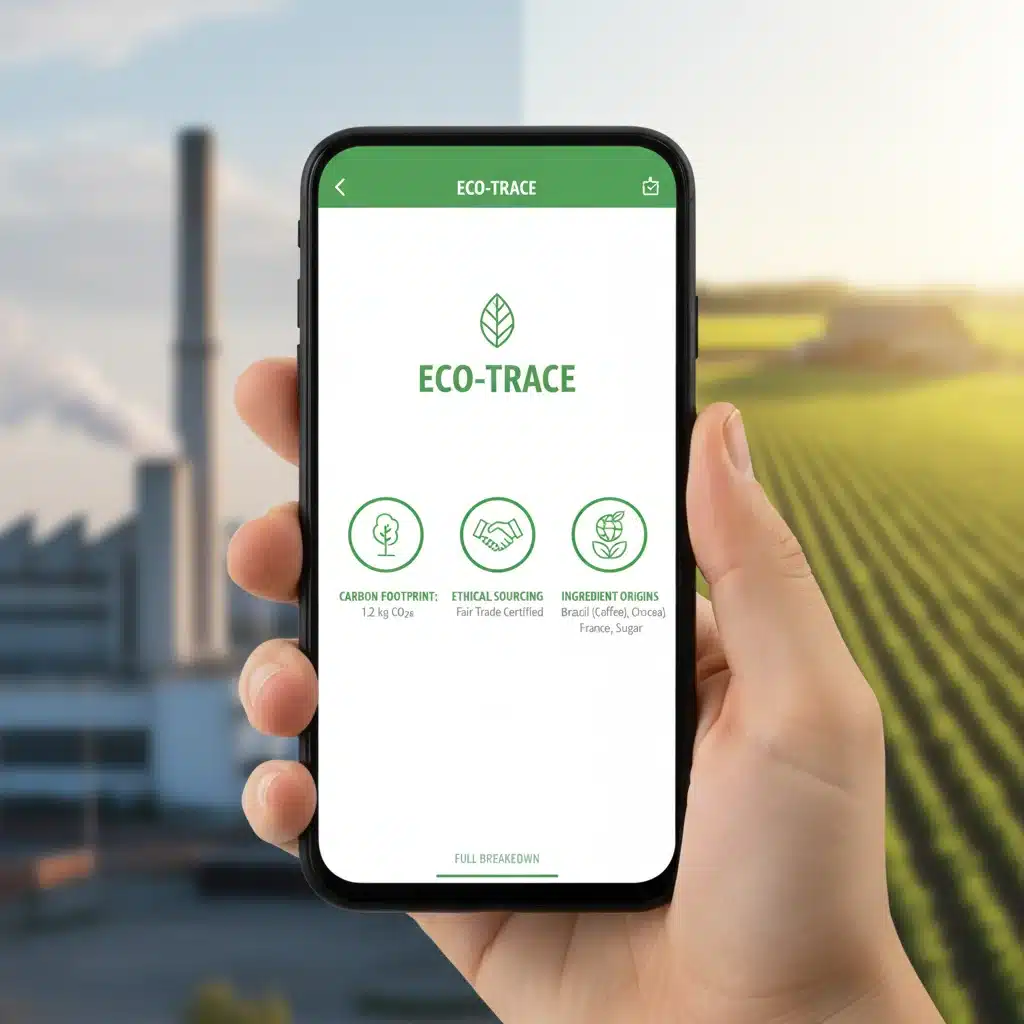
Furthermore, digital engagement goes beyond passive information consumption. Green consumers are active participants, sharing their views, advocating for change, and holding brands accountable. Social media campaigns, online petitions, and influencer collaborations focused on sustainability can amplify a brand’s message or, conversely, expose greenwashing attempts. This means businesses must not only be sustainable but also be perceived as authentic in their efforts.
The rise of AI-powered assistants and personalized recommendation engines will further empower consumers to make informed choices based on their sustainability preferences. Brands that can integrate their environmental data into these platforms will have a distinct advantage. The ability to quickly and reliably access comprehensive information about a product’s environmental and social impact is a non-negotiable expectation for the 2026 green consumer. Businesses must invest in digital infrastructure that supports this level of transparency and engagement.
This also extends to online purchasing experiences. Sustainable packaging for e-commerce, carbon-neutral shipping options, and clear communication about delivery impacts are all aspects that the green consumer considers. The entire digital journey, from discovery to post-purchase, needs to reflect a brand’s commitment to sustainability to truly capture the attention and loyalty of this demographic.
Factor 5: Affordability and Value Perception
While green consumers are often willing to pay a premium for truly sustainable products, affordability and value perception remain critical green consumer factors. In 2026, the expectation is that sustainable options should not be prohibitively expensive or compromise on quality. As sustainable practices become more mainstream, economies of scale and technological advancements are making eco-friendly alternatives more accessible.
The perception of ‘value’ for the green consumer extends beyond the initial purchase price. It encompasses the longevity of the product (reducing replacement costs), energy efficiency (saving on utility bills), health benefits (reducing healthcare costs), and the overall positive impact on the environment and society. Brands that can articulate this broader value proposition will resonate more strongly.
For many consumers, the barrier to adopting sustainable lifestyles has historically been cost. However, as awareness grows and sustainable production methods become more efficient, this barrier is diminishing. Businesses that can innovate to bring down the cost of sustainable goods, without compromising on their environmental integrity, will unlock a much larger market segment. This might involve new materials, optimized manufacturing processes, or novel business models like subscription services for sustainable products.
Marketing sustainable products solely on their environmental credentials might not be enough. Brands also need to highlight the functional benefits, quality, and long-term savings. For instance, an energy-efficient appliance not only reduces carbon emissions but also lowers electricity bills. A durable piece of clothing might cost more upfront but saves money by lasting longer and requiring fewer replacements. Framing sustainability in terms of tangible benefits and overall value is key to converting a wider audience.
Furthermore, governmental incentives, subsidies for green technologies, and increased competition in the sustainable market are all contributing to making eco-friendly choices more affordable. Businesses that strategically leverage these developments and focus on creating genuinely valuable, sustainable products at competitive price points will be well-positioned to capture the growing green consumer market in 2026 and beyond.
Implications for Businesses: Adapting to the Green Consumer
Understanding these five green consumer factors is not merely an academic exercise; it’s a strategic imperative for businesses across all sectors. The shift towards sustainable consumption is not a fleeting trend but a fundamental recalibration of market values. Companies that proactively integrate these factors into their core strategies will be better positioned for long-term success, resilience, and positive brand perception.
Firstly, businesses must undergo a comprehensive audit of their operations, from supply chain to end-of-life management, to identify areas for improvement in sustainability and ethical practices. This isn’t just about compliance; it’s about genuine commitment. Greenwashing, or making unsubstantiated claims of environmental friendliness, is easily detected by the informed 2026 green consumer and can severely damage a brand’s reputation.
Secondly, innovation in product design and material science is crucial. Investing in research and development to create products that are more durable, repairable, recyclable, and made from sustainable resources will be a key differentiator. This extends to packaging as well, with a strong preference for minimal, reusable, or compostable materials.
Thirdly, transparency must become a cornerstone of brand communication. Businesses should be prepared to share detailed information about their environmental impact, ethical sourcing, and social responsibility initiatives. Utilizing digital tools to provide this information clearly and accessibly will build trust and foster loyalty among green consumers.
Fourthly, education and empowerment of consumers are vital. Helping consumers understand the full lifecycle impact of products, the benefits of sustainable choices, and how to properly dispose of or recycle items will strengthen their connection to green brands. This can be achieved through informative content, clear labeling, and interactive digital experiences.
Finally, businesses must recognize that sustainability can also drive efficiency and cost savings in the long run. Reducing waste, optimizing energy consumption, and engaging in circular economy practices can lead to operational benefits that enhance profitability while simultaneously appealing to the green consumer’s demand for affordability and value. The intersection of sustainability and profitability is where true competitive advantage lies in the coming years.
The Future is Green: Embracing Sustainable Business Models
The 2026 green consumer is not an anomaly; they represent the future of consumption. Their purchasing decisions are driven by a complex interplay of environmental consciousness, ethical considerations, personal well-being, digital access to information, and a desire for genuine value. For businesses, this means moving beyond incremental changes and embracing wholesale transformations in how products are designed, manufactured, marketed, and consumed.
Companies that view sustainability as an opportunity rather than a burden will be the ones that thrive. This involves fostering a culture of innovation, prioritizing long-term value over short-term gains, and genuinely listening to the evolving demands of the market. The brands that successfully navigate these green consumer factors will not only contribute to a more sustainable world but will also build stronger, more resilient, and more respected businesses.
The journey towards a fully sustainable economy is ongoing, but the direction is clear. By understanding and actively responding to the motivations of the green consumer, businesses can play a pivotal role in shaping a future that is both prosperous and environmentally responsible. The time to act is now, to innovate, to be transparent, and to truly integrate sustainability into the very fabric of business operations. The rewards, both for the planet and for profit, are substantial.