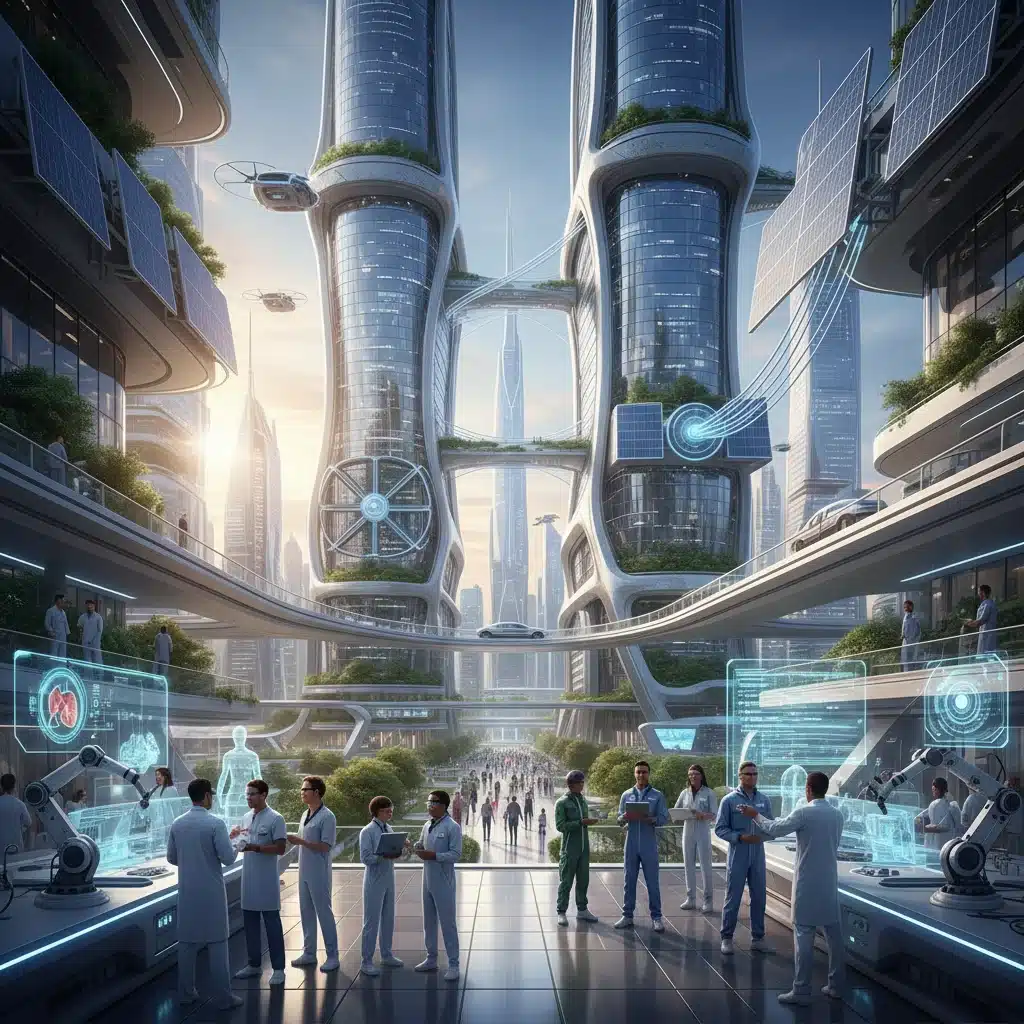
The Future of Work: A Look at the 15 Fastest-Growing Job Sectors in the US for 2026 and Beyond
The landscape of work is constantly evolving, shaped by technological advancements, demographic shifts, and global economic forces. Understanding where the job market is headed is crucial for students, job seekers, and professionals looking to future-proof their careers. As we look towards 2026 and beyond, certain sectors are poised for unprecedented growth, offering a wealth of opportunities for those with the right skills and foresight. This comprehensive guide delves into the future job sectors that are projected to expand most rapidly in the United States, providing insights into why they are growing and what it takes to succeed within them.
The Bureau of Labor Statistics (BLS) provides invaluable data and projections that help us anticipate these changes. Their analyses highlight how innovation, an aging population, and a growing emphasis on sustainability are driving demand in specific industries. By exploring these trends, we can better prepare for the jobs of tomorrow and make informed decisions about education, training, and career paths. Whether you’re considering a career change, entering the workforce, or simply curious about economic shifts, this article will serve as your essential roadmap to the burgeoning opportunities in the US job market.
Anúncios
Understanding the Driving Forces Behind Job Growth
Before diving into the specific sectors, it’s important to understand the underlying factors contributing to their projected growth. These forces are interconnected and often amplify each other, creating a dynamic environment for the future job sectors. Key drivers include:
- Technological Advancements: Automation, artificial intelligence (AI), machine learning, big data, and cloud computing are not just buzzwords; they are transformative technologies reshaping industries and creating entirely new roles. From AI specialists to data scientists, the demand for tech-savvy professionals continues to surge.
- Demographic Shifts: An aging population in the US is fueling demand for healthcare services, elder care, and related support industries. Simultaneously, evolving consumer preferences and lifestyle changes influence sectors like personal services and entertainment.
- Globalization and E-commerce: The interconnected global economy and the rise of e-commerce platforms necessitate robust supply chains, logistics management, and digital marketing expertise. Businesses need to reach global audiences and manage complex international operations.
- Sustainability and Green Initiatives: Growing awareness of climate change and environmental concerns is driving investment in renewable energy, sustainable practices, and green technologies. This creates jobs in fields like solar energy installation, environmental engineering, and sustainable urban planning.
- Increased Data Reliance: Virtually every industry now relies on data to make informed decisions. This has led to a significant demand for professionals who can collect, analyze, interpret, and secure vast amounts of information.
These overarching trends set the stage for the specific sectors we will explore, demonstrating why certain industries are experiencing rapid expansion and what skills will be most valuable in the coming years. Preparing for these shifts means embracing continuous learning and adaptability, key traits for success in the evolving job market.
Anúncios
The Top 15 Fastest-Growing Job Sectors in the US
Based on projections and current trends, here are the 15 fastest-growing job sectors in the US, offering exciting prospects for the future job sectors landscape:
1. Healthcare and Social Assistance
This sector consistently ranks among the top for job growth, primarily due to an aging population and advancements in medical technology. The demand for healthcare services across all levels — from direct patient care to administrative support — is soaring. Specific roles showing significant growth include:
- Registered Nurses (RNs): Continual demand for skilled nursing care in hospitals, clinics, and home health settings.
- Home Health and Personal Care Aides: As more individuals prefer to age in place, these roles provide essential daily assistance.
- Physical and Occupational Therapists: Critical for rehabilitation and improving quality of life.
- Medical and Health Services Managers: Needed to manage the increasing complexity of healthcare organizations.
- Physician Assistants and Nurse Practitioners: Filling gaps in primary care and specialized medical services.
The healthcare industry is not just about direct patient care; it also includes a vast ecosystem of support services, research, and technology, making it a robust and diverse sector for career opportunities.
2. Information Technology (IT) and Data Science
The digital revolution shows no signs of slowing down. Every company, regardless of its primary business, is becoming a technology company. This drives immense demand for IT professionals and data specialists. This is a cornerstone of the future job sectors.
- Software Developers: Constantly needed to create and maintain applications, systems, and software.
- Data Scientists and Analysts: Essential for interpreting complex data to inform business strategies.
- Cybersecurity Analysts: Protecting digital assets from ever-evolving threats is paramount.
- Cloud Computing Specialists: Managing and optimizing cloud infrastructure is a critical skill.
- AI and Machine Learning Engineers: Developing intelligent systems that automate tasks and provide insights.
Proficiency in programming languages, data analytics tools, and cybersecurity protocols will be highly valued in this sector. Continuous learning is vital to stay relevant in this fast-paced field.
3. Renewable Energy and Green Technology
With a global push towards sustainability, the renewable energy sector is experiencing explosive growth. This includes everything from energy generation to efficiency and conservation. This sector is a key player in shaping the future job sectors.
- Solar Panel Installers: Direct installation of solar energy systems.
- Wind Turbine Technicians: Maintenance and repair of wind power infrastructure.
- Environmental Engineers: Designing solutions to environmental problems and promoting sustainable practices.
- Energy Auditors: Assessing energy use and recommending efficiency improvements.
- Sustainability Specialists: Guiding businesses and organizations towards more environmentally friendly operations.
This sector offers opportunities for both skilled trades and highly specialized engineering and scientific roles, all contributing to a more sustainable future.

4. Logistics and Supply Chain Management
The rise of e-commerce and global trade has made efficient logistics and supply chain management more critical than ever. Companies need to move goods quickly and cost-effectively across vast distances.
- Logistics Analysts: Optimizing supply chain processes for efficiency and cost-effectiveness.
- Operations Managers: Overseeing the day-to-day operations of warehouses and distribution centers.
- Transportation Managers: Coordinating the movement of goods via various modes of transport.
- Purchasing Agents: Sourcing materials and services at competitive prices.
- Supply Chain Software Specialists: Implementing and managing software solutions for supply chain optimization.
This sector requires strong analytical skills, problem-solving abilities, and an understanding of global economic dynamics. The integration of AI and automation in warehouses is also creating new roles in this domain.
5. Personal Care and Services
Beyond healthcare, the broader personal care sector, driven by demographic changes and increased disposable income, continues to see robust demand.
- Barbers, Hairdressers, and Cosmetologists: Personal grooming services remain in high demand.
- Fitness Trainers and Instructors: A growing focus on health and wellness fuels this area.
- Massage Therapists: Offering therapeutic and relaxation services.
- Childcare Workers: Essential for working families.
- Animal Care and Service Workers: Pet ownership continues to rise, increasing demand for related services.
Many of these roles require specialized training and certifications, emphasizing direct interaction and personalized service. These roles, while seemingly traditional, are adapting to modern demands and consumer expectations, making them a consistent part of the future job sectors.
6. Education and Training
As industries evolve, so does the need for education and training to equip the workforce with new skills. This sector encompasses traditional schooling, vocational training, and corporate learning.
- Teachers (especially in STEM fields): Critical for preparing the next generation.
- Instructional Coordinators: Developing curricula and training programs.
- Vocational and Technical Education Teachers: Training individuals for skilled trades and technical roles.
- Corporate Trainers: Upskilling and reskilling existing employees for new technologies and roles.
- Online Education Specialists: Designing and delivering engaging e-learning content.
The shift towards lifelong learning and specialized certifications ensures continued growth in this sector, adapting to the demands of the future job sectors.
7. Advanced Manufacturing and Robotics
Modern manufacturing is highly automated and technologically advanced, moving beyond traditional factory floors to incorporate robotics, AI, and sophisticated control systems.
- Robotics Engineers: Designing, building, and maintaining robotic systems.
- Mechatronics Engineers: Combining mechanical, electrical, and computer engineering skills.
- Industrial Engineers: Optimizing complex production processes.
- CNC Machinists: Operating computer-controlled machinery for precision manufacturing.
- Automation Technicians: Installing and troubleshooting automated systems.
This sector requires a blend of engineering expertise, technical skills, and problem-solving abilities, contributing significantly to the evolution of the US Manufacturing Sector 2026.
8. Financial Technology (FinTech)
The intersection of finance and technology is creating a dynamic and rapidly expanding sector. FinTech aims to improve and automate the delivery and use of financial services.
- FinTech Developers: Building innovative financial applications and platforms.
- Quantitative Analysts (Quants): Using mathematical and statistical models for financial analysis.
- Blockchain Developers: Creating secure and transparent decentralized financial systems.
- Compliance Officers (FinTech): Ensuring financial technology adheres to regulatory standards.
- Risk Managers (FinTech): Assessing and mitigating financial and technological risks.
This sector demands strong analytical skills, a deep understanding of financial markets, and technological prowess. It is reshaping how we manage money and conduct transactions, making it a pivotal area within the future job sectors.
9. Mental Health Services
There’s a growing recognition of the importance of mental health, leading to increased demand for psychological and counseling services.
- Psychologists: Providing therapy, assessment, and research.
- Counselors (Mental Health, Substance Abuse, Behavioral Disorder): Helping individuals cope with various challenges.
- Social Workers: Assisting individuals and families in navigating complex social and emotional issues.
- Psychiatric Nurses: Providing specialized care in mental health settings.
This sector requires empathy, strong communication skills, and specialized training to address a wide range of mental health needs, becoming an increasingly critical component of the future job sectors.
10. E-commerce and Digital Marketing
The shift to online retail continues to accelerate, creating a massive demand for professionals who can drive online sales and build brand presence in the digital space.
- E-commerce Managers: Overseeing online sales platforms and strategies.
- Digital Marketing Specialists: SEO, SEM, social media marketing, content marketing.
- UX/UI Designers: Creating intuitive and engaging online user experiences.
- Content Creators: Producing engaging text, image, and video content for digital platforms.
- Data Analysts (Marketing): Measuring campaign effectiveness and consumer behavior.
This sector thrives on creativity, analytical thinking, and a deep understanding of consumer behavior in the digital realm. The rapid evolution of online platforms ensures this sector remains a high-growth area in the future job sectors.

11. Biotechnology and Pharmaceuticals
Advances in genetic research, drug discovery, and personalized medicine are fueling significant growth in these scientific fields.
- Biomedical Engineers: Designing medical devices and equipment.
- Biochemists and Biophysicists: Conducting research into biological processes and drug mechanisms.
- Clinical Research Coordinators: Managing clinical trials for new drugs and treatments.
- Pharmaceutical Scientists: Developing and testing new medications.
- Bioinformatics Specialists: Analyzing complex biological data.
This sector requires strong scientific backgrounds, attention to detail, and a commitment to innovation, playing a vital role in the health-focused aspects of the future job sectors.
12. Construction and Skilled Trades
While often seen as traditional, the construction sector is undergoing modernization and experiencing high demand, especially in specialized trades and infrastructure development. The need for new housing, commercial spaces, and infrastructure upgrades continues to drive demand.
- Electricians: Wiring new buildings and maintaining electrical systems.
- Plumbers, Pipefitters, and Steamfitters: Installing and repairing water, gas, and waste systems.
- HVAC Technicians: Installing and maintaining heating, ventilation, and air conditioning systems.
- Construction Managers: Overseeing projects from planning to completion.
- Carpenters: Framing, finishing, and repairing structures.
These roles often require vocational training, apprenticeships, and hands-on skills. As infrastructure ages and new construction projects arise, these trades remain essential, securing their place within the future job sectors.
13. Professional, Scientific, and Technical Services
This broad sector includes a variety of specialized services that businesses and individuals increasingly rely on, from legal advice to management consulting and scientific research.
- Management Analysts (Consultants): Advising organizations on improving efficiency and solving problems.
- Market Research Analysts: Studying market conditions to determine potential sales of a product or service.
- Accountants and Auditors: Managing financial records and ensuring compliance.
- Lawyers and Legal Support Staff: Providing legal expertise across various domains.
- Scientific Researchers (various fields): Conducting experiments and developing new knowledge.
These roles typically require advanced degrees and specialized expertise, offering intellectual challenges and opportunities to impact various industries. This diverse sector is crucial for supporting growth across all future job sectors.
14. Arts, Entertainment, and Recreation
As populations grow and leisure time becomes a valued commodity, the demand for entertainment and recreational activities expands. This sector is constantly innovating to capture audience attention.
- Producers and Directors (Film, TV, Stage): Creating engaging content across various media.
- Graphic Designers: Crafting visual concepts for marketing, media, and products.
- Software Developers (Gaming): Designing and programming video games.
- Fitness and Recreation Workers: Leading activities and managing facilities.
- Event Planners: Organizing conferences, festivals, and special occasions.
This sector often blends creativity with technical skills, particularly in digital media and interactive entertainment, making it an exciting part of the future job sectors.
15. Veterinary Services
The increasing pet ownership rates and the humanization of pets have led to a surge in demand for veterinary care, from routine check-ups to specialized medical treatments.
- Veterinarians: Providing comprehensive medical care for animals.
- Veterinary Technologists and Technicians: Assisting veterinarians with examinations, procedures, and lab work.
- Animal Caretakers: Working in shelters, kennels, and animal hospitals.
- Veterinary Assistants: Supporting the veterinary team with various tasks.
This sector requires compassion, scientific knowledge, and a dedication to animal welfare, representing a niche but consistently growing area within the future job sectors.
Essential Skills for the Future Workforce
Regardless of the specific sector, certain skills will be universally valuable in the evolving job market. Focusing on developing these competencies will enhance your career prospects in any of the future job sectors:
- Digital Literacy and Tech Proficiency: Understanding and effectively using digital tools, software, and platforms. This goes beyond basic computer skills to include an adaptability to new technologies.
- Critical Thinking and Problem-Solving: The ability to analyze complex situations, identify root causes, and develop effective solutions.
- Adaptability and Flexibility: The capacity to adjust to new technologies, changing work environments, and evolving job roles. Continuous learning is paramount.
- Creativity and Innovation: Developing new ideas, approaches, and solutions to challenges. This is crucial for staying competitive.
- Emotional Intelligence: Understanding and managing one’s own emotions, and recognizing and influencing the emotions of others. Essential for effective teamwork and leadership.
- Communication and Collaboration: The ability to articulate ideas clearly, listen actively, and work effectively with diverse teams.
- Data Literacy: Understanding how to interpret, analyze, and communicate insights from data, even if not a dedicated data scientist.
- Interdisciplinary Thinking: The capacity to connect ideas and knowledge from different fields to solve problems.
Investing in these soft and hard skills will not only make you more competitive but also more resilient in the face of rapid technological and economic changes. The future job sectors will reward those who are agile and prepared to learn.
Navigating Your Career Path in the Evolving Job Market
With these insights into the future job sectors, how can you best position yourself for success? Here are some actionable steps:
- Identify Your Interests and Strengths: Align your passions and natural abilities with the growing sectors. A career you enjoy is a career you’re more likely to excel in.
- Research Specific Roles: Within each growing sector, there are numerous specific job titles. Look into the day-to-day responsibilities, required qualifications, and typical career progression for roles that interest you.
- Pursue Relevant Education and Training: Whether it’s a traditional degree, a vocational certificate, online courses, or industry certifications, invest in the knowledge and skills demanded by these sectors. Many emerging roles require specialized technical training.
- Gain Practical Experience: Internships, apprenticeships, volunteer work, and entry-level positions are invaluable for building practical skills and a professional network. Hands-on experience often matters as much as formal education.
- Network Actively: Connect with professionals in your target industries. Attend industry events, join professional organizations, and leverage platforms like LinkedIn to build relationships. Networking can open doors to opportunities you might not find otherwise.
- Embrace Lifelong Learning: The fastest-growing sectors are characterized by rapid change. Stay curious, keep learning new skills, and be open to adapting your career path as industries evolve.
- Develop a Strong Online Presence: Your digital footprint, including a professional LinkedIn profile and potentially a personal website or portfolio, can significantly enhance your visibility to potential employers.
The journey into the future job sectors is one of continuous growth and adaptation. By being proactive and strategic, you can successfully navigate the evolving job market and secure a rewarding career for years to come.
Conclusion: Preparing for Tomorrow’s Opportunities Today
The US job market is undergoing a profound transformation, driven by technological innovation, demographic shifts, and a global focus on sustainability. The 15 fastest-growing job sectors — from healthcare and IT to renewable energy and FinTech — represent the vanguard of this change, offering immense opportunities for those prepared to meet the demands of tomorrow.
Success in these burgeoning fields hinges not just on specialized technical skills but also on a strong foundation of adaptable, human-centric competencies. Digital literacy, critical thinking, creativity, and emotional intelligence are no longer just desirable traits; they are essential tools for navigating the complexities of the modern workforce. By understanding these trends and proactively investing in your personal and professional development, you can confidently step into the future job sectors and thrive in the dynamic world of work that lies ahead.
The future is bright for those who are willing to learn, adapt, and embrace the exciting challenges and opportunities that these rapidly expanding sectors present. Start planning your future today to be a part of the next wave of innovation and growth in the American economy.