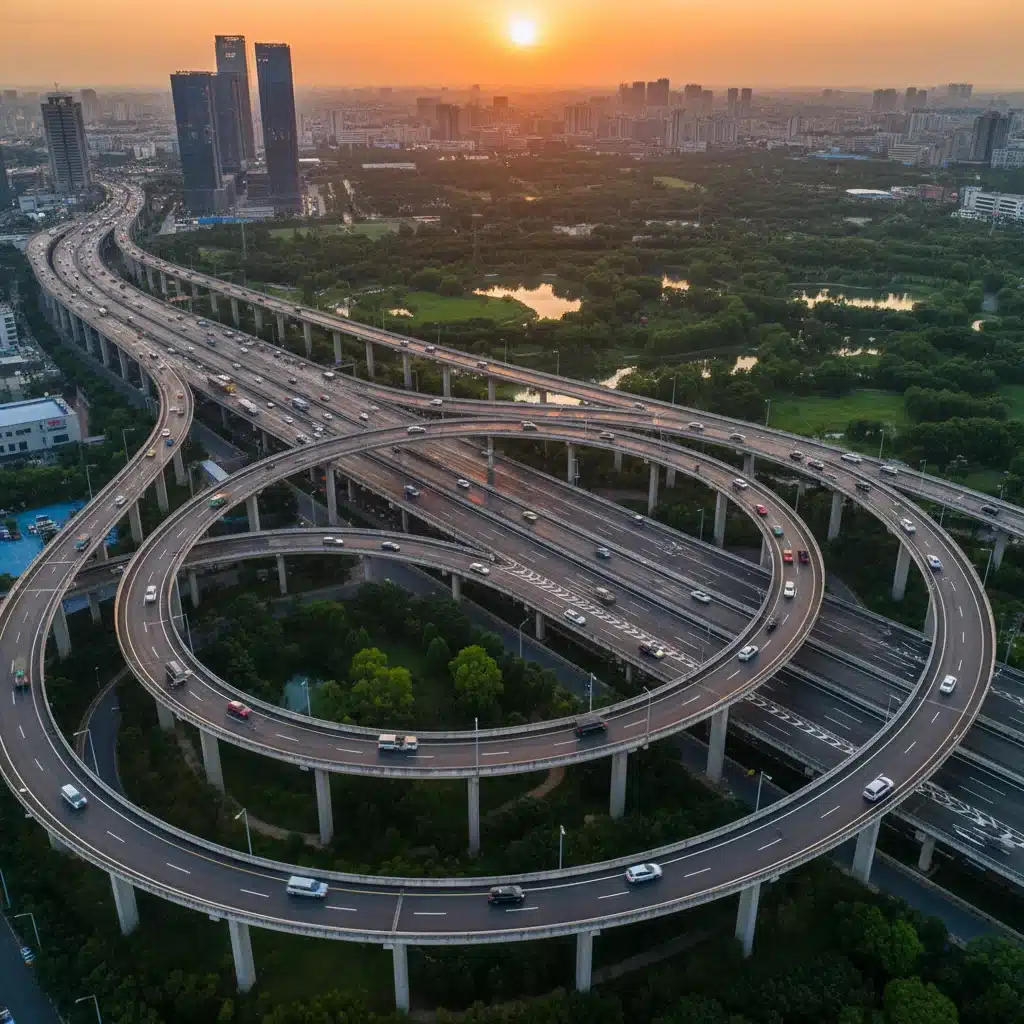
The year 2026 is poised to be a landmark period for national development, with an unprecedented focus on Transportation Infrastructure Investments. Governments worldwide, recognizing the critical role of robust and efficient transport networks in economic prosperity and societal well-being, are allocating billions towards ambitious projects. These investments are not merely about repairing aging roads or expanding existing rail lines; they represent a forward-thinking strategy to build resilient, sustainable, and technologically advanced infrastructure capable of meeting the demands of the 21st century and beyond. This comprehensive overview delves into the scope, impact, and future implications of these monumental financial commitments.
The Vision Behind Billions: Why Transportation Infrastructure Investments Matter
Investing in transportation infrastructure is a multifaceted endeavor with far-reaching benefits. At its core, it’s about facilitating the movement of people and goods, which is fundamental to economic activity. Efficient transportation reduces logistical costs, boosts productivity, and enhances market access for businesses. For individuals, it means shorter commutes, safer travel, and greater access to employment, education, and healthcare opportunities. Beyond these immediate advantages, the strategic allocation of funds towards Transportation Infrastructure Investments serves several broader objectives:
Anúncios
- Economic Stimulation: Large-scale infrastructure projects create millions of jobs, from construction and engineering to logistics and maintenance, providing a significant boost to local and national economies.
- Enhanced Competitiveness: A superior transportation network makes a country more attractive for foreign investment and trade, strengthening its position in the global economy.
- Improved Quality of Life: Reduced traffic congestion, cleaner modes of transport, and better connectivity contribute directly to a higher quality of life for citizens.
- Resilience and Preparedness: Modern infrastructure is designed to withstand natural disasters and adapt to climate change, ensuring continuity of services even in challenging circumstances.
- Technological Advancement: These investments often include integrating cutting-edge technologies like smart traffic management systems, autonomous vehicle infrastructure, and high-speed digital connectivity.
The sheer scale of the funding earmarked for 2026 underscores a global consensus on the urgency and importance of these initiatives. From bustling urban centers to remote rural areas, every segment of society stands to benefit from a revitalized transportation landscape.
Key Areas of Focus for 2026: Diverse Projects Driving Progress
The Transportation Infrastructure Investments planned for 2026 are remarkably diverse, spanning various modes of transport and geographical regions. While specific projects will vary by country and region, several key themes and areas of focus are emerging globally:
Road Networks: Modernization and Expansion
Roads remain the backbone of most transportation systems. Billions are being allocated to repair and upgrade aging highways, bridges, and tunnels. This includes:
Anúncios
- Smart Highway Technologies: Implementing intelligent transportation systems (ITS) for real-time traffic management, dynamic tolling, and vehicle-to-infrastructure (V2I) communication to improve safety and efficiency.
- Congestion Reduction: Building new bypasses, adding lanes, and optimizing intersections to alleviate traffic bottlenecks in urban and suburban areas.
- Bridge and Tunnel Rehabilitation: Critical repairs and structural enhancements to ensure the longevity and safety of vital links.
- Electric Vehicle Infrastructure: Expanding charging station networks along major routes to support the growing adoption of electric vehicles.
These road projects are designed not only to handle increased traffic volumes but also to integrate seamlessly with future mobility solutions, making them more adaptable and sustainable.
Rail Systems: High-Speed and Urban Connectivity
Rail transport is experiencing a renaissance, particularly with the emphasis on sustainability and reducing carbon footprints. 2026 will see substantial investment in:
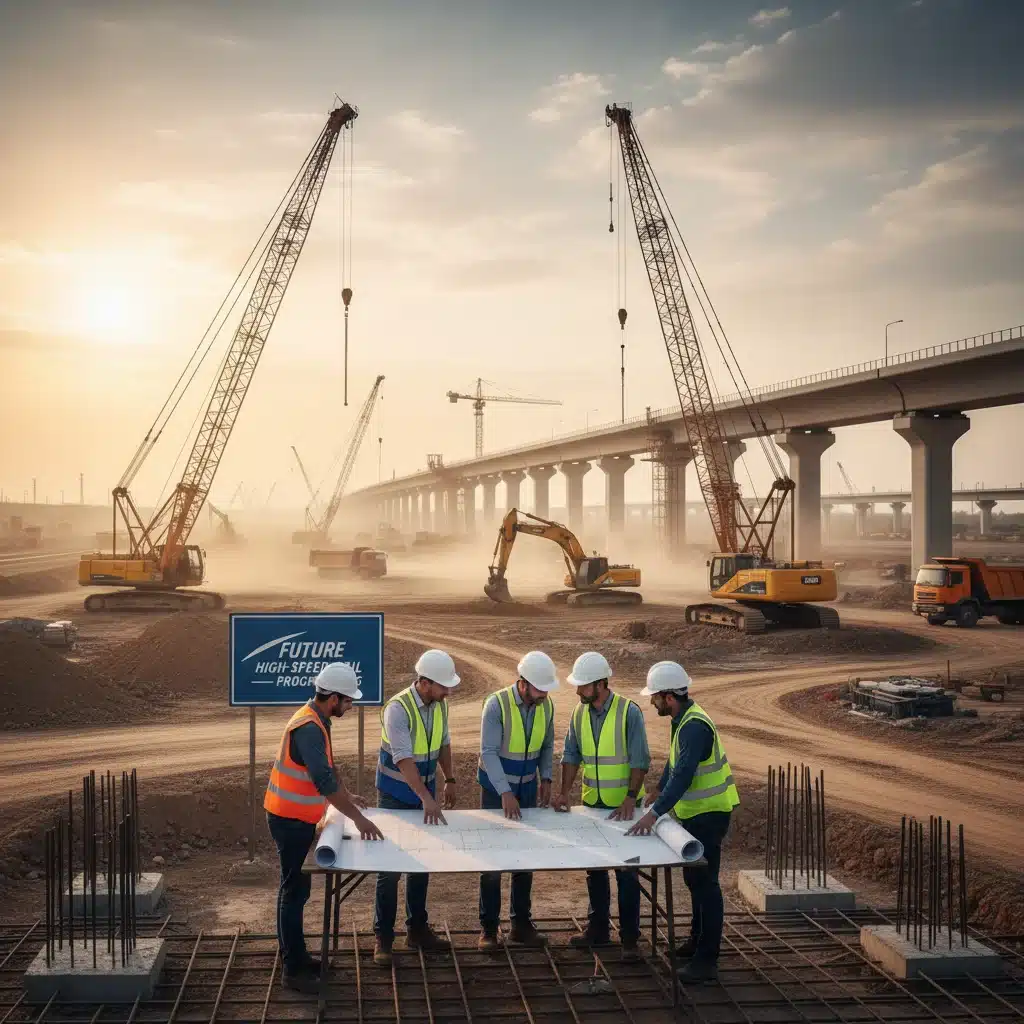
- High-Speed Rail (HSR) Corridors: Developing new HSR lines and extending existing ones to connect major cities, offering a fast and eco-friendly alternative to air and road travel.
- Commuter Rail Upgrades: Modernizing urban and suburban rail networks with new rolling stock, improved signaling systems, and enhanced station facilities to improve reliability and passenger experience.
- Freight Rail Efficiency: Investing in rail infrastructure to facilitate more efficient movement of goods, thereby reducing truck traffic and emissions.
The expansion of rail networks is crucial for fostering regional economic integration and providing accessible public transport options. These initiatives are central to the broader goals of sustainable Transportation Infrastructure Investments.
Ports and Airports: Gateways to Global Trade
As global trade continues to expand, so does the need for efficient air and sea ports. Investments in these critical gateways include:
- Port Modernization: Upgrading cargo handling facilities, deepening shipping channels, and improving intermodal connections to enhance efficiency and capacity.
- Airport Expansions: Building new terminals, extending runways, and improving air traffic control systems to accommodate rising passenger numbers and cargo volumes.
- Logistics Hubs: Developing integrated logistics parks near ports and airports to streamline supply chains and reduce transit times.
These strategic enhancements are vital for maintaining competitive advantage in international commerce and ensuring smooth global supply chains. The focus on these areas highlights the comprehensive nature of Transportation Infrastructure Investments for 2026.
Public Transit and Active Mobility: Sustainable Urban Solutions
For urban areas, the emphasis is increasingly on sustainable and accessible public transit options, alongside promoting active mobility:
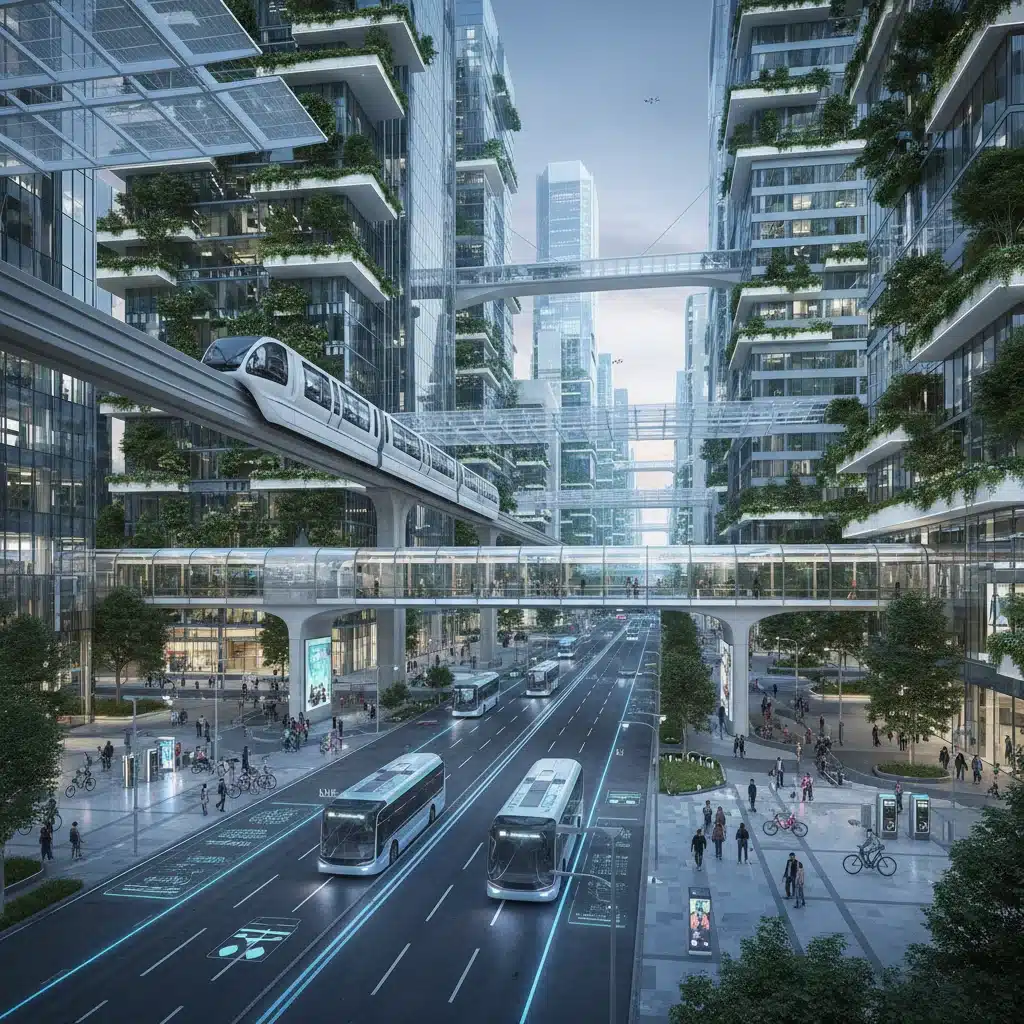
- Expansion of Mass Transit: Investing in new metro lines, light rail systems, and bus rapid transit (BRT) networks to provide efficient alternatives to private car ownership.
- Integrated Ticketing Systems: Developing seamless payment and information systems across different modes of public transport.
- Bicycle and Pedestrian Infrastructure: Creating dedicated bike lanes, pedestrian pathways, and safe crossings to encourage walking and cycling as viable modes of transport.
- Micro-mobility Solutions: Supporting the integration of e-scooters, bike-sharing programs, and other micro-mobility options into urban transport planning.
These initiatives aim to create more livable, less congested cities, aligning with environmental goals and improving public health. The commitment to these diverse projects showcases a holistic approach to Transportation Infrastructure Investments.
The Economic Ripple Effect: Jobs, Growth, and Innovation
The billions allocated for Transportation Infrastructure Investments in 2026 are not just expenditures; they are strategic investments designed to yield significant economic returns. The immediate impact is felt through job creation across various sectors. Construction workers, engineers, architects, project managers, and material suppliers all benefit directly from these large-scale undertakings. Beyond the initial construction phase, the improved infrastructure leads to sustained economic growth:
- Increased Productivity: Faster and more reliable transportation reduces commute times for workers and delivery times for goods, boosting overall economic efficiency.
- Business Expansion: Companies can expand their reach to new markets, access a wider talent pool, and reduce operational costs due to better connectivity.
- Tourism Boost: Enhanced transportation links make destinations more accessible, attracting tourists and stimulating local economies.
- Real Estate Value: Areas with improved transportation infrastructure often see an increase in property values and development, creating further economic activity.
- Innovation and R&D: The demand for advanced materials, smart technologies, and sustainable solutions in infrastructure projects drives innovation and research and development.
These investments act as a powerful economic stimulus, creating a virtuous cycle of growth and opportunity that extends far beyond the construction sites themselves. The long-term economic benefits underscore the foresight behind these massive Transportation Infrastructure Investments.
Sustainability and Resilience: Building for the Future
A crucial aspect of the 2026 Transportation Infrastructure Investments is the strong emphasis on sustainability and resilience. Recognizing the challenges posed by climate change and the need for environmentally responsible development, projects are increasingly incorporating green technologies and practices:
- Green Building Materials: Utilizing recycled content, low-carbon concrete, and other sustainable materials in construction.
- Renewable Energy Integration: Powering infrastructure elements like streetlights, traffic signals, and public transit stations with solar or wind energy.
- Climate Change Adaptation: Designing infrastructure to withstand extreme weather events, such as elevated roads in flood-prone areas or strengthened bridges against high winds.
- Reduced Emissions: Promoting electric vehicles, public transit, and active mobility to lower greenhouse gas emissions from the transport sector.
- Biodiversity Protection: Implementing measures to minimize environmental impact during construction and operation, including protecting natural habitats and water resources.
These sustainable practices ensure that the infrastructure built today will serve future generations without compromising environmental integrity. The integration of resilience measures also guarantees that these vital networks remain operational even in the face of increasing environmental challenges, making these Transportation Infrastructure Investments truly future-proof.
Challenges and Opportunities: Navigating the Path Ahead
While the prospect of massive Transportation Infrastructure Investments is exciting, the execution comes with its share of challenges. Funding, though substantial, must be managed efficiently and transparently. Project delays, cost overruns, and complex regulatory environments can hinder progress. Moreover, ensuring equitable distribution of benefits across all regions and communities is paramount.
However, these challenges also present opportunities for innovation and collaboration. Public-private partnerships (PPPs) are becoming increasingly common, leveraging private sector expertise and capital to complement public funding. Advanced project management techniques, data analytics, and digital twins are being employed to enhance efficiency and oversight. Furthermore, community engagement is crucial to ensure that projects meet local needs and gain public support.
The push for smart infrastructure also opens doors for technological advancements. From AI-powered traffic management to IoT-enabled monitoring of structural integrity, these projects are incubators for new technologies that will redefine urban living and national connectivity. The successful navigation of these challenges will ultimately determine the long-term success and impact of these Transportation Infrastructure Investments.
Looking Beyond 2026: The Long-Term Impact
The Transportation Infrastructure Investments of 2026 are not isolated events but rather foundational steps in a long-term vision for national development. The projects initiated and completed in this period will lay the groundwork for a more connected, efficient, and sustainable future. We can anticipate several long-term impacts:
- Shifting Demographics and Urbanization: Improved transit options may influence where people choose to live and work, potentially decentralizing urban growth and revitalizing smaller towns.
- Emergence of New Industries: The infrastructure supporting autonomous vehicles, hyperloop technology, or advanced drone delivery systems will foster entirely new industries and job markets.
- Reduced Environmental Footprint: A sustained focus on green transportation will lead to significant reductions in air pollution and carbon emissions, contributing to global climate goals.
- Increased Social Equity: Better access to transportation can reduce disparities, providing more equitable opportunities for education, employment, and healthcare across different socioeconomic groups.
- Global Leadership: Nations that successfully implement these ambitious infrastructure plans will solidify their positions as global leaders in innovation, sustainability, and economic competitiveness.
The strategic nature of these investments means that their benefits will accrue over decades, shaping the economic, social, and environmental landscape for generations to come. The commitment to these Transportation Infrastructure Investments is a testament to a collective vision for a brighter, more interconnected future.
Conclusion: Paving the Way for a Connected Future
The year 2026 marks a pivotal moment in the evolution of global transportation. With billions allocated to ambitious national projects, the focus on Transportation Infrastructure Investments is unprecedented. These initiatives are designed to do more than just improve roads, rails, ports, and airports; they are about building a future that is economically robust, environmentally sustainable, and socially equitable. By embracing cutting-edge technology, prioritizing resilience, and fostering broad collaboration, these investments promise to transform how we move, connect, and thrive. The journey ahead is complex, but the vision is clear: to pave the way for a more connected, efficient, and prosperous world.