Bridging the Skills Gap: US Education Adapts for 2026 Industry Needs
Anúncios
Understanding the Skills Gap: How US Educational Institutions Are Adapting to 2026 Industry Needs
The pace of technological advancement and global economic shifts has created an unprecedented challenge for the American workforce: the skills gap. As we hurtle towards 2026, industries are not just evolving; they are being fundamentally reshaped by automation, artificial intelligence, data analytics, and green technologies. This transformation demands a workforce equipped with a new blend of technical prowess, critical thinking, and adaptive capabilities. For US educational institutions, this isn’t merely a trend to observe; it’s a call to action, a mandate to innovate and redefine how they prepare students for the future. Understanding and addressing the skills gap education US institutions face is paramount to maintaining economic competitiveness and ensuring a prosperous future for American workers.
The concept of the skills gap education US refers to the chasm between the skills employers need to thrive in the modern economy and the skills possessed by the available workforce. This gap is not static; it’s a moving target, constantly influenced by new technologies, market demands, and societal shifts. For educational institutions, the challenge is multifaceted: how to predict future skill requirements, design agile curricula, and implement effective teaching methodologies that can keep pace with rapid industrial change. The goal is to produce graduates who are not just employable today, but who possess the foundational knowledge and adaptability to thrive in jobs that may not even exist yet.
Anúncios
The Evolving Landscape of Industry Demands by 2026
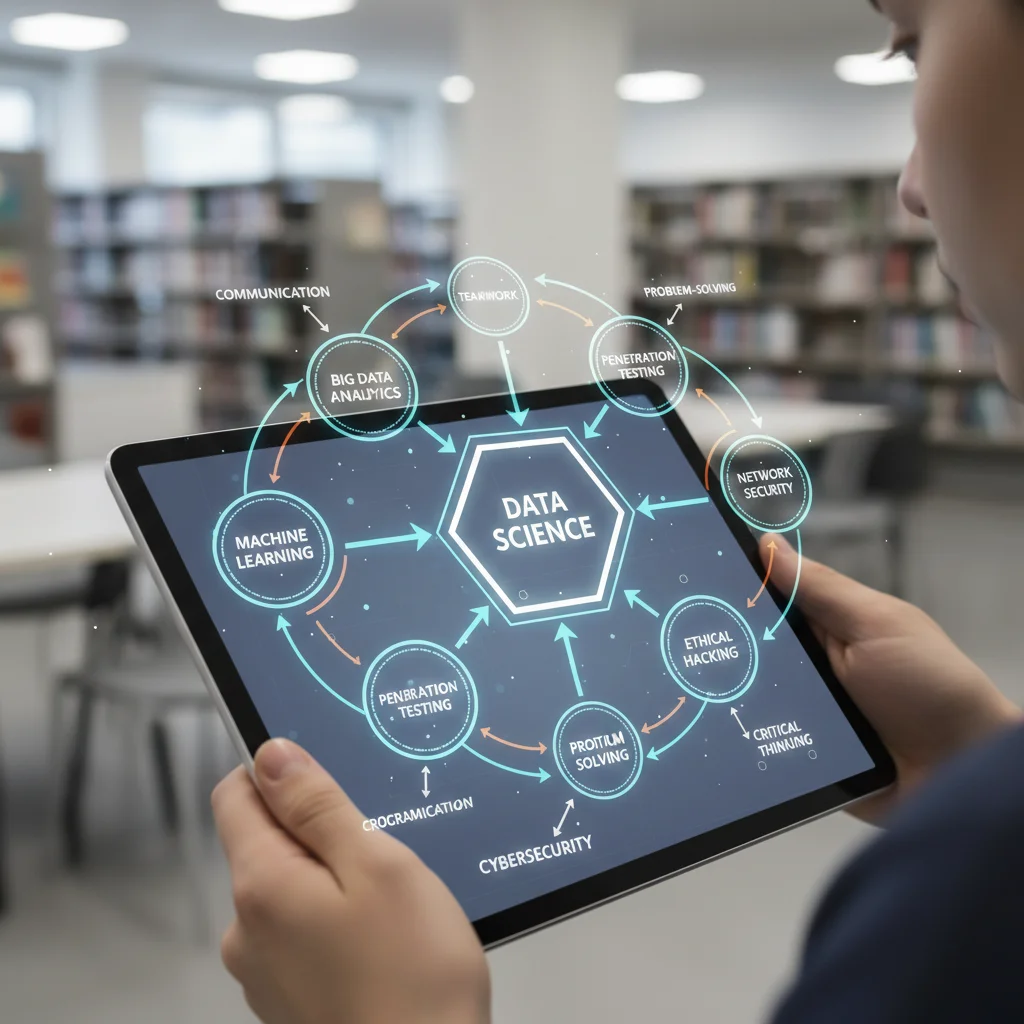
To effectively bridge the skills gap education US, it’s crucial to first understand what the future workforce will look like. By 2026, several key industries are projected to experience significant transformations, demanding new and enhanced skill sets. The World Economic Forum, among other reputable bodies, consistently highlights areas such as artificial intelligence and machine learning, data science, cybersecurity, cloud computing, and advanced robotics as critical growth sectors. Beyond these technical competencies, soft skills like complex problem-solving, critical thinking, creativity, emotional intelligence, and collaboration are increasingly valued as indispensable.
Consider the healthcare sector, for example. The integration of AI for diagnostics, telemedicine, and personalized medicine will require healthcare professionals to be proficient in data interpretation and digital health platforms, alongside their medical expertise. Manufacturing, once seen as a traditional industry, is undergoing a digital revolution with Industry 4.0, demanding workers skilled in automation, IoT, and predictive analytics. The financial services industry is grappling with fintech innovations, requiring professionals who understand blockchain, algorithmic trading, and data security. These examples underscore a universal truth: a static curriculum is a recipe for obsolescence.
Proactive Measures: How US Educational Institutions Are Responding
US educational institutions, from K-12 to community colleges and universities, are keenly aware of this impending shift and are taking proactive steps to address the skills gap education US. Their strategies are diverse, encompassing curriculum redesign, innovative pedagogical approaches, and strengthened industry partnerships.
Anúncios
Curriculum Redesign and Future-Proofing
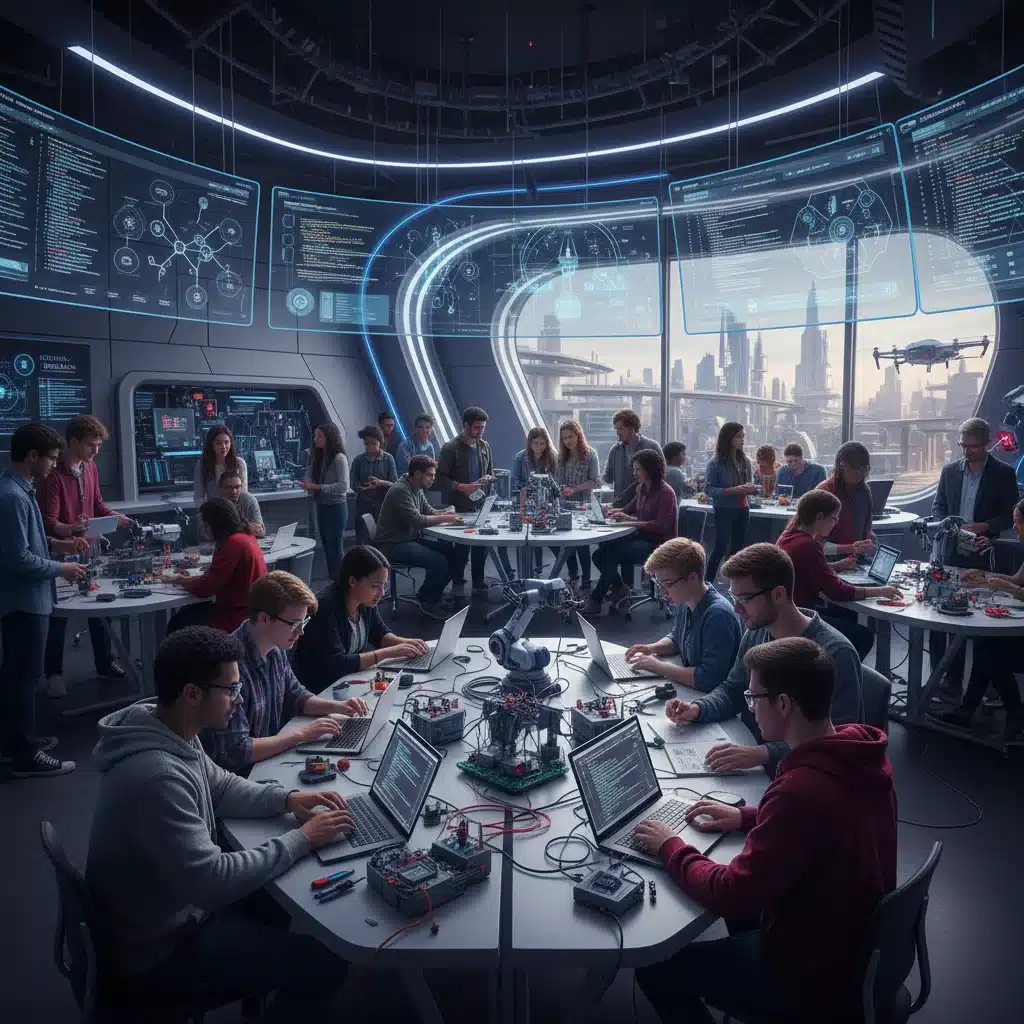
One of the most direct responses is the overhaul of existing curricula. Institutions are moving away from rigid, siloed disciplines towards interdisciplinary programs that reflect the interconnected nature of modern work. For instance, many universities are introducing new majors and minors in data science, cybersecurity, and user experience (UX) design. Community colleges are rapidly developing certificate programs and associate degrees in areas like renewable energy technologies, advanced manufacturing, and healthcare informatics.
Furthermore, there’s a growing emphasis on embedding essential soft skills into every course. Project-based learning, group assignments, and presentations are becoming standard practice, fostering communication, collaboration, and critical thinking. The aim is not just to teach technical skills but to cultivate well-rounded individuals who can adapt to new challenges and contribute effectively in diverse team environments.
Embracing Experiential Learning and Apprenticeships
Theoretical knowledge alone is often insufficient. Educational institutions are increasingly prioritizing experiential learning opportunities to bridge the skills gap education US. Internships, co-op programs, and apprenticeships are becoming integral components of many academic pathways. These programs provide students with real-world experience, allowing them to apply classroom knowledge in practical settings, gain industry-specific skills, and build professional networks before graduation.
Apprenticeships, once primarily associated with skilled trades, are experiencing a resurgence in white-collar professions, particularly in tech. Companies are partnering with educational institutions to create structured programs that offer on-the-job training combined with related technical instruction, leading to recognized credentials. This model is highly effective in ensuring that the skills learned are directly relevant to employer needs.
Strengthening Industry Partnerships and Advisory Boards
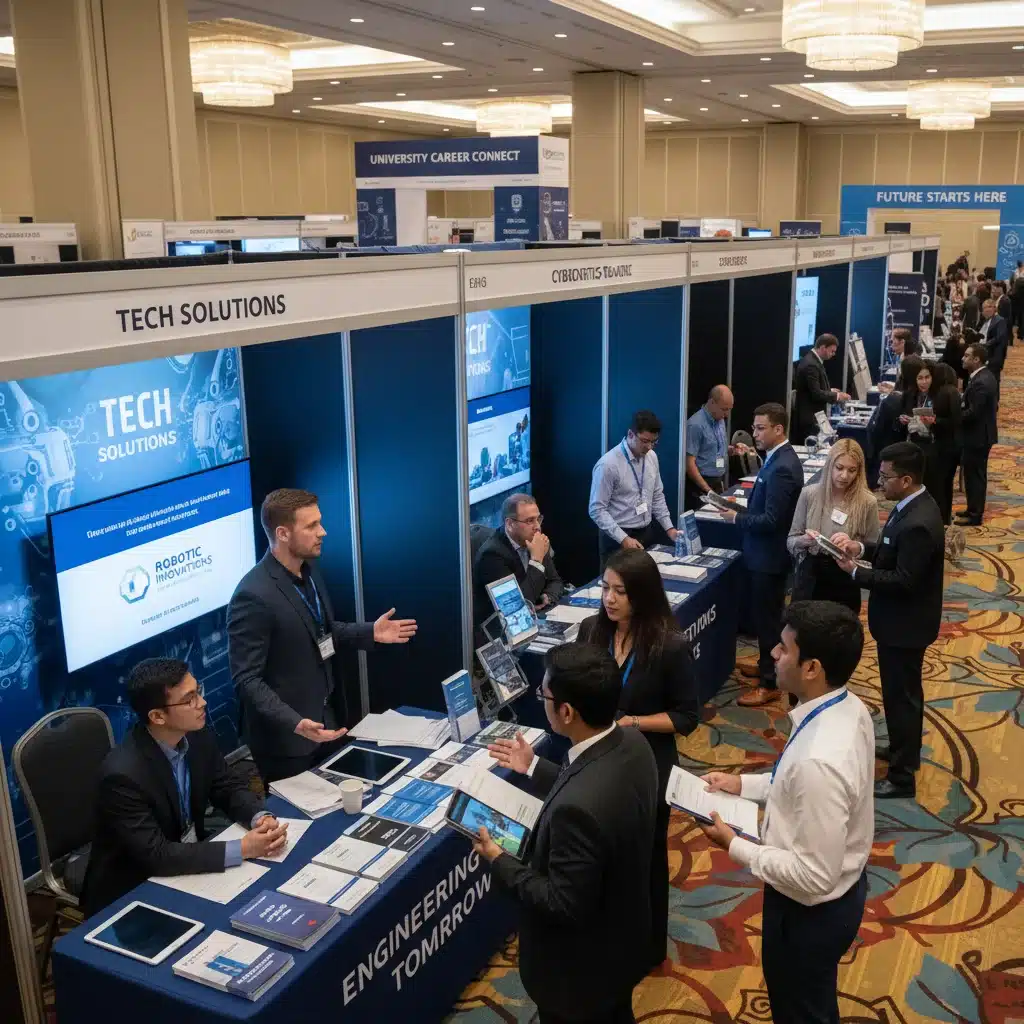
Perhaps the most critical strategy for addressing the skills gap education US is the establishment of robust partnerships between educational institutions and industry. These collaborations are vital for several reasons. Firstly, industry partners provide invaluable insights into current and future skill requirements, allowing institutions to tailor their programs accordingly. Advisory boards, composed of industry leaders, regularly review curricula and provide feedback to ensure alignment with market demands.
Secondly, these partnerships often lead to shared resources, such as equipment donations, guest lecturers from industry, and opportunities for faculty to engage in professional development that keeps them abreast of the latest industry trends. Such collaborations ensure that what is taught in the classroom is not only relevant but also cutting-edge.
The Role of Technology in Modernizing Education
Technology itself is a double-edged sword: it creates the skills gap education US must address, but it also provides powerful tools to bridge it. Educational institutions are leveraging various technologies to enhance learning outcomes and prepare students for a digital-first world.
Online Learning and Hybrid Models
The acceleration of online learning, particularly in response to recent global events, has demonstrated its potential to increase access to education and offer flexible learning pathways. Many institutions are now adopting hybrid models, combining the best of online and in-person instruction. This flexibility can cater to a diverse student body, including working professionals seeking to reskill or upskill.
Data Analytics and Personalized Learning
Educational technology is also enabling more personalized learning experiences. Data analytics can be used to track student progress, identify areas where they struggle, and tailor instruction to individual needs. Adaptive learning platforms can provide customized content and exercises, ensuring that each student masters essential concepts at their own pace.
Virtual Reality (VR) and Augmented Reality (AR) for Training
VR and AR are emerging as powerful tools for immersive, hands-on training. Medical students can practice complex surgeries in a virtual environment, engineering students can design and test prototypes, and skilled trades apprentices can simulate dangerous tasks without risk. These technologies offer realistic training scenarios that are both engaging and effective in developing practical skills.
Addressing Equity and Access in Skills Development
As US educational institutions adapt to bridge the skills gap education US, it is crucial to ensure that these opportunities are accessible to all. The digital divide and socioeconomic disparities can exacerbate the skills gap, leaving vulnerable populations behind. Institutions are working to address these challenges through various initiatives.
Community Outreach and Lifelong Learning Programs
Many community colleges and universities are expanding their community outreach efforts, offering free or low-cost workshops and training programs to local residents. These programs often focus on digital literacy, basic coding, and other foundational skills that are essential for entry-level positions in growing industries. Lifelong learning initiatives are also gaining traction, providing opportunities for adults to reskill or upskill throughout their careers.
Financial Aid and Scholarship Opportunities
To ensure that financial barriers do not prevent individuals from accessing critical skills training, educational institutions, often in conjunction with government agencies and private donors, are increasing financial aid and scholarship opportunities. These initiatives specifically target programs that address high-demand skills, making them more affordable for a wider range of students.
Partnerships with K-12 Education
Addressing the skills gap effectively requires starting early. Colleges and universities are forging stronger partnerships with K-12 schools to introduce students to STEM fields and future-oriented careers at a young age. Early exposure to coding, robotics, and design thinking can ignite passion and lay the groundwork for future academic and career success. Dual enrollment programs, allowing high school students to earn college credit, also play a vital role in accelerating skill development.
Challenges and Future Outlook for US Education
Despite these extensive efforts, educational institutions face significant challenges in their quest to bridge the skills gap education US. Funding, faculty development, and the sheer speed of technological change remain formidable hurdles.
Funding and Resource Allocation
Developing new programs, investing in cutting-edge technology, and providing extensive experiential learning opportunities require substantial financial investment. Institutions often struggle to secure adequate funding, particularly public institutions facing budget constraints. Advocating for increased government support and fostering philanthropic partnerships are crucial for sustaining these efforts.
Faculty Development and Training
For educators to effectively teach emerging skills, they themselves must be continuously learning and adapting. Faculty development programs are essential to ensure that instructors are proficient in the latest technologies and pedagogical approaches. This often involves providing opportunities for faculty to engage with industry, pursue advanced certifications, and participate in ongoing professional learning communities.
The Pace of Change
The most persistent challenge is the relentless pace of technological and industrial change. What is a cutting-edge skill today might be foundational tomorrow, or even obsolete. Educational institutions must build agile systems that can rapidly adapt curricula and teaching methods. This requires a culture of continuous innovation and a willingness to embrace change.
Looking ahead to 2026 and beyond, the collaboration between education, industry, and government will become even more critical. Integrated ecosystems that foster continuous learning, reskilling, and upskilling will be essential for creating a resilient and adaptable workforce. The focus will shift from simply ‘getting a degree’ to ‘lifelong learning and credentialing,’ where individuals continuously acquire new skills to remain relevant in a dynamic job market.
Conclusion: A Future-Ready Workforce Through Adaptive Education
The skills gap education US is not just an economic challenge; it’s a societal imperative. US educational institutions are rising to this challenge with remarkable innovation and dedication. By redesigning curricula, embracing experiential learning, forging strong industry partnerships, leveraging technology, and prioritizing equity, they are actively shaping a future-ready workforce for 2026 and beyond.
The journey is complex, fraught with challenges, and demands continuous adaptation. However, the commitment of these institutions to evolve and meet the demands of a rapidly changing world is a testament to their vital role in national prosperity and individual empowerment. As we move closer to 2026, the success of the American workforce will largely depend on the continued agility and foresight of its educational system, ensuring that every student is equipped not just for a job, but for a dynamic and fulfilling career in the economy of tomorrow.
Author