Reskilling for Automation: US Government-Funded Programs Helping Workers Adapt by 2027
Anúncios
Reskilling for Automation: US Government-Funded Programs Helping Workers Adapt by 2027
The landscape of work is undergoing a profound transformation, driven primarily by the relentless march of automation and artificial intelligence. Industries are evolving at an unprecedented pace, rendering some traditional job roles obsolete while simultaneously creating a demand for new, specialized skills. For the United States, this shift presents both a challenge and an immense opportunity. Recognizing the urgency, the US government has proactively launched and expanded a suite of funded programs aimed at reskilling its workforce, ensuring that American workers are not just prepared but thrive in the economy of 2027 and beyond. This comprehensive guide delves into these vital government reskilling programs, highlighting their objectives, mechanisms, and the critical role they play in shaping the future of employment.
Anúncios
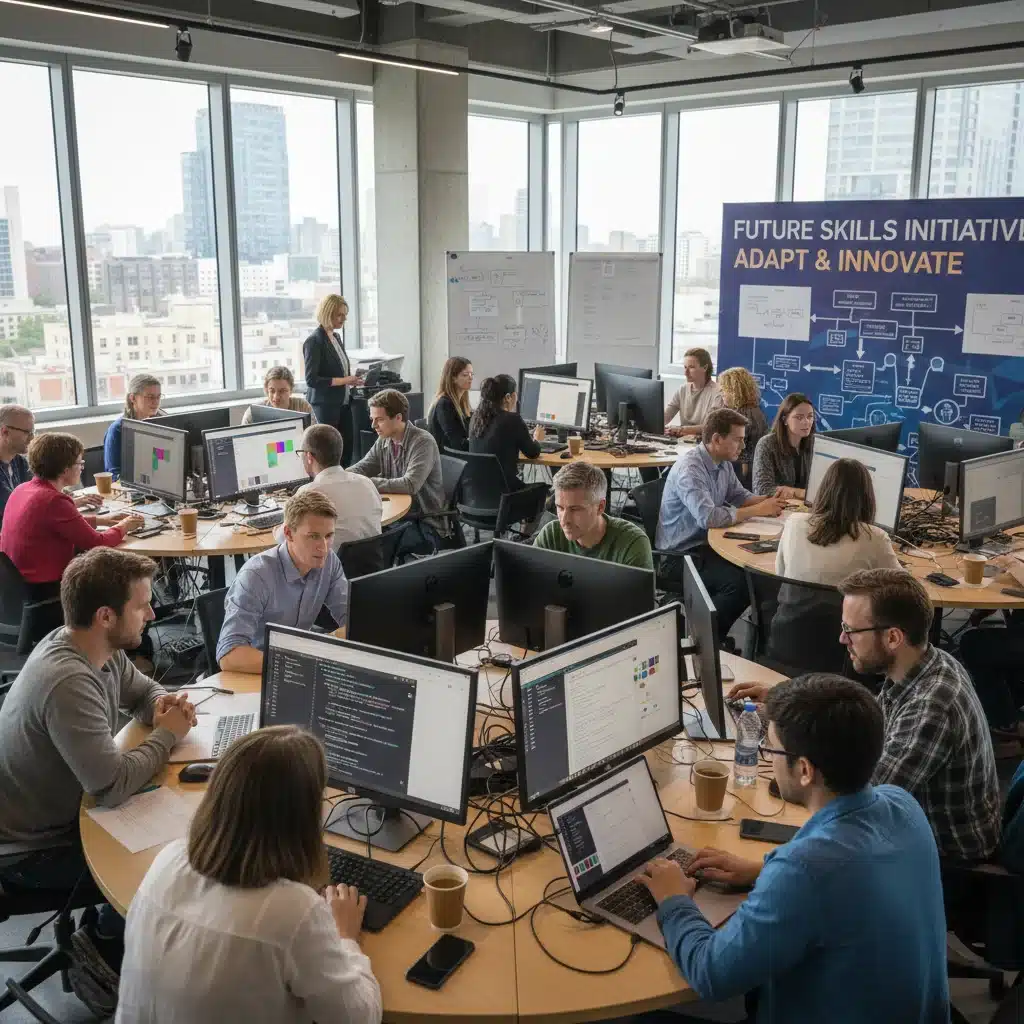
The imperative for widespread reskilling is clear. Reports from leading economic institutions consistently project that millions of jobs will be impacted by automation in the coming years. However, these same reports often emphasize that automation is not solely about job displacement; it’s about job transformation. New roles requiring digital literacy, critical thinking, problem-solving, and adaptability are emerging. Without targeted interventions, a significant portion of the workforce risks being left behind. This is precisely where government reskilling programs step in, acting as a crucial bridge between the current skill sets of workers and the future demands of the labor market.
By 2027, the impact of these government reskilling programs is expected to be substantial. The goal is not merely to mitigate job losses but to foster a more dynamic, resilient, and competitive workforce. This article will explore the various facets of these initiatives, from their legislative foundations to their practical implementation, providing a detailed overview for workers, employers, and policymakers alike.
Understanding the Automation Imperative and the Need for Government Reskilling Programs
Automation, powered by advancements in AI, robotics, and data analytics, is reshaping virtually every sector, from manufacturing and logistics to healthcare and finance. Repetitive tasks, whether physical or cognitive, are increasingly being taken over by machines, freeing human workers to focus on more complex, creative, and interpersonal aspects of their roles. While this promises increased productivity and innovation, it also necessitates a significant re-evaluation of educational and training paradigms.
Anúncios
The ‘skills gap’ is a frequently discussed consequence of this shift. Many businesses struggle to find candidates with the necessary expertise in areas like cybersecurity, data science, advanced manufacturing, and renewable energy technologies. Simultaneously, workers in traditional industries may find their existing skills less relevant. This dual challenge underscores the critical need for robust government reskilling programs. These programs are designed to:
- Bridge the Skills Gap: Equip workers with in-demand skills required by emerging industries and transformed sectors.
- Ensure Employability: Provide pathways for individuals whose jobs are at risk due of automation to transition into new, sustainable careers.
- Promote Economic Growth: Maintain a competitive national workforce, attracting investment and fostering innovation.
- Reduce Social Disruption: Minimize the negative social and economic consequences that can arise from large-scale job displacement.
The US government’s approach is multifaceted, involving federal agencies, state and local governments, educational institutions, and private sector partners. This collaborative ecosystem is essential for developing and delivering effective training solutions that are responsive to regional economic needs and industry demands.
Key Legislative Frameworks and Funding Mechanisms
The foundation for many current government reskilling programs lies in significant federal legislation and ongoing appropriations. Understanding these frameworks is crucial to appreciating the scale and intent of these initiatives.
Workforce Innovation and Opportunity Act (WIOA)
The Workforce Innovation and Opportunity Act (WIOA) is arguably the cornerstone of federal workforce development efforts. Reauthorized in 2014, WIOA aims to streamline and improve a variety of federal training programs, creating a comprehensive workforce development system. It emphasizes:
- Demand-Driven Training: Programs are designed to meet the specific needs of local employers.
- Integrated Service Delivery: “One-Stop Career Centers” provide a wide range of services, including job search assistance, career counseling, and access to training programs.
- Targeted Populations: WIOA prioritizes services for individuals facing barriers to employment, such as dislocated workers, low-income individuals, and youth.
Under WIOA, significant funding is allocated to states and local areas to support various training initiatives, including those focused on reskilling for automation. These funds can be used for Individual Training Accounts (ITAs), which allow eligible individuals to choose their own training providers from an approved list, ensuring flexibility and responsiveness to individual career goals.
Community College and Career Training (CCCT) Grants
While often distributed through various agencies, grants supporting community colleges play a pivotal role in the reskilling landscape. Community colleges are uniquely positioned to offer accessible, affordable, and industry-relevant training programs. Initiatives like the Trade Adjustment Assistance Community College and Career Training (TAACCCT) grants (though largely concluded, their impact set a precedent) have provided billions of dollars to community colleges to develop and expand programs in high-growth sectors, many of which are directly impacted by automation.
These grants have enabled colleges to:
- Develop new curricula in advanced manufacturing, IT, healthcare, and green energy.
- Purchase cutting-edge equipment for hands-on training.
- Forge stronger partnerships with local businesses to ensure curriculum relevance.
- Offer flexible learning options, including online and hybrid courses.
Apprenticeship Programs
The US government has been a strong proponent of expanding modern apprenticeship programs. These programs combine on-the-job training with related technical instruction, allowing individuals to earn a wage while learning critical skills. Apprenticeships are particularly effective for reskilling because they:
- Provide immediate employment and income.
- Offer structured learning pathways leading to recognized credentials.
- Are often developed in direct collaboration with employers, ensuring skill relevance.
- Have a high rate of job placement upon completion.
Federal funding and incentives are available to encourage employers to establish and expand registered apprenticeship programs, particularly in technology-intensive fields where automation is prevalent.
Department of Labor (DOL) Initiatives
The Department of Labor (DOL) is at the forefront of implementing many of these government reskilling programs. Beyond WIOA, the DOL supports various grant programs aimed at specific workforce challenges. For example, grants focused on industry-specific training, rural workforce development, or initiatives supporting veterans transitioning to civilian careers often incorporate elements of reskilling for automated environments.
Target Sectors and In-Demand Skills for 2027
As automation permeates various industries, government reskilling programs are strategically targeting sectors experiencing significant transformation and identifying the skills most critical for future success.
Manufacturing and Advanced Manufacturing
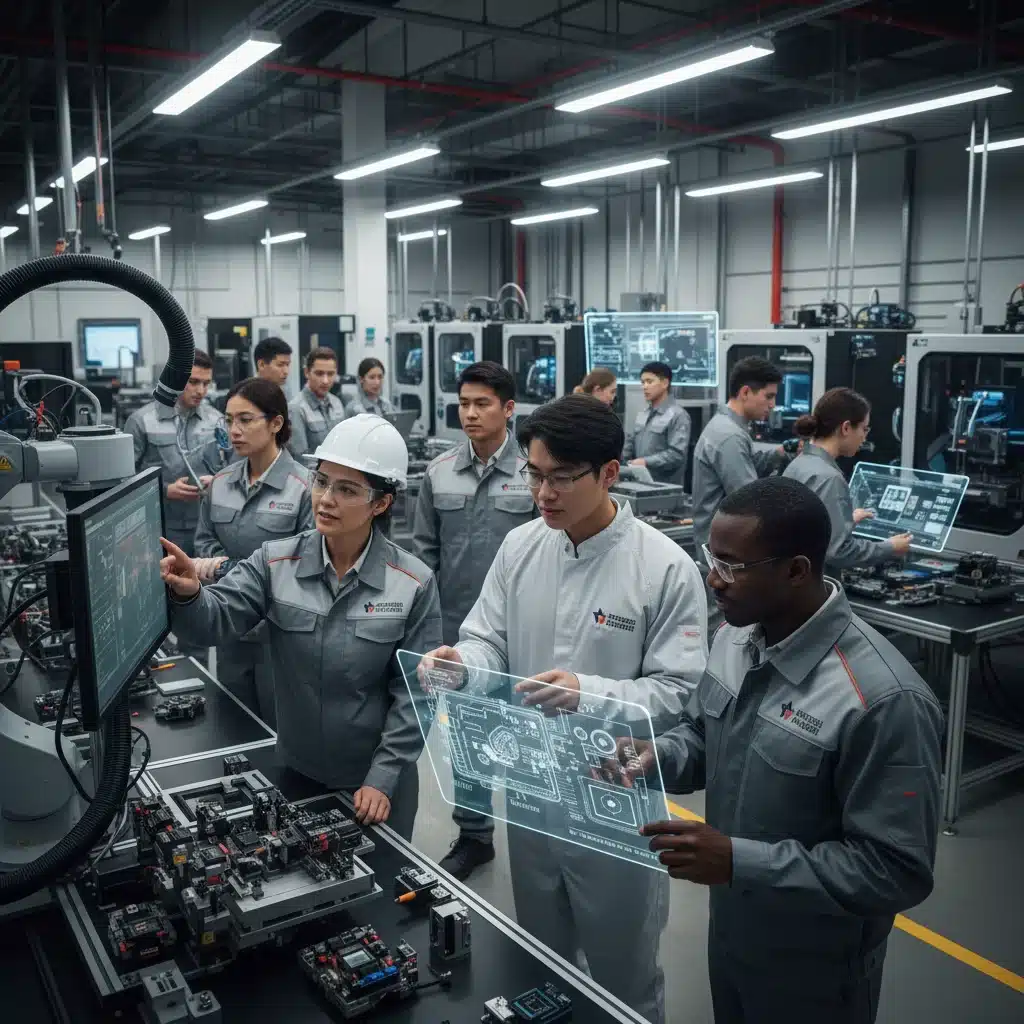
Traditional manufacturing jobs are rapidly evolving. Automation means fewer manual assembly line roles but a surging demand for technicians who can program, operate, and maintain robotic systems, implement advanced analytics for process optimization, and work with digital design tools. Reskilling efforts in this sector focus on:
- Robotics and Automation Technicians
- Industrial Internet of Things (IIoT) Specialists
- Data Analysts for Manufacturing Operations
- Additive Manufacturing (3D Printing) Specialists
- Mechatronics Technicians
Information Technology (IT) and Cybersecurity
The IT sector is not immune to automation, but it also creates the tools and infrastructure for automation. The demand for cybersecurity professionals, cloud computing experts, and AI/machine learning specialists continues to outpace supply. Government reskilling programs are heavily invested in training for:
- Cybersecurity Analysts
- Cloud Architects and Engineers (AWS, Azure, Google Cloud)
- Data Scientists and Machine Learning Engineers
- Software Developers (with an emphasis on automation scripting)
- IT Support Specialists (focused on complex problem-solving)
Healthcare and Life Sciences
Automation in healthcare ranges from robotic surgery assistants to AI-powered diagnostics and automated lab processes. While some administrative roles may be impacted, there’s a growing need for professionals who can leverage these technologies. Reskilling focuses on:
- Health Informatics Specialists
- Biomedical Equipment Technicians
- Telehealth Coordinators
- AI-Assisted Diagnostics Technicians
- Data Privacy and Security Officers in Healthcare
Green Energy and Sustainability
The transition to a green economy is another significant driver of new job creation, many of which require advanced technical skills related to automation and digital systems. Government reskilling programs support roles such as:
- Renewable Energy Technicians (solar, wind)
- Energy Efficiency Specialists
- Smart Grid Technicians
- Environmental Data Analysts
Beyond these sector-specific skills, there’s a universal emphasis on ‘soft skills’ or ‘power skills’ that automation cannot replicate. These include critical thinking, complex problem-solving, creativity, emotional intelligence, collaboration, and adaptability – skills that are often integrated into comprehensive reskilling curricula.
How Workers Can Access Government Reskilling Programs
Navigating the array of available government reskilling programs can seem daunting, but several clear pathways exist for individuals seeking to adapt their skills for the future.
1. One-Stop Career Centers (American Job Centers)
These centers, funded primarily through WIOA, are the primary point of contact for most federal workforce development programs. They offer a comprehensive suite of services, including:
- Career Counseling: Guidance on career pathways and in-demand occupations.
- Skills Assessment: Evaluation of current skills and identification of training needs.
- Information on Training Programs: Details on eligible training providers and available courses.
- Financial Assistance: Information on Individual Training Accounts (ITAs) and other funding for tuition, books, and sometimes even living expenses.
- Job Search Assistance: Resume writing, interview preparation, and job placement services.
Workers interested in government reskilling programs should start by locating their nearest American Job Center.
2. Community Colleges and Technical Schools
As mentioned, community colleges are central to the reskilling infrastructure. Many offer short-term certificate programs, associate degrees, and specialized training in high-demand fields. These institutions often have direct partnerships with local employers, ensuring that their curricula are aligned with industry needs. They also frequently administer WIOA-funded programs or receive direct grants for specific training initiatives.
3. State and Local Workforce Boards
Each state and many local regions have workforce development boards that oversee and coordinate training programs. These boards often have websites detailing local initiatives, funding opportunities, and lists of approved training providers. They are excellent resources for understanding region-specific employment trends and reskilling opportunities.
4. Industry Associations and Employer Partnerships
Many government reskilling programs involve direct partnerships with employers or industry associations. These collaborations can lead to customized training programs, apprenticeships, and guaranteed job interviews upon completion. Workers should inquire with their current or prospective employers about such partnerships.
5. Online Platforms and Digital Credentials
While traditional classroom settings remain important, many government-supported initiatives are exploring or integrating online learning platforms. These can offer flexibility and access to a wider range of courses, often leading to digital badges or micro-credentials that certify specific skills. It’s important to ensure that any online program is recognized and accredited.
Success Stories and Future Outlook
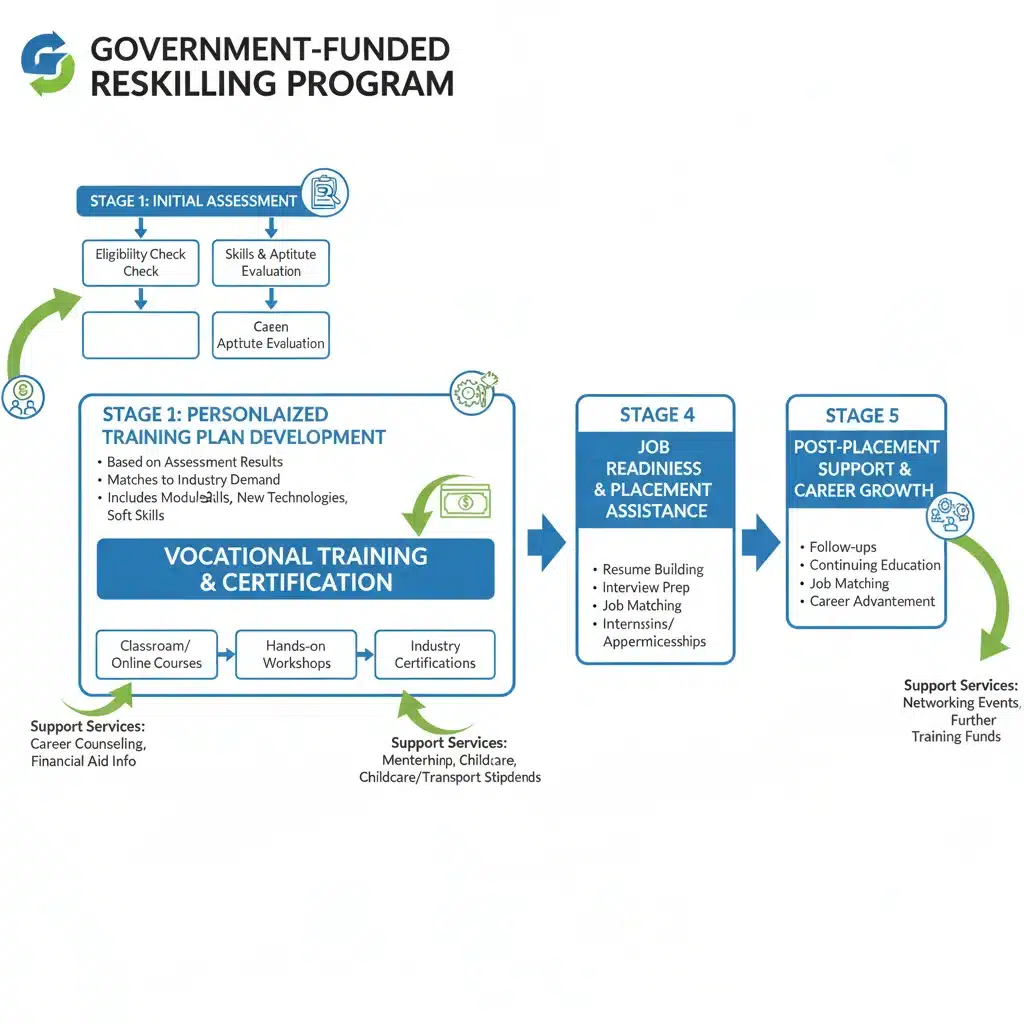
The impact of government reskilling programs is already being felt across the nation. Numerous success stories highlight individuals who have transitioned from declining industries into thriving new careers, boosting their earning potential and job security. For instance, a former manufacturing worker retrained as a robotics technician, or a retail employee who gained cybersecurity certifications, are common examples of the transformative power of these initiatives.
Consider the case of Maria, a 45-year-old administrative assistant whose role was increasingly automated. Through a WIOA-funded program at her local community college, she completed an intensive certificate in data analytics. Within six months, she secured a new position as a junior data analyst, earning a significantly higher salary and feeling more confident about her future. Her story is one of many, demonstrating the tangible benefits of investing in human capital.
Looking ahead to 2027, the emphasis on government reskilling programs is only set to intensify. Policymakers are continually evaluating and refining these initiatives to ensure they remain responsive to technological advancements and economic shifts. Key trends for the future include:
- Increased Focus on AI and Generative AI: Training programs will increasingly incorporate skills related to working alongside and managing AI systems.
- Personalized Learning Pathways: Leveraging data and AI to create more individualized reskilling plans tailored to a worker’s background and career aspirations.
- Micro-credentials and Stackable Skills: A shift towards shorter, more focused training modules that allow workers to acquire specific, in-demand skills quickly and build upon them over time.
- Stronger Employer Engagement: Even closer collaboration between government programs and the private sector to ensure direct pathways to employment.
- Digital Literacy for All: A foundational emphasis on digital literacy for all workers, regardless of their specific career path.
The goal is to create a perpetual learning ecosystem where workers can continuously adapt and upgrade their skills throughout their careers, making the workforce more agile and resilient to future disruptions.
Challenges and Opportunities for Government Reskilling Programs
While the commitment to government reskilling programs is strong, several challenges must be addressed to maximize their effectiveness. These include:
- Awareness and Accessibility: Many workers, especially those most at risk, may not be aware of the programs available or how to access them. Enhanced outreach and simplified application processes are crucial.
- Funding Sustainability: Ensuring consistent and adequate funding for these programs in the long term, especially as the pace of technological change accelerates.
- Quality Control: Maintaining high standards for training providers and ensuring that programs deliver truly in-demand and high-quality skills.
- Employer Buy-in: Encouraging more employers, particularly small and medium-sized businesses, to participate in and leverage reskilling initiatives.
- Addressing Digital Divide: Ensuring that individuals in rural areas or those with limited access to technology are not left behind in the digital reskilling revolution.
However, these challenges also present opportunities. By addressing them head-on, the US government can further strengthen its reskilling infrastructure. For example, investing in digital navigators to help individuals overcome technological barriers, or creating more localized, community-based training hubs, could significantly expand reach and impact.
The Role of Education and Lifelong Learning
Beyond specific government reskilling programs, a broader cultural shift towards lifelong learning is essential. Educational institutions, from K-12 to universities, must adapt their curricula to instill foundational skills that prepare students for a dynamic job market. This includes not just technical prowess but also critical thinking, adaptability, and an understanding of how technology shapes industries.
For adult workers, the concept of a ‘career’ is evolving from a linear path to a continuous journey of learning and adaptation. Government reskilling programs are a vital tool in facilitating this journey, but individual initiative and a proactive approach to skill development are equally important. Employers, too, have a significant role to play in fostering a culture of continuous learning within their organizations, offering internal training and supporting employees’ participation in external reskilling opportunities.
Conclusion: A Resilient Workforce for an Automated Future by 2027
The advent of automation is not merely a technological phenomenon; it’s a societal and economic one. The US government’s proactive investment in reskilling programs is a critical strategy to navigate this transformation, ensuring that the American workforce remains competitive, adaptable, and prosperous. By 2027, the cumulative impact of these initiatives will be evident in a more skilled and resilient labor market.
From WIOA-funded training to specialized community college programs and expanding apprenticeships, the pathways for workers to acquire new skills are numerous and growing. The focus on in-demand sectors like IT, advanced manufacturing, healthcare, and green energy ensures that the investment yields tangible career opportunities. While challenges remain, the ongoing commitment to innovation, collaboration, and accessibility within these government reskilling programs promises a brighter future for American workers in an increasingly automated world. It is a collective endeavor, requiring active participation from individuals, employers, educators, and all levels of government, to truly harness the potential of this new era of work.
Author