Luxury Redefined 2026: Consumer Values Shift in Q1 Analysis
Anúncios
How Shifting Consumer Values are Redefining ‘Luxury’ in 2026: A Q1 Analysis
The concept of ‘luxury’ has always been fluid, a reflection of societal aspirations, economic conditions, and individual desires. However, as we navigate the first quarter of 2026, it’s clear that the very definition of luxury consumer values is undergoing a profound transformation. Gone are the days when luxury was solely synonymous with overt opulence, brand logos, or exorbitant price tags. Today’s discerning consumers, particularly the influential Gen Z and millennial demographics, are seeking something deeper, more meaningful, and aligned with their evolving ethical frameworks. This comprehensive Q1 analysis delves into the critical shifts in luxury consumer values, exploring how brands are adapting and what the future holds for the high-end market.
Anúncios
The Rise of Conscious Consumption: Sustainability as the New Status Symbol
Perhaps the most significant shift impacting luxury consumer values is the undeniable surge in conscious consumption. Environmental concerns, social justice issues, and ethical production practices are no longer niche considerations; they are central to purchasing decisions. For 2026, sustainability has firmly cemented its place as a key differentiator in the luxury sector, transcending from a mere trend to an imperative. Consumers are not just asking ‘what is it made of?’ but ‘how is it made?’, ‘who made it?’, and ‘what is its impact on the planet?’
Brands that genuinely embrace sustainable practices, from sourcing raw materials to manufacturing processes and packaging, are gaining a significant competitive edge. This includes using recycled or upcycled materials, implementing circular economy principles, reducing carbon footprints, and ensuring fair labor practices. Transparency is paramount; vague claims of ‘eco-friendly’ are met with skepticism. Consumers are actively seeking certifications, detailed supply chain information, and demonstrable commitments to environmental and social responsibility. A luxury item today is increasingly valued not just for its intrinsic quality but for its ethical footprint. This shift has led to a re-evaluation of what constitutes ‘value’ in the luxury market, where the longevity of a product, its repairability, and its sustainable provenance contribute significantly to its perceived worth.
Authenticity and Provenance: Beyond the Brand Name
In an increasingly digitized and often superficial world, authenticity has become a highly coveted attribute, particularly within the realm of luxury consumer values. Modern luxury consumers are looking beyond the glossy advertisements and celebrity endorsements. They crave genuine stories, artisanal craftsmanship, and a clear understanding of a product’s origin and journey. This emphasis on authenticity is reshaping how luxury brands communicate and connect with their audience.
Anúncios
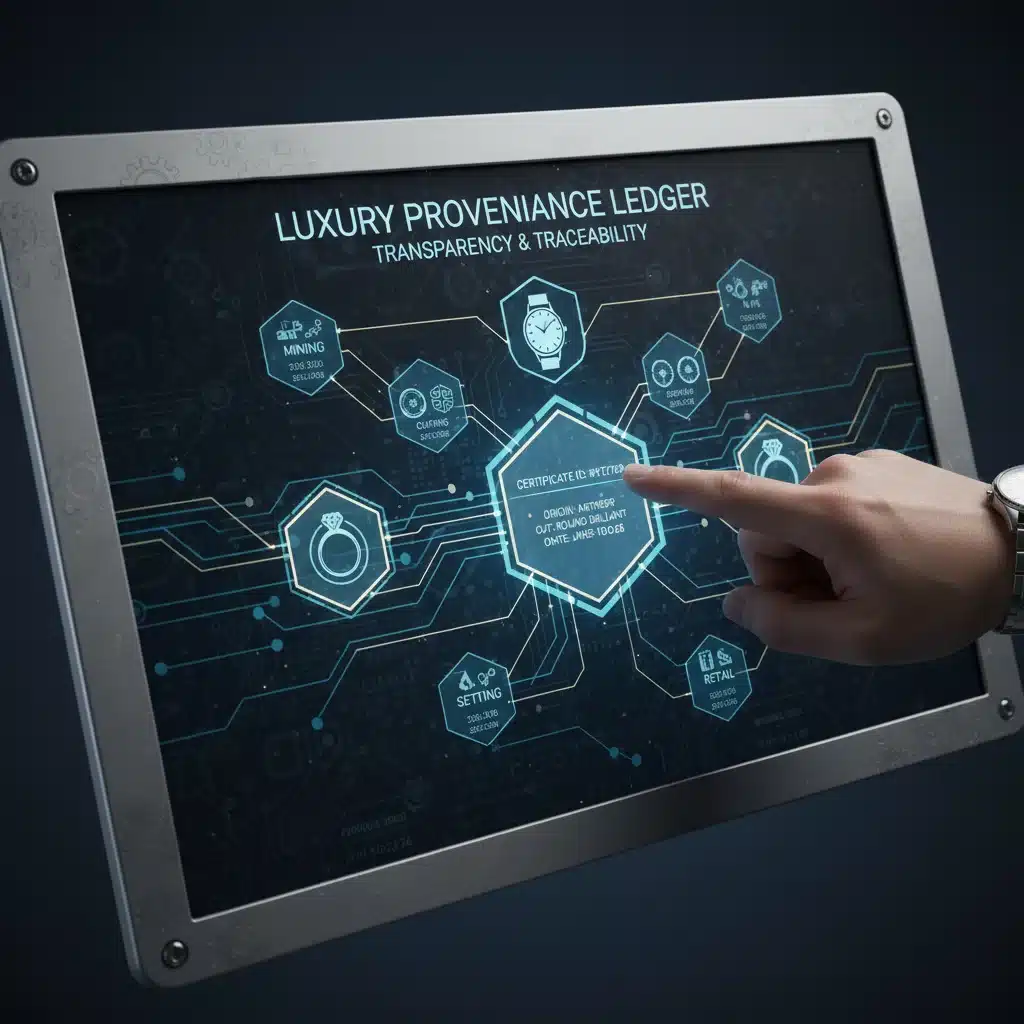
Provenance, once a concern primarily for fine art and wine, is now critical across all luxury categories. Consumers want to know the history of a piece, the unique skills of the artisan who created it, and the cultural context from which it emerged. This extends to transparency in the supply chain, where technologies like blockchain are being explored to provide immutable records of a product’s journey from raw material to finished good. Brands that can tell a compelling, verifiable story about their products and heritage are building deeper trust and loyalty. This also means a move away from mass-produced luxury towards unique, limited-edition, or bespoke items that offer a sense of individuality and exclusivity, reinforcing the idea that true luxury is about owning something with a soul and a story, not just a label.
The Experience Economy: Prioritizing Moments Over Material Possessions
While material possessions will always be a part of luxury, the Q1 2026 data clearly indicates a continued strong pivot towards experiential luxury. Modern luxury consumer values are increasingly prioritizing unforgettable moments, personalized services, and transformative experiences over the accumulation of physical goods. This shift is driven by a desire for personal growth, connection, and the creation of lasting memories.
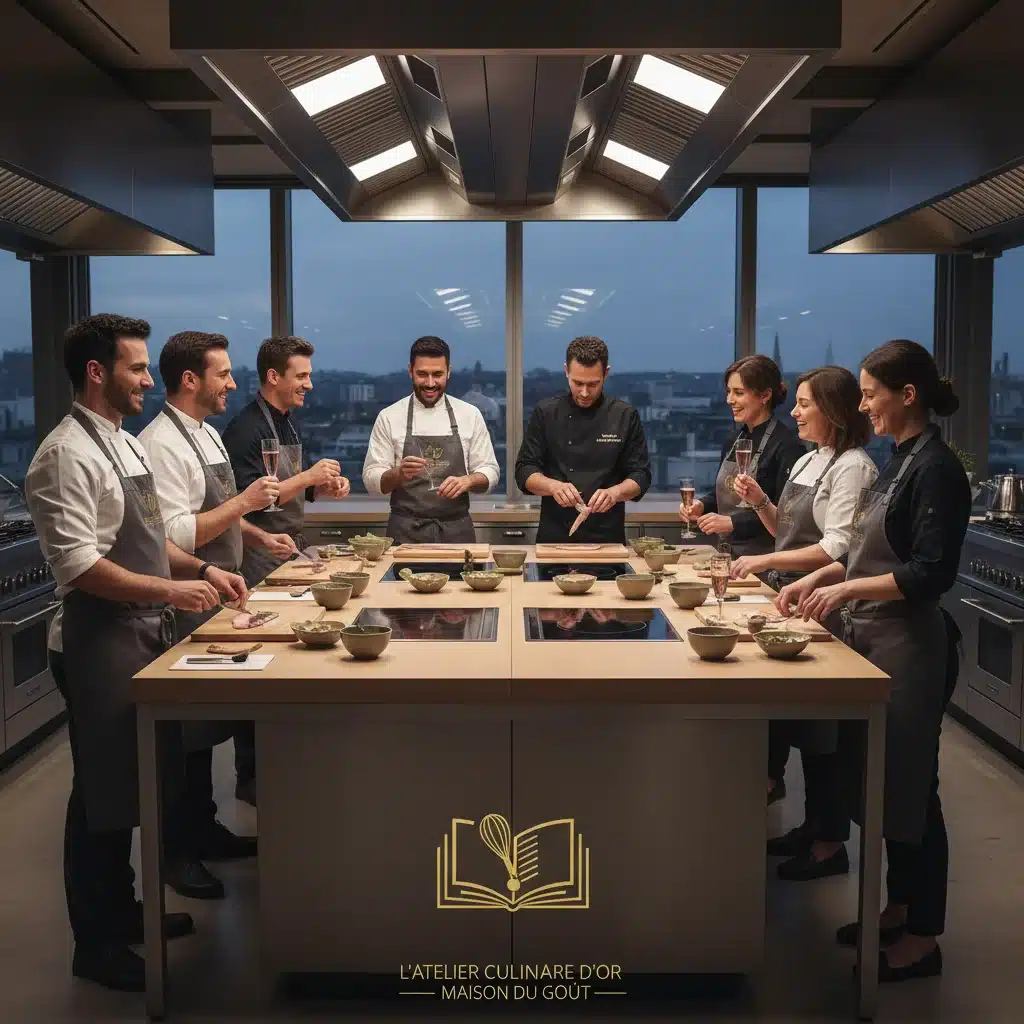
Luxury travel, bespoke culinary adventures, exclusive wellness retreats, and immersive cultural events are seeing unprecedented demand. Brands are responding by curating unique experiences that offer exclusivity, personalization, and a sense of discovery. This could range from private access to art exhibitions, hands-on workshops with master artisans, or tailor-made itineraries that cater to individual passions. The value lies not just in the experience itself but in the emotional resonance and the stories it generates. For luxury brands, this means expanding their offerings beyond products to encompass a holistic lifestyle, fostering community, and providing platforms for self-expression and enrichment.
Personalization and Customization: The Ultimate Expression of Exclusivity
In an era of mass production, true luxury for many consumers in 2026 lies in the ability to own something uniquely theirs. Personalization and customization are becoming non-negotiable aspects of the luxury experience, reflecting the evolving luxury consumer values that emphasize individuality and self-expression. This goes far beyond simply engraving initials; it involves co-creation, bespoke designs, and tailored services that perfectly align with an individual’s tastes and needs.
From custom-designed couture and made-to-measure accessories to personalized travel itineraries and bespoke home furnishings, the demand for unique offerings is soaring. Brands that offer a high degree of customization are seen as providing a superior luxury experience, allowing consumers to actively participate in the creation of their chosen items or experiences. This deep level of personalization fosters a stronger emotional connection between the consumer and the brand, transforming a purchase into a collaborative journey. It reinforces the idea that luxury is about reflecting one’s unique identity and preferences, rather than conforming to a prescribed standard of wealth.
Digital Integration and Seamless Access: Luxury in the Phygital World
The digital realm continues to profoundly influence luxury consumer values. While the allure of physical boutiques remains, consumers expect a seamless and sophisticated digital experience that complements and enhances their offline interactions. This ‘phygital’ approach is crucial for luxury brands to engage with their audience effectively in 2026.
High-end e-commerce platforms, immersive virtual showrooms, personalized online consultations, and sophisticated CRM systems are becoming standard. Augmented reality (AR) and virtual reality (VR) are being utilized to allow consumers to ‘try on’ products virtually or explore destinations before booking. The digital journey should be as exclusive and refined as the in-store experience, offering convenience without compromising on brand prestige. Furthermore, luxury brands are leveraging data analytics to understand consumer preferences better, enabling them to offer highly personalized recommendations and anticipate needs, thereby enhancing the overall customer journey across all touchpoints.
The Power of Community and Belonging: Exclusive Networks
Beyond individual experiences, a growing facet of modern luxury consumer values is the desire for community and belonging among like-minded individuals. Luxury is increasingly becoming a gateway to exclusive networks, shared passions, and a sense of collective identity. Brands that can foster these communities are creating a powerful form of loyalty and engagement.
This can manifest through members-only clubs, invitation-only events, private forums, or curated social groups centered around specific interests like art collecting, vintage car enthusiasm, or philanthropic endeavors. The value derived from these communities is not just in the access to exclusive content or events, but in the opportunity to connect with peers, share knowledge, and build meaningful relationships. For luxury brands, cultivating these communities means moving beyond transactional relationships to become facilitators of social connection and shared identity, ultimately creating a more enduring and valuable relationship with their clientele.
Investment in Well-being: Holistic Luxury
The pursuit of well-being, both physical and mental, has become a cornerstone of contemporary luxury consumer values. In 2026, luxury is increasingly associated with products and services that contribute to a holistic sense of health, balance, and personal betterment. This extends beyond traditional spa treatments to encompass a broader spectrum of offerings.
High-end wellness retreats focused on mindfulness, personalized nutrition programs, advanced biohacking technologies, and exclusive access to top health and longevity experts are gaining traction. Luxury homes are being designed with integrated wellness features, such as air purification systems, circadian lighting, and dedicated meditation spaces. The focus is on investing in oneself, in sustained health, vitality, and mental clarity. Brands that can align with this profound desire for self-optimization and offer solutions that genuinely enhance well-being are tapping into a deep and growing reservoir of luxury demand. This shift signifies a departure from purely external displays of wealth towards an internal investment in one’s own quality of life and longevity.
The Role of Storytelling and Heritage in a Modern Context
While new luxury consumer values emphasize forward-thinking concepts like sustainability and technology, the enduring power of storytelling and heritage remains critical. However, the way these narratives are presented has evolved. Rather than merely showcasing a long history, modern luxury consumers want to understand how that heritage translates into contemporary relevance and value.
Brands are adeptly weaving their historical narratives with their current commitments to ethical practices, innovation, and social responsibility. A brand’s legacy is no longer just about its past achievements but how it continues to evolve and contribute positively to the world. This means highlighting the generational skills passed down, the commitment to preserving traditional craftsmanship, and how historical values inform current sustainable initiatives. The story becomes a bridge between tradition and progress, offering depth and meaning to products and experiences. This nuanced approach allows brands to honor their past while actively shaping a desirable future, resonating deeply with consumers who value both roots and evolution.
Challenges and Opportunities for Luxury Brands in 2026
The shifting landscape of luxury consumer values presents both significant challenges and immense opportunities for brands. The primary challenge lies in balancing tradition with innovation, maintaining exclusivity while embracing transparency, and delivering exceptional quality alongside ethical responsibility. Brands that fail to adapt risk becoming irrelevant in a rapidly evolving market.
However, for those willing to embrace change, the opportunities are vast. By authentically integrating sustainability, offering personalized experiences, leveraging digital technologies, and fostering genuine communities, luxury brands can forge deeper, more meaningful connections with their clientele. This requires a holistic approach, where every touchpoint, from product design to customer service, reflects these new values. Investing in research and development to create truly sustainable materials, reimagining supply chains for greater transparency, and training staff to deliver hyper-personalized service are all crucial steps. The future of luxury belongs to brands that can authentically embody these new luxury consumer values, transforming their offerings from mere products into powerful statements of purpose, identity, and positive impact.
Conclusion: The Evolving Definition of Luxury
As we conclude our Q1 2026 analysis, it’s evident that the definition of luxury has matured beyond superficial indicators of wealth. The modern luxury consumer is sophisticated, informed, and driven by a complex interplay of values. Sustainability, authenticity, transformative experiences, extreme personalization, seamless digital integration, community, and holistic well-being are the new pillars defining what is truly coveted.
For luxury brands, understanding and actively responding to these evolving luxury consumer values is not merely a strategic advantage but a necessity for survival and growth. The brands that will thrive are those that can tell compelling, authentic stories, operate with integrity, offer unparalleled experiences, and empower consumers to express their unique identities and contribute to a better world. The future of luxury is not just about what you own, but what you stand for, what you experience, and the positive impact you create. This redefinition promises a more meaningful, responsible, and ultimately richer luxury landscape for years to come.
Author