The 2026 Housing Market Outlook: A National Perspective on Affordability and Availability
The housing market is a dynamic and ever-evolving landscape, influenced by a myriad of economic, social, and demographic factors. As we cast our gaze forward to the 2026 housing outlook, prospective homeowners, current property owners, investors, and policymakers are all keenly interested in understanding what the future holds. Will affordability improve? Where will availability stand? This comprehensive analysis delves into the anticipated trends, challenges, and opportunities that will shape the national housing market in 2026.
Understanding the 2026 housing outlook requires a deep dive into several interconnected components. We’ll explore the lingering effects of recent economic shifts, the trajectory of interest rates, the persistent issue of housing supply, and the evolving demands of a diverse population. Our aim is to provide a clear, data-driven perspective on what to expect, helping you make informed decisions in a complex real estate environment.
Anúncios
Recapping the Recent Past: Setting the Stage for the 2026 Housing Outlook
To accurately predict the 2026 housing outlook, it’s crucial to first understand the forces that have shaped the market in recent years. The period from 2020 to 2023 saw unprecedented volatility, largely driven by the COVID-19 pandemic. Historically low interest rates fueled a frenzied buying spree, leading to rapid price appreciation and intense competition. Supply, already constrained, struggled to keep pace with demand, exacerbating affordability issues.
As the Federal Reserve began to combat inflation with aggressive interest rate hikes in 2022 and 2023, the market began to cool. Demand softened, price growth decelerated, and in some areas, prices even saw modest declines. However, the fundamental imbalance between supply and demand remained, preventing a significant market correction similar to previous downturns. The concept of “sticky” prices, where sellers are reluctant to lower their asking prices significantly, also played a role in maintaining elevated property values. This period of adjustment is a critical backdrop for understanding the nuanced predictions for the 2026 housing outlook.
Furthermore, demographic shifts, such as the aging millennial generation reaching prime homebuying age and the increasing influence of Generation Z, have continued to exert pressure on the market. These generations, often burdened by student loan debt and facing higher entry prices, are navigating a very different housing landscape than their predecessors. Their preferences for location, home size, and amenities will undoubtedly influence the types of housing in demand by 2026.
Anúncios
Economic Fundamentals Driving the 2026 Housing Market Outlook
The health of the broader economy is inextricably linked to the housing market. Several key economic indicators will be paramount in shaping the 2026 housing outlook:
Interest Rates: The Cost of Borrowing
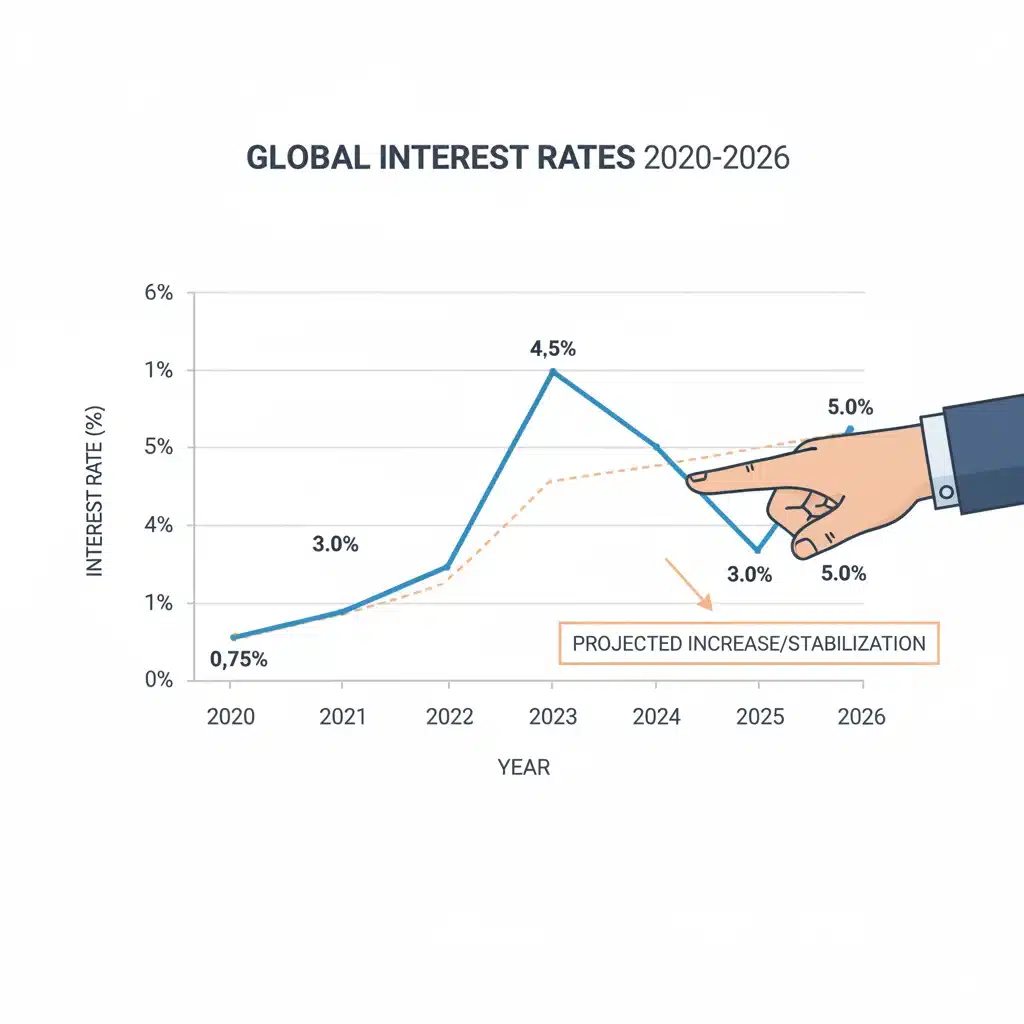
Interest rates are perhaps the most significant determinant of housing affordability. The Federal Reserve’s monetary policy, guided by inflation targets and employment data, will dictate the cost of mortgages. While a return to the ultra-low rates of the pandemic era is unlikely, the consensus among economists suggests a potential stabilization or even a modest decline in rates from their 2023 peaks as inflation is brought under control. However, significant rate cuts are not widely anticipated, meaning borrowing costs will likely remain elevated compared to the recent past.
A stable interest rate environment, even if higher than what many buyers have become accustomed to, could bring a degree of predictability to the market. This predictability might encourage more buyers to enter the market who have been on the sidelines, waiting for rates to drop. Conversely, any unexpected increases could further dampen demand and exacerbate affordability challenges. The precise trajectory of interest rates will be a central pillar in defining the 2026 housing outlook for millions of Americans.
The impact of interest rates extends beyond just monthly mortgage payments. They also influence investor behavior, the profitability of new construction, and the overall liquidity of the housing market. Higher rates can make it more expensive for developers to finance projects, potentially slowing the much-needed increase in housing supply.
Inflation and Economic Growth
Inflation directly impacts the cost of living and, consequently, the ability of households to save for down payments and afford monthly mortgage payments. If inflation remains stubbornly high, it could erode purchasing power and keep interest rates elevated. Conversely, a successful moderation of inflation would provide more breathing room for both consumers and the Federal Reserve, potentially leading to more favorable lending conditions.
Economic growth, measured by GDP, and employment figures are also crucial. A robust job market with rising wages generally supports housing demand and affordability. However, wage growth that lags behind housing price appreciation or inflation will continue to strain household budgets. The balance between wage growth, inflation, and housing costs will be a delicate act in shaping the 2026 housing outlook.
Recessionary fears, while having somewhat subsided, still loom as a potential risk. A significant economic downturn could lead to job losses, reduced consumer confidence, and a contraction in housing demand. While not the base case for 2026, it remains a factor that market participants will be monitoring closely.
Affordability in the 2026 Housing Outlook: A Persistent Challenge
Affordability has been a dominant theme in the housing market for several years, and it is expected to remain a critical concern in the 2026 housing outlook. The combination of high home prices, elevated interest rates, and stagnant wage growth in real terms has pushed homeownership out of reach for many. Median home prices, despite some recent cooling, are still significantly higher than pre-pandemic levels.
Income vs. Home Prices
The gap between median household income and median home prices has widened considerably. In many desirable metropolitan areas, a typical household income is insufficient to comfortably afford a median-priced home, even with a substantial down payment. This disparity is a structural issue that will require more than just minor market adjustments to resolve. The 2026 housing outlook will likely see continued efforts by individuals to find creative solutions, such as moving to more affordable regions, seeking out smaller homes, or extending their commutes.
First-time homebuyers are particularly affected. Saving for a down payment has become increasingly difficult, and the prospect of higher monthly payments due to elevated interest rates further complicates their entry into the market. Government programs and initiatives aimed at assisting first-time buyers may see increased importance in 2026.
Regional Disparities in Affordability
It’s important to note that affordability is not uniform across the nation. The 2026 housing outlook will undoubtedly highlight significant regional disparities. Coastal cities and major tech hubs will likely continue to face the most severe affordability crises, while some interior states and smaller metropolitan areas may offer relatively more accessible housing options. This divergence could lead to continued migration patterns, with people moving from high-cost-of-living areas to more affordable locales, impacting local economies and housing markets in both directions.
The phenomenon of “zoom towns” and secondary markets experiencing rapid growth due to remote work trends could stabilize or even see some price adjustments as the post-pandemic work landscape solidifies. However, the underlying demand for more space and a better quality of life at a lower cost will likely persist, influencing regional affordability in the 2026 housing outlook.
Availability and Supply in the 2026 Housing Outlook
The chronic shortage of housing supply has been a primary driver of price appreciation and a major contributor to the affordability crisis. Addressing this imbalance is crucial for a healthier 2026 housing outlook.
New Construction: The Key to Unlocking Supply
New home construction is the most direct way to increase housing availability. While builders have been working to ramp up production, they face several hurdles: rising material costs, labor shortages, and regulatory complexities. The cost of land and infrastructure development also adds to the final price of new homes, making it challenging to build truly affordable housing.
In 2026, we can expect continued, albeit perhaps modest, increases in new housing starts, particularly in areas with strong job growth and favorable regulatory environments. However, it is unlikely that new construction alone will fully close the supply gap within such a short timeframe. The types of homes being built will also be critical; there’s a significant need for “missing middle” housing (duplexes, townhouses, small multi-family units) that can offer more affordable options than traditional single-family homes.
Policy initiatives at local and state levels aimed at streamlining zoning regulations and incentivizing diverse housing types will be vital for improving the supply picture in the 2026 housing outlook.

Existing Home Inventory
The supply of existing homes for sale has also been constrained. Many homeowners who locked in historically low mortgage rates during the pandemic are reluctant to sell, as doing so would mean taking on a new mortgage at a higher rate. This “lock-in” effect reduces the number of homes coming onto the market, even as life events (job changes, family growth, retirement) would typically prompt a move.
The 2026 housing outlook suggests that this lock-in effect may begin to gradually ease, but not disappear entirely. As homeowners adjust to the new interest rate environment, and as some rates potentially soften, more existing homes might become available. However, a significant surge in inventory is not expected, meaning competition for desirable existing homes will likely remain a feature of the market.
Demographic factors also play a role here. An aging population may lead to some increase in homes coming to market as older generations downsize or transition, but this is a gradual process rather than a sudden influx.
Key Trends Shaping the 2026 Housing Outlook
Beyond the fundamental economic factors, several overarching trends will influence the 2026 housing outlook:
Migration Patterns and Remote Work
The shift to remote and hybrid work models has profoundly impacted where people choose to live. While the initial surge of urban flight to suburban and rural areas may have stabilized, the flexibility offered by remote work continues to influence migration patterns. The 2026 housing outlook will see continued demand in areas that offer a balance of affordability, quality of life, and connectivity, even if they are not traditional employment hubs.
Conversely, some urban centers that experienced an exodus might see a resurgence as companies call employees back to the office, at least for a few days a week. This could lead to renewed demand for urban housing, potentially driving up rental costs and entry-level home prices in cities.
Demographic Shifts: Millennials, Gen Z, and Boomers
The millennial generation continues to be the largest cohort of homebuyers, and their preferences for location, home size, and amenities will heavily influence the market. As Gen Z begins to enter the homeownership market in greater numbers, their unique perspectives on sustainability, technology, and financial prudence will also start to shape demand.
At the other end of the spectrum, Baby Boomers are increasingly considering downsizing or moving to retirement-friendly communities. Their decisions will free up some existing housing stock, particularly larger family homes, but also create demand for age-restricted or amenity-rich housing. Understanding these generational dynamics is crucial for grasping the full picture of the 2026 housing outlook.
Sustainability and Energy Efficiency
Growing environmental awareness and rising energy costs are making sustainability and energy efficiency increasingly important factors for homebuyers. In 2026, homes with eco-friendly features, smart home technology, and lower utility bills will likely command a premium. Builders will continue to incorporate green building practices, and homeowners will invest in upgrades to improve their homes’ environmental footprint. This trend will not only impact new construction but also influence the value and desirability of existing homes.
Technological Advancements in Real Estate
Technology continues to transform the real estate industry. Virtual tours, AI-powered property search, and digital closing processes are becoming standard. In 2026, we can expect further innovations, potentially including more sophisticated data analytics for market forecasting, enhanced virtual reality experiences for property viewing, and blockchain technology for secure transactions. These advancements will streamline the homebuying and selling process, making it more efficient for all parties involved.
Regional Forecasts for the 2026 Housing Outlook
While a national 2026 housing outlook provides a broad overview, real estate is inherently local. Here’s a brief look at how different regions might fare:
- Northeast: Expect continued high demand in desirable suburban areas, but affordability challenges will persist in major metropolitan centers. Inventory may remain tight.
- South: Growth markets in states like Florida, Texas, and the Carolinas will likely see continued population influx and housing demand, but some areas might experience a moderation in price growth after rapid appreciation. Affordability will be a mixed bag, with some areas still relatively accessible.
- Midwest: Generally more affordable, the Midwest could see steady, sustainable growth. Remote work opportunities might continue to bolster some smaller cities and towns.
- West: High-cost markets in California and the Pacific Northwest will likely remain challenging for affordability, though some cooling may occur. Mountain West states like Idaho and Montana, which saw significant pandemic-era growth, might see more balanced markets.
These regional nuances are critical for anyone looking to buy, sell, or invest in the 2026 housing outlook.
Challenges and Opportunities in the 2026 Housing Outlook
Challenges:
- Persistent Affordability Gap: The core issue of home prices outpacing wage growth will remain a significant hurdle.
- Interest Rate Sensitivity: Any unexpected shifts in monetary policy could quickly impact market dynamics.
- Supply Constraints: While new construction is ongoing, it’s unlikely to fully resolve the housing shortage by 2026.
- Economic Uncertainty: Geopolitical events, inflation, and potential economic slowdowns always pose risks to the market.
Opportunities:
- Stabilizing Market: A more predictable interest rate environment could encourage more buyers and sellers to enter the market.
- Investment in “Missing Middle” Housing: Opportunities for developers and investors in building more affordable, diverse housing types.
- Growth in Secondary Markets: Continued appeal of smaller cities and towns offering better value and quality of life.
- Technological Adoption: Leveraging new technologies to streamline processes and improve market access.
- Focus on Sustainability: Growing demand for energy-efficient and environmentally friendly homes creates new market segments.
Advice for Navigating the 2026 Housing Outlook
For prospective homebuyers, patience and careful financial planning will be key. Focus on strengthening your credit, saving a substantial down payment, and understanding your budget thoroughly. Be prepared for a competitive market, especially in desirable areas, but also be open to exploring less traditional locations or housing types. Working with a knowledgeable local real estate agent who understands the specific nuances of your target market will be invaluable in the 2026 housing outlook.
For sellers, pricing your home correctly from the outset will be crucial. While the days of multiple, over-asking offers in every market may be behind us, well-maintained and strategically priced homes will still attract strong interest. Understanding local inventory levels and recent sales data will be more important than ever. Highlighting any energy-efficient upgrades or smart home features can also add significant value.
Investors should continue to perform thorough due diligence. Focus on markets with strong job growth, favorable demographic trends, and a clear path to rental income or appreciation. The build-to-rent sector may continue to be attractive given the ongoing demand for rental housing and affordability challenges for homeownership. Diversification and a long-term perspective will be vital in the 2026 housing outlook.
Conclusion: A Balanced Market on the Horizon for the 2026 Housing Outlook?
The 2026 housing outlook points towards a market that is likely to be more balanced than the extremes witnessed in the immediate aftermath of the pandemic. While significant improvements in affordability and availability will require sustained efforts in new construction and potentially innovative policy solutions, the frenetic pace of price appreciation is expected to moderate. Interest rates, while unlikely to return to historic lows, may stabilize, offering more predictability.
Regional variations will be pronounced, and local economic conditions will play an even greater role in determining market performance. For all participants, the emphasis will be on adaptability, strategic planning, and a clear understanding of both national trends and local specificities. The journey to a truly equitable and accessible housing market is long, but the 2026 housing outlook suggests a continued, albeit gradual, movement towards a more sustainable equilibrium.
Staying informed, consulting with financial and real estate professionals, and maintaining a realistic perspective will be essential for successfully navigating the opportunities and challenges that the 2026 housing market will present.