Decoding Gen Z Shopping Psyche 2026: Trends, Values & Marketing Strategies
Anúncios
Decoding the 2026 Gen Z Shopping Psyche: 3 Key Behaviors Driving Market Trends
The consumer landscape is in constant flux, but few generations have reshaped it as profoundly and rapidly as Generation Z. As we look towards 2026, understanding the intricate layers of the Gen Z shopping trends is not just beneficial for brands; it’s absolutely critical for survival and growth. This demographic, born roughly between 1997 and 2012, represents a formidable economic force, with immense spending power and an unparalleled influence on cultural narratives. Their unique upbringing, steeped in digital technology and global connectivity, has fostered a distinct set of values and expectations that are fundamentally altering traditional retail models.
Gone are the days when a simple advertising campaign or a celebrity endorsement would suffice. Gen Z demands more: more authenticity, more transparency, more social responsibility, and more seamless digital integration. They are not just buying products; they are investing in brands that align with their personal ethos, reflect their identities, and contribute positively to the world. For businesses aiming to capture this market, a deep dive into the Gen Z shopping trends of 2026 is essential. This article will dissect three pivotal behaviors that are set to dominate their purchasing decisions, offering actionable insights for brands ready to adapt and thrive.
Anúncios
Understanding the Digital Native: Hyper-Connected and Always On
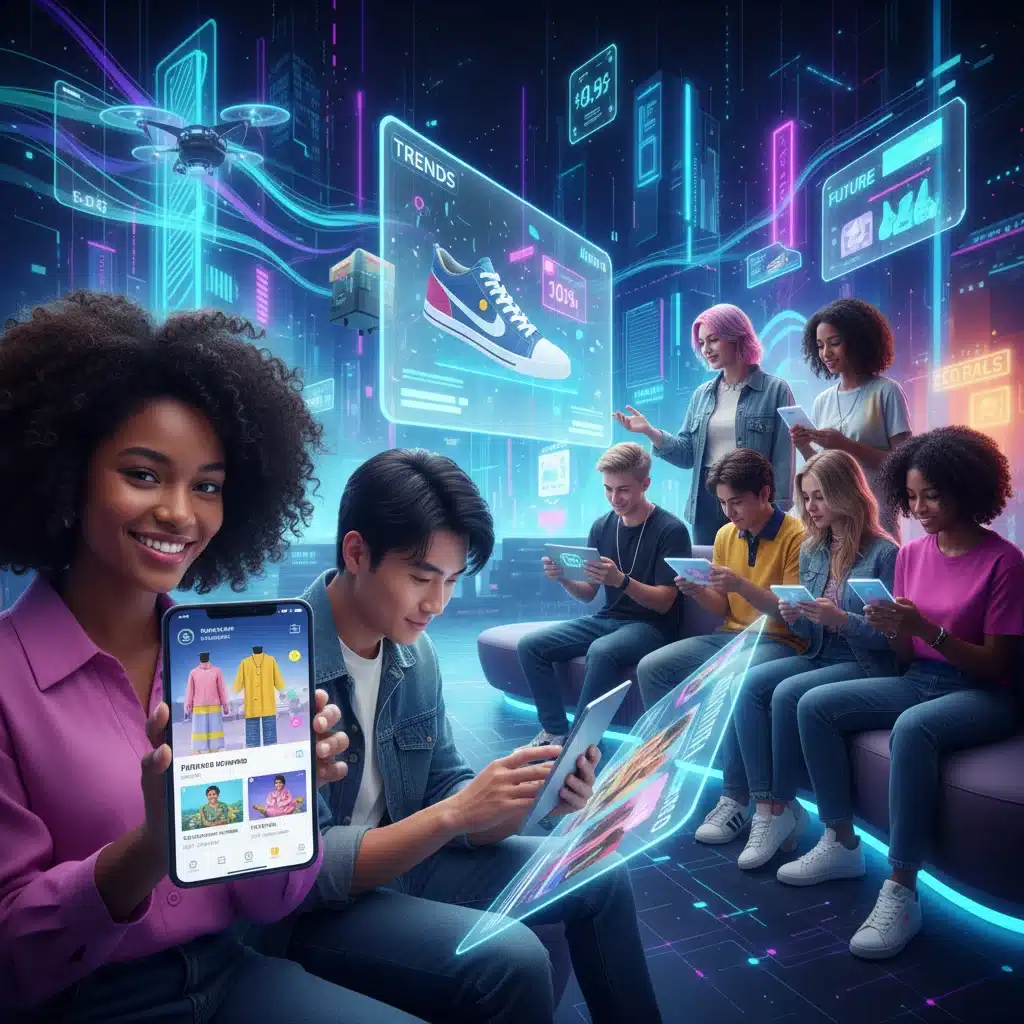
At the core of the Gen Z shopping trends is their inherent digital nativity. Unlike previous generations who adopted technology, Gen Z was born into a world saturated with it. From their earliest memories, smartphones, social media, and instant gratification have been constants. This has profound implications for their shopping journey. By 2026, we’ll see an even greater sophistication in their digital interactions, moving beyond simple e-commerce to a truly immersive and integrated online experience.
The Rise of Social Commerce and Influencer Authenticity
Social media is not just a platform for connection for Gen Z; it’s a primary discovery and purchasing channel. Instagram, TikTok, YouTube, and emerging platforms are where they find inspiration, research products, and make buying decisions. However, their relationship with influencers is evolving. While influencer marketing remains powerful, Gen Z has developed a keen eye for inauthenticity. They can quickly spot paid promotions that don’t genuinely align with an influencer’s persona or values. Brands must prioritize micro-influencers and nano-influencers who boast genuine engagement and a strong, niche community, rather than chasing mega-influencers with diluted credibility.
Anúncios
Live shopping events, shoppable posts, and direct-to-consumer (DTC) sales facilitated through social platforms will continue to surge. Brands that invest in creating engaging, interactive content directly within social ecosystems will be the ones that win. This means understanding the nuances of each platform – from TikTok’s short-form, dynamic content to Instagram’s visual storytelling – and tailoring strategies accordingly. The expectation is a seamless transition from discovery to purchase, often without leaving the social app.
Personalization at Scale: Beyond Basic Recommendations
Gen Z expects highly personalized experiences, but this goes far beyond simply recommending products based on past purchases. They anticipate brands to understand their individual preferences, values, and even their mood. AI-driven personalization, leveraging data responsibly and transparently, will be key. This includes personalized product suggestions, tailored content, customized offers, and even dynamic pricing based on individual browsing habits and stated preferences.
The challenge for brands is to collect and utilize this data in a way that feels helpful and enhances the user experience, rather than intrusive. Transparency about data usage and clear opt-in/opt-out options will build trust. Brands that can deliver hyper-relevant experiences across all touchpoints, from website to email to in-app notifications, will foster stronger connections with this discerning demographic. This level of personalization is a cornerstone of future Gen Z shopping trends.
The Phygital Experience: Blending Online and Offline
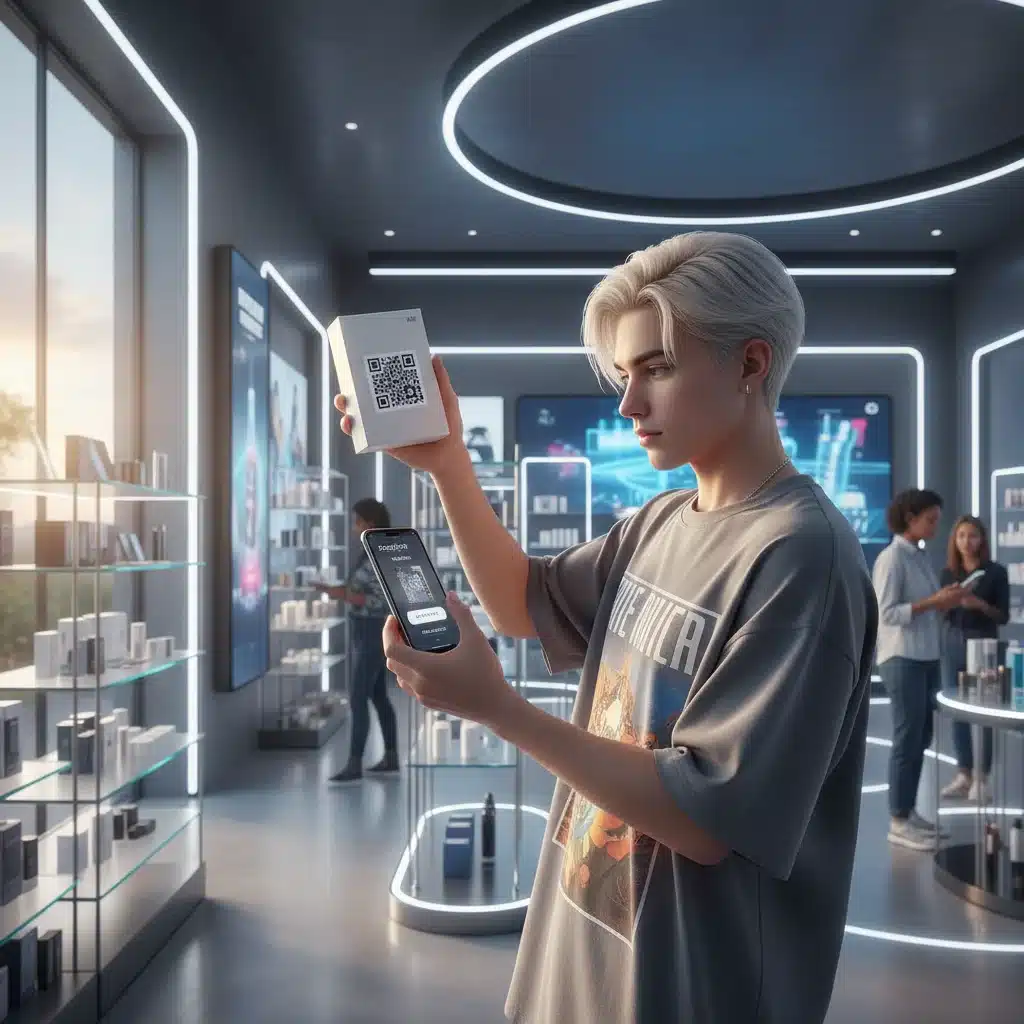
While digital is paramount, Gen Z still values physical experiences. The concept of ‘phygital’ – the seamless integration of physical and digital worlds – is central to their shopping journey. This could mean using augmented reality (AR) to virtually try on clothes, scanning QR codes in-store to access extended product information or reviews, or using in-store pickup options for online orders. Physical stores are evolving from mere transaction points to experiential hubs, offering opportunities for community building, product discovery, and immersive brand interactions that complement their online presence.
For 2026, successful retailers will offer unified commerce experiences where a customer’s journey can fluidly move between online and offline channels without friction. Inventory visibility across all channels, consistent pricing, and personalized service whether online or in-store are non-negotiable. This holistic approach to retail is a defining characteristic of the evolving Gen Z shopping trends.
Values-Driven Consumption: Authenticity, Sustainability, and Social Impact
Perhaps one of the most significant shifts driven by Gen Z is the move towards values-driven consumption. This generation is acutely aware of global issues, from climate change to social inequality, and they expect the brands they support to be equally conscious. Their purchasing decisions are increasingly influenced by a brand’s stance on these issues, making authenticity, sustainability, and social impact critical components of their Gen Z shopping trends.
Authenticity and Transparency: The Non-Negotiables
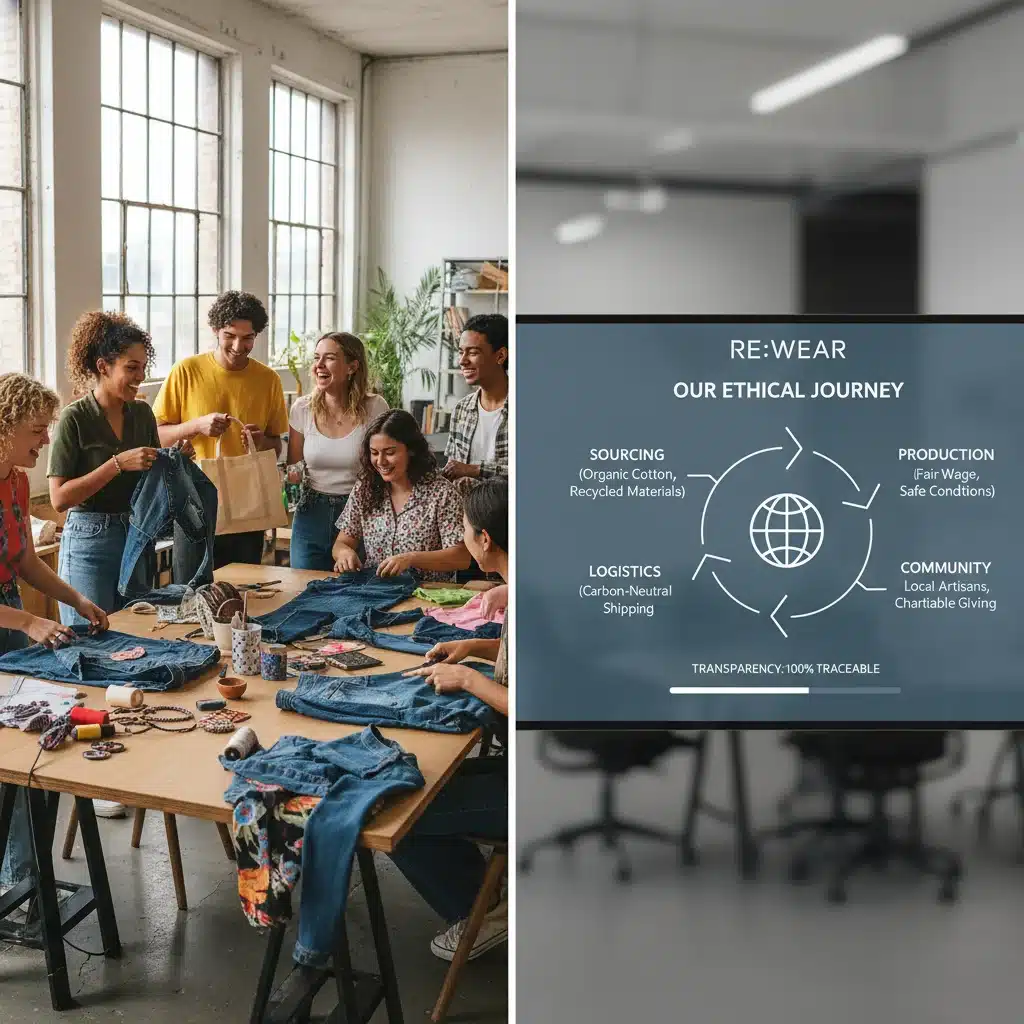
Gen Z has a finely tuned BS detector. They crave authenticity from brands, which means clear, honest communication about everything from product sourcing to labor practices. Greenwashing – making unsubstantiated claims about environmental friendliness – is quickly called out and can lead to significant reputational damage. Brands must be genuinely committed to their stated values, not just paying lip service.
Transparency extends to pricing, ingredient lists, supply chains, and even brand leadership. Openness about challenges and efforts to improve, rather than presenting a facade of perfection, resonates more deeply. Brands that share their story, their mission, and their impact in a genuine way will build trust and loyalty among Gen Z consumers. This level of honesty is a core expectation within the Gen Z shopping trends.
Sustainability as a Core Expectation, Not a Niche
For Gen Z, sustainability is not a trend; it’s a fundamental expectation. They are deeply concerned about the environmental impact of their consumption and actively seek out brands that demonstrate a genuine commitment to eco-friendly practices. This includes everything from sustainable sourcing and production methods to biodegradable packaging and circular economy initiatives (e.g., repair, reuse, recycle programs).
Brands that can clearly articulate their sustainability efforts and provide tangible proof of their impact will gain a significant advantage. Certifications, transparent supply chain tracking, and clear communication about environmental footprints are becoming standard requirements. The willingness to pay a premium for sustainable products is also on the rise among Gen Z, indicating that this is a value they are willing to invest in. This commitment to sustainability is a major driver of Gen Z shopping trends.
Social Impact and Brand Purpose: Beyond Profit
Gen Z expects brands to have a purpose beyond simply generating profit. They want to support companies that contribute positively to society, whether through ethical labor practices, charitable donations, community engagement, or advocating for social justice issues. Brands that take a stand on important social and political issues, as long as it’s authentic and aligns with their core values, are more likely to earn their loyalty.
This doesn’t mean brands should jump on every social bandwagon. Rather, it means identifying causes that genuinely resonate with their brand identity and making meaningful, consistent contributions. Storytelling around these initiatives is crucial – not just what they’re doing, but why and what impact it’s having. Brands that demonstrate a clear, positive social impact will foster a deeper emotional connection with Gen Z consumers, making it a powerful element of Gen Z shopping trends.
Experience Over Ownership: The Value of Access and Community
While previous generations often equated success with ownership, Gen Z often prioritizes experiences and access. This shift influences their purchasing decisions, leading to a greater interest in rental models, subscriptions, and products that facilitate unique experiences or foster a sense of community. This fundamental shift in perception is shaping Gen Z shopping trends significantly.
The Subscription Economy and Rental Models
The popularity of subscription services, from streaming platforms to curated product boxes, reflects Gen Z’s preference for access over outright ownership. This extends to fashion rental services, car-sharing programs, and even tool libraries. They appreciate the flexibility, cost-effectiveness, and often, the sustainability aspect of these models. Brands that can offer subscription or rental options for their products or services may tap into a significant market segment.
The key is to offer value beyond just the product. A subscription might include exclusive content, early access to new releases, or personalized recommendations. Rental models can offer variety and reduce waste. Understanding how to integrate these ‘access-based’ models into their offerings will be a crucial strategy for brands navigating the Gen Z shopping trends of 2026.
Community and Co-Creation: The Desire for Belonging
Despite their digital immersion, Gen Z has a strong desire for community and belonging. They seek out brands that facilitate connections with like-minded individuals, whether through online forums, in-person events, or co-creation opportunities. Brands that can successfully build and nurture these communities will foster incredibly loyal customers.
This could involve inviting customers to participate in product design, soliciting feedback on new features, or creating user-generated content campaigns. Brands that empower their customers to be part of their journey, rather than just passive consumers, will resonate deeply. The sense of being part of something larger, a movement or a tribe, is a powerful motivator for Gen Z. This emphasis on community is a defining characteristic of Gen Z shopping trends.
Personal Expression and Identity: Products as Self-Extension
For Gen Z, products are often an extension of their personal brand and identity. They use their purchases to express who they are, what they believe in, and what communities they belong to. This drives a demand for customization, personalization, and unique items that stand out from the crowd. Mass-produced, generic items hold less appeal.
Brands that offer opportunities for customization, whether it’s personalized engravings, build-your-own product options, or limited-edition collaborations, will cater to this desire for individuality. Furthermore, products that allow for creative expression, such as art supplies, digital creation tools, or unique fashion pieces, will continue to be popular. Understanding how products enable self-expression is vital for comprehending Gen Z shopping trends.
Navigating the Gen Z Landscape in 2026: Strategies for Success
To effectively engage with the Gen Z shopping trends in 2026, brands must adopt a multi-faceted approach that prioritizes authenticity, digital fluency, and a genuine commitment to values. Here are some actionable strategies:
1. Embrace a Digital-First, Mobile-Only Mindset
Optimize all digital experiences for mobile devices. This means fast loading times, intuitive interfaces, and seamless checkout processes on smartphones. Invest in social commerce capabilities and explore emerging platforms where Gen Z spends their time. Consider augmented reality (AR) features for product visualization and virtual try-ons.
2. Lead with Purpose and Transparency
Clearly articulate your brand’s values and mission. Back up sustainability claims with concrete actions and transparent reporting. Engage in social causes that genuinely align with your brand identity. Be open and honest about your supply chain, pricing, and manufacturing processes. Authenticity builds trust, which is currency with Gen Z.
3. Foster Community and Co-Creation
Create platforms and opportunities for Gen Z consumers to connect with your brand and with each other. Invite them to be part of the product development process, solicit their feedback, and celebrate user-generated content. Cultivate a sense of belonging and shared purpose around your brand.
4. Personalize Experiences, Responsibly
Leverage data to offer highly personalized product recommendations, content, and offers. Ensure transparency in data collection and usage, giving customers control over their information. Focus on making personalization feel helpful and value-adding, rather than intrusive.
5. Innovate with Flexible Consumption Models
Explore subscription services, rental options, and circular economy initiatives. Gen Z is open to alternative consumption models that offer flexibility, reduce waste, and provide access to a wider range of products or experiences without the burden of full ownership.
6. Invest in Experiential Retail
For physical spaces, shift focus from pure transaction to creating immersive brand experiences. Offer workshops, events, interactive displays, and opportunities for community gathering. Integrate digital elements within the physical store to create a seamless phygital journey.
7. Partner with Authentic Voices
Move beyond traditional celebrity endorsements and seek out micro- and nano-influencers who genuinely connect with their audience and align with your brand’s values. Prioritize long-term relationships over one-off campaigns to build deeper credibility.
The Future is Now: Adapting to Gen Z’s Influence
The Gen Z shopping trends are not just fleeting fads; they represent a fundamental shift in consumer expectations that will continue to evolve and shape the market for decades to come. Their digital fluency, combined with a strong ethical compass and a desire for authentic, personalized experiences, means that brands must be agile, responsive, and genuinely committed to their values.
By understanding and embracing these core behaviors – their hyper-connectivity, values-driven consumption, and preference for experiences over ownership – businesses can build stronger, more meaningful relationships with this powerful generation. The brands that successfully decode the 2026 Gen Z shopping psyche will not only capture market share but will also build a sustainable and resilient future for their businesses in an ever-changing world. Ignoring these trends is no longer an option; adapting and innovating is the only path forward. The time to prepare for the future of Gen Z shopping trends is now.
The insights provided here are not merely predictions but a synthesis of current observable patterns and the inherent trajectory of a generation that has always known a world connected by the internet. Their purchasing power continues to grow, and their influence on older generations is also undeniable. Therefore, the strategies outlined for engaging with Gen Z will likely have a broader positive ripple effect across your entire customer base.
In conclusion, the 2026 Gen Z consumer is complex, informed, and powerful. They are not just buying products; they are buying into brands that reflect their world view. Brands that listen, adapt, and genuinely connect on a deeper level will be the ones that thrive in this exciting new era of retail, driven by the unique and evolving Gen Z shopping trends.
Author