
Upskill for Growth: How US Workers Can Achieve a 15% Salary Increase by 2027 Through Targeted Education
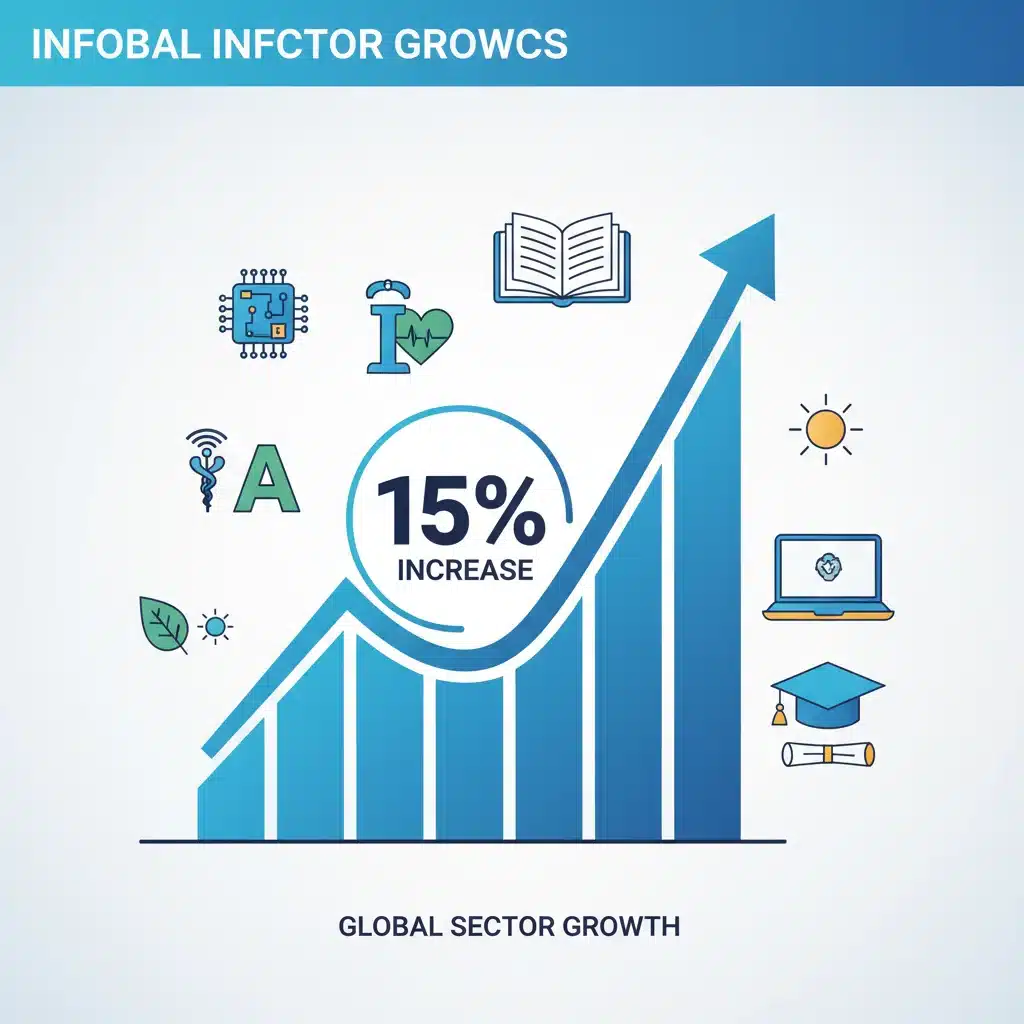
In an ever-evolving global economy, the landscape of work is shifting at an unprecedented pace. For US workers, this presents both challenges and unparalleled opportunities. The good news? A significant salary increase is within reach for many. Industry experts and economic forecasts suggest that with strategic upskilling and targeted education, US workers can realistically aim for a 15% salary increase by 2027. This isn’t just wishful thinking; it’s a roadmap built on understanding market demands, embracing new technologies, and investing in one’s own human capital.
The concept of lifelong learning has never been more critical. The days of a single degree carrying you through an entire career are largely behind us. Today, continuous learning, adaptability, and the acquisition of new, in-demand skills are the true currency of career advancement. This comprehensive guide will delve into the ‘how’ and ‘why’ of this ambitious yet achievable goal, providing actionable insights for every US worker looking to boost their income and secure their professional future.
Anúncios
The Shifting Sands of the US Job Market: Why Upskilling is Non-Negotiable
The US job market is currently undergoing a profound transformation, driven by several key factors:
- Technological Advancements: Automation, Artificial Intelligence (AI), machine learning, and big data are reshaping industries from manufacturing to healthcare. Jobs that once required repetitive manual tasks are being automated, while new roles requiring digital literacy and analytical skills are emerging.
- Globalization: The interconnectedness of the world economy means that US workers are competing on a global stage. This demands specialized skills that offer a competitive edge.
- Changing Consumer Demands: Consumer expectations for personalized services, instant gratification, and ethical production are forcing businesses to innovate, which in turn creates new skill requirements for their workforce.
- Demographic Shifts: An aging workforce and evolving generational values are influencing workplace culture and skill needs.
Against this backdrop, the ability to upskill US workers becomes paramount. It’s not just about learning a new software program; it’s about developing a growth mindset, understanding emerging trends, and proactively acquiring the competencies that will be most valued in the coming years. Those who embrace this challenge will be the ones who not only maintain their employment but thrive, commanding higher salaries and greater job satisfaction.
Identifying High-Growth Sectors and In-Demand Skills for US Workers
To achieve a 15% salary increase by 2027, US workers must strategically identify where the growth is happening. Focusing on skills that are projected to be in high demand is crucial. Here are some key sectors and associated skills:
Anúncios
1. Technology and Digital Transformation
This sector continues to be a powerhouse for salary growth. Within technology, certain areas are experiencing explosive demand:
- Artificial Intelligence (AI) and Machine Learning: Skills in AI development, data science, machine learning engineering, and prompt engineering are highly sought after. Understanding how to leverage AI tools, even without being a developer, is becoming essential across many roles.
- Cybersecurity: With increasing cyber threats, demand for cybersecurity analysts, engineers, and architects is skyrocketing. Protecting digital assets is a top priority for businesses of all sizes.
- Cloud Computing: Expertise in platforms like AWS, Azure, and Google Cloud is critical for infrastructure management, development, and data storage. Cloud architects and engineers are in high demand.
- Data Analytics and Business Intelligence: The ability to collect, analyze, and interpret large datasets to inform business decisions is invaluable. Skills in SQL, Python, R, and visualization tools like Tableau or Power BI are key.
- Software Development (Specialized): While general coding skills remain important, specialization in areas like full-stack development, mobile app development, or specific programming languages (e.g., Go, Rust) can lead to higher compensation.
2. Healthcare and Life Sciences
The healthcare sector is constantly innovating and expanding, driven by an aging population and advancements in medical science.
- Health Informatics: Combining IT with healthcare, this field focuses on managing and analyzing health data. Skills in electronic health records (EHR) systems, data privacy (HIPAA compliance), and analytics are vital.
- Telemedicine and Digital Health: As healthcare delivery shifts, professionals skilled in remote patient monitoring, telehealth platforms, and digital health solutions are increasingly needed.
- Biotechnology and Pharmaceuticals: Research and development roles, clinical trial management, and regulatory affairs specialists are in demand.
- Specialized Nursing and Allied Health Roles: Advanced practice registered nurses (APRNs), physician assistants (PAs), and specialized therapists often command higher salaries.
3. Green Economy and Sustainability
The global push towards sustainability is creating entirely new industries and job categories.
- Renewable Energy Technicians: Expertise in solar panel installation, wind turbine maintenance, and smart grid technology.
- Environmental Engineering and Science: Roles focused on sustainable resource management, pollution control, and climate change mitigation.
- Sustainability Consulting: Helping businesses adopt environmentally friendly practices and meet regulatory requirements.
4. Advanced Manufacturing and Robotics
Modern manufacturing is highly automated and technologically sophisticated.
- Robotics and Automation Technicians: Operating, programming, and maintaining robotic systems.
- Additive Manufacturing (3D Printing): Design and operation of 3D printing technologies for industrial applications.
- Supply Chain Management with AI/Data: Optimizing supply chains using advanced analytics and AI.
By focusing on these areas, US workers can target their upskilling efforts to maximize their potential for a 15% salary increase.
The 15% Salary Increase Blueprint: Actionable Strategies to Upskill US Workers
Achieving a significant salary bump by 2027 requires a proactive and structured approach. Here’s a blueprint for US workers to follow:
Step 1: Self-Assessment and Goal Setting
Before diving into new courses, take stock of your current skills, interests, and career aspirations. Ask yourself:
- What are my core strengths?
- What skills do I genuinely enjoy using or learning?
- What industries or roles excite me?
- Where do I see myself in 3-5 years?
- What is my current salary, and what is a realistic 15% increase target?
Research job descriptions for roles that align with your goals and identify the common skills listed. This will help you pinpoint specific areas for development. For example, if you’re a marketing professional, you might aim to upskill US workers in advanced digital marketing analytics or AI-powered content creation.
Step 2: Choosing the Right Educational Pathways
The good news is that there are more flexible and accessible learning options than ever before:
- Online Courses and Certifications: Platforms like Coursera, edX, Udacity, and LinkedIn Learning offer specialized courses and professional certificates from top universities and industry leaders. These are often flexible and more affordable than traditional degrees. Look for programs with strong industry recognition.
- Bootcamps: Intensive, short-term programs (typically 3-6 months) designed to teach specific, in-demand skills like coding, data science, or cybersecurity. Many offer job placement assistance.
- Community Colleges and Vocational Schools: These institutions offer practical, hands-on training in trades and technical fields that are experiencing growth. They are often more affordable and locally accessible.
- Employer-Sponsored Training: Many companies are investing in their employees’ development. Inquire about internal training programs, tuition reimbursement, or professional development budgets.
- Industry Conferences and Workshops: Attending these events can provide valuable insights into emerging trends, networking opportunities, and mini-courses on specific topics.
- Self-Study and Personal Projects: Don’t underestimate the power of self-directed learning. Use online tutorials, open-source resources, and personal projects to build a portfolio and demonstrate your new skills.
Step 3: Practical Application and Portfolio Building
Learning a new skill is only half the battle; applying it is crucial. To truly upskill US workers effectively, focus on:
- Hands-on Projects: Work on personal projects, volunteer for relevant tasks at your current job, or participate in hackathons. A demonstrable portfolio of work is often more valuable than a certificate alone.
- Internships or Apprenticeships: If you’re transitioning to a completely new field, a short-term internship or apprenticeship can provide invaluable real-world experience.
- Mentorship: Seek out mentors in your desired field who can offer guidance, feedback, and networking opportunities.
Step 4: Networking and Personal Branding
Your network is your net worth. Actively engage with professionals in your target industries:
- LinkedIn: Optimize your profile to highlight new skills and certifications. Connect with industry leaders and participate in relevant groups.
- Industry Events: Attend virtual or in-person meetups, conferences, and webinars.
- Informational Interviews: Reach out to professionals for brief chats about their roles and industry insights. This can open doors to opportunities.
- Personal Website/Blog: Showcase your projects, expertise, and thought leadership.
Step 5: Negotiating Your Worth
Once you’ve acquired new, in-demand skills, you’re in a stronger position to negotiate a higher salary. Be prepared to:
- Research Market Rates: Use sites like Glassdoor, LinkedIn Salary, and Payscale to understand the compensation range for roles requiring your new skills.
- Quantify Your Value: Be ready to articulate how your new skills will directly benefit your employer (e.g., increased efficiency, new revenue streams, cost savings).
- Practice Negotiation: Rehearse your pitch and be confident in your ask.
Overcoming Barriers to Upskilling for US Workers
While the benefits of upskilling are clear, many US workers face common hurdles. Addressing these proactively is essential:
1. Time Constraints
Balancing work, family, and education can be challenging. Strategies include:
- Microlearning: Breaking down learning into small, manageable chunks.
- Flexible Programs: Opting for self-paced online courses or evening/weekend bootcamps.
- Time Blocking: Dedicating specific, protected time slots for learning.
- Employer Support: Discussing flexible work arrangements or dedicated learning time with your employer.
2. Financial Investment
Education can be expensive, but it’s an investment with a high ROI. Consider:
- Free and Low-Cost Resources: Many platforms offer free introductory courses, tutorials, and open-source materials.
- Scholarships and Grants: Explore options from educational institutions, professional organizations, and government programs.
- Employer Sponsorship: Many companies offer tuition reimbursement or professional development funds.
- Payment Plans: Many bootcamps and online programs offer flexible payment options.
- Tax Deductions: Educational expenses related to your current job may be tax-deductible.
3. Fear of Change or Failure
Stepping out of your comfort zone can be daunting. Remember:
- Start Small: Begin with a short course or a personal project to build confidence.
- Focus on Growth Mindset: View challenges as opportunities to learn and grow.
- Seek Support: Connect with peers, mentors, or career coaches who can offer encouragement.
- Remember the Long-Term Benefits: A 15% salary increase and enhanced career security are powerful motivators.
By consciously addressing these barriers, US workers can make their upskilling journey more sustainable and successful.
Case Studies: Real-World Success Stories of Upskilling US Workers
To illustrate the power of strategic education, let’s look at hypothetical but realistic examples of US workers who leveraged upskilling for significant salary increases:
Case Study 1: Sarah, from Administrative Assistant to Data Analyst
Sarah, a 32-year-old administrative assistant in a mid-sized marketing firm, earned $45,000 annually. She noticed her company was increasingly relying on data for decision-making but lacked in-house expertise. Intrigued, she started taking free online courses in Excel and SQL in her evenings. After six months, she enrolled in a six-month, part-time data analytics bootcamp. She used her administrative skills to manage project data at her current job, applying her new SQL and Python knowledge. Upon completion, she applied for an internal Data Analyst position and successfully transitioned, with her salary jumping to $60,000 – a 33% increase. The company valued her institutional knowledge combined with her new, in-demand skills. This demonstrates how to upskill US workers from within an organization.
Case Study 2: Mark, from Traditional Marketing Manager to Digital Marketing Strategist
Mark, a 45-year-old marketing manager, had a strong background in traditional advertising but saw the industry shifting rapidly towards digital. His $80,000 salary had plateaued. He decided to invest in a professional certification in Advanced Digital Marketing, focusing on SEO, SEM, and social media analytics, which took him about 8 months of part-time study. He also volunteered to manage his company’s social media campaigns and analyze website traffic. Within a year, he leveraged his new expertise to secure a Digital Marketing Strategist role at a tech startup, commanding a salary of $95,000, followed by another increase to $105,000 within 18 months – a total increase of over 30%. His ability to demonstrate tangible results from his digital efforts was key.
Case Study 3: Jessica, from Retail Manager to Cybersecurity Technician
Jessica, 28, was a retail store manager earning $55,000, but felt unfulfilled and saw limited growth potential. She had always been interested in technology. After researching high-demand fields, she decided on cybersecurity. She enrolled in a full-time, intensive cybersecurity bootcamp. It was a significant commitment, requiring her to take a temporary pay cut by working part-time during the program. After graduating, she secured an entry-level Cybersecurity Technician role at $65,000. With continuous learning and certifications (like CompTIA Security+), she quickly moved up, reaching $75,000 within two years – a 36% increase from her retail manager salary. Jessica is a prime example of how to successfully upskill US workers for a complete career pivot.
These stories highlight that a 15% salary increase is not only possible but often exceeded when individuals commit to strategic upskilling.

The Role of Employers in Upskilling US Workers
While individual initiative is crucial, employers also play a vital role in fostering an upskilled workforce. Companies that invest in their employees’ development often see higher retention rates, increased productivity, and a more adaptable workforce. Forward-thinking companies are:
- Offering Internal Training Programs: Developing in-house academies or partnerships with educational providers.
- Providing Tuition Reimbursement: Financial support for external courses and degrees.
- Creating Mentorship Programs: Pairing experienced employees with those looking to grow.
- Fostering a Culture of Learning: Encouraging continuous development and providing time for learning during work hours.
- Skill Gap Analysis: Proactively identifying future skill needs and training current employees to fill those gaps.
US workers should actively seek out employers who prioritize professional development, as this can significantly accelerate their path to a 15% salary increase and beyond.
Future-Proofing Your Career: Beyond 2027
Achieving a 15% salary increase by 2027 is an excellent short-to-medium term goal, but the journey of upskilling doesn’t end there. The pace of change will only accelerate. To truly future-proof your career, consider these long-term strategies:
- Embrace Adaptability: The most valuable skill in the coming decades will be the ability to learn new skills quickly and adapt to new technologies and methodologies.
- Develop Soft Skills: While technical skills are crucial, don’t neglect soft skills like critical thinking, problem-solving, creativity, communication, collaboration, and emotional intelligence. These are often difficult for AI to replicate and are highly valued in any role.
- Stay Informed: Regularly read industry publications, follow thought leaders, and participate in professional communities to stay abreast of emerging trends and technologies.
- Build a Personal Learning Network: Connect with peers and experts who can share knowledge and provide diverse perspectives.
- Consider Hybrid Skills: The most valuable professionals often possess a blend of technical expertise and business acumen, or creative skills combined with analytical capabilities. For instance, a data scientist who can also tell a compelling story with data is exceptionally valuable.
By continuously investing in themselves, US workers can ensure not just a 15% salary increase by 2027, but sustained career growth and financial stability for years to come.
Conclusion: Your Path to Increased Earning Potential
The aspiration for a 15% salary increase by 2027 for US workers is not merely an optimistic projection; it’s a tangible outcome for those willing to embrace strategic upskilling and targeted education. The evolving job market demands a proactive approach to skill acquisition, particularly in high-growth sectors like technology, healthcare, and the green economy.
By conducting a thorough self-assessment, choosing relevant educational pathways, applying new knowledge through practical projects, and strategically networking, US workers can significantly enhance their earning potential. Overcoming common barriers like time and cost through flexible learning options and financial planning is also critical.
The future of work belongs to the continuous learner. By committing to professional development, every US worker has the power to transform their career trajectory, achieve substantial salary growth, and secure a resilient future in an increasingly dynamic world. Start your upskilling journey today, and position yourself among the US workers who will thrive in the coming years.