Healthcare Access Reshaped: Legislative Changes Impacting Millions in 2026

Anúncios
Exclusive Report: How Recent Legislative Changes Will Reshape Healthcare Access for Millions in the US Starting January 2026
Anúncios
The United States healthcare landscape is perpetually in motion, a complex tapestry woven with policy, economics, and human need. As we approach January 2026, a significant set of legislative changes is poised to dramatically reshape healthcare access for millions across the nation. This exclusive report delves deep into these forthcoming alterations, analyzing their potential impacts, identifying beneficiaries and those who may face new challenges, and offering insights into how individuals and healthcare providers can prepare for this monumental shift. The central theme revolves around understanding how these legislative shifts will fundamentally alter the way Americans interact with and receive healthcare services. The impending changes are not merely incremental adjustments; they represent a concerted effort to address long-standing issues within the healthcare system, from affordability and coverage gaps to the quality and equity of care. By examining the specifics of these legislative reforms, we can begin to grasp the full scope of their transformative potential.
The discussion around healthcare access changes has been ongoing for decades, with various administrations attempting to tackle the intricate problems of a system that, while providing cutting-edge medical advancements, often leaves many behind. The current legislative package, slated for implementation in early 2026, is a culmination of extensive debate, compromise, and a shared recognition that the status quo is unsustainable for a significant portion of the population. Our goal here is to provide a comprehensive, unbiased overview, equipping you with the knowledge needed to navigate this evolving environment.
Understanding the Core Legislative Pillars of Healthcare Access Changes
At the heart of the upcoming reforms are several key legislative pillars, each designed to address specific facets of healthcare provision and consumption. These pillars collectively aim to broaden coverage, reduce out-of-pocket costs, and improve the overall efficiency and quality of care. It’s crucial to understand each component to fully appreciate the integrated nature of these changes and their combined effect on healthcare access changes.
Anúncios
Expansion of Eligibility and Subsidies for Health Insurance
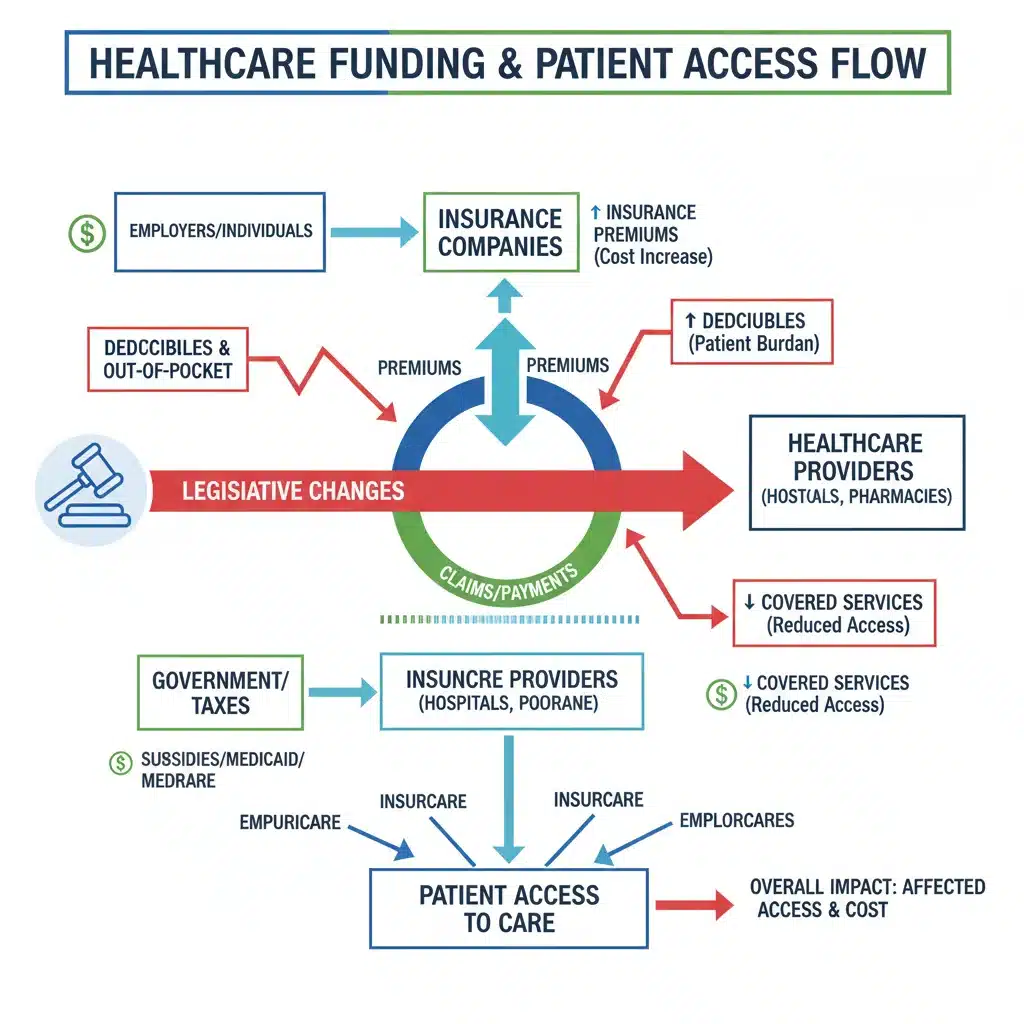
One of the most significant aspects of the new legislation is the expansion of eligibility criteria for federal health insurance subsidies and an increase in the amount of those subsidies for certain income brackets. This move is intended to make health insurance more affordable for a wider range of Americans, particularly those in the middle-income tiers who often find themselves caught between not qualifying for Medicaid and struggling to afford private market plans. The aim is to significantly reduce the uninsured rate and ensure that more individuals have the financial means to purchase adequate health coverage. This expansion is projected to bring millions more into the insured population, thereby directly impacting their ability to seek timely medical attention and preventive care. The implications for individuals, families, and even small businesses are substantial, as they may find previously unaffordable options now within reach. This directly addresses a critical barrier to healthcare access changes: financial burden.
Prescription Drug Cost Containment Measures
Another major focus is on curbing the escalating costs of prescription drugs. The new legislation introduces several mechanisms to negotiate drug prices, particularly for high-cost medications, and caps out-of-pocket spending for beneficiaries in certain programs. This has been a long-standing demand from consumer advocacy groups and a significant point of contention with pharmaceutical companies. The goal is to make essential medicines more accessible and affordable, reducing the financial strain on patients with chronic conditions or those requiring specialized treatments. By bringing down drug costs, the legislation seeks to remove a major hurdle that often prevents individuals from adhering to their prescribed treatment plans, thereby improving health outcomes and reducing the overall burden of disease. These measures are expected to have a profound effect on the affordability aspect of healthcare access changes.
Strengthening Mental Health and Substance Use Disorder Services
Recognizing the growing crisis in mental health and substance use disorders, the legislative changes include provisions to strengthen parity requirements, ensuring that coverage for mental health and substance use disorder services is comparable to that for medical and surgical care. Furthermore, there are investments in expanding the mental health workforce and improving access to integrated care models. This is a critical step towards destigmatizing mental health issues and ensuring that individuals receive the comprehensive care they need. The focus on integrated care means that mental health services will be more seamlessly incorporated into primary care settings, making it easier for individuals to access support without navigating complex referral systems. This holistic approach is vital for comprehensive healthcare access changes.
Addressing Rural Healthcare Disparities
Rural communities often face unique challenges in accessing healthcare, including provider shortages, long travel distances, and limited specialty services. The new legislation allocates significant funding and implements policies aimed at bolstering rural healthcare infrastructure, increasing the number of healthcare professionals in underserved areas, and expanding telehealth services. This targeted approach seeks to bridge the urban-rural divide in healthcare access, ensuring that geographical location does not dictate the quality or availability of essential medical care. The expansion of telehealth, in particular, is seen as a game-changer for rural populations, allowing them to consult with specialists and receive ongoing care without having to travel great distances. This is a direct intervention to improve healthcare access changes in underserved regions.
Projected Impact on Different Populations
The legislative changes are not expected to impact all Americans equally. While the overarching goal is to improve healthcare access changes for the majority, specific demographic groups and economic segments will experience these reforms in distinct ways.
Low- to Middle-Income Families
This demographic is anticipated to be among the primary beneficiaries of the expanded subsidies and increased affordability of health insurance. Many families who previously found themselves unable to afford comprehensive coverage, or who were forced to choose high-deductible plans that limited their actual access to care, will likely find more robust options within their financial reach. The reduction in out-of-pocket costs for prescription drugs will also provide significant relief, allowing these families to better manage chronic conditions and unexpected medical expenses. This group will see the most immediate and tangible improvements in their healthcare access changes.
Seniors and Individuals with Chronic Conditions
Seniors, particularly those on fixed incomes, and individuals managing chronic conditions often bear the brunt of high prescription drug costs and frequent medical appointments. The drug price negotiation measures and caps on out-of-pocket spending are expected to provide substantial financial relief, making necessary medications and treatments more affordable. Furthermore, improvements in care coordination and integrated services could lead to better health outcomes for these vulnerable populations. The focus on affordability and continuity of care directly addresses key challenges faced by these groups, leading to positive healthcare access changes.
Rural Residents
As mentioned, rural residents are poised to benefit significantly from the targeted investments in rural healthcare infrastructure and the expansion of telehealth services. This will not only improve access to primary care but also to specialty services that were previously unavailable or required extensive travel. The increased presence of healthcare professionals in these areas will also help address critical shortages and improve the overall quality of care available locally. These are crucial healthcare access changes for geographical equity.
Small Businesses and Their Employees
Small businesses often struggle to provide affordable health insurance options for their employees. While the legislation primarily targets individual market subsidies, the overall reduction in healthcare costs and increased stability within the insurance market could indirectly benefit small employers by potentially leading to more stable premium costs and a healthier workforce. Furthermore, employees who gain access to more affordable coverage through individual marketplaces may place less pressure on small businesses to offer extensive (and expensive) benefits. The ripple effect of broader healthcare access changes can be felt across the economy.
Challenges and Potential Drawbacks
While the legislative changes aim to improve healthcare access, it is also important to consider potential challenges and drawbacks. No large-scale reform is without its complexities and unintended consequences.
Provider Capacity and Workforce Shortages
An increase in the insured population, while beneficial, could strain an already stretched healthcare workforce. If more people gain access to insurance, demand for services will inevitably rise. Without a corresponding increase in the number of doctors, nurses, and other healthcare professionals, particularly in specialties and underserved areas, wait times could lengthen, and the quality of care could be inadvertently affected. This highlights the need for continued investment in healthcare education and training programs to support the new landscape of healthcare access changes.
Implementation Complexities
The rollout of such comprehensive legislative changes is always a massive undertaking. There will likely be administrative complexities, technical challenges in updating systems, and a need for extensive public education to ensure that individuals understand their new options and how to navigate the reformed system. Effective communication and robust support mechanisms will be crucial for a smooth transition. The success of healthcare access changes hinges on efficient implementation.
Financial Implications for the Federal Budget
The expanded subsidies and other spending initiatives will undoubtedly have significant implications for the federal budget. While proponents argue that the long-term benefits of a healthier population and reduced emergency care costs will offset these expenditures, the immediate financial outlay will be substantial and a point of ongoing political debate. The sustainability of these healthcare access changes will be a continuous point of evaluation.
Preparing for the Future of Healthcare Access
As January 2026 approaches, both individuals and healthcare providers must begin to prepare for the new realities of healthcare access changes. Proactive engagement and informed decision-making will be key to maximizing the benefits and mitigating potential challenges.
For Individuals and Families
- Stay Informed: Regularly check official government websites, reputable news sources, and healthcare advocacy groups for updates on the specific details of the legislative changes. Understanding your new eligibility and options is paramount.
- Review Your Coverage: As the implementation date nears, carefully review your current health insurance plan. Compare it with the new options that become available, paying close attention to premiums, deductibles, out-of-pocket maximums, and covered services.
- Seek Guidance: Don’t hesitate to consult with health insurance navigators, brokers, or financial advisors who specialize in healthcare planning. They can help you understand the nuances of the new system and choose the best plan for your needs.
- Advocate for Yourself: Be prepared to ask questions of your providers and insurers. Understand your rights and responsibilities under the new legislation.
For Healthcare Providers and Organizations
- Adapt Administrative Systems: Hospitals, clinics, and other healthcare organizations will need to update their billing, coding, and patient management systems to align with the new regulatory requirements and insurance structures.
- Invest in Workforce Development: To meet the anticipated increase in demand, providers should consider strategies to recruit, train, and retain healthcare professionals, particularly in underserved specialties and regions.
- Expand Telehealth Capabilities: The emphasis on telehealth, especially for rural access, means that providers should continue to invest in and expand their virtual care offerings, ensuring they are secure, efficient, and user-friendly.
- Focus on Integrated Care Models: With the push for stronger mental health services, developing or enhancing integrated care models that seamlessly combine physical and mental healthcare will be crucial.
- Educate Staff and Patients: Healthcare organizations have a vital role in educating their staff about the new policies and helping patients understand how these changes will affect their care and financial responsibilities.

The Long-Term Vision: A More Equitable Healthcare System?
The legislative changes slated for January 2026 represent a significant step towards a potentially more equitable and accessible healthcare system in the United States. While challenges are inevitable during such a large-scale transformation, the stated goals of increased affordability, expanded coverage, and improved quality of care address fundamental issues that have plagued the system for decades. The success of these reforms will ultimately depend on effective implementation, ongoing evaluation, and a willingness to adapt as new data emerges. The long-term vision is one where healthcare access changes mean fewer Americans are forced to choose between medical care and other essential needs, where geographical location is less of a barrier to quality treatment, and where mental health is given the same priority as physical health.
These reforms also underscore a broader societal shift in how healthcare is viewed – not merely as a commodity, but as a fundamental right and a crucial determinant of individual and national well-being. By tackling issues like prescription drug costs and rural disparities, the legislation aims to create a more resilient and responsive healthcare infrastructure that can better serve the diverse needs of the American population. The journey to a truly universal and equitable healthcare system is complex and ongoing, but the 2026 legislative changes mark a pivotal moment in that evolution. It is a moment that demands attention, understanding, and proactive engagement from all stakeholders.
Conclusion
The legislative changes coming in January 2026 are poised to fundamentally reshape healthcare access changes for millions across the United States. From expanding insurance subsidies to containing prescription drug costs and bolstering rural healthcare, these reforms touch upon nearly every aspect of the American medical system. While the path to implementation may present its own set of hurdles, the potential for a more affordable, accessible, and equitable healthcare landscape is significant. By staying informed, preparing proactively, and engaging with the new system, individuals and providers alike can navigate this evolving environment and contribute to a healthier future for all.
This report has aimed to provide a comprehensive overview of the anticipated impacts, offering a roadmap for understanding the complexities and opportunities that lie ahead. The conversation around healthcare is continuous, and these changes are a testament to the ongoing effort to build a system that truly serves the needs of every American. As we move closer to 2026, continued vigilance and adaptation will be essential to realize the full potential of these transformative reforms in healthcare access changes.
Author