Buy Now Pay Later: Consumer Debt Perception 2026

Anúncios
In the rapidly evolving landscape of consumer finance, few phenomena have captured as much attention, and indeed, transformed spending habits, as the rise of ‘Buy Now, Pay Later’ (BNPL) services. What began as a niche payment option has burgeoned into a mainstream financial tool, deeply embedded in the purchasing journeys of millions globally. As we cast our gaze towards 2026, understanding the intricate relationship between BNPL and consumer debt perception becomes not just pertinent, but critical for consumers, regulators, and financial institutions alike. This comprehensive exploration delves into the nuances of how individuals perceive the debt incurred through BNPL, the underlying psychological factors, and the broader financial implications projected for the coming years.
The Meteoric Rise of BNPL and Its Allure
The appeal of BNPL is undeniable. It offers the immediate gratification of acquiring goods or services without the upfront cost, often with zero interest if payments are made on time. For many, it represents a flexible, accessible alternative to traditional credit cards, especially for younger demographics or those with limited credit history. The simplicity of the application process, often integrated seamlessly at the point of sale, further lowers the barrier to entry, making impulse purchases even more tempting. The perception is often that BNPL is ‘not really debt’ because it lacks the traditional interest charges associated with credit cards, or because the payment terms are short and manageable.
Anúncios
However, this perception can be a double-edged sword. While it facilitates purchases and can be a useful budgeting tool for some, it also has the potential to obscure the true nature of the financial obligation. The ease with which multiple BNPL arrangements can be entered into can lead to an accumulation of smaller debts that, when combined, represent a significant financial burden. This is where the core challenge of BNPL debt perception lies – bridging the gap between perceived convenience and actual financial commitment.
By 2026, industry analysts predict that BNPL will continue its aggressive expansion, fueled by technological advancements, broader merchant adoption, and evolving consumer expectations. The global BNPL market size is projected to reach hundreds of billions of dollars, underscoring its pervasive influence on the retail and financial sectors. This growth trajectory necessitates a deeper dive into the consumer psyche, particularly regarding how debt through these platforms is understood and managed.
Consumer Psychology: The ‘Invisible’ Debt Phenomenon
One of the most compelling aspects of BNPL debt perception is its psychological impact. Unlike a traditional loan or credit card statement that clearly delineates a large, overarching debt, BNPL often breaks down payments into smaller, more digestible installments. This ‘chunking’ effect can make the total amount seem less daunting and reduce the psychological friction associated with incurring debt. Consumers may feel they are simply managing their cash flow rather than taking on a new financial obligation.
Anúncios
Moreover, the marketing of BNPL services often emphasizes ‘interest-free’ payments, which can inadvertently downplay the ‘debt’ aspect. While technically true if paid on time, it can lead consumers to overlook the potential for late fees, which can be substantial, or the impact on their credit score if payments are missed. The human brain is wired to seek immediate rewards and avoid immediate pain, and BNPL taps directly into this by offering instant gratification (the purchase) while deferring the ‘pain’ (the full cost) into smaller, future increments.
The digital nature of BNPL transactions further contributes to this ‘invisible’ debt phenomenon. Without the tangible exchange of cash or the physical swipe of a credit card, the act of spending can feel less real. Payments are often automated, disappearing from bank accounts without the conscious effort of writing a check or manually initiating a transfer. This automation, while convenient, can detach consumers from the reality of their financial commitments, making it harder to track overall spending and accumulated debt.
By 2026, as BNPL services become even more integrated into our digital lives, the psychological mechanisms at play will only intensify. Understanding these mechanisms is crucial for developing responsible consumption habits and for financial literacy initiatives aimed at educating consumers about the true cost and implications of their choices. The challenge lies in making the ‘invisible’ debt visible and fostering a more realistic BNPL debt perception among users.
The Financial Impact: A Closer Look at 2026 Projections
As we project forward to 2026, the financial implications of widespread BNPL adoption are multifaceted. On one hand, BNPL can genuinely empower consumers by providing access to goods and services they might otherwise delay or forgo, especially during periods of economic uncertainty. It can also serve as a useful tool for managing irregular income streams, allowing consumers to spread out larger purchases over time without incurring interest.
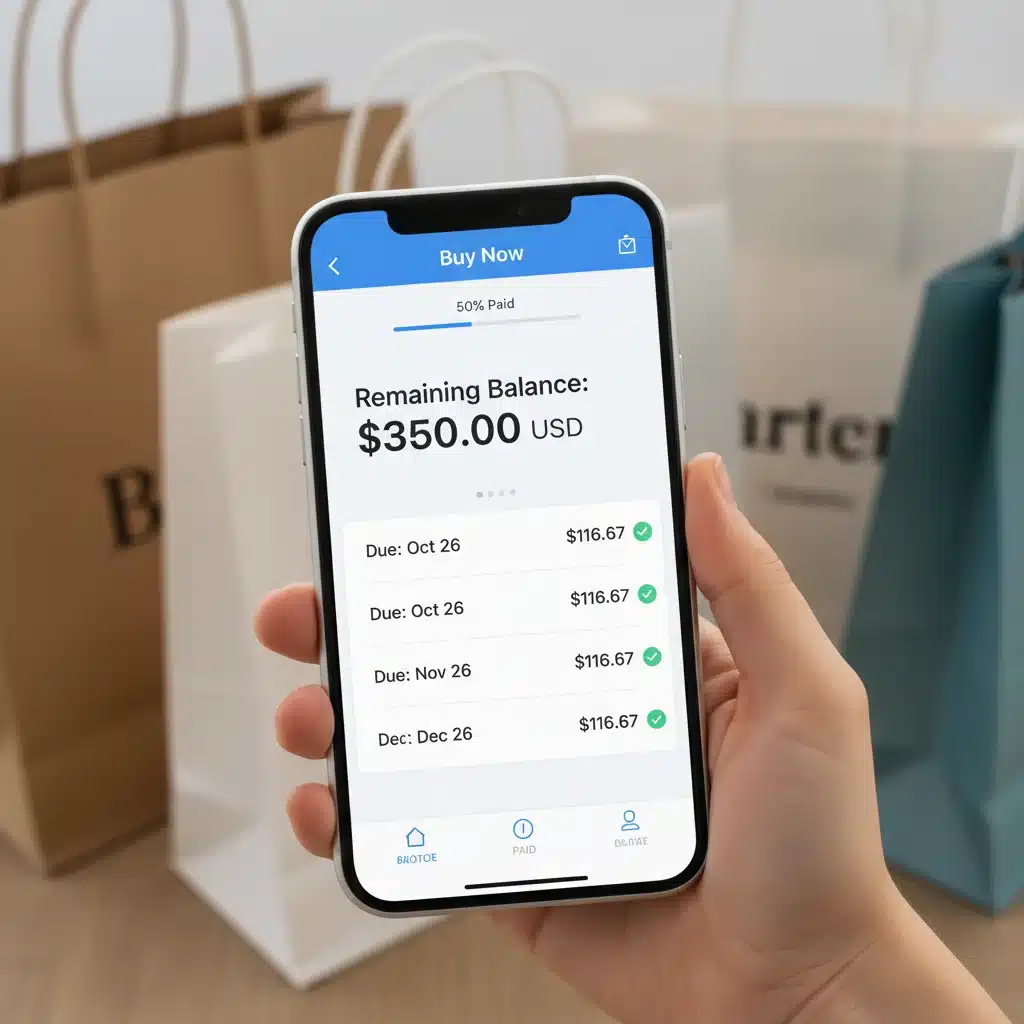
On the other hand, the ease of access can lead to overspending and an accumulation of debt that consumers may struggle to manage. Reports already indicate a rising trend in consumers utilizing multiple BNPL providers simultaneously, making it increasingly difficult to keep track of various payment schedules and total outstanding balances. This fragmentation of debt can create a false sense of security, as no single BNPL provider sees the full picture of a consumer’s financial obligations. This fragmented view significantly complicates accurate BNPL debt perception.
By 2026, we anticipate increased scrutiny from regulators regarding responsible lending practices within the BNPL sector. Concerns about consumer protection, particularly for vulnerable populations, are likely to drive new regulations aimed at improving transparency, enhancing affordability assessments, and ensuring clearer reporting of BNPL obligations to credit bureaus. This regulatory push will be critical in shaping future BNPL debt perception.
Furthermore, the impact on credit scores is a significant area of concern. While some BNPL providers are beginning to report payment history to credit bureaus, not all do, and the methodology varies. This inconsistency can make it challenging for traditional lenders to accurately assess a borrower’s creditworthiness, potentially affecting access to larger loans like mortgages or car financing. Conversely, missed BNPL payments, if reported, can negatively impact credit scores, trapping consumers in a cycle of high-cost credit.
The broader economic landscape in 2026 will also play a crucial role. Inflationary pressures, rising interest rates, and potential economic downturns could exacerbate existing financial vulnerabilities for consumers heavily reliant on BNPL. What seems like a manageable payment plan during stable times can quickly become a significant burden when household budgets are stretched thin. This highlights the urgent need for consumers to develop a robust understanding of their financial commitments, including those made through BNPL services.
Navigating the Regulatory Landscape and Industry Evolution
The rapid expansion of BNPL has naturally attracted the attention of regulators worldwide. Governments and financial authorities are grappling with how to categorize and regulate these services, which often fall into a grey area between traditional credit products and simple payment plans. By 2026, a more standardized and comprehensive regulatory framework is expected to emerge in many key markets. This will likely include requirements for clearer disclosure of terms and conditions, robust affordability checks, and mechanisms for dispute resolution.
The aim of such regulations is not to stifle innovation but to ensure consumer protection and prevent the accumulation of unsustainable debt. For instance, some proposed regulations aim to mandate that BNPL providers report all payment activity to credit bureaus, offering a more complete picture of a consumer’s financial health. This move could significantly alter BNPL debt perception, as consumers would more readily recognize these obligations as traditional forms of credit.
The industry itself is also evolving. We are seeing a trend towards consolidation, with larger financial institutions acquiring or partnering with BNPL specialists. This could lead to a more integrated financial ecosystem where BNPL is offered alongside other banking products, potentially leading to more responsible lending practices and better oversight. Furthermore, some BNPL providers are exploring new revenue models beyond late fees, such as subscription services or premium features, which could reduce the reliance on penalties and align incentives more closely with consumer financial well-being.
Another significant development by 2026 will be the increasing integration of financial literacy tools within BNPL platforms themselves. Features such as spending trackers, debt calculators, and personalized financial advice could become standard, helping consumers to better manage their obligations and improve their overall BNPL debt perception. This proactive approach from the industry, potentially driven by regulatory pressure or competitive differentiation, would be a positive step towards fostering more responsible usage.
Strategies for Responsible BNPL Use and Improved Debt Perception
For consumers, navigating the BNPL landscape in 2026 requires a proactive and informed approach. Here are key strategies to ensure responsible usage and maintain a healthy BNPL debt perception:
- Understand the Terms: Always read the fine print. Be aware of payment schedules, late fees, and any interest charges that may apply if payments are missed or if the promotional period ends.
- Budgeting is Key: Integrate BNPL payments into your overall budget. Treat each installment as a fixed expense and ensure you have sufficient funds to cover it without compromising other essential outgoings.
- Limit Simultaneous BNPL Plans: Avoid taking on too many BNPL arrangements at once. Managing multiple payment schedules can quickly become overwhelming and lead to missed payments. Keep a centralized record of all your BNPL obligations.
- Consider the ‘Why’: Before using BNPL, ask yourself if you truly need the item and if you could afford it outright. BNPL should be a tool for managing cash flow, not for purchasing items beyond your means.
- Monitor Your Credit Report: Regularly check your credit report to see if BNPL payments are being reported and how they are impacting your score. This helps in understanding the long-term financial implications.
- Seek Financial Advice: If you find yourself struggling to manage BNPL payments or other debts, seek advice from a financial counselor. Early intervention can prevent minor issues from escalating into major financial crises.
Educating oneself about the potential pitfalls and benefits is paramount. The convenience offered by BNPL should not overshadow the fundamental principles of sound financial management. By adopting these strategies, consumers can harness the benefits of BNPL while mitigating the risks associated with accumulating invisible debt.
The Future of Consumer Debt and BNPL in 2026
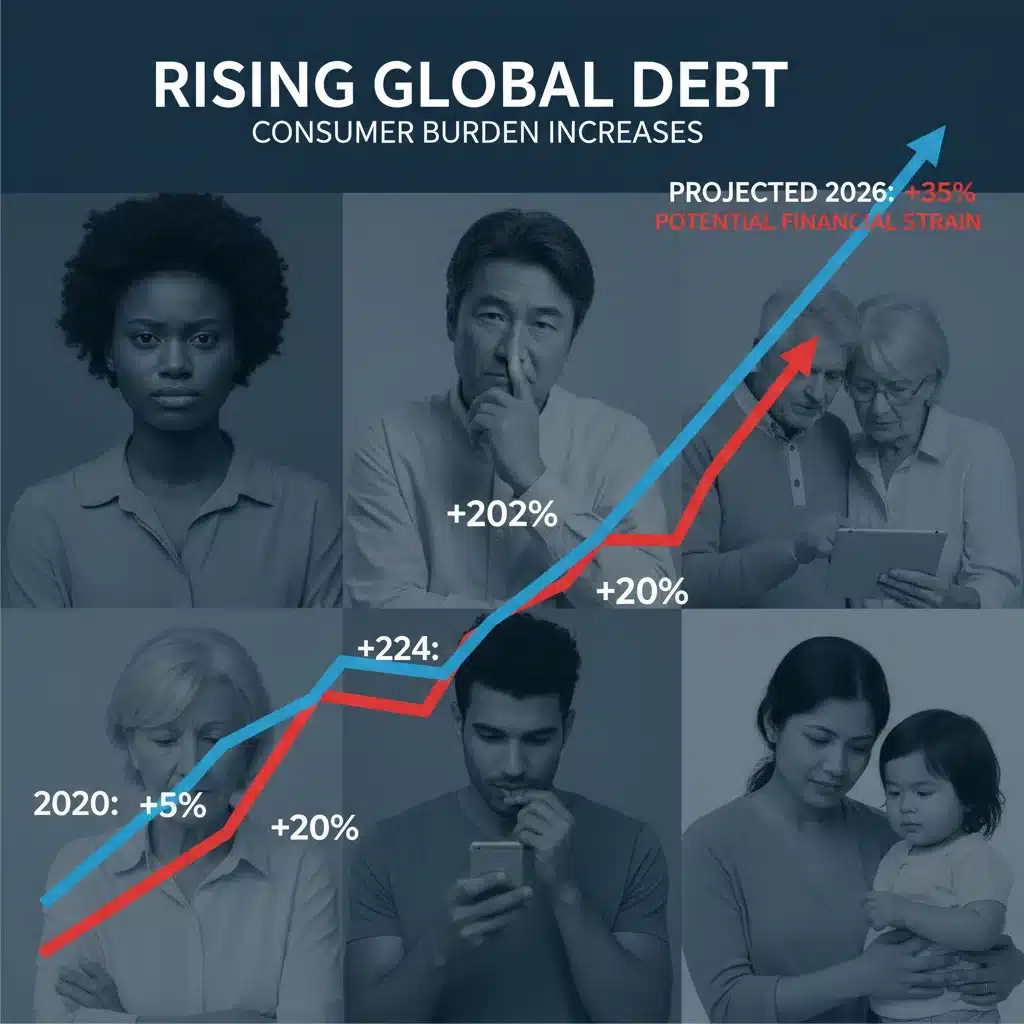
Looking ahead to 2026, the trajectory of consumer debt, particularly influenced by BNPL, appears to be one of continued growth, albeit with increasing layers of regulation and consumer awareness. The innovative spirit behind BNPL will likely push further into new sectors, such as healthcare, travel, and even B2B transactions, expanding its reach and impact. This expansion will necessitate a continuous re-evaluation of BNPL debt perception as it becomes even more ubiquitous.
We can expect a more sophisticated approach from BNPL providers in how they engage with consumers. Personalization, driven by AI and data analytics, will likely offer tailored payment plans and spending insights, aiming to foster more responsible use. However, the ethical implications of such data usage and potential for algorithmic bias will also be a key area of discussion and regulation.
Financial literacy will emerge as a cornerstone in mitigating the risks associated with BNPL. Educational campaigns, both government-led and industry-backed, will be crucial in equipping consumers with the knowledge to make informed decisions. The goal will be to shift the narrative from ‘interest-free’ convenience to a more holistic understanding of financial responsibility, where BNPL is viewed as a form of credit with real consequences.
Ultimately, the success of BNPL as a sustainable financial product hinges on a delicate balance: maintaining its user-friendly appeal while ensuring it does not inadvertently push consumers into unsustainable debt. By 2026, the industry, regulators, and consumers will have a clearer picture of this balance. The evolution of BNPL debt perception will be a key indicator of whether this balance is successfully achieved, leading to a more transparent and equitable financial ecosystem.
Conclusion: A Call for Informed Consumerism
The ‘Buy Now, Pay Later’ phenomenon is more than just a payment trend; it’s a significant shift in consumer finance, reshaping how individuals interact with credit and debt. As we approach 2026, the importance of understanding BNPL debt perception cannot be overstated. While offering unparalleled convenience and flexibility, these services also carry inherent risks, particularly if not managed responsibly. The ‘invisible’ nature of BNPL debt, coupled with the psychological allure of immediate gratification, necessitates a heightened level of consumer awareness and financial literacy.
The coming years will undoubtedly bring further regulatory refinements, technological advancements, and evolving business models within the BNPL sector. For consumers, the imperative is clear: embrace the convenience, but do so with a full understanding of the financial commitment. Treat BNPL as a form of credit, integrate it into your financial planning, and remain vigilant about your overall debt obligations. By fostering informed consumerism, we can collectively navigate the BNPL boom, ensuring it serves as a tool for financial empowerment rather than a pathway to unforeseen debt. The future of consumer finance, particularly regarding BNPL, will be defined by how effectively we address and shape this critical perception of debt.
Author