
Public Health Alerts for Spring 2026: Important Updates from the CDC on National Wellness
As we step into Spring 2026, the Centers for Disease Control and Prevention (CDC) issues crucial public health alerts to ensure the well-being of communities nationwide. This season, known for renewal and outdoor activities, also brings its unique set of health challenges. Understanding these challenges and adopting proactive measures is paramount for maintaining national wellness. This comprehensive guide will delve into the latest CDC advisories, offering actionable insights and preventive strategies to keep you and your loved ones healthy.
The CDC’s commitment to safeguarding public health involves continuous monitoring of disease patterns, environmental factors, and emerging health threats. Their alerts are not merely warnings; they are calls to action, empowering individuals and communities with the knowledge needed to make informed decisions. From seasonal allergies to infectious disease outbreaks, and from mental health considerations to environmental hazards, Spring 2026 presents a multifaceted landscape of health concerns that require our collective attention. Our focus here is to distill these complex advisories into easily digestible information, ensuring that every citizen is equipped to navigate the spring season safely and healthily.
Anúncios
Understanding the Current Landscape of Public Health Alerts
The beginning of Spring 2026 sees the CDC highlighting several key areas of concern. These public health alerts are designed to address both persistent health challenges and newly emerging threats. A significant portion of these alerts revolves around respiratory illnesses, given the continued circulation of various pathogens. While influenza and COVID-19 remain central, the CDC is also monitoring other respiratory viruses that can lead to significant morbidity, especially among vulnerable populations. Seasonal allergies, a perennial spring issue, are also receiving renewed attention due to potential exacerbation of respiratory symptoms and their impact on overall quality of life.
Beyond infectious diseases, environmental health concerns are gaining prominence. As temperatures rise and outdoor activities increase, alerts regarding vector-borne diseases (such as Lyme disease and West Nile virus) become more critical. The CDC emphasizes the importance of personal protection measures and community-level vector control programs. Furthermore, with the increasing frequency and intensity of extreme weather events, preparedness for natural disasters and their associated health risks is a recurring theme in the Spring 2026 advisories. These comprehensive alerts underscore the dynamic nature of public health and the need for constant vigilance and adaptability.
Another crucial aspect of the current public health landscape is mental health. The CDC continues to underscore the importance of mental well-being as an integral component of national wellness. Spring can bring about changes in mood and energy levels, and for some, it can trigger or exacerbate mental health conditions. The alerts include recommendations for recognizing signs of distress, seeking support, and promoting resilience within communities. This holistic approach to health acknowledges that physical, environmental, and mental factors are interconnected and equally vital for a thriving society. The goal of these public health alerts is not to instill fear, but to foster an informed and prepared populace.
Anúncios
Key Infectious Disease Updates for Spring 2026
Infectious diseases remain a primary focus of CDC’s public health alerts. For Spring 2026, several key updates are relevant:
- Respiratory Viruses (Influenza, COVID-19, RSV): While vaccination rates have improved, continued vigilance is necessary. The CDC recommends staying up-to-date with vaccinations, practicing good hand hygiene, and considering masking in crowded indoor settings, especially for those at high risk. New variants of concern are continually being monitored, and the public will be informed promptly of any significant shifts in transmissibility or severity. Testing remains a critical tool for early detection and preventing wider spread.
- Gastrointestinal Illnesses: Spring gatherings and increased travel can lead to a rise in foodborne and waterborne illnesses. The CDC reinforces safe food handling practices, proper water treatment, and awareness of common pathogens like Norovirus and Salmonella. Outbreaks in community settings such as schools and daycares are specifically highlighted, urging enhanced sanitation protocols.
- Vector-Borne Diseases: As ticks and mosquitoes become more active, the risk of diseases like Lyme disease, Rocky Mountain spotted fever, and West Nile virus increases. The CDC advises using EPA-registered insect repellents, wearing protective clothing, and checking for ticks after outdoor activities. Community-level mosquito control programs are also encouraged to reduce breeding sites.
- Measles and Other Vaccine-Preventable Diseases: Despite high vaccination coverage, sporadic outbreaks of highly contagious diseases like measles can occur, often linked to international travel or unvaccinated populations. The CDC reiterates the importance of routine childhood immunizations and urges parents to ensure their children are fully vaccinated according to the recommended schedule.
These updates emphasize that even common diseases can pose significant threats if not managed effectively. The layered approach to prevention, combining vaccination, hygiene, and environmental controls, is the most robust defense against these infectious challenges. Public health departments are actively engaged in surveillance and rapid response to any emerging clusters of these illnesses, ensuring that local communities receive tailored guidance. Staying informed through official CDC channels and local health authority advisories is crucial for everyone.
Environmental Health Concerns and Preparedness
Spring 2026 brings renewed attention to environmental factors impacting health. The CDC’s public health alerts in this domain cover a broad spectrum, from seasonal allergens to the implications of changing climate patterns.
Seasonal Allergies and Asthma Management
For millions, spring signifies the onset of seasonal allergies, triggered by pollen from trees, grasses, and weeds. This year, the CDC notes that pollen counts in some regions are projected to be particularly high, potentially leading to more severe symptoms. Individuals with pre-existing respiratory conditions, such as asthma, are especially vulnerable. The alerts recommend:
- Monitoring local pollen forecasts and limiting outdoor exposure on high-pollen days.
- Keeping windows closed and using air conditioning with HEPA filters.
- Showering and changing clothes after spending time outdoors to remove pollen.
- Consulting healthcare providers for effective allergy and asthma management plans, including appropriate medications.
- Recognizing the difference between allergy symptoms and early signs of respiratory infections to ensure proper treatment.
Effective management of seasonal allergies not only improves quality of life but also prevents complications that could strain healthcare resources. The CDC also highlights the importance of school nurses and workplace health programs in supporting individuals with chronic respiratory conditions during peak allergy season.
Vector-Borne Disease Prevention Strategies
As mentioned, vector-borne diseases are a significant concern. The CDC provides detailed guidance on preventing bites from ticks and mosquitoes. Beyond personal repellents, community-level interventions are critical. This includes:
- Draining standing water around homes to eliminate mosquito breeding sites.
- Maintaining lawns and clearing brush to reduce tick habitats.
- Supporting local public health efforts in surveillance and control of vector populations.
- Educating outdoor enthusiasts, gardeners, and pet owners about protective measures.
Early detection and treatment of vector-borne illnesses are essential to prevent severe outcomes. The public health alerts encourage individuals to be aware of symptoms and seek medical attention if they suspect a bite-related illness. Public awareness campaigns are being intensified in high-risk areas to ensure maximum reach and impact.
Extreme Weather Preparedness
The unpredictability of weather patterns necessitates robust preparedness plans. Spring 2026 public health alerts from the CDC include advisories for:
- Flooding: Risks associated with contaminated water, mold growth, and displacement. Recommendations include having emergency kits, knowing evacuation routes, and avoiding contact with floodwaters.
- Tornadoes and Severe Storms: Emphasizing the importance of emergency shelters, communication plans, and first aid training.
- Heatwaves: Even in spring, early heatwaves can pose risks. Staying hydrated, seeking cool environments, and checking on vulnerable individuals are key.
Community resilience is built on individual preparedness. The CDC urges families to develop emergency plans, assemble emergency kits, and stay informed about local weather forecasts and advisories. Collaborative efforts between emergency management agencies and public health departments are vital for an integrated response to severe weather events, ensuring that health aspects are prioritized during recovery.
Promoting Mental Health and Wellness
Mental health is a cornerstone of national wellness, and the CDC’s public health alerts for Spring 2026 place a strong emphasis on this area. The transition into spring can sometimes bring about mood changes, and ongoing societal pressures continue to impact mental well-being.
The CDC encourages individuals to prioritize self-care, which includes adequate sleep, regular physical activity, and a balanced diet. Furthermore, fostering strong social connections and engaging in meaningful activities can significantly boost mental resilience. Recognizing the signs of mental health challenges in oneself and others is crucial. These signs might include prolonged sadness, loss of interest in activities, changes in sleep or appetite, and increased irritability.
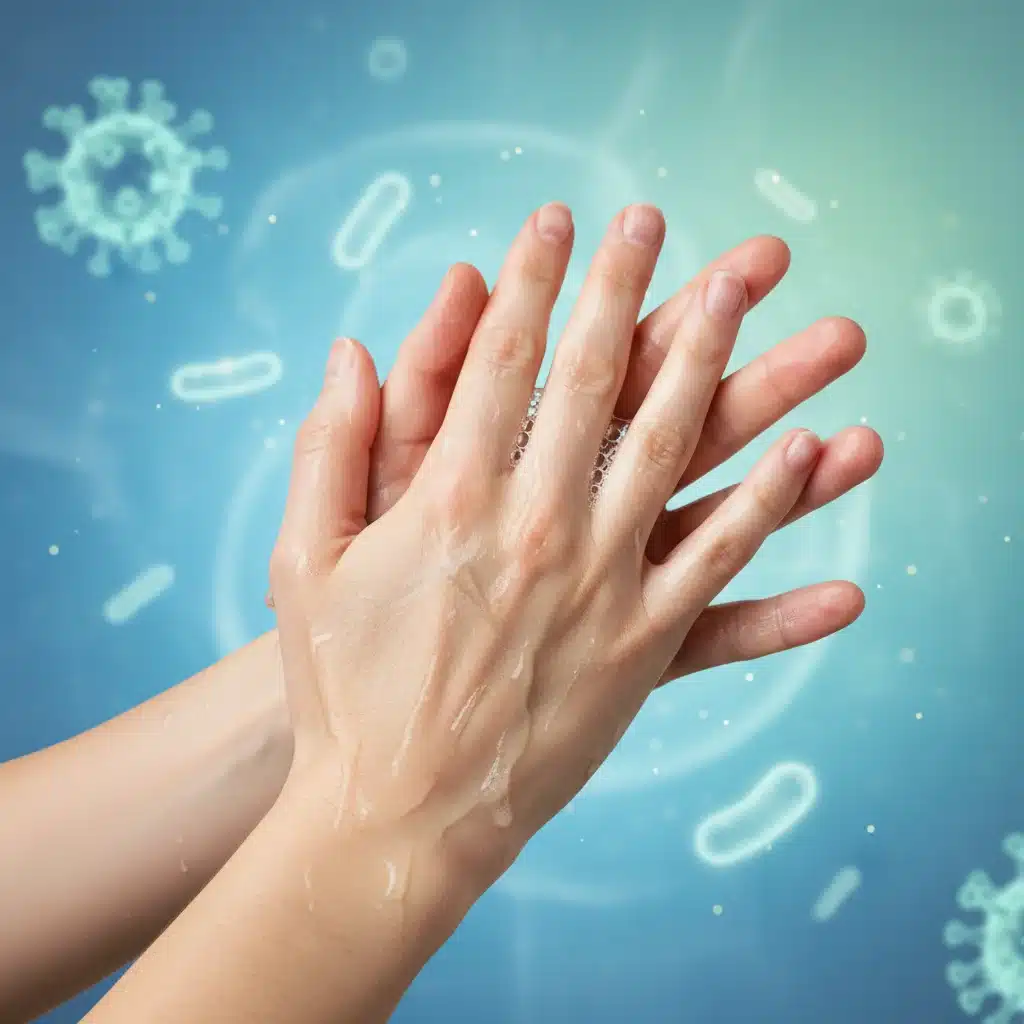
The alerts also highlight the importance of seeking professional help when needed. Mental health services are increasingly accessible, and early intervention can lead to better outcomes. Resources such as crisis hotlines, mental health support groups, and telehealth options are being promoted. Employers and educational institutions are encouraged to implement programs that support mental wellness, reduce stigma, and provide easy access to resources. The CDC emphasizes that a mentally healthy population is a more productive and resilient population, capable of navigating both personal and community challenges effectively. This includes addressing the unique mental health needs of specific populations, such as youth, seniors, and those with chronic conditions, through targeted interventions and culturally sensitive approaches.
Community-Based Mental Health Initiatives
Community-level initiatives play a vital role in promoting mental health. The CDC supports programs that:
- Increase Awareness: Campaigns to educate the public about common mental health conditions, reduce stigma, and encourage help-seeking behavior.
- Provide Support Networks: Establishing peer support groups, community centers, and online platforms where individuals can connect and share experiences.
- Integrate Mental Health into Primary Care: Ensuring that mental health screenings and basic interventions are part of routine medical check-ups.
- Youth Mental Health Programs: Implementing school-based programs that teach coping skills, emotional regulation, and provide early identification of mental health issues in children and adolescents.
- Workplace Wellness Programs: Encouraging employers to create supportive work environments, offer mental health benefits, and provide resources for stress management.
These initiatives aim to build a robust support system for mental well-being, recognizing that mental health is a collective responsibility. The public health alerts underscore that a resilient community is one that prioritizes the mental health of all its members, fostering an environment where individuals feel safe, supported, and empowered to thrive.
Specific Vulnerable Populations and Targeted Advisories
The CDC’s public health alerts often include specific advisories for populations that are particularly vulnerable to certain health risks. For Spring 2026, these include:
Children and Adolescents
Children and adolescents are susceptible to a range of spring-related health issues, from allergies and asthma exacerbations to playground injuries and infectious diseases spread in school settings. The CDC advises:
- Ensuring up-to-date immunizations before spring school breaks and summer camps.
- Educating children on proper hand hygiene and cough etiquette.
- Supervising outdoor play to prevent injuries and ensure appropriate sun protection.
- Addressing mental health needs, especially as academic pressures and social transitions can impact young people.
- Promoting healthy eating habits and physical activity to combat rising rates of childhood obesity.
Parents, guardians, and educators play a critical role in implementing these recommendations. The CDC provides resources tailored for these age groups, emphasizing age-appropriate health education and preventive care. School health programs are identified as crucial hubs for disseminating information and providing immediate health support.
Older Adults
Older adults often face increased risks from seasonal illnesses, chronic conditions, and environmental hazards. The Spring 2026 public health alerts for this group include:
- Staying current with recommended vaccinations, including influenza, pneumonia, and shingles.
- Taking precautions against falls, especially during outdoor activities on uneven terrain.
- Being aware of early signs of dehydration during warmer weather and maintaining adequate fluid intake.
- Ensuring access to essential medications and healthcare services, particularly during severe weather events.
- Maintaining social connections to prevent isolation and support mental well-being.
Caregivers and community organizations are encouraged to actively support older adults in following these advisories. The CDC emphasizes the importance of regular check-ins and facilitating access to health resources, ensuring that this vulnerable population receives the attention and care they need to thrive during the spring season.
Individuals with Chronic Health Conditions
Those with chronic health conditions (e.g., diabetes, heart disease, compromised immune systems) need to be especially diligent. The CDC recommends:
- Working closely with healthcare providers to manage existing conditions and adjust treatment plans as needed for seasonal changes.
- Having an emergency supply of medications and medical equipment.
- Taking extra precautions against infections, as their immune systems may be less robust.
- Understanding how environmental factors, such as air quality and temperature fluctuations, can impact their specific conditions.
Personalized health management plans are critical for this group. The public health alerts serve as a reminder for these individuals to be proactive in their health management and to consult their doctors about any concerns related to the changing season or new health advisories. Access to specialized care and support networks is paramount for maintaining their health and preventing complications.
The Role of Community and Individual Action in National Wellness
Achieving national wellness is a shared responsibility. While the CDC provides invaluable guidance through its public health alerts, the effectiveness of these advisories ultimately depends on collective and individual action. Every person has a role to play in protecting their own health and contributing to the health of their community.
Community engagement is a powerful force in public health. Local health departments, schools, workplaces, and community organizations can amplify CDC messages, tailor them to local contexts, and implement programs that address specific community needs. This includes organizing vaccination clinics, distributing health education materials, establishing healthy food initiatives, and creating safe spaces for physical activity and social interaction. A well-informed and actively engaged community is better equipped to respond to health threats and foster a culture of wellness.
Empowering Individuals for Proactive Health Management
At the individual level, proactive health management involves several key practices:
- Stay Informed: Regularly check official sources like the CDC website and local health department advisories for the latest updates on public health alerts.
- Practice Preventive Measures: Adhere to recommended hygiene practices, get vaccinated, protect against vectors, and manage chronic conditions effectively.
- Be Prepared: Develop personal and family emergency plans, including emergency kits and communication strategies.
- Support Others: Look out for vulnerable neighbors, friends, and family members, and offer assistance when needed.
- Advocate for Health: Participate in community health initiatives and support policies that promote public health and environmental protection.
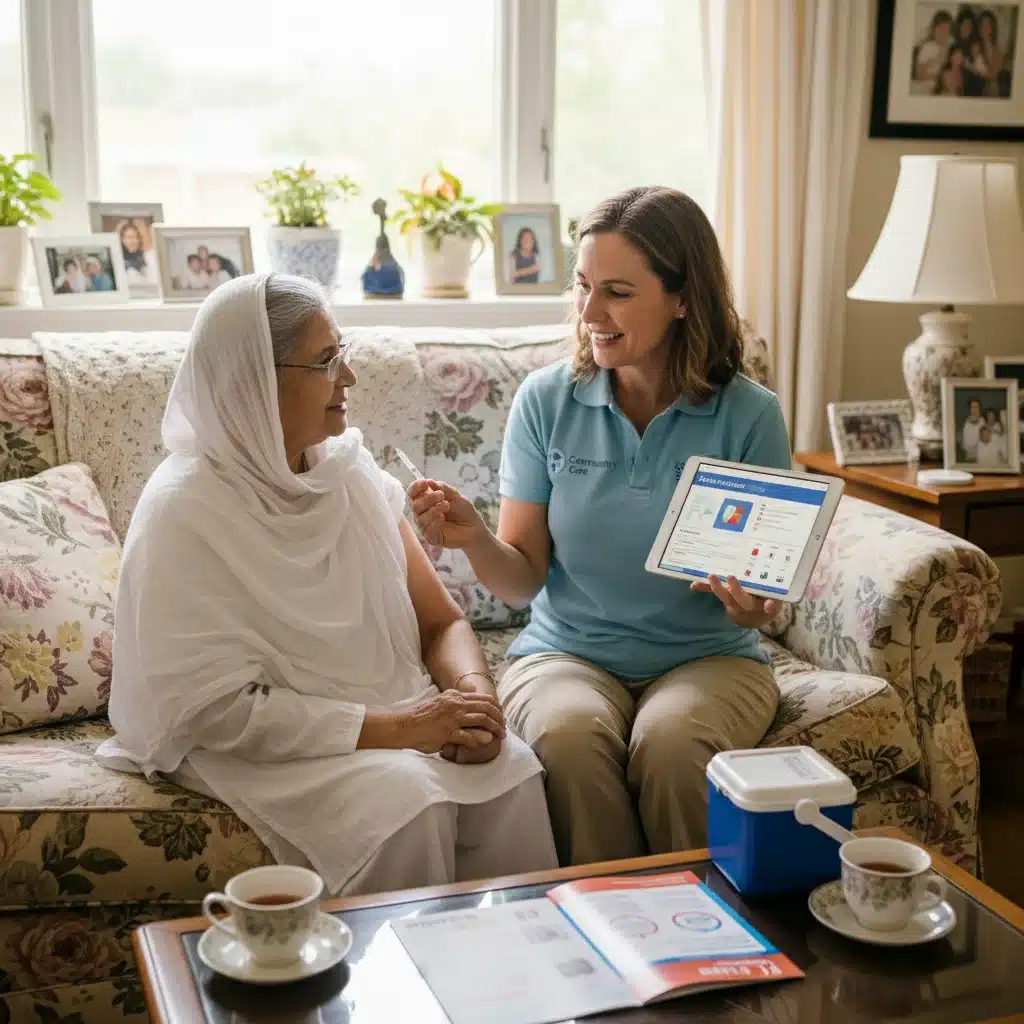
These actions, when adopted widely, create a ripple effect that strengthens the overall health infrastructure. The CDC’s Spring 2026 public health alerts serve as a comprehensive roadmap for navigating the season’s health challenges, but it is the active participation of every citizen that transforms these guidelines into tangible improvements in national wellness. This collective effort ensures that the benefits of public health initiatives are realized across all segments of society, leading to a healthier, more resilient nation.
Looking Ahead: Long-Term Health Strategies
Beyond the immediate Spring 2026 public health alerts, the CDC also emphasizes the importance of long-term health strategies. These strategies aim to build a more resilient and healthier population in the face of evolving global health challenges. This includes sustained investment in public health infrastructure, research and development for new vaccines and treatments, and continuous health education.
One critical aspect is the ongoing effort to address health disparities. The CDC recognizes that certain populations disproportionately bear the burden of disease due to socioeconomic factors, environmental injustices, and unequal access to healthcare. Future initiatives will continue to focus on equitable health outcomes, ensuring that all communities have the resources and support they need to achieve optimal health. This involves targeted interventions, community partnerships, and policies designed to reduce systemic barriers to health.
Furthermore, the integration of technology in public health is becoming increasingly vital. Digital surveillance systems, AI-driven predictive models, and telehealth services are transforming how health alerts are issued, how diseases are tracked, and how care is delivered. The CDC is exploring innovative ways to leverage these technologies to enhance public health preparedness and response capabilities, making information more accessible and interventions more efficient. This forward-looking approach ensures that the nation is not only prepared for current health challenges but also adaptable to future ones.
Building a Culture of Health Literacy
A cornerstone of long-term national wellness is a highly health-literate population. Health literacy refers to an individual’s ability to obtain, process, and understand basic health information and services needed to make appropriate health decisions. The CDC’s public health alerts are just one component of this broader effort. Building a culture of health literacy involves:
- Clear Communication: Ensuring that health information is presented in an understandable, accessible, and actionable manner to diverse audiences.
- Educational Programs: Implementing health education from early childhood through adulthood, covering topics from nutrition and physical activity to disease prevention and mental health.
- Accessible Resources: Providing easy access to reliable health information through various platforms, including digital resources, community centers, and healthcare providers.
- Empowering Patients: Encouraging individuals to ask questions, seek clarification, and actively participate in decisions about their health care.
By fostering a health-literate society, individuals are better equipped to understand and respond to public health alerts, manage their own health, and advocate for healthier communities. This proactive engagement is essential for creating a sustainable framework for national wellness that transcends seasonal challenges and prepares the nation for long-term health resilience. The CDC remains dedicated to this mission, continuously adapting its strategies to meet the evolving health needs of the population.
Conclusion: A Proactive Stance for a Healthy Spring 2026
The public health alerts issued by the CDC for Spring 2026 provide a critical roadmap for navigating the season safely and healthily. From managing infectious diseases and environmental hazards to prioritizing mental well-being, these advisories underscore the multifaceted nature of national wellness. The information presented is not just for awareness but serves as a call to action for individuals, families, and communities to adopt preventive measures and foster a resilient health ecosystem.
By staying informed through official CDC channels, practicing good hygiene, staying up-to-date on vaccinations, and being prepared for environmental challenges, we can collectively mitigate risks and promote a healthier spring. Remember that your individual actions contribute significantly to the broader public health landscape. Let us embrace this season of renewal with a proactive and informed approach, ensuring a vibrant and healthy Spring 2026 for everyone. The journey towards optimal national wellness is continuous, requiring ongoing vigilance, adaptability, and a strong sense of community responsibility. Together, we can build a healthier future.