2026 U.S. Educational Policy Reforms: A Comprehensive Guide for Parents and Students
Anúncios
2026 U.S. Educational Policy Reforms: What Parents and Students Across the U.S. Need to Know
The landscape of education in the United States is continuously evolving, and 2026 is poised to be a pivotal year with significant educational policy reforms on the horizon. These changes are not merely administrative adjustments; they represent a fundamental rethinking of how students learn, how educators teach, and how schools operate. For parents and students across the nation, understanding these upcoming shifts is crucial for effective preparation and successful adaptation. This comprehensive guide will delve into the anticipated reforms, their potential impacts, and offer actionable advice to navigate the future of education.
Anúncios
The impetus for these widespread educational policy reforms stems from a variety of factors, including evolving societal needs, technological advancements, global economic shifts, and a renewed focus on equity and access. Policymakers are striving to create a more resilient, adaptable, and inclusive educational system that can prepare students for the challenges and opportunities of the 21st century. Whether you’re a parent of a kindergartner or a high school senior, these reforms will touch every aspect of the learning journey.
Understanding the Driving Forces Behind the 2026 Educational Policy Reforms
Before diving into the specifics of the 2026 educational policy reforms, it’s essential to grasp the underlying reasons for such extensive changes. Several key drivers are shaping the new educational agenda:
Technological Integration and Digital Literacy
The rapid pace of technological innovation demands a workforce proficient in digital skills. The 2026 reforms are expected to place a greater emphasis on integrating technology into curricula, fostering digital literacy, coding, and computational thinking from an early age. This includes not just using technology as a tool, but understanding its principles and ethical implications.
Anúncios
Equity and Access
A persistent challenge in U.S. education has been the disparity in resources and opportunities across different socioeconomic and geographic lines. The upcoming educational policy reforms aim to address these inequities through targeted funding, expanded access to high-quality instruction, and initiatives designed to support underserved student populations. This might include universal pre-kindergarten programs, increased support for special education, and resources for English language learners.
Skill-Based Learning and Career Readiness
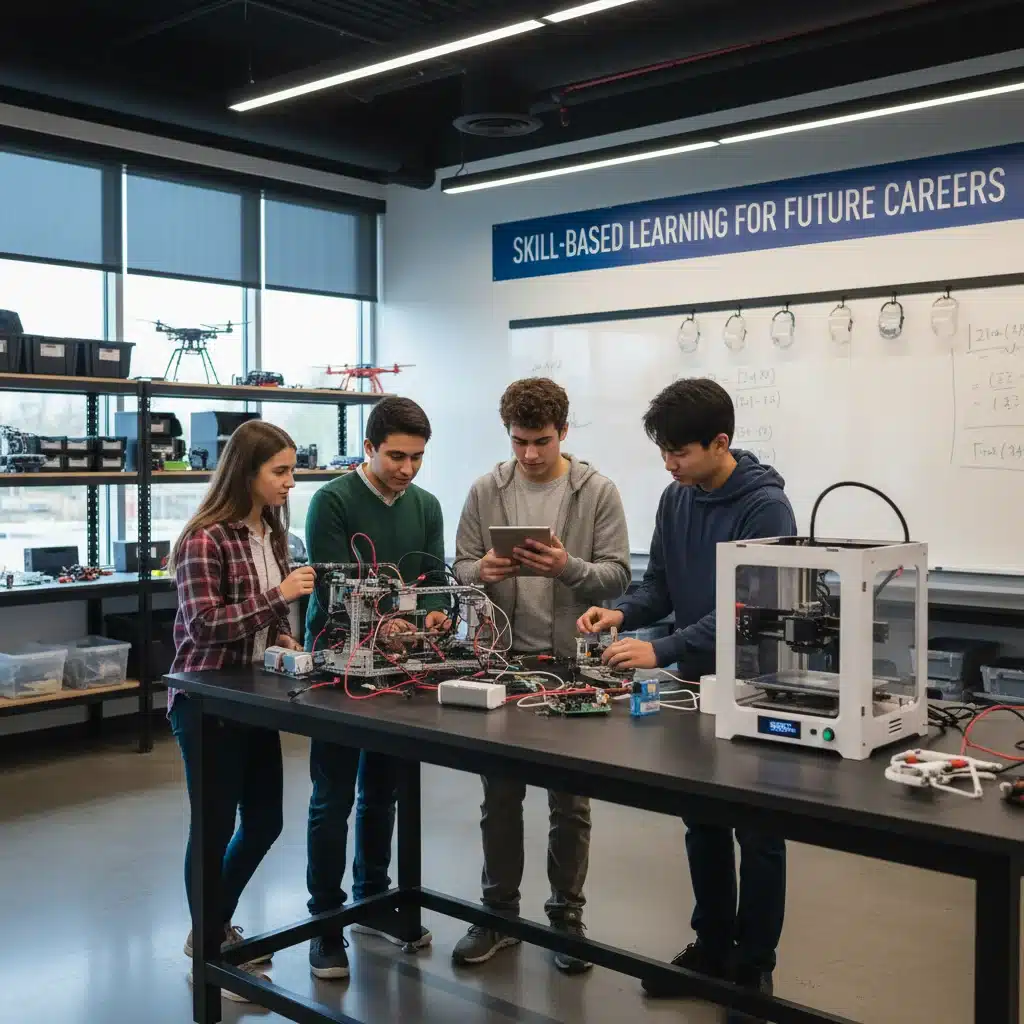
Traditional education often focuses on rote memorization and standardized testing. The 2026 reforms are likely to pivot towards a more skill-based approach, emphasizing critical thinking, problem-solving, collaboration, and creativity. There will be a stronger focus on career readiness, with increased opportunities for vocational training, internships, and partnerships with local industries to ensure students are prepared for the demands of the modern workforce.
Mental Health and Well-being
The growing recognition of the importance of student mental health and well-being is another significant driver. Policies are expected to include provisions for increased mental health support services in schools, social-emotional learning curricula, and strategies to create more supportive and inclusive learning environments. This holistic approach recognizes that academic success is intrinsically linked to overall well-being.
Key Areas of Anticipated Educational Policy Reforms for 2026
While the exact details are still being finalized, several broad areas are expected to see significant educational policy reforms. These categories will likely impact everything from classroom instruction to school administration:
Curriculum and Standards Modernization
Expect a comprehensive review and potential overhaul of state and national academic standards. This could involve updating content to reflect current knowledge and future needs, with a particular focus on STEM (Science, Technology, Engineering, and Mathematics), arts education, and interdisciplinary studies. The goal is to move beyond a fragmented curriculum to one that is more cohesive, relevant, and engaging for students.
Assessment and Accountability Changes
Standardized testing has long been a contentious issue. The 2026 educational policy reforms may introduce new approaches to assessment that are more holistic and less reliant on high-stakes tests. This could include portfolios, project-based assessments, and performance-based tasks that better measure critical thinking and real-world application of knowledge. Accountability measures for schools and districts might also shift to include a broader range of indicators beyond test scores, such as student well-being, graduation rates, and post-secondary success.
Teacher Professional Development and Support
Recognizing the vital role of educators, the reforms are likely to include significant investments in teacher professional development. This will focus on equipping teachers with the skills needed to implement new curricula, integrate technology effectively, and support student mental health. There may also be initiatives to attract and retain high-quality teachers, particularly in underserved areas, through improved compensation, mentorship programs, and reduced administrative burdens.

Funding Models and Resource Allocation
Discussions around school funding are perpetually complex. The 2026 educational policy reforms could propose new funding formulas designed to ensure more equitable distribution of resources, addressing the needs of high-poverty districts and schools with diverse student populations. This might involve re-evaluating state aid formulas, increasing federal contributions, and exploring innovative public-private partnerships to support educational initiatives.
Early Childhood Education Expansion
There’s a growing consensus on the critical importance of early childhood education. The reforms may include policies aimed at expanding access to high-quality pre-kindergarten programs, recognizing that a strong foundation in early years significantly impacts long-term academic and life success. This could involve federal and state initiatives to make pre-K more widely available and affordable for all families.
What These Educational Policy Reforms Mean for Parents
For parents, these upcoming educational policy reforms will undoubtedly bring both opportunities and challenges. Proactive engagement and informed decision-making will be key to ensuring your child thrives.
Navigating New Curricula and Learning Approaches
Parents may notice changes in what and how their children are learning. New curricula might focus more on interdisciplinary projects, digital tools, and problem-solving rather than traditional textbook learning. It will be important for parents to understand these new approaches and how they can best support their children at home. Attending school workshops, engaging with teachers, and utilizing available online resources can be highly beneficial.
Understanding New Assessment Methods
If standardized testing becomes less prevalent, parents will need to understand the new methods used to evaluate their child’s progress. This could involve reviewing portfolios, understanding rubrics for project-based work, and participating in parent-teacher conferences that discuss a broader range of developmental indicators. The shift aims to provide a more comprehensive picture of student learning and growth.
Advocating for Your Child’s Needs
With any major reform, there will be a period of adjustment. Parents should be prepared to advocate for their child’s specific needs, especially if they have learning differences or require additional support. Staying informed about school policies, attending school board meetings, and communicating openly with educators will be more important than ever.
Accessing Support Services
The increased focus on mental health and well-being means more resources may be available in schools. Parents should familiarize themselves with these services and not hesitate to utilize them if their child is struggling with academic stress, social challenges, or mental health concerns. Early intervention can make a significant difference.
How Educational Policy Reforms Will Impact Students
The primary beneficiaries and most directly affected by the 2026 educational policy reforms will be the students themselves. The goal is to create a more engaging, relevant, and supportive learning experience.
Enhanced Learning Opportunities
Students can expect more dynamic and interactive learning environments. With a greater emphasis on technology, project-based learning, and interdisciplinary studies, education will likely become more engaging and tailored to individual learning styles. Opportunities for hands-on learning, internships, and real-world problem-solving will also expand, preparing them for future careers and civic engagement.
Development of 21st-Century Skills
The reforms are designed to equip students with critical 21st-century skills such as critical thinking, creativity, collaboration, communication, and digital literacy. These skills are essential not only for academic success but also for navigating a rapidly changing world and workforce. Students will learn to adapt, innovate, and contribute meaningfully to society.
Greater Support for Well-being
The increased focus on mental health and social-emotional learning means students will have more access to resources and support systems to help them manage stress, build resilience, and develop healthy relationships. Schools will become more attuned to the emotional needs of students, fostering environments where they feel safe, valued, and understood.
Personalized Learning Paths
While not a universal mandate, the move towards more flexible and skill-based learning could pave the way for more personalized learning paths. This means education could become more customized to a student’s interests, strengths, and pace, allowing them to explore subjects in greater depth or receive targeted support where needed. This approach recognizes that every student is unique and learns differently.
Preparing for the 2026 Educational Policy Reforms: Actionable Steps
Both parents and students can take proactive steps to prepare for the upcoming educational policy reforms. Early preparation can ease the transition and maximize the benefits of these changes.
For Parents:
- Stay Informed: Regularly check your school district’s website, attend parent-teacher association (PTA) meetings, and subscribe to newsletters from educational organizations. Knowledge is power when it comes to navigating policy changes.
- Engage with Your School: Build strong relationships with teachers and school administrators. Ask questions about upcoming curriculum changes, new assessment methods, and available support services.
- Support Learning at Home: Complement school learning by fostering a love of reading, encouraging critical thinking through discussions, and providing opportunities for creative problem-solving. If technology integration is a focus, explore educational apps and online resources together.
- Advocate Effectively: Understand your rights and responsibilities as a parent within the educational system. If you have concerns, communicate them clearly and constructively to school staff. Consider joining parent advocacy groups.
- Prioritize Well-being: Ensure your child has a balanced life with adequate rest, healthy nutrition, and opportunities for physical activity and social interaction. Monitor their mental health and seek professional help if needed.
For Students:
- Embrace New Learning Styles: Be open to new ways of learning, whether it’s through project-based assignments, collaborative group work, or using new digital tools. Adaptability is a key skill.
- Develop Digital Literacy: Actively engage with technology beyond entertainment. Learn about coding, digital citizenship, and how to critically evaluate information online. These skills will be invaluable.
- Focus on Skills, Not Just Grades: While grades are important, concentrate on developing critical thinking, problem-solving, communication, and collaboration skills. These ‘soft skills’ are highly valued in higher education and the workforce.
- Utilize School Resources: Take advantage of any new support services offered, especially those related to mental health, career counseling, or academic tutoring. Don’t be afraid to ask for help when you need it.
- Stay Curious and Engaged: Maintain an inquisitive mindset. Ask questions, explore subjects that interest you, and participate actively in classroom discussions and school activities.
Potential Challenges and How to Address Them
While the intent behind these educational policy reforms is positive, their implementation may present challenges. Awareness of these potential hurdles can help communities address them proactively.
Implementation Inconsistencies
Given the decentralized nature of the U.S. education system, the pace and fidelity of implementing these reforms may vary significantly across states, districts, and even individual schools. Some areas may adopt changes quickly and effectively, while others might struggle with resources or political will. Parents and students should be aware of how reforms are being rolled out in their specific locality.
Resource Allocation and Funding Gaps
Despite intentions for equitable funding, resource disparities may persist. Schools in underfunded areas might struggle to provide the necessary technology, professional development for teachers, or specialized support services mandated by the reforms. Community advocacy and engagement with local and state policymakers will be crucial to ensure adequate resources are allocated.
Resistance to Change
Any significant change can be met with resistance from various stakeholders, including educators, parents, and even students who are comfortable with existing systems. Effective communication, transparency, and opportunities for feedback from all parties will be vital for smooth transitions and successful adoption of new policies.
Teacher Training and Support
For reforms to be successful, teachers need comprehensive training and ongoing support to implement new curricula and pedagogical approaches effectively. Insufficient professional development could hinder the positive impact of even the best-intentioned policies. Parents can inquire about the training opportunities provided to their children’s teachers.
The Long-Term Vision of Educational Policy Reforms
The 2026 educational policy reforms are not just about immediate changes; they are part of a broader, long-term vision for the future of education in the United States. This vision aims to create a system that is:
- Future-Ready: Preparing students not just for current jobs, but for careers that don’t yet exist, equipping them with the adaptability and skills to thrive in an ever-changing world.
- Equitable: Ensuring that every student, regardless of their background or zip code, has access to high-quality education and the support they need to succeed.
- Holistic: Recognizing that education encompasses more than just academics, fostering the social, emotional, and physical well-being of students.
- Innovative: Embracing new technologies, pedagogical approaches, and interdisciplinary learning to make education more engaging and effective.
- Globally Competent: Developing students who understand and appreciate diverse cultures, can communicate effectively across borders, and are prepared to contribute to a global society.
Achieving this vision requires ongoing commitment, collaboration, and continuous evaluation. The 2026 reforms are a significant step on this journey, laying the groundwork for a more robust and responsive educational system.
Conclusion
The upcoming 2026 U.S. educational policy reforms represent a critical juncture for the nation’s schools, students, and families. While the specifics will unfold over time, the overarching themes of technological integration, equity, skill-based learning, and student well-being are clear. For parents, staying informed, engaging with schools, and actively supporting children’s learning are paramount. For students, embracing new learning opportunities, developing essential 21st-century skills, and utilizing available resources will be key to success.
These reforms are designed to build a more resilient, equitable, and effective educational system that prepares all students for a future that is both challenging and full of promise. By understanding and adapting to these changes, parents and students can not only navigate the new educational landscape but also actively shape it for the better. The future of education is collaborative, and every stakeholder has a role to play in its success.
Author