
The 2026 FAFSA Overhaul: 5 Key Changes Affecting College Financial Aid for U.S. Students
The landscape of college financial aid in the United States is undergoing a monumental transformation, with the Free Application for Federal Student Aid (FAFSA) at its epicenter. For decades, the FAFSA has been the gateway for millions of students to access federal grants, scholarships, and loans. However, the system, often criticized for its complexity and perceived inequities, is set for a significant overhaul, particularly for the 2026-2027 academic year and beyond. These changes are not merely cosmetic; they represent a fundamental shift in how financial need is assessed and how aid is distributed. Understanding the FAFSA 2026 Changes is paramount for prospective students, current undergraduates, and their families.
The journey through higher education is already a significant financial undertaking. The promise of federal financial aid provides a crucial lifeline for many, enabling access to opportunities that might otherwise be out of reach. With the impending revisions to the FAFSA, it’s more important than ever to be informed and prepared. This comprehensive guide will delve into the five most impactful changes coming to the FAFSA, explore their financial implications, and offer actionable advice for navigating this new era of college funding.
Anúncios
The goal of these reforms is multifaceted: to simplify the application process, expand eligibility for federal student aid, and provide a more accurate and equitable assessment of a family’s ability to pay for college. While the intentions are noble, the implementation and the actual impact on individual students can be complex and varied. Therefore, a deep dive into each change is necessary to fully grasp its potential consequences. Let’s embark on this essential exploration of the FAFSA 2026 Changes.
1. The Shift from EFC to SAI: A New Measure of Need
One of the most significant and foundational changes in the FAFSA overhaul is the replacement of the Expected Family Contribution (EFC) with the Student Aid Index (SAI). For years, the EFC has been the metric used to determine a family’s financial strength and, consequently, a student’s eligibility for need-based aid. The EFC was often a source of confusion and frustration, as it didn’t always reflect a family’s true capacity to pay for college.
Anúncios
What is the Student Aid Index (SAI)?
The Student Aid Index (SAI) is designed to be a more holistic and equitable measure of a student’s financial need. Unlike the EFC, which could never be less than zero, the SAI can be a negative number, ranging from -1500 to 999999. A negative SAI indicates a higher level of financial need, potentially opening doors to more aid for the lowest-income students. This is a crucial distinction and a major component of the FAFSA 2026 Changes.
How Does SAI Differ from EFC?
The calculation of the SAI incorporates several key differences:
- Income Protection Allowances: The SAI calculation includes more generous income protection allowances, meaning a larger portion of a family’s income is shielded from the calculation, potentially lowering the SAI for many families.
- Elimination of Number in College Factor: Previously, the EFC formula divided by the number of students in college, reducing the EFC for families with multiple children pursuing higher education simultaneously. The SAI eliminates this direct division. This change is particularly impactful and will be discussed in more detail as a separate key change.
- Treatment of Small Businesses and Family Farms: The new methodology will exclude the net worth of small businesses and family farms (with 100 or fewer full-time employees) from asset calculations, which was not consistently the case with the EFC. This is a significant relief for many small business owners and agricultural families.
- Alimony as Untaxed Income: Under the new rules, alimony received will no longer be counted as untaxed income in the SAI calculation, which was a point of contention for many applicants under the EFC system.
The shift to SAI aims to simplify the application process by aligning more closely with tax data and reducing the number of questions. However, the most profound impact will be on aid eligibility. Some students who previously received minimal aid might find themselves eligible for more, while others, particularly those from middle-income families with multiple children in college, might see a reduction in their aid eligibility due to the elimination of the multi-student discount. Understanding these nuances is critical for anticipating the financial impact of the FAFSA 2026 Changes.
2. Simplified Application Process: Fewer Questions, Direct Data Exchange
For years, the FAFSA was notorious for its lengthy and often confusing questionnaire. The sheer volume of questions and the complexity of certain sections deterred many eligible students from even applying. The FAFSA 2026 Changes aim to drastically simplify this process, making it more accessible and user-friendly.
Reduced Number of Questions
The new FAFSA is expected to have significantly fewer questions, potentially reducing the number from over 100 to around 36. This streamlining is a direct response to feedback from students, families, and financial aid administrators who have long advocated for a less cumbersome application. A shorter form means less time spent filling it out and a reduced likelihood of errors, which can often delay aid processing.
Direct Data Exchange with the IRS
Perhaps the most impactful simplification is the mandatory use of the Future Act Direct Data Exchange (FA-DDX), formerly known as the IRS Data Retrieval Tool (DRT). Under the new system, applicants (and their parents, if applicable) will be required to provide consent for the Department of Education to directly access their tax information from the IRS. This direct data exchange:
- Increases Accuracy: By pulling data directly from the IRS, the likelihood of errors due to manual entry is significantly reduced.
- Enhances Security: Direct data transfer minimizes the risk of identity theft associated with manually entering sensitive tax information.
- Speeds Up Processing: Automated data retrieval can expedite the processing of FAFSA applications.
- Mandatory Consent: It’s crucial to note that providing consent for the FA-DDX will be mandatory. Without it, students will not be eligible for federal student aid. This is a significant procedural change that all applicants must be aware of.
This simplification is a double-edged sword. While it makes the process easier for many, the mandatory nature of the FA-DDX means that families who might have previously opted out of the DRT for privacy concerns will no longer have that option if they wish to receive federal aid. Nevertheless, the overall goal is to make applying for financial aid less daunting, thereby increasing access for more students. These procedural FAFSA 2026 Changes are designed to remove barriers to entry for federal student aid.

3. Elimination of the ‘Number in College’ Factor: A Major Impact on Multi-Student Families
One of the most contentious and widely discussed aspects of the FAFSA 2026 Changes is the elimination of the long-standing practice of dividing the Expected Family Contribution (EFC) by the number of students a family has enrolled in college simultaneously. This change will have a profound impact, particularly on middle and upper-middle income families with multiple children pursuing higher education.
How it Worked Before
Under the old EFC formula, if a family had two children in college at the same time, their EFC would be roughly halved for each student. This effectively doubled the amount of need-based aid each student could receive, recognizing the significant financial burden of sending multiple children to college concurrently. This provision was a critical lifeline for many families.
The New Reality with SAI
With the introduction of the Student Aid Index (SAI), this division is gone. The SAI will be calculated per student, without an adjustment for siblings also attending college. This means:
- Increased SAI for Second and Subsequent Children: For families with multiple children in college, the SAI for each child will likely be higher than what their individual EFC would have been under the old system. This directly translates to a reduced eligibility for need-based federal, state, and institutional aid.
- Potential for Reduced Aid: Families who previously qualified for significant need-based aid due to having multiple children in college may find their aid packages substantially reduced or even eliminated. This could force difficult decisions about college choice or necessitate taking on more loans.
- Strategic Planning Becomes Crucial: Families with children close in age will need to plan even more carefully for college expenses. This might involve exploring more scholarships, considering less expensive institutions, or increasing personal savings.
While the intent behind this change is to simplify the formula, its practical effect on families can be severe. It effectively removes a significant benefit for families managing multiple college tuitions. It’s imperative for families in this situation to understand that their federal aid eligibility will likely decrease, necessitating a proactive approach to financial planning and scholarship searching. This particular aspect of the FAFSA 2026 Changes requires careful consideration and preparation.
4. Expanded Pell Grant Eligibility: A Boost for Low-Income Students
While some changes might reduce aid for certain demographics, one of the most positive aspects of the FAFSA 2026 Changes is the expanded eligibility for Pell Grants, particularly for low-income students. The Pell Grant is a form of federal financial aid that does not need to be repaid, making it a cornerstone of college affordability for those with the greatest financial need.
Automatic Pell Grant Eligibility
Under the new legislation, more students will automatically qualify for the maximum Pell Grant award. This will be determined by linking eligibility directly to a student’s (and their family’s) income relative to the federal poverty level. Specifically:
- Students from Families Below Poverty Line: Students whose family adjusted gross income (AGI) falls below a certain percentage of the federal poverty level will automatically receive the maximum Pell Grant. This percentage will be 175% for dependent students and 225% for independent students.
- Streamlined Process: This automatic qualification removes much of the ambiguity and complex calculations previously associated with determining Pell Grant eligibility, making it more straightforward for the neediest students to access this vital funding.
Minimum Pell Grant Eligibility
In addition to expanded maximum Pell eligibility, the new system also introduces automatic eligibility for a minimum Pell Grant for students whose family AGI falls between 175% and 275% of the federal poverty level for dependent students, and between 225% and 325% for independent students. This means more students from lower-income backgrounds will receive at least some Pell Grant funding, even if they don’t qualify for the maximum award.
Impact on Access and Equity
This expansion of Pell Grant eligibility is a significant step towards increasing access to higher education for low-income students. By providing a more generous and streamlined pathway to Pell funding, the reforms aim to reduce the financial barriers that often prevent these students from pursuing or completing a college degree. It underscores the federal government’s commitment to supporting the most financially vulnerable students. This is a key positive outcome of the FAFSA 2026 Changes, promoting greater equity in higher education.
5. Changes to Reporting Parental Financial Information and Support
The final significant area of change involves how parental financial information is reported and the definition of parental support for dependent students. These adjustments aim to clarify and potentially simplify the process, though they may also introduce new considerations for certain family structures.
New Definition of ‘Parent’
The FAFSA previously used specific definitions for which parent’s information to report, often based on who provided more financial support or where the student lived. The new FAFSA will simplify this by requiring information from the parent who provides the most financial support to the student, regardless of whether they live with the student. In cases of divorced or separated parents, this will be the parent who provides more than 50% of the student’s financial support. If support is equal, the parent with the higher income would be reported. This change aims for consistency and less ambiguity.
Impact on Divorced/Separated Families
This new definition could significantly impact students from divorced or separated families. Previously, the custodial parent (the one the student lived with more than 50% of the time) was typically the one whose financial information was used. Now, if the non-custodial parent provides more financial support, their income and assets will be reported. This could lead to a higher or lower SAI depending on the financial situation of each parent. Families in this situation should carefully assess who provides the most financial support to determine whose information should be reported on the FAFSA. This is a critical detail within the FAFSA 2026 Changes.
Elimination of Cash Support Reporting
Under the old FAFSA, cash support received by a student (e.g., money from grandparents, aunts/uncles, or even a non-custodial parent not reported on the FAFSA) was required to be reported as untaxed income. This often complicated the application and could negatively impact a student’s aid eligibility. The new FAFSA eliminates the requirement to report cash support received by the student, further simplifying the application and potentially benefiting students who receive financial gifts from relatives or others. This small but impactful change contributes to the overall simplification efforts of the FAFSA 2026 Changes.
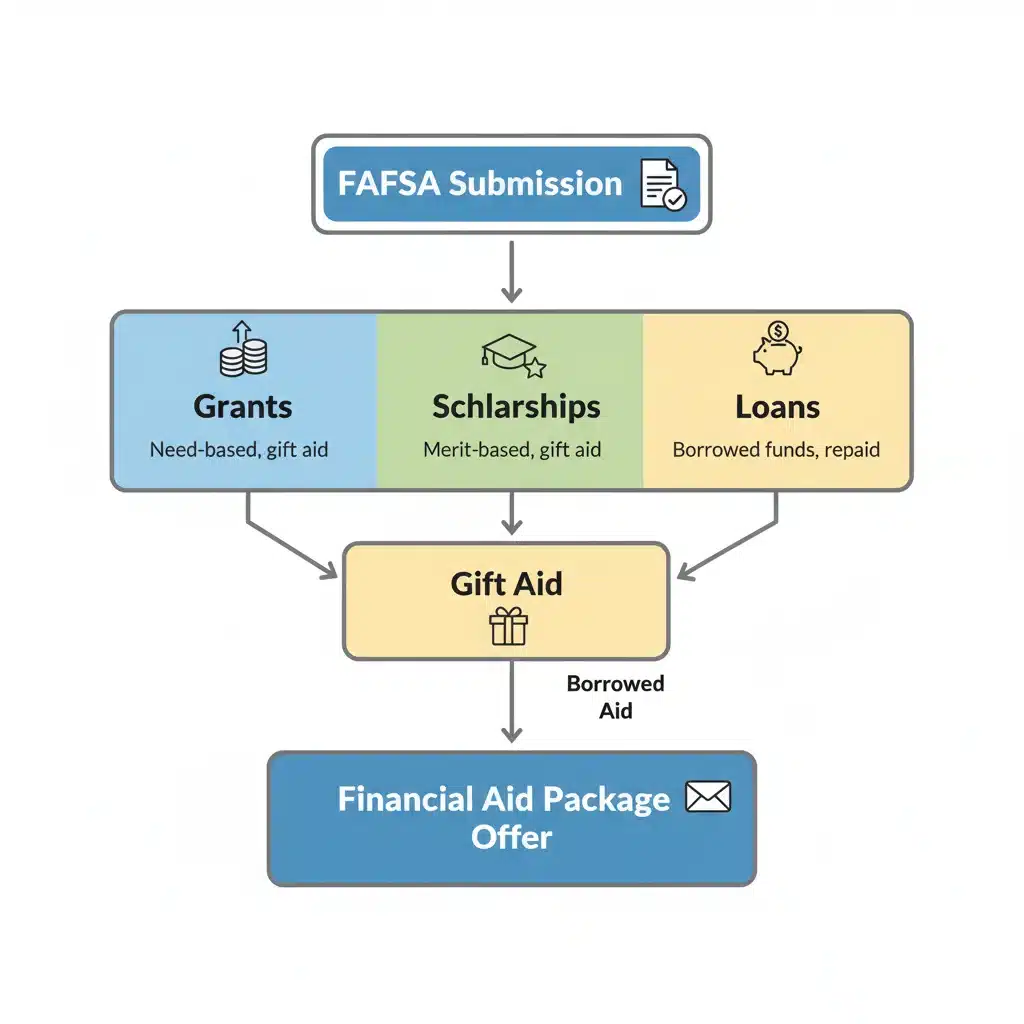
Preparing for the FAFSA 2026 Changes: Actionable Steps
Given the magnitude of the FAFSA 2026 Changes, proactive preparation is essential. Here are some actionable steps students and families can take:
1. Understand Your New SAI
While the official SAI calculation won’t be available until closer to the 2026-2027 application cycle, familiarize yourself with the new methodology. Online calculators and financial aid resources will likely emerge to help estimate your potential SAI. Understanding how different income and asset levels contribute to your SAI can help you anticipate your aid eligibility.
2. Re-evaluate College Savings and Spending Strategies
For families with multiple children in college, the elimination of the ‘number in college’ factor might mean you need to adjust your college savings plans or consider different institutions. Explore 529 plans, which remain a tax-advantaged way to save for education, but also consider how withdrawals might impact your overall financial picture. Review your budget and identify areas where you might need to increase savings or reduce expenses.
3. Maximize Other Aid Opportunities
Federal aid is just one piece of the puzzle. With the FAFSA 2026 Changes, it’s more crucial than ever to explore all avenues of financial assistance:
- Scholarships: Actively search and apply for institutional, state, and private scholarships. Many scholarships are not need-based and can significantly offset college costs.
- State Aid: Research state-specific financial aid programs, which often have their own application processes and deadlines.
- Institutional Aid: Many colleges offer their own grants and scholarships. Understand each institution’s financial aid policies and deadlines.
4. Be Ready for the FA-DDX
Ensure that all relevant tax filers (student and parents) are prepared to provide consent for the Future Act Direct Data Exchange (FA-DDX). This means having accurate tax records and being aware that this step is mandatory for federal aid eligibility. If you have complex tax situations, consider consulting a tax professional.
5. Stay Informed and Seek Guidance
The Department of Education and various financial aid organizations will continue to release guidance and updates regarding the FAFSA 2026 Changes. Regularly check official sources. Don’t hesitate to reach out to college financial aid offices, high school counselors, or professional financial aid advisors for personalized advice. They can offer insights specific to your family’s situation.
Potential Winners and Losers from the 2026 FAFSA Overhaul
The comprehensive FAFSA 2026 Changes are designed to rebalance the scales of financial aid, inevitably creating different outcomes for various student and family demographics. While the overarching goal is simplification and increased equity, the specific impacts will vary significantly.
Potential Winners:
- Lowest-Income Students: The expanded Pell Grant eligibility, particularly the automatic maximum Pell Grant for students whose AGI is below 175% of the poverty line, will be a game-changer. The ability for the SAI to be negative (-1500) also indicates a greater recognition of extreme financial need, potentially leading to more aid.
- Students from Small Business/Farm-Owning Families: The exclusion of small business and family farm net worth from asset calculations will significantly benefit these families, often allowing them to qualify for more aid than before.
- Students from Divorced/Separated Families with Lower-Income Primary Supporting Parent: If the parent providing the most financial support has a lower income, and their information is now reported, the student’s SAI could decrease, leading to more aid.
- Students Receiving Cash Support: The elimination of reporting cash support as untaxed income simplifies the process and removes a potential hurdle for many students.
- Applicants Seeking Simplicity: The drastically reduced number of questions and the mandatory FA-DDX will make the application process much simpler and faster for most applicants, reducing stress and errors.
Potential Losers:
- Middle and Upper-Middle Income Families with Multiple Children in College: This group is arguably the most significantly impacted. The elimination of the ‘number in college’ factor means their SAI will likely be much higher than their previous EFC, leading to a substantial reduction in need-based federal and institutional aid. This will necessitate greater reliance on loans, scholarships, or out-of-pocket payments.
- Students from Divorced/Separated Families with Higher-Income Primary Supporting Parent: Conversely, if the parent providing the most financial support has a higher income, and their information is now reported, the student’s SAI could increase, potentially reducing aid eligibility.
- Families with Significant Assets (excluding small businesses/farms): While some asset protections are improved, the overall focus on income and assets still means that families with substantial savings or investments (that are not small businesses or farms) may still see their aid eligibility limited.
It’s important to remember that these are general trends. Each student’s financial aid package is unique and determined by a complex interplay of federal formulas, institutional policies, and state programs. The FAFSA 2026 Changes represent a major recalibration, and families should assess their specific situation carefully.
Conclusion: Navigating the New Era of Financial Aid
The FAFSA 2026 Changes represent the most significant overhaul of federal student aid in decades. From the transition from EFC to SAI and the simplification of the application process to the elimination of the ‘number in college’ factor and expanded Pell Grant eligibility, these reforms will reshape how millions of U.S. students access higher education. While the stated goals are to create a more equitable and streamlined system, the impact will be varied, with some students and families benefiting significantly, while others may face new challenges.
For prospective and current college students and their families, understanding these changes is not just beneficial; it’s absolutely critical. Proactive planning, informed decision-making, and diligent research into all available financial aid avenues will be more important than ever. The landscape of college funding is evolving, and staying ahead of these developments will empower you to make the best choices for your educational journey.
The future of college financial aid is here, and with the right information and preparation, you can successfully navigate the new FAFSA system and secure the funding needed to achieve your academic aspirations. Keep an eye on official announcements, consult financial aid professionals, and remember that your commitment to understanding these reforms will be your greatest asset in the years to come.