Federal Aid for Adult Education: Unlocking Over $10 Billion in US Government Grants for Career Development

Anúncios
In an ever-evolving global economy, the pursuit of lifelong learning and skill enhancement has become not just a desire, but a necessity. For many adults, returning to school or undertaking professional development programs can be a daunting prospect, often due to financial constraints. However, what if we told you that the U.S. government is investing significantly in its adult workforce, making over $10 billion available annually through various federal aid for adult education programs and grants? This substantial financial commitment aims to empower adults to acquire new skills, achieve higher education, and ultimately, enhance their career prospects and economic stability.
This comprehensive guide will delve deep into the world of adult education grants, exploring the myriad opportunities available, how to navigate the application process, and strategies to maximize your chances of securing funding. Whether you’re looking to complete your high school equivalency, earn a vocational certificate, pursue an associate’s or bachelor’s degree, or simply upgrade your professional skills, federal aid for adult education is a powerful resource waiting to be tapped.
Anúncios
Understanding the Landscape of Federal Aid for Adult Education
The U.S. government, through various departments and agencies, recognizes the critical role of an educated and skilled workforce in national prosperity. Consequently, a vast array of federal aid for adult education programs has been established. These initiatives are not merely about funding; they are about investing in human potential, fostering economic growth, and ensuring that every American has the opportunity to thrive in the 21st-century job market.
Key Federal Agencies and Programs
Several federal departments play a pivotal role in distributing funds for adult education. Understanding which agencies are involved can help you pinpoint the most relevant grant opportunities:
- U.S. Department of Education (ED): This is perhaps the most significant player, overseeing programs like the Pell Grant, Federal Supplemental Educational Opportunity Grant (FSEOG), and various student loan programs. While often associated with traditional college students, many of these programs are highly accessible to adult learners.
- U.S. Department of Labor (DOL): The DOL focuses on workforce development and job training. Programs under the Workforce Innovation and Opportunity Act (WIOA) are cornerstones of federal aid for adult education, providing funding for job training, career services, and literacy programs.
- U.S. Department of Health and Human Services (HHS): HHS offers grants that often support education and training for specific populations, such as those in healthcare fields, or for individuals transitioning from welfare to work.
- Other Agencies: Depending on your field of study or demographic, other agencies like the Department of Veterans Affairs (VA) for veterans, or specific tribal governments for Native Americans, also offer significant educational assistance.
The sheer scale of these programs underscores the government’s commitment to lifelong learning. The $10 billion figure is a conservative estimate, encompassing direct grants, student aid, and indirect funding channeled through states and local organizations.
Anúncios
Types of Adult Education Grants Available
When searching for adult education grants, it’s crucial to understand the different forms they can take. Not all financial aid is a ‘grant’ in the traditional sense, but all contribute to making education more affordable.
1. Federal Pell Grants
Federal Pell Grants are a cornerstone of federal aid for adult education. Unlike loans, Pell Grants do not have to be repaid. They are awarded to undergraduate students who demonstrate exceptional financial need and have not earned a bachelor’s, graduate, or professional degree. Many adult learners pursuing their first associate’s or bachelor’s degree qualify for Pell Grants, making them an indispensable resource for funding their education.
- Eligibility: Primarily based on financial need, determined by the Free Application for Federal Student Aid (FAFSA).
- Award Amount: Varies annually, but can be substantial, significantly reducing or even covering tuition costs.
- Application: Complete the FAFSA annually.
2. Federal Supplemental Educational Opportunity Grants (FSEOG)
FSEOGs are similar to Pell Grants in that they are need-based and do not need to be repaid. However, FSEOG funds are limited at each participating school, so not all eligible students will receive them. These grants are administered directly by the financial aid office at participating colleges and universities, often prioritizing students with the greatest financial need.
3. Workforce Innovation and Opportunity Act (WIOA) Grants
WIOA is a landmark piece of legislation designed to help job seekers access employment, education, training, and support services to succeed in the labor market. For adult learners, WIOA provides funding for a wide range of services, including:
- Occupational Skills Training: Funding for vocational programs, certifications, and apprenticeships in high-demand industries.
- Basic Education and Literacy: Support for individuals seeking to improve their reading, writing, and math skills, including high school equivalency programs.
- Career Counseling and Job Search Assistance: Services to help adults identify career paths and secure employment.
WIOA funds are distributed to states, which then allocate them to local workforce development boards. These local boards operate American Job Centers (AJCs) where adults can access WIOA-funded services.
4. Specific Program Grants (e.g., healthcare, STEM)
Beyond broad-based programs, many federal agencies offer grants targeted at specific fields or demographics. For example:
- Health Resources and Services Administration (HRSA): Offers scholarships and loan repayment programs for students pursuing careers in healthcare, particularly in underserved areas.
- National Science Foundation (NSF): Provides grants for students and researchers in science, technology, engineering, and mathematics (STEM) fields.
- Apprenticeship Programs: The Department of Labor supports various registered apprenticeship programs that combine on-the-job training with related technical instruction, often leading to industry-recognized credentials and paid employment.
5. Federal Student Loans
While not grants, federal student loans (Stafford Loans, PLUS Loans) are a vital component of federal aid for adult education. They offer lower interest rates, flexible repayment options, and consumer protections that private loans often lack. For adult learners, these can bridge the gap when grant funding isn’t sufficient.
Eligibility Requirements for Federal Aid for Adult Education
Eligibility for adult education grants varies significantly depending on the specific program. However, several common criteria apply to most federal aid opportunities:
- U.S. Citizenship or Eligible Non-citizen Status: Most federal aid programs require applicants to be U.S. citizens or eligible non-citizens (e.g., permanent residents).
- Social Security Number: Required for identification and verification purposes.
- High School Diploma or GED: Generally, you need to have a high school diploma or its recognized equivalent (like a GED) or demonstrate the ability to benefit from postsecondary education.
- Enrollment in an Eligible Program: The educational institution and the program of study must be accredited and eligible to participate in federal student aid programs.
- Satisfactory Academic Progress (SAP): If you’re already enrolled, you must maintain satisfactory academic progress as defined by your school.
- No Default on Federal Student Loans: You cannot be in default on any federal student loans or owe a refund on a federal student grant.
- Selective Service Registration: Males aged 18-25 must be registered with the Selective Service System.
For need-based grants like Pell, your financial situation is the primary determinant. This is assessed through the FAFSA, which calculates your Expected Family Contribution (EFC) – a measure of your family’s financial strength and how much it should be able to contribute to your education.
The Application Process: Your Roadmap to Funding
Navigating the application process for federal aid for adult education can seem complex, but breaking it down into manageable steps makes it much easier. The cornerstone of almost all federal financial aid is the Free Application for Federal Student Aid (FAFSA).
Step 1: Complete the Free Application for Federal Student Aid (FAFSA)
The FAFSA is your gateway to virtually all federal student aid, including Pell Grants, FSEOGs, and federal student loans. Even if you think you won’t qualify, it’s always worth completing.
- When to Apply: The FAFSA opens on October 1st each year for the following academic year. Apply as early as possible, as some funds (like FSEOG) are limited.
- What You’ll Need: Your Social Security Number, tax returns (or other income records), bank statements, and records of investments. If you’re a dependent adult, you’ll also need your parents’ financial information.
- Online Submission: The easiest way to complete the FAFSA is online at studentaid.gov.
The FAFSA will determine your Expected Family Contribution (EFC), which schools use to calculate your financial aid package.

Step 2: Explore WIOA and State-Specific Programs
While the FAFSA covers federal student aid for higher education, WIOA grants require a separate approach. Contact your local American Job Center (AJC) or state workforce development agency. They can provide information on:
- Eligibility for WIOA services: Often based on income, unemployment status, or specific barriers to employment.
- Approved training programs: WIOA funds can only be used for programs on an eligible training provider list.
- Application process: You’ll typically need to meet with a career counselor who will assess your needs and guide you through the application for WIOA services.
Many states also have their own grant programs for adult learners, often complementing federal aid. Check your state’s department of education or higher education website for details.
Step 3: Research Institution-Specific Aid and Scholarships
Even with federal aid, you might need additional funding. Many colleges and universities offer their own grants and scholarships specifically for adult learners. Be sure to:
- Contact the Financial Aid Office: They are a wealth of information regarding institutional aid and can help you identify scholarships you might qualify for.
- Look for External Scholarships: Numerous private organizations, foundations, and professional associations offer scholarships for adult students. Websites like Fastweb, Scholarship.com, and specific professional organizations are good starting points.
Maximizing Your Chances of Securing Adult Education Grants
With billions of dollars available, competition for adult education grants can be significant. Here’s how to improve your odds:
- Apply Early: As mentioned, some funds are limited. Submitting your FAFSA and other applications as soon as they open gives you the best chance.
- Be Thorough and Accurate: Errors or omissions on your application can cause delays or even rejection. Double-check all information before submitting.
- Demonstrate Need: For need-based grants, clearly articulate your financial situation. If there have been significant changes to your income since your last tax return, inform the financial aid office.
- Highlight Your Story: When applying for scholarships or specific program grants, a compelling personal statement can make a difference. Explain why you’re pursuing education, your career goals, and how the funding will impact your life.
- Seek Guidance: Don’t hesitate to reach out to financial aid counselors at schools, career counselors at American Job Centers, or grant specialists. They are there to help you navigate the process.
- Consider Less Competitive Programs: While popular fields are competitive, exploring grants for less common but still in-demand professions might yield better results.
- Look for Niche Grants: Many grants target specific demographics (e.g., single parents, minorities, veterans, individuals with disabilities) or fields of study. Researching these can uncover less competitive opportunities.
The Impact of Federal Aid on Career Development
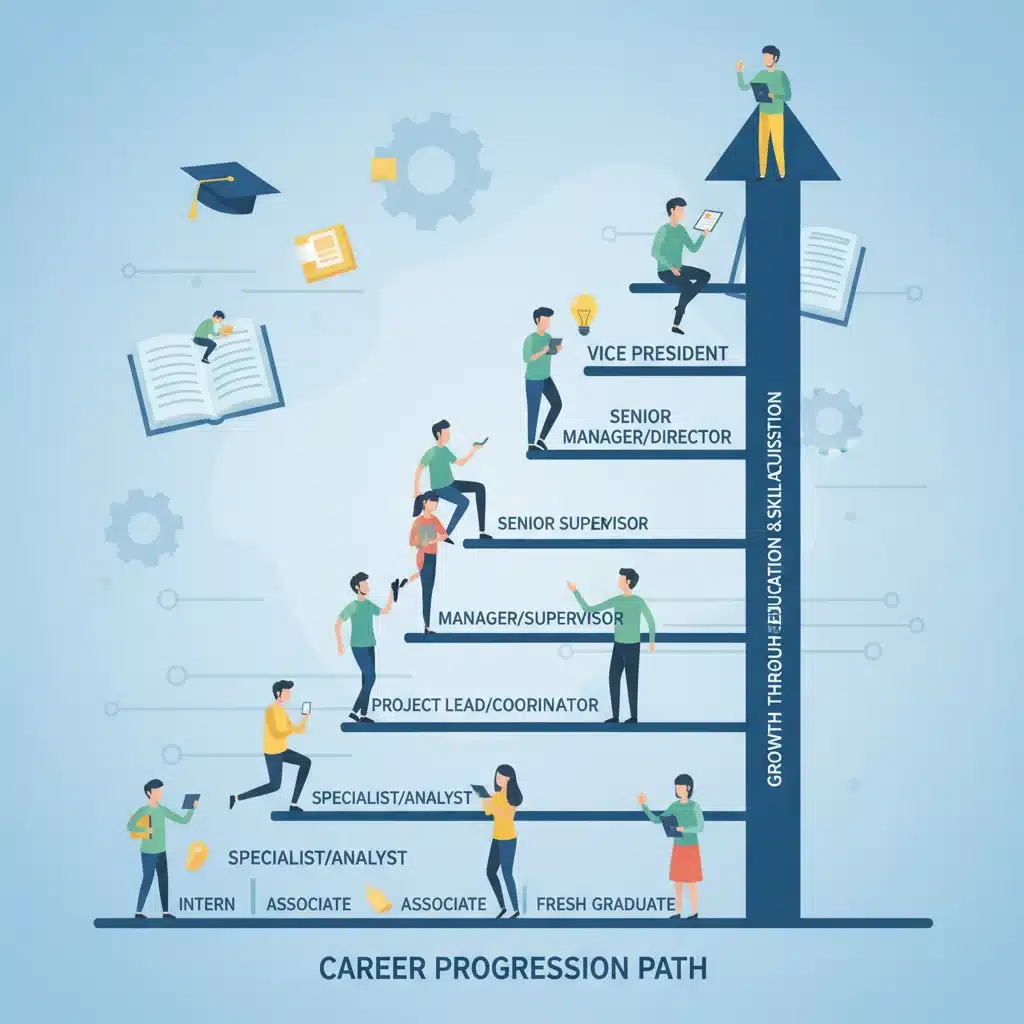
The implications of federal aid for adult education extend far beyond simply paying for tuition. It’s a catalyst for significant career development and personal growth. By removing financial barriers, these programs enable adults to:
- Acquire In-Demand Skills: Many federal programs are specifically designed to align with current labor market needs, ensuring that recipients gain skills that are highly valued by employers.
- Transition to New Careers: For those in declining industries or seeking a complete career change, federal aid provides the necessary training to pivot into new, more promising fields.
- Increase Earning Potential: Higher education and specialized training often lead to higher wages and better job security.
- Advance in Current Roles: Even those currently employed can utilize federal aid to gain certifications or degrees that qualify them for promotions and leadership positions.
- Boost Confidence and Self-Efficacy: The act of pursuing and completing an educational program can significantly enhance an individual’s confidence, opening doors to new opportunities they might not have considered before.
The government’s investment in adult education grants is an investment in the future of the American workforce, fostering a more skilled, adaptable, and resilient labor force capable of meeting the demands of a dynamic global economy.
Success Stories and Real-World Impact
The numbers – over $10 billion in federal aid – are impressive, but the true impact is seen in the lives transformed. Consider Sarah, a single mother who, with the help of a Pell Grant and WIOA funding, transitioned from a low-wage retail job to a fulfilling career as a medical coder. Or Mark, a veteran who utilized VA education benefits and federal student loans to earn an engineering degree, now contributing to cutting-edge technology. These are not isolated incidents; they are testaments to the power of accessible education.
These programs are designed to address various barriers. For instance, the Adult Education and Family Literacy Act (AEFLA), part of WIOA, specifically targets individuals who lack basic reading, writing, and math skills or who have not completed high school. By offering free or low-cost instruction, AEFLA helps adults gain the foundational knowledge required for further education and employment.
Addressing Specific Challenges for Adult Learners
Adult learners often face unique challenges that differ from traditional college students. These can include:
- Balancing Work and Family: Many adult learners juggle full-time jobs and family responsibilities, making time management and flexible learning options crucial.
- Lack of Recent Academic Experience: Returning to an academic setting after a long break can be intimidating.
- Financial Constraints: This is where federal aid for adult education truly shines, alleviating the burden of tuition and living expenses.
Federal programs often consider these factors. For example, some grants support part-time enrollment, and many institutions offer evening, weekend, and online courses tailored for adult schedules. Furthermore, specific grants might include provisions for childcare or transportation assistance, directly addressing common barriers.
Beyond Federal: Exploring Other Funding Avenues
While federal aid is substantial, it’s not the only source of funding. A holistic approach to financing your adult education might include:
- State and Local Government Programs: Many states and even local municipalities offer grants and scholarships for residents pursuing education or specific vocational training.
- Employer Tuition Assistance: A growing number of companies offer tuition reimbursement or assistance programs as an employee benefit. Check with your HR department.
- Non-profit Organizations and Foundations: Thousands of organizations nationwide offer scholarships based on various criteria, such as field of study, ethnicity, gender, or community involvement.
- Crowdfunding: For unique circumstances or specific projects, platforms like GoFundMe can sometimes help raise funds.
- Savings and Personal Loans: While less ideal than grants, personal savings and carefully considered personal loans can be part of a comprehensive financial plan.
Remember, the goal is to combine various sources of funding to minimize your out-of-pocket expenses and maximize your educational opportunities. Each dollar secured from an adult education grant frees up your personal resources for other necessities.
The Future of Adult Education and Federal Support
The landscape of work is constantly changing, driven by technological advancements, automation, and global economic shifts. This dynamic environment necessitates a continuous commitment to adult education and reskilling. The U.S. government’s ongoing investment, evidenced by the billions in federal aid, reflects a recognition of this imperative.
Expect to see continued emphasis on:
- Skills-Based Training: A shift towards shorter, competency-based programs and certifications that directly lead to employment in high-demand sectors.
- Digital Literacy and STEM Fields: Increased funding and focus on programs that equip adults with advanced digital skills and expertise in science, technology, engineering, and mathematics.
- Apprenticeships and On-the-Job Training: Expansion of earn-and-learn models that provide both education and immediate employment.
- Support for Underserved Populations: Continued efforts to ensure equitable access to education for low-income individuals, minorities, rural populations, and those with disabilities.
Staying informed about policy changes and new legislative initiatives related to education and workforce development can help you identify emerging opportunities for federal aid for adult education.
Conclusion: Invest in Yourself with Federal Aid
The opportunity to advance your education and career should not be limited by financial barriers. With over $10 billion in U.S. government grants and other forms of federal aid for adult education, a wealth of resources is available to support your aspirations. From Pell Grants that cover foundational degrees to WIOA funding for vocational training and specialized grants for specific fields, the pathways to financial assistance are diverse and impactful.
Taking the first step – completing the FAFSA, connecting with your local American Job Center, and researching institutional and external scholarships – can unlock a future of enhanced career prospects, increased earning potential, and personal fulfillment. Don’t let the complexity deter you; the resources and support systems are in place to guide you. Invest in yourself, leverage the robust federal aid for adult education programs, and embark on a journey of lifelong learning that will undoubtedly shape a brighter future for you and your community.
Remember, the key is proactive research, diligent application, and a clear understanding of your educational and career goals. The billions are there – now it’s time to claim your share and transform your professional trajectory.
Author